
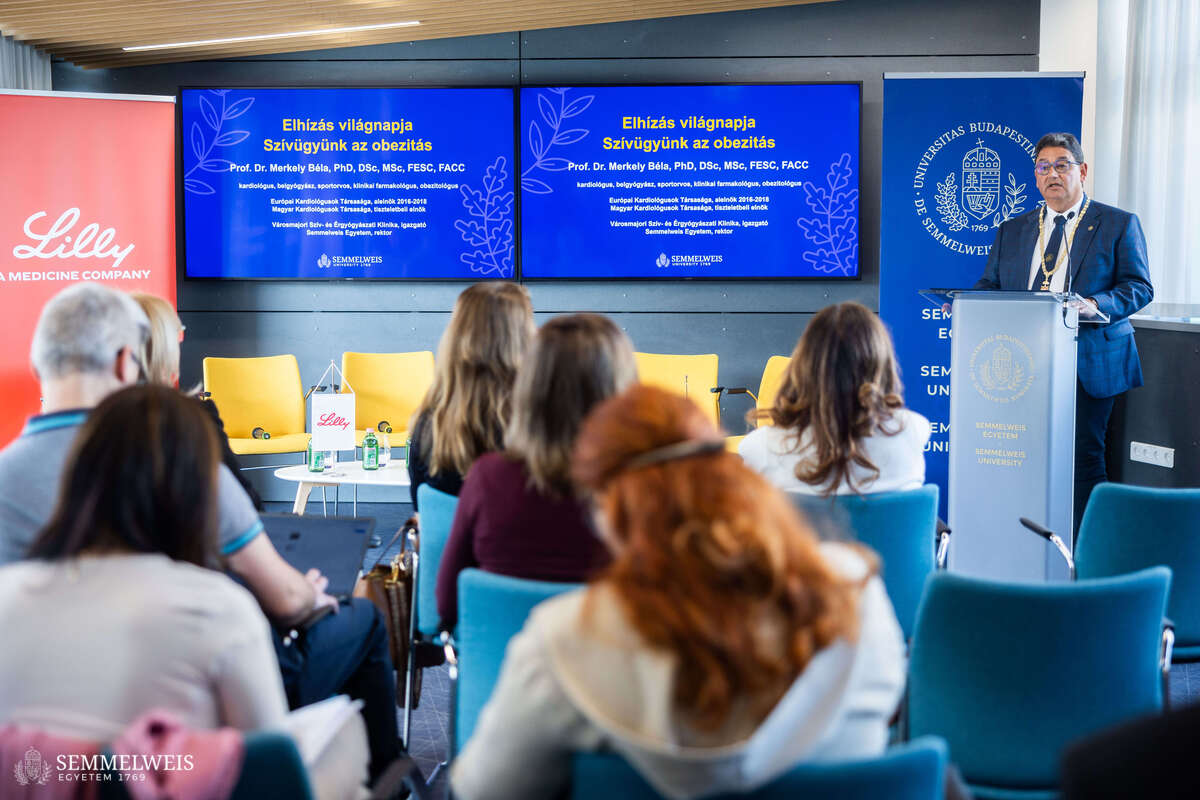
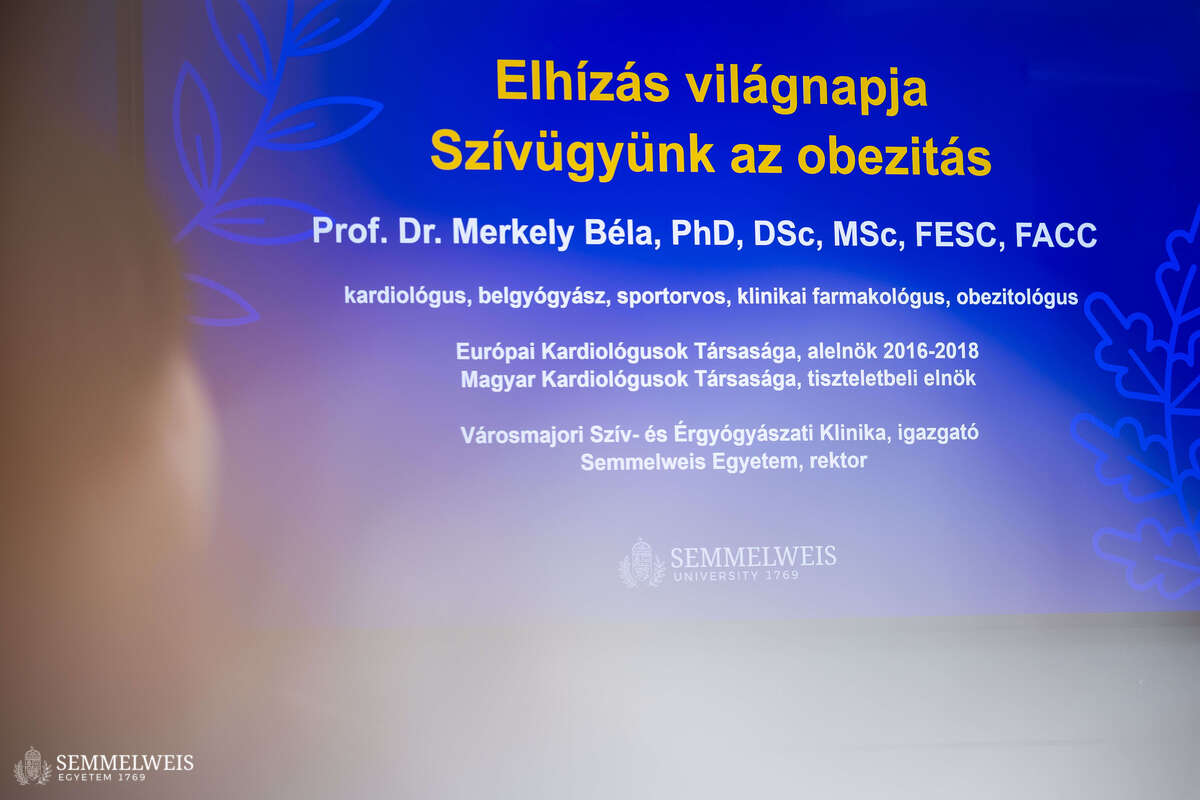
“As rector of Semmelweis University and director of the Városmajor Heart and Vascular Center, I believe it is important that we have highly effective therapies for a wide range of common cardiovascular diseases, but I would be even happier if prevention were given much more attention and were present at the societal level,” said Dr. Béla Merkely at an event organized jointly with Lilly Hungária Ltd. and held at the Városmajor Heart and Vascular Center to mark World Obesity Day.
Speaking of obesity and overweight, which affects every second Hungarian, the rector highlighted the importance of disseminating information about the disease to broad sections of society. This is aided by the strategic cooperation between Semmelweis University and Lilly, which aims to strengthen communication with the general public.
The message of World Obesity Day is very clear: It is our collective responsibility to change the perception of obesity. Empathy, knowledge, and evidence-based medical solutions play a major role in this. – Dr. Béla Merkely
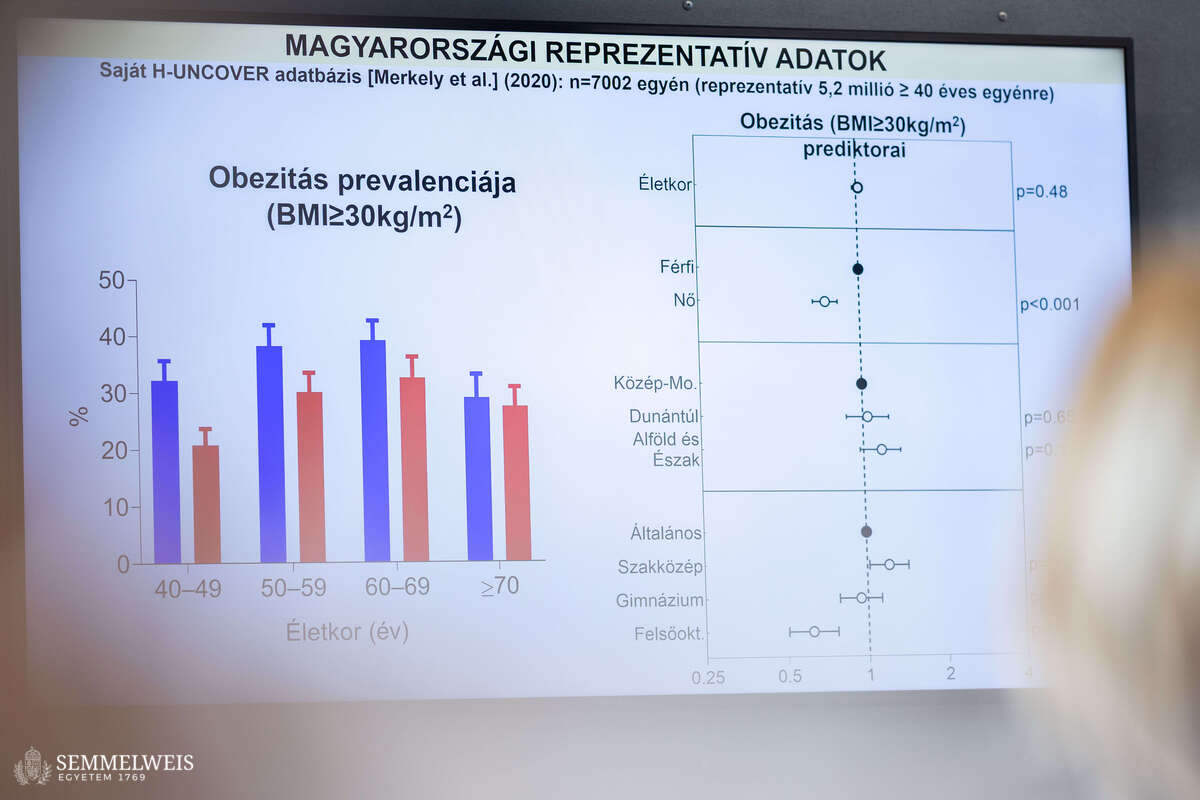
Overweight is now a very serious public health problem, and the trend is particularly saddening: Since the 1980s, the number of people affected has doubled, as the rector noted in his presentation. Obese people are much more likely to suffer from serious diseases of civilization and have a lower healthy life expectancy.
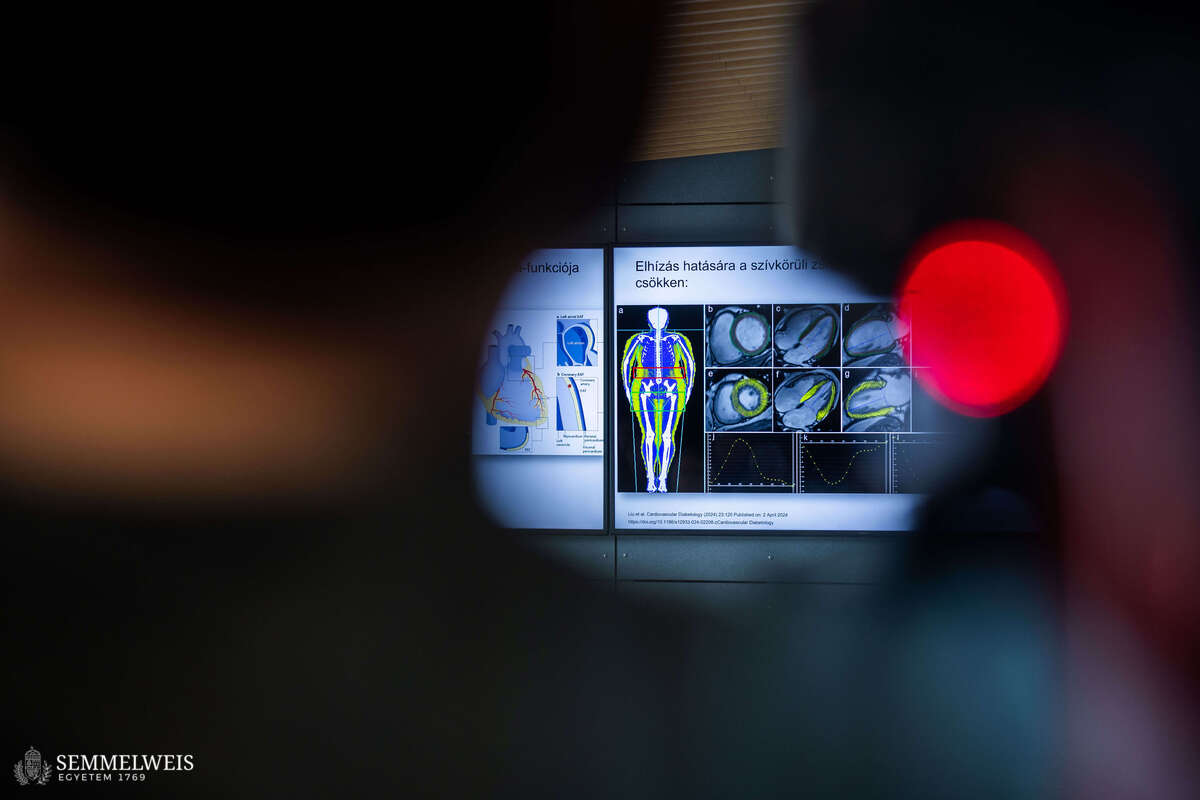
 There is also a very clear link between mortality and obesity: The life expectancy of men with a body mass index (BMI) over 30 is about six years shorter, while that of women seven years shorter, than that of the non-obese population. Obesity increases the likelihood of sudden cardiac death by nearly three times in men and about six times in women, which has serious cardiovascular consequences, the rector emphasized. Every 5 kg/m2 increase in body mass index raises the risk of cardiovascular disease by about 30 percent, he added. Visceral fat accumulating on the organs or in the abdominal cavity and chest has a hormonal effect even on distant organs and maintains a constant, low-level inflammatory process, which plays a role in the development of vascular diseases, for example, explained Dr. Béla Merkely in his presentation. At the same time, he pointed out that complex treatment – which included lifestyle changes, dietary modifications, incorporating exercise, as well as medication and even surgical support – could reverse the effects of obesity.
According to the European Society of Cardiology (ESC), losing as little as 5-10 kg can reduce the incidence of these diseases by 30 percent.
As noted by Dr. Béla Merkely at the end of his presentation, it was during Hungary’s EU Council Presidency that a plan was formulated for every European country to develop a cardiovascular action plan specific to that nation, covering primary and secondary prevention, screening, and early diagnosis.
 “According to WHO recommendations, we should engage in at least 150 minutes of moderate-intensity physical exercise per week. This mainly means aerobic exercise, i.e. physical activity that uses large muscle groups, such as walking, running, and jogging, and it is worth supplementing this with two to three strength training sessions and stretching exercises per week,” said Dr. Hajnalka Vágó, cardiologist and Professor at the Városmajor Heart and Vascular Center. As she pointed out, it is particularly important for overweight and obese patients to remember that every bit of exercise counts. For them, very intense sports are not recommended at first; rather, they should do mild or at most moderate-intensity exercise. In addition, she mentioned the role of exercise in cancer prevention, increasing insulin sensitivity, improving mood, and reducing anxiety and stress.
“Obesity is not an esthetic problem or a sign of lack of willpower, but a disease that increases the risk of numerous medical conditions and public health problems, and which not only reduces the patient’s quality of life but also their life expectancy,” Dr. Viktória Ferencz, endocrinologist and diabetologist at the Department of Internal Medicine and Oncology, stressed in her presentation.
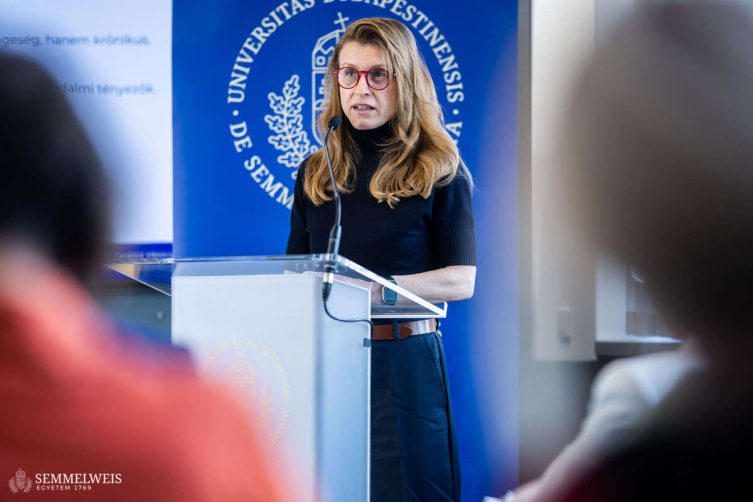 There are numerous causes of obesity, some of which are difficult to influence, but being aware of them can lead to therapeutic success, she emphasized. Genetic and biological background, as well as environmental, psychological, and social factors are also decisive. Patients are very often advised to eat less, but this does not work for most of them because they cannot achieve results without medical intervention, she explained, drawing attention to the factors mentioned in the presentations, including hormones produced by adipose tissue, chronic inflammation, and insulin resistance. “A great many evidence-based drug treatments are available, and surgical interventions are also an option,” she added, confirming that even a small amount of weight loss resulted in health benefits, while greater weight loss had a disease-modifying effect.
Gallery


Dr. Edit Czeglédi, Consultant Psychologist at the Institute of Behavioral Sciences, spoke about psychological factors, noting that people who were obese often reported a poorer quality of life in terms of their physical condition, self-confidence, and mental well-being.
 They often experience feelings such as shame, lack of self-confidence, a sense of failure, as well as fear of negative judgment and condemnation. Many obese people do not believe that professionals can offer them real help, while others fear that they will only receive general lifestyle advice that is difficult to follow, such as “exercise more” or “eat less.” What is more, choosing modern therapeutic opportunities is often labeled by those around them as “taking the easy option,” which further reinforces procrastination and their refusal to accept the treatment recommended by professionals, she explained.
The speakers agreed that psychological support that can be provided by a family member, friend, or colleague is of paramount importance in the treatment of overweight and obesity, as well as in terms of lifestyle changes. The help of a psychologist is needed when mental illness also occurs as a comorbidity. Everyone must find their own individual motivation for change, appreciate even small successes, and not set unrealistic expectations for themselves, they stressed.
Anita Szepesi
Translation: Dr. Balázs Csizmadia
Photos by Bálint Barta – Semmelweis University