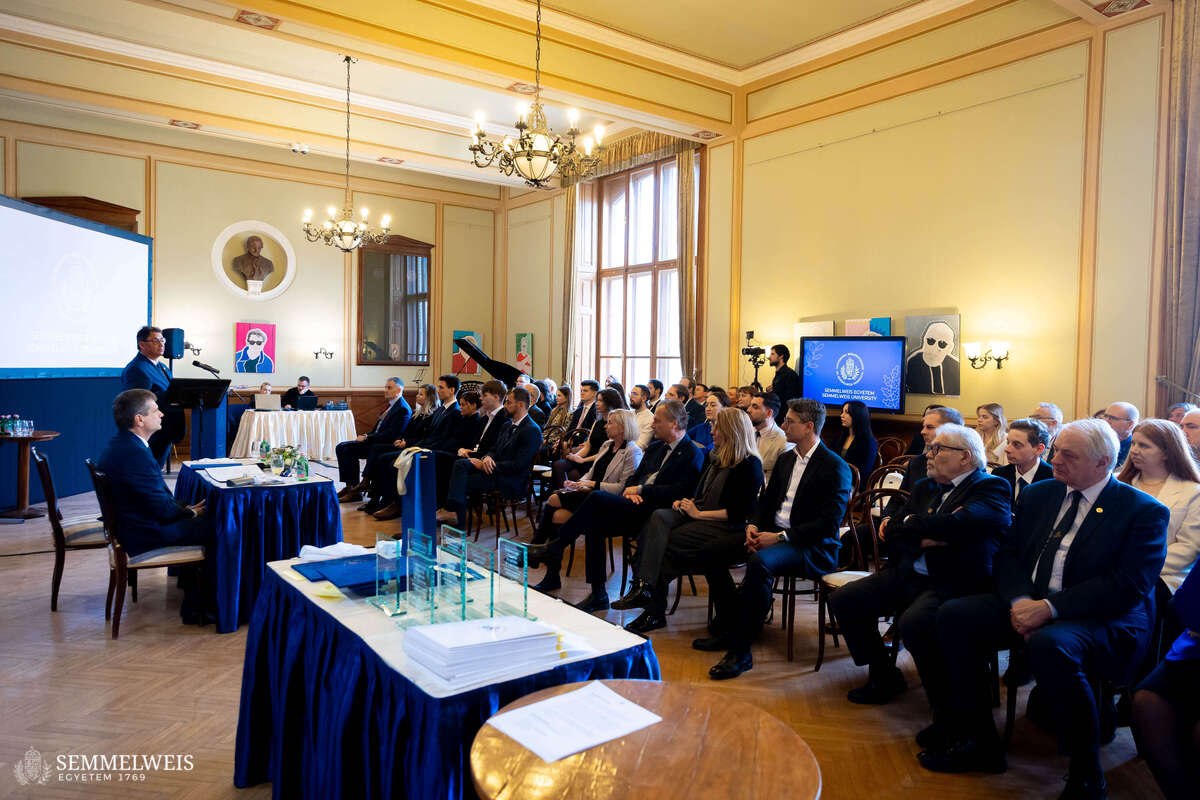
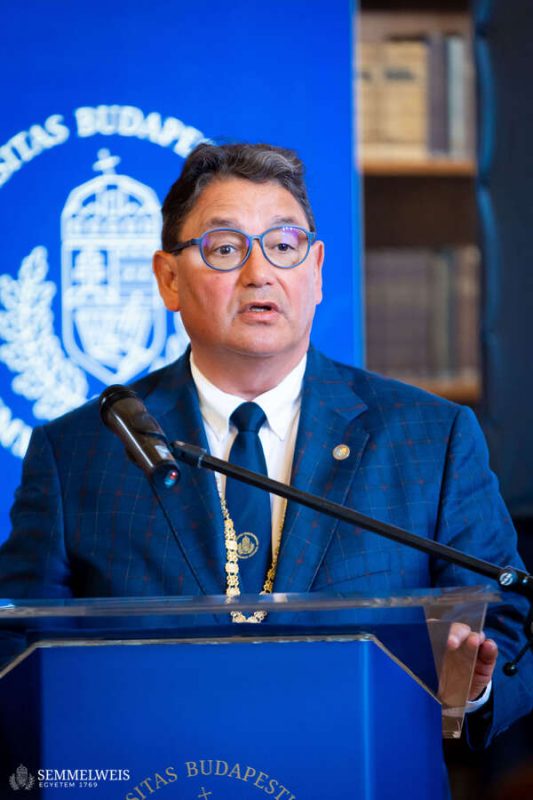
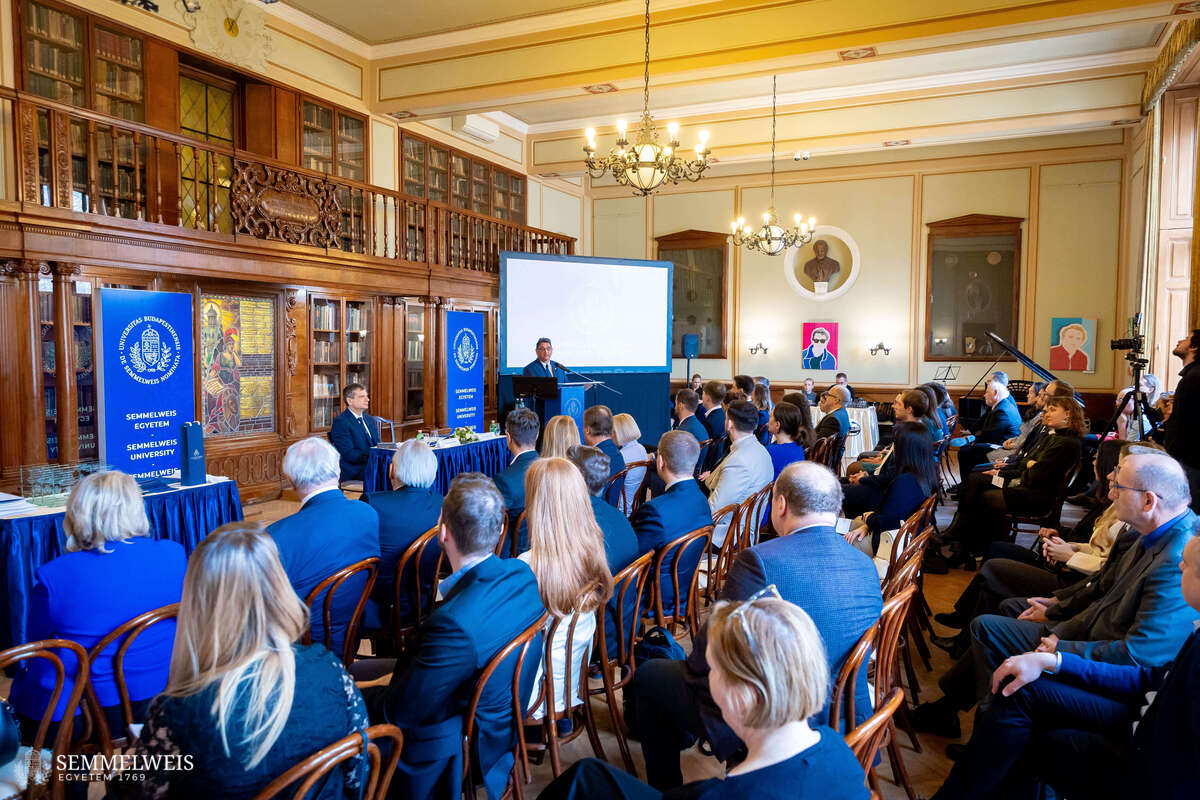
 “You, dear award winners, had this curiosity! This is proven by your work to date, which we now recognize with such prestigious distinctions of our university as the Ernő Jendrassik Award and the Innovation Awards in the Students’ Scientific Conference (TDK), PhD, and Researcher categories. Along with these particularly important scientific awards, we can now also present the Best Poster Awards from last year’s highly successful Semmelweis Symposium – so today we are celebrating both the most talented researchers at our university and our young, promising talents, thereby signaling that here at Semmelweis, you are not only in the right place, but also on the right track,” the rector noted. In his words, the award winners have worked with dedication, diligence, and resilience to put their knowledge at the service of scientific progress as well as medical and health sciences in Hungary. He emphasized that the essence of the awards was that, building on the achievements of science to date and adhering to research standards, new innovations could be created which advanced science and ultimately benefited patient care.
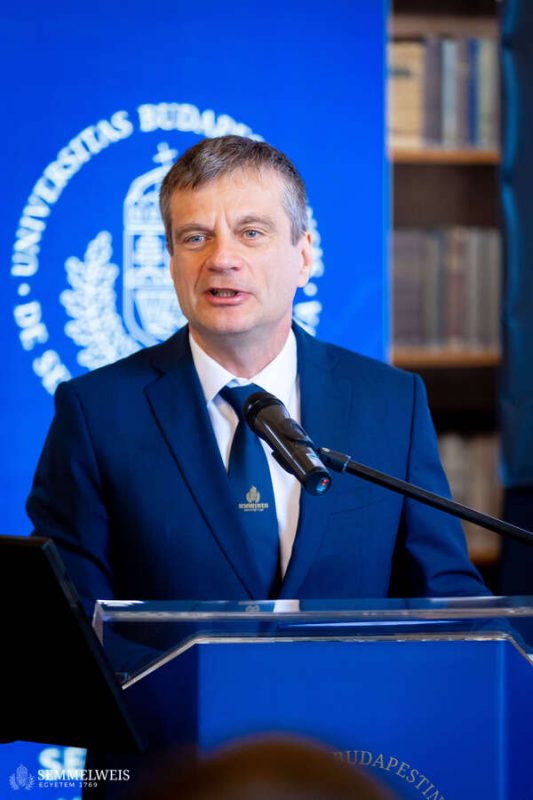 In his welcome speech, Dr. Péter Ferdinandy, Vice-Rector for Science and Innovations, stressed that science had to serve the good of humanity. “It is not enough to just create our scientific future; we must also utilize new discoveries for the benefit of patients,” he said. At the same time, the vice-rector added, this requires the protection of intellectual property, and in addition to protection, science must also be turned into a business, as patients cannot be helped without a product. Semmelweis University provides maximum support in this regard, Dr. Péter Ferdinandy underlined. “We have been working on improving the scientific and innovation support system for years,” he said.
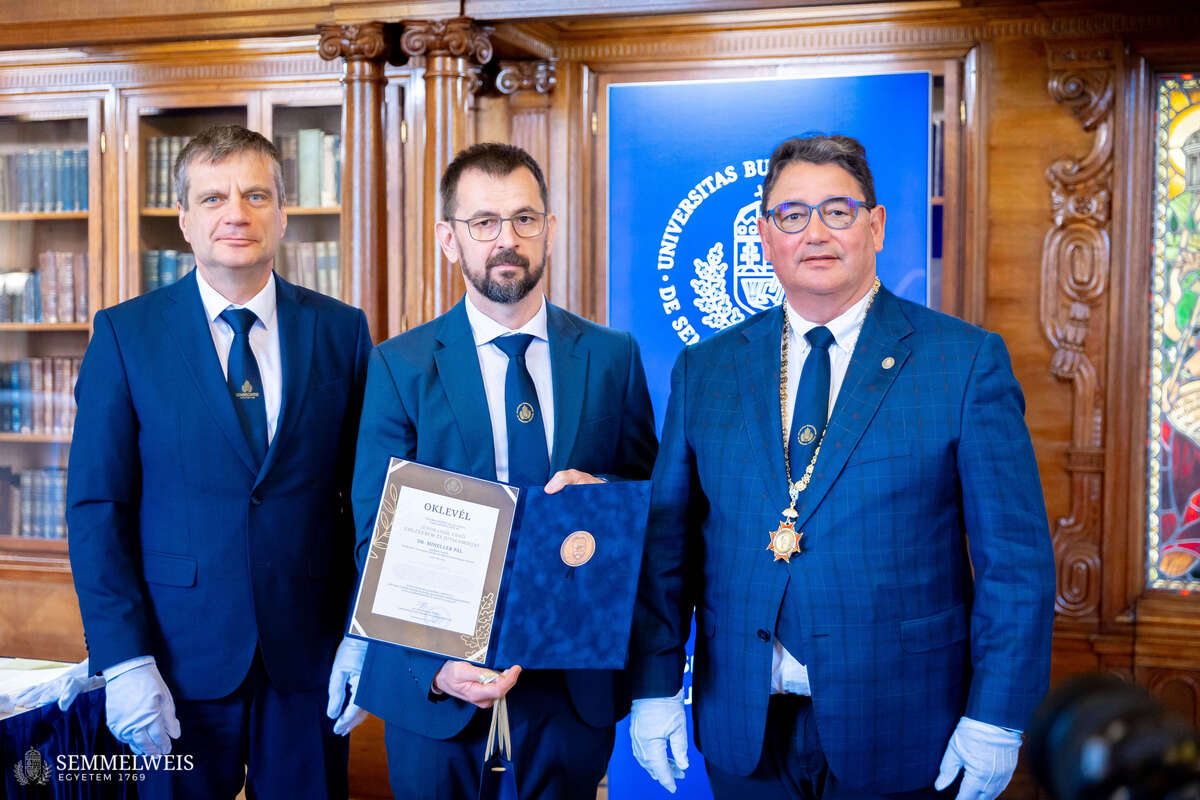
The ceremony continued with the presentation of the 2025 Ernő Jendrassik Medal.
Ernő Jendrassik Medal
The Semmelweis University Council awards the prize to the author of a thesis that presents outstanding scientific results based on independent research published in the previous five years, covering any branch of clinical medicine, with the majority of the work carried out at the university. The Semmelweis University Council named the commemorative medal after Dr. Ernő Jendrassik, a former professor at the university and an outstanding Hungarian internist and neurologist.
In accordance with the Senate’s decision, the Ernő Jendrassik Medal and Award was presented in 2025 to Dr. Pál Miheller, Professor at the Department of Surgery, Transplantation and Gastroenterology. Dr. Pál Miheller is a leading figure in gastroenterology in Hungary, who has been committed to patient care, teaching, and scientific research at Semmelweis University for more than three decades. His professional career reflects his exceptional expertise and dedication. His clinical work and research interests focus on inflammatory bowel diseases. He is credited with developing numerous professional recommendations of national significance, coordinating patient registries, and establishing the scientific basis for the use of biological treatments in Hungary, as was noted in the laudatory address.
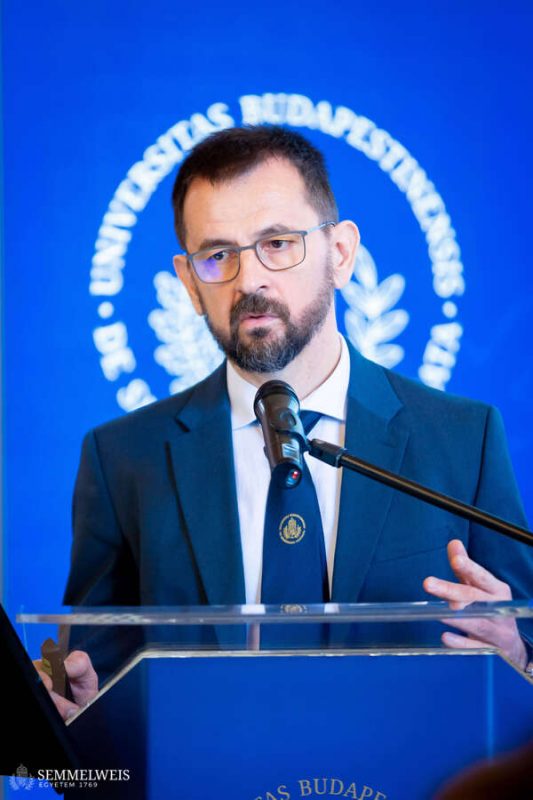 In his talk entitled “The Past and Future of Clinical Research in Inflammatory Bowel Diseases,” Dr. Pál Miheller commemorated the life of Dr. Ernő Jendrassik, recalling that at the beginning of his scientific career, he had been assigned bone metabolism as his topic in the endocrinology department, and then, in the gastroenterology department, he investigated the relationship between the intestines and bone metabolism through the efficacy assessment of a biological drug that had just come onto the market at the time and established this connection. His research revealed that the new biosimilar drug used in treating inflammatory bowel disease also had a beneficial effect on the progression of osteoporosis. When examining the effect on bone parameters, other groups of digestive diseases were also included in the research, with numerous national surveys being proposed and national databases being created in the course of the work.
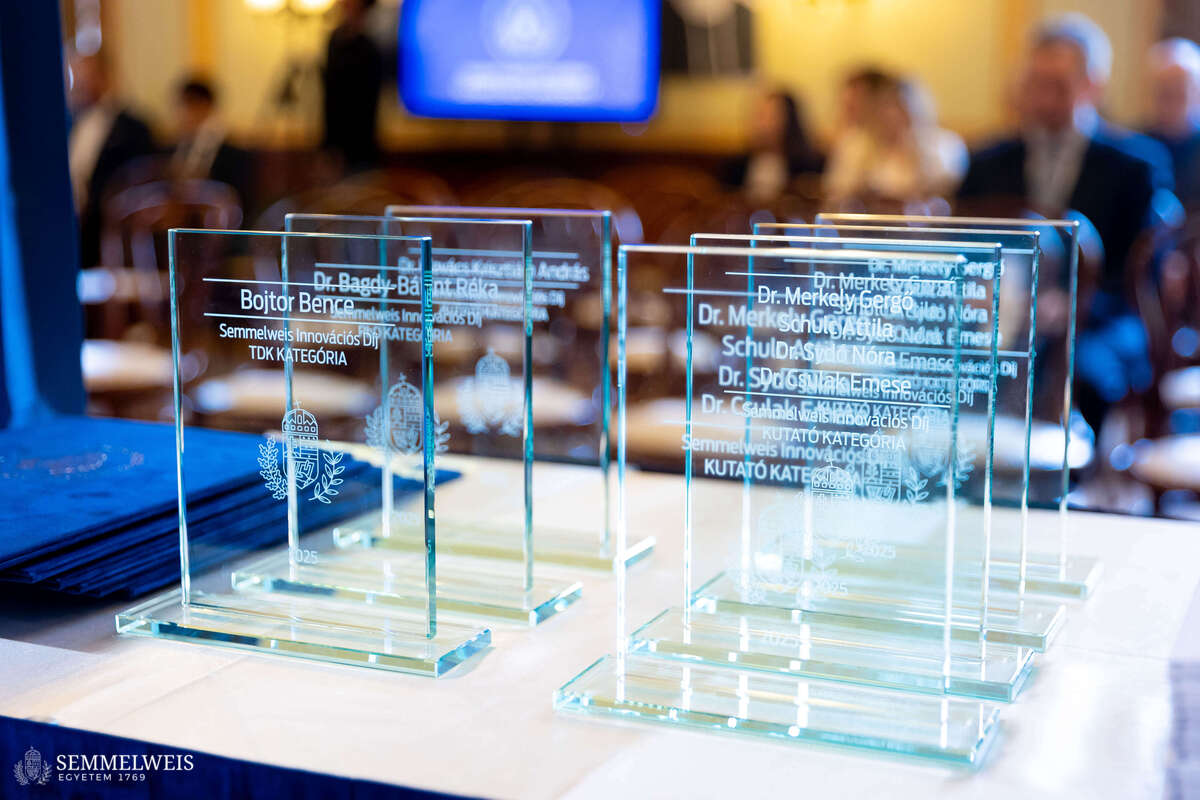
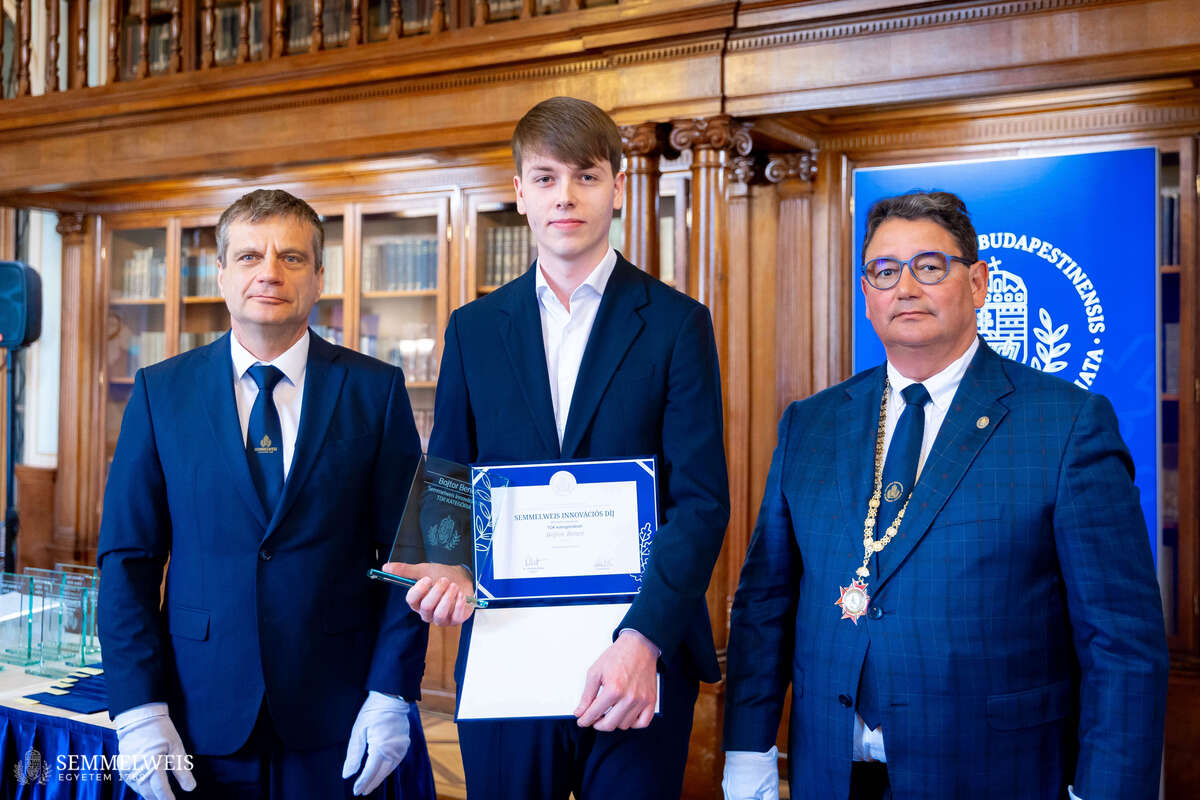
 The first Semmelweis Innovation Award was presented to Dr. Bence Bojtor, resident in internal medicine at the Department of Internal Medicine and Oncology, and winner of the Most Innovative TDK Work category, who gave a presentation entitled “The role of SIRT1 in drug-induced osteonecrosis of the jaw.” Medication-related osteonecrosis of the jaw (MRONJ) is a rare but serious side effect of antiresorptive (bone resorption-inhibiting) drugs, which significantly impairs the quality of life of patients affected. Currently, there is no reliable risk assessment system available to predict which patients are at increased risk of developing MRONJ, as he pointed out in his presentation. Studies conducted by their research group have suggested a role for the SIRT1 gene in the pathomechanism of the disease. They have developed a simple method to screen for genetic variants. By evaluating the genetic information obtained in this way together with known clinical risk factors (e.g. oral surgery), it would be possible to identify patients at higher risk.
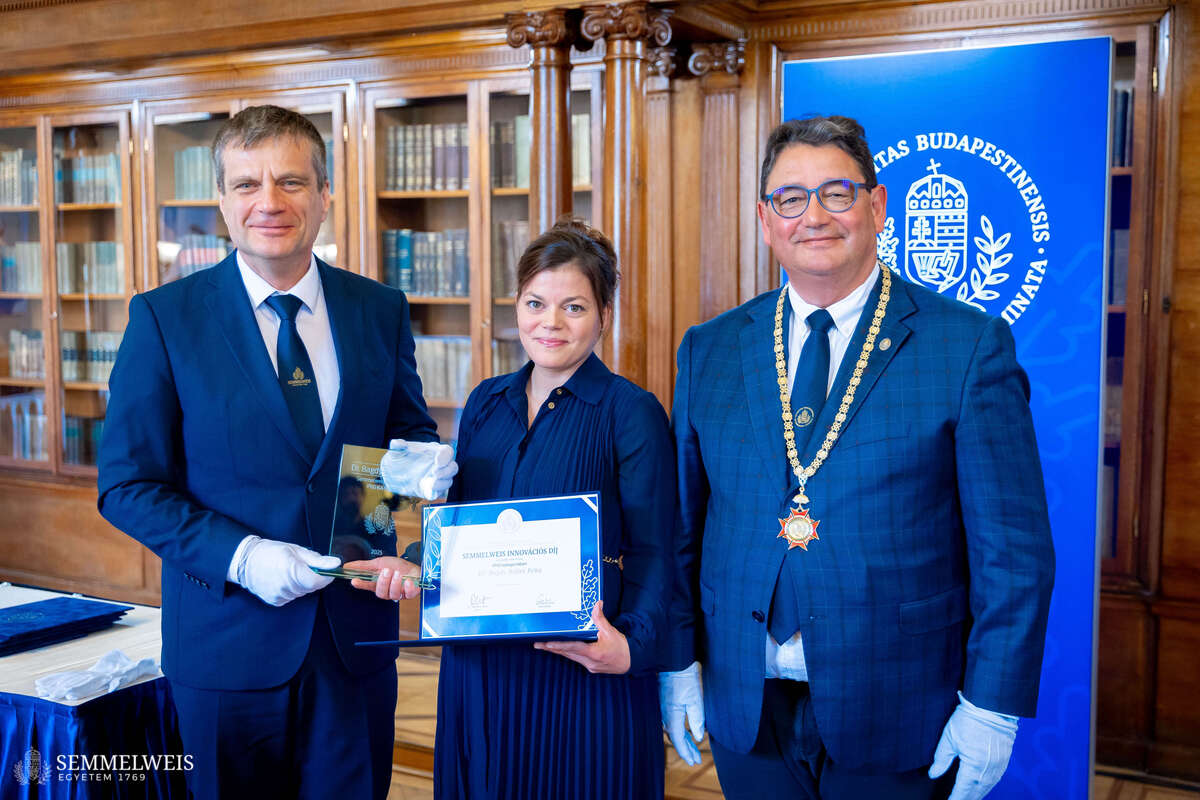
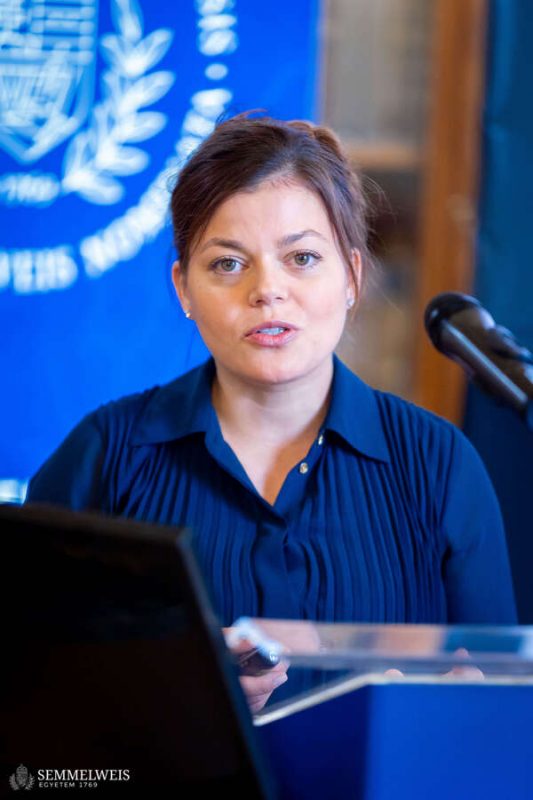 The winner of the Most Innovative PhD Thesis category was Dr. Réka Bagdy-Bálint, PhD student at the Department of Pediatric Dentistry and Orthodontics. In her dissertation, the researcher comprehensively analyzed the current situation and future directions of international and domestic healthcare infrastructures based on structured data, paying particular attention to the initiatives of Semmelweis University to date. Based on her findings, she created the first structured database specifically designed for dentistry, but also supporting interdisciplinary clinical research groups, which she eventually transferred to the university’s biobank network. In her work, she demonstrated how a high-quality, reusable data structure lays the foundation for the development of AI-based clinical decision support systems.
Two projects were awarded a prize in the Most Innovative Research Work category.
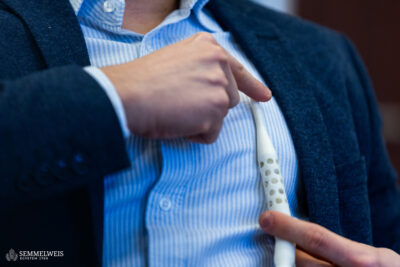
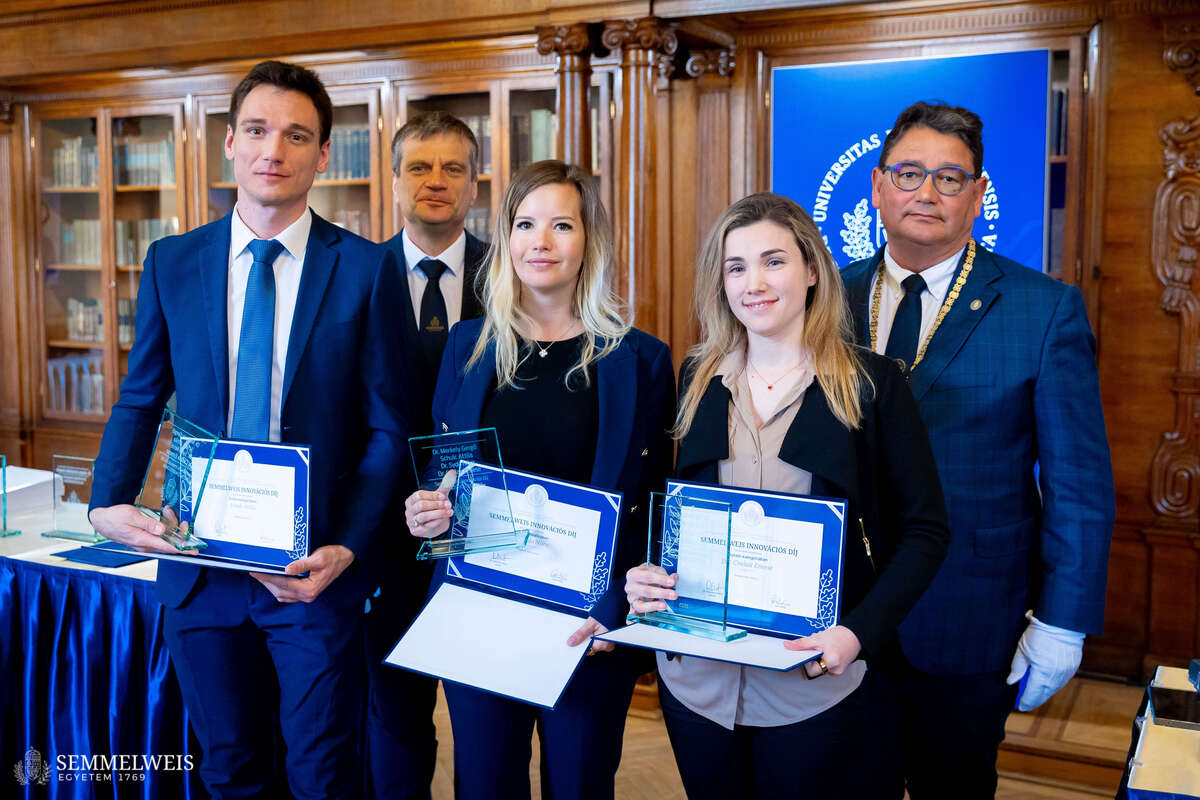
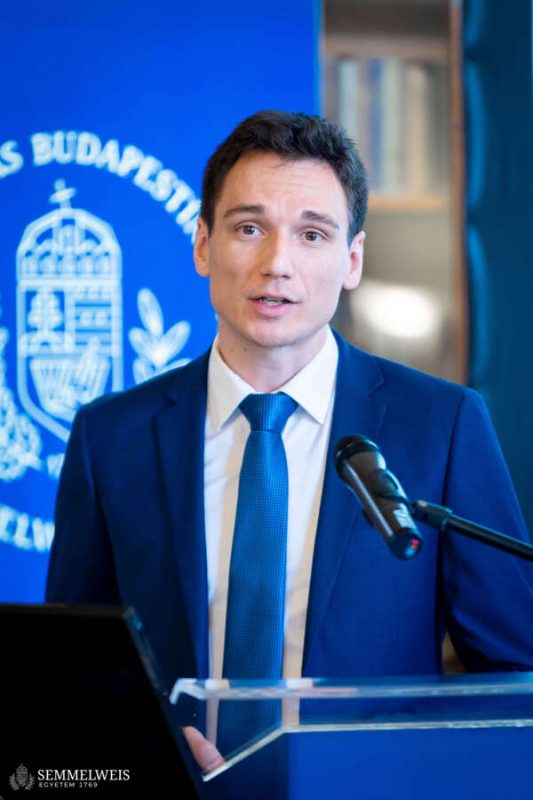 The work of Dr. Gergő Merkely, Dr. Nóra Sydó, Dr. Emese Csulak, and Attila Schulc from the Városmajor Heart and Vascular Center was presented by Attila Schulc in the absence of group leader Dr. Gergő Merkely. The result of their research is an innovative, personalized athlete monitoring system that can be used in real-world settings, integrating markerless motion capture (marker being a sensor attached to clothing), physiological biomarkers, and performance metrics from training sessions and matches. The aim of the system is to be able to interpret and display the physical condition, biomechanical characteristics, and risk factors of athletes in real time and in the long term through digital avatars (digital twins). One of the key elements of the development is markerless motion analysis, which reconstructs the movements of athletes based on multi-camera video input. This is complemented by a wide range of physiological data. The system is capable of manually or automatically identifying movement patterns (e.g. inward knee tilt, asymmetric load) and game situations (e.g. change of direction, collision) that pose a high risk of injury, and then it provides personalized feedback based on these.
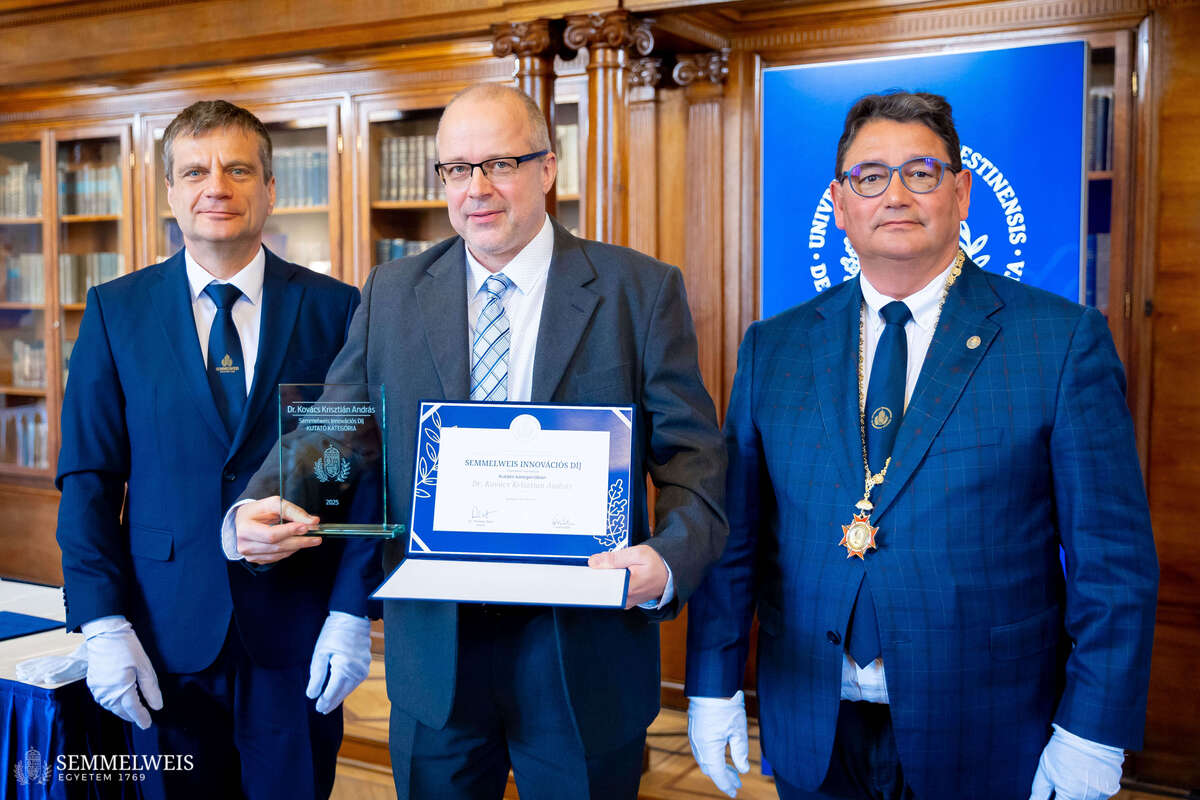
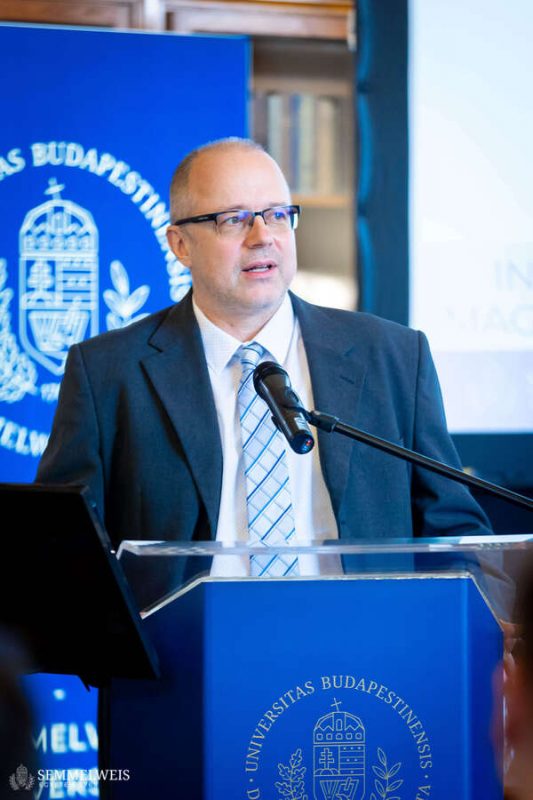 The other winner in the Most Innovative Research Work category, Dr. Krisztián András Kovács, Scientific Advisor at the Institute of Clinical Pathophysiology, discussed the idea behind his research in his presentation entitled “Targeting therapeutic molecules in the retina with natural light to treat neovascular retinopathies.” Speaking about neovascular retinopathies, he said that age-related macular degeneration and diabetic retinopathy led to unwanted blood vessel growth in the retina, which was a serious social problem due to the large number of people affected: More than 100 million patients worldwide suffer from diabetic retinopathy and more than 200 million from age-related macular degeneration. The condition is currently treated with biotechnological preparations injected into the eyeball. According to his research team’s vision, oral medication could prevent the formation of new blood vessels, thus eliminating the need for injections into the eyeball.
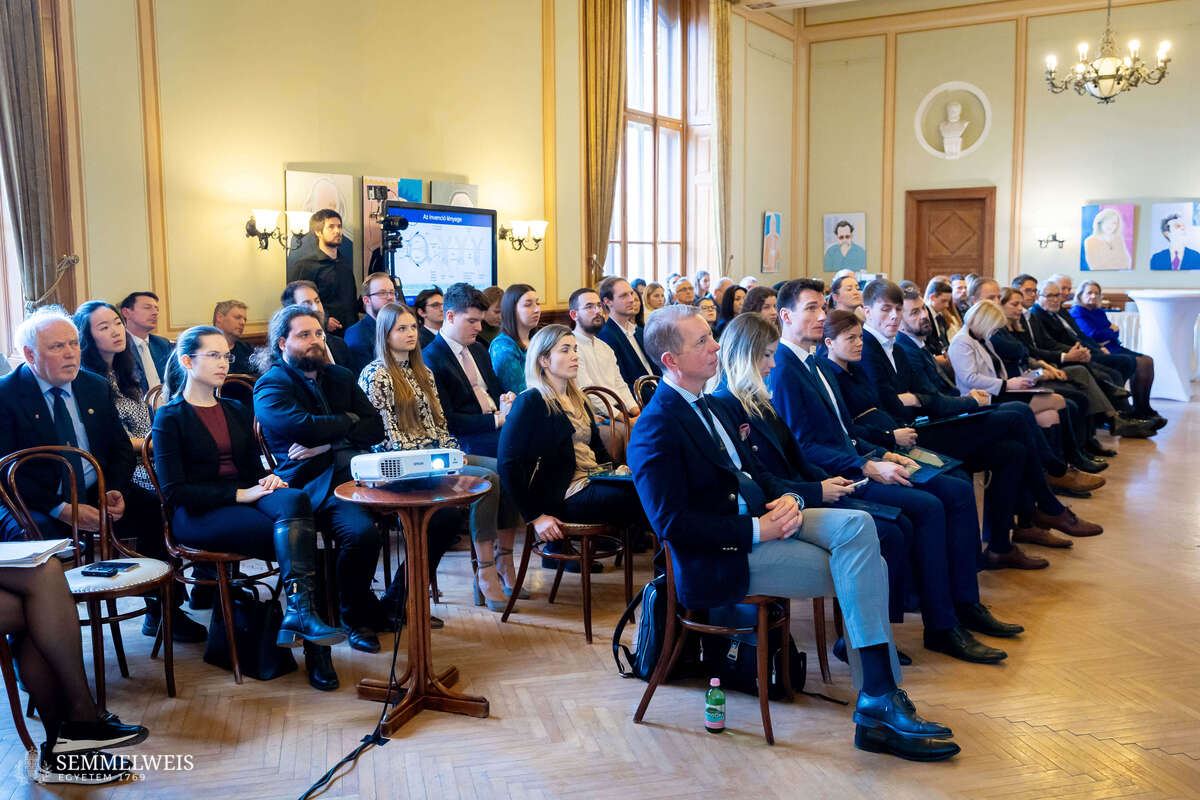
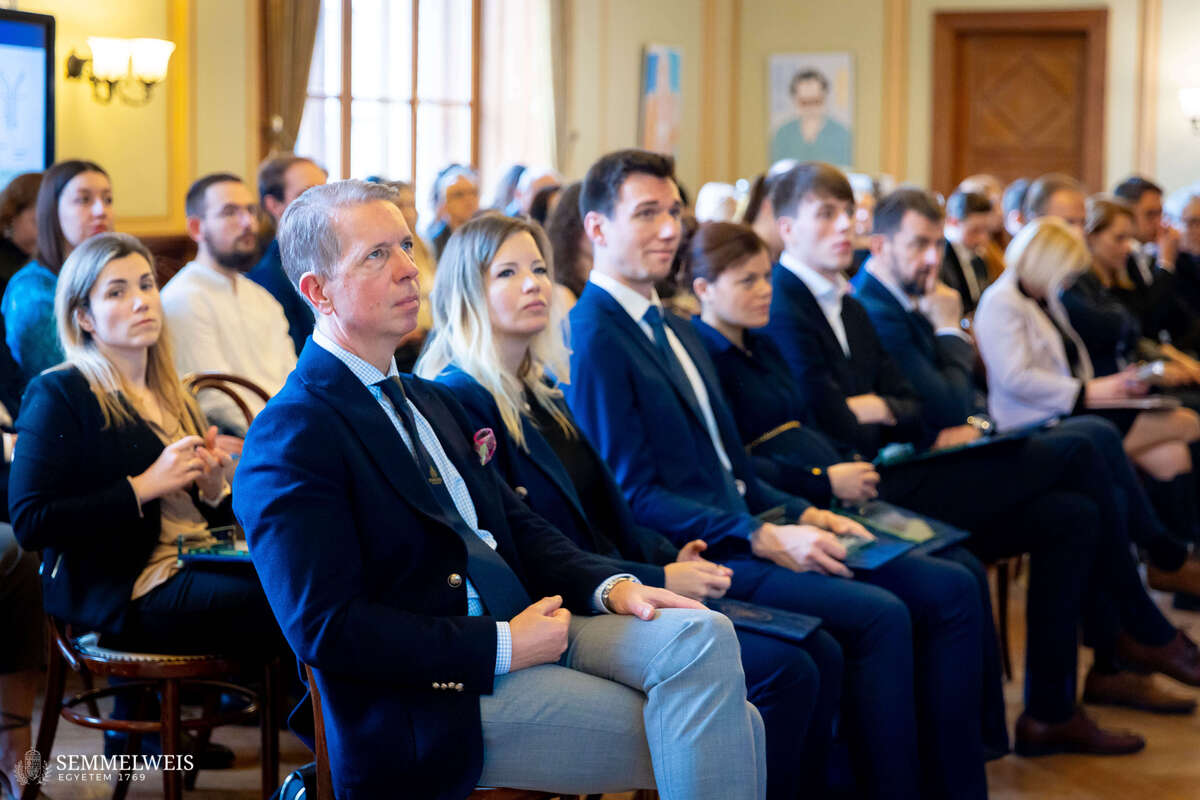
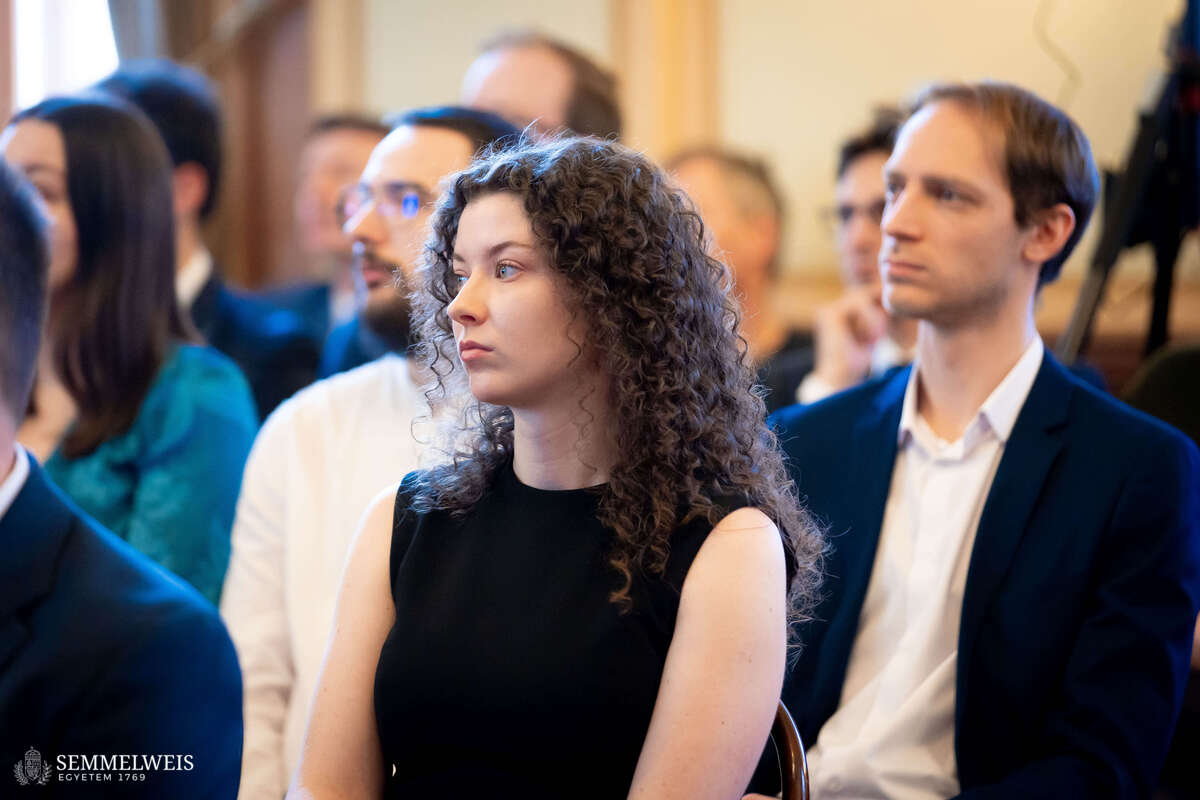
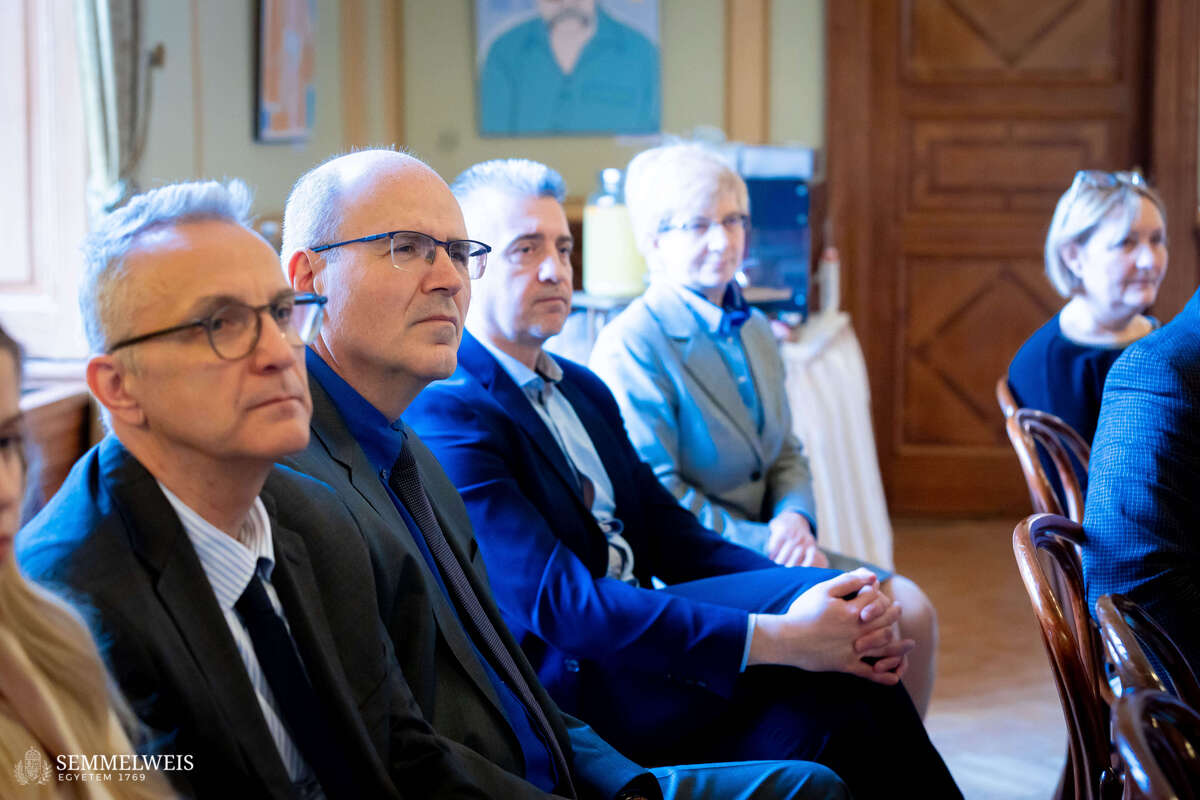
The Best Poster Awards of the 2025 Semmelweis Symposium were then presented at the ceremony, with a total of 32 young researchers receiving recognition.
Gallery
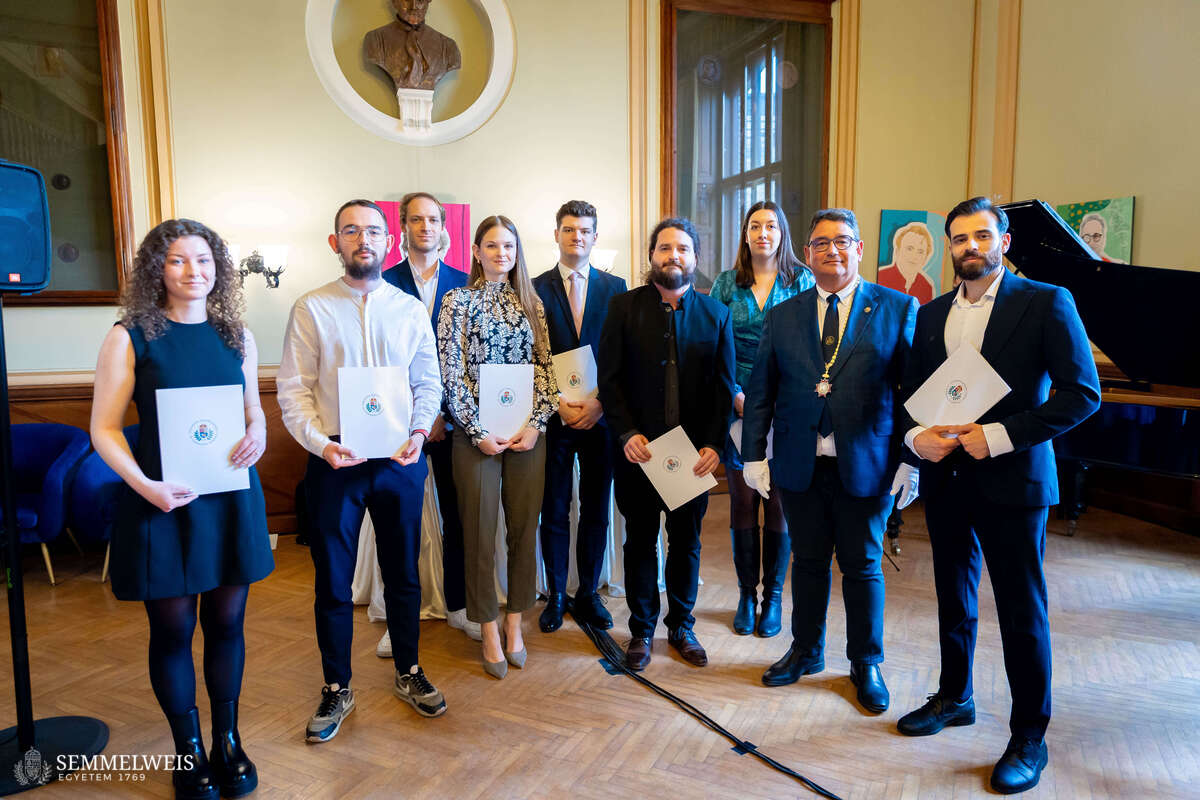
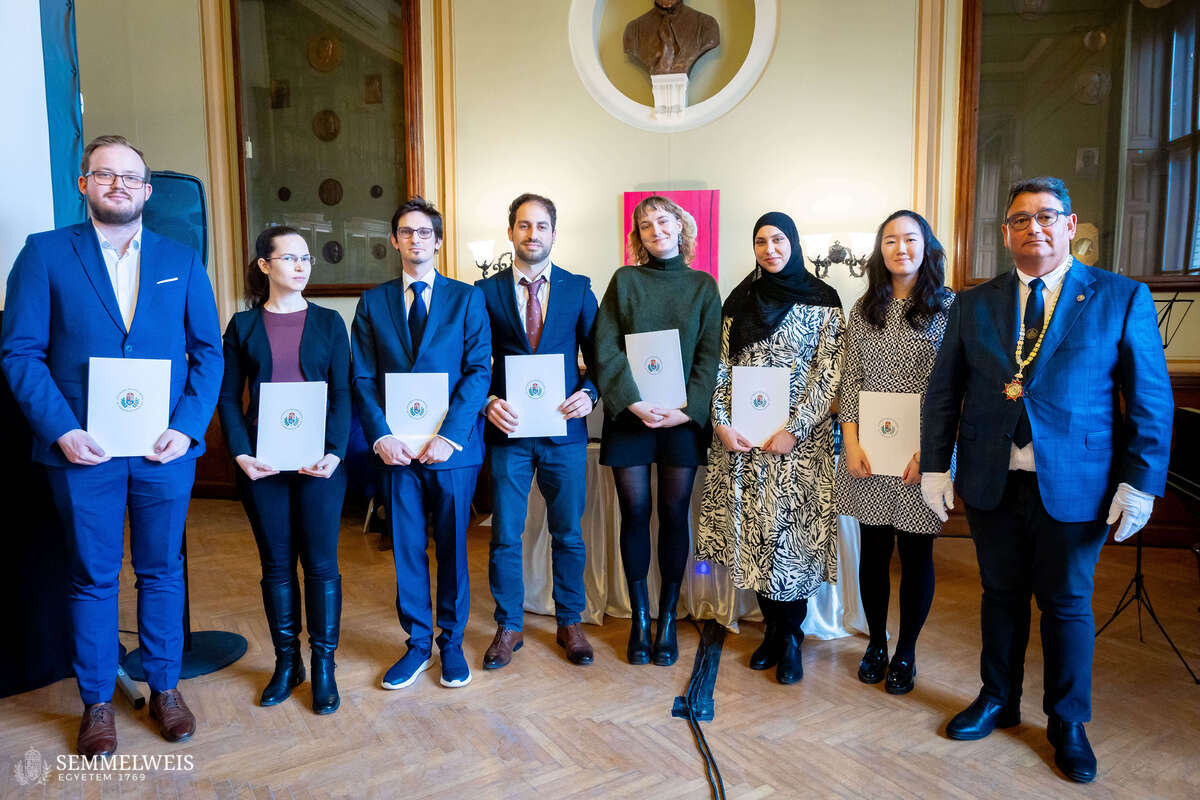
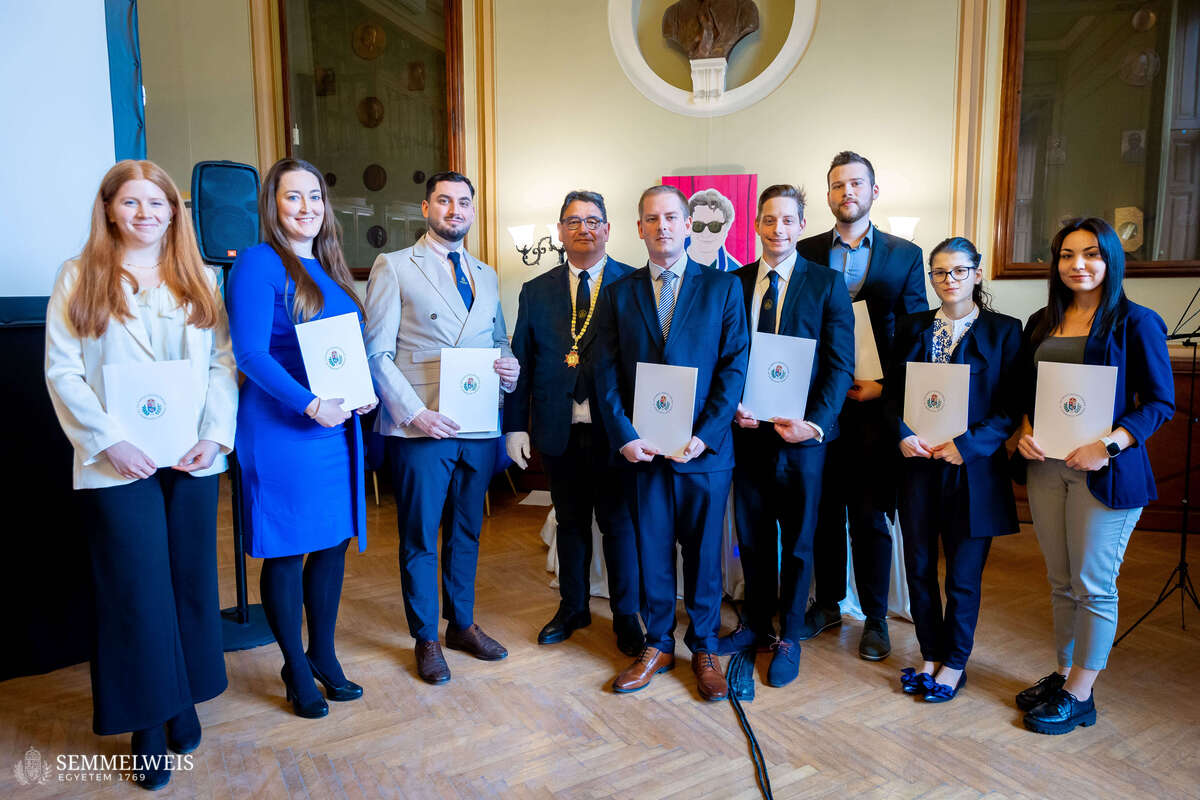

- Viola Angyal
- Dr. Arnold Marchis
- Dr. Dorottya Balla
- Dr. Haoran Ke
- Attila Imre
- Dr. György Árpád Keskeny
- Dr. Tamás Láng
- Dr. Krisztina Molnár
- Dr. Dávid Nagy
- Dr. Zsófia Sándor
- Márta Szabó
- Dr. Artúr Tóth
- Dávid Csőke
- Dr. Gábor Filipszki
- Hanga Kállay
- Dr. Karolina Kolodziejska
- Dr. Tamás Kovács
- Dr. Dávid Laczkó
- Lior Yehouda Fitoussi
- Dr. Dániel Maráczi
- Dr. Saoussen Naas
- Christopher Váraljai
- Dr. Xinyi Qian
- Dr. Réka Antal
- Dr. Ayham Alhaddad
- Dr. Fanni Bolya-Orosz
- Dr. Márk Havasi
- Zsombor Hegedűs
- Dr. Mátka Nagy
- Dr. János Domonkos Stubnya
- Dr. Lilla Szécsi
- Martin Várhegyi
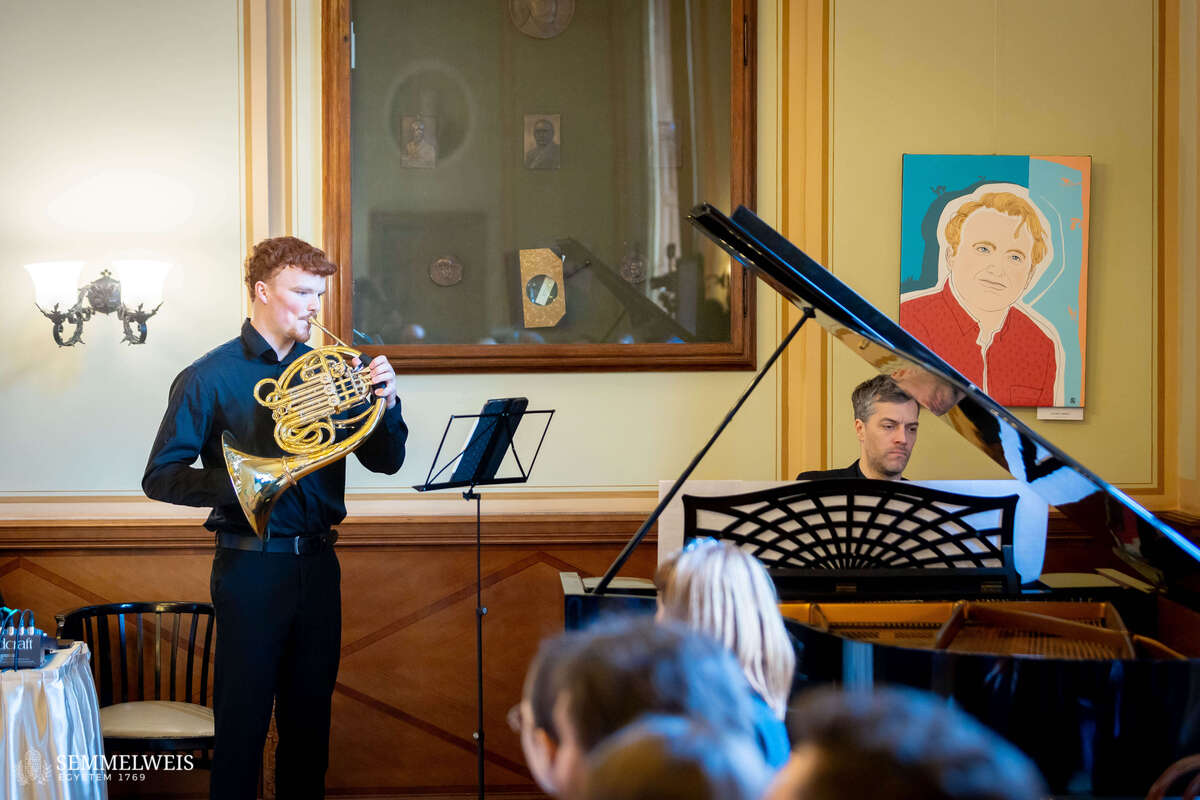
The event closed with a performance by the Medic Orchestra.
Eszter Keresztes, Anita Szepesi
Translation: Dr. Balázs Csizmadia
Photos by Boglárka Zellei – Semmelweis University