1. Bone health requires just as much attention as the rest of our body; don’t assume that osteoporosis is an inevitable part of aging.
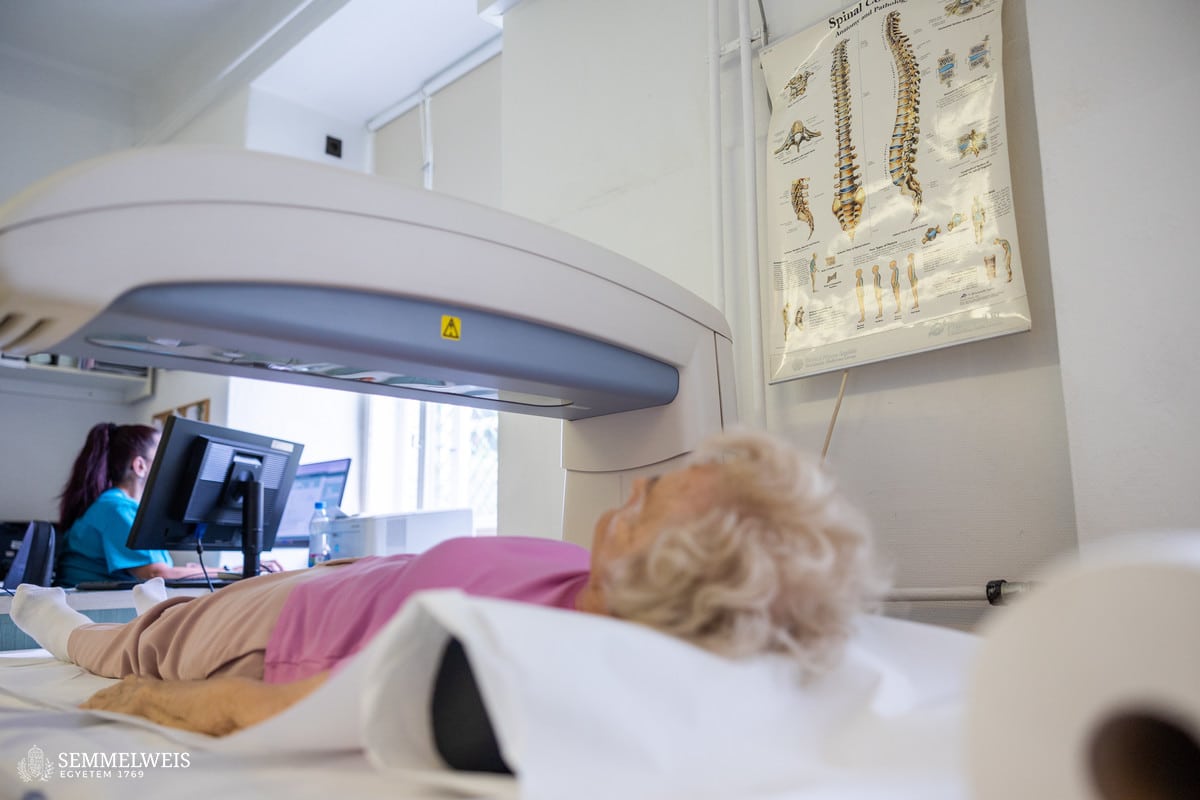
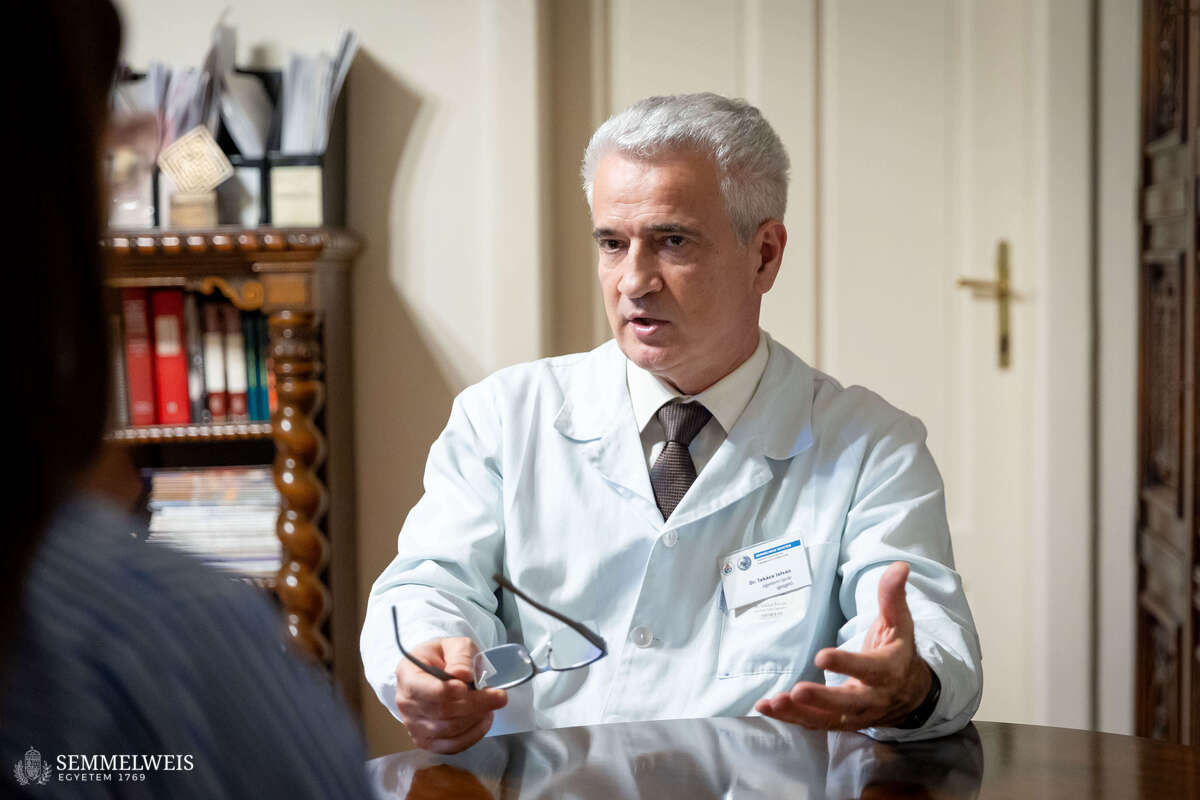 Osteoporosis may affect approximately 700,000 to 800,000 people in Hungary, yet it is generally considered a ‘silent epidemic’ because it remains asymptomatic for a long time, Dr. István Takács explains. It is a severely underdiagnosed disease, with only about 100,000 affected individuals receiving treatment. As the professor emphasizes, while it is a common misconception that osteoporosis is a natural part of life, in fact it is not: There are elderly people who retain a healthy bone mass, and younger people can also be affected by severe forms of the disease. Age-related bone loss can be prevented, and the condition itself can be treated; what is more, with appropriate therapy, it can be significantly improved within 4-5 years. For the health of our bones, prevention is just as important as it is for any other organ system. Bone density measurement (DEXA scan) is primarily recommended as a screening test for women over 55 and men over 70. In younger individuals, it is advisable if risk factors for osteoporosis are present, such as early menopause, low body weight, a prior bone fracture, or long-term steroid treatment.
What should you know about osteoporosis?
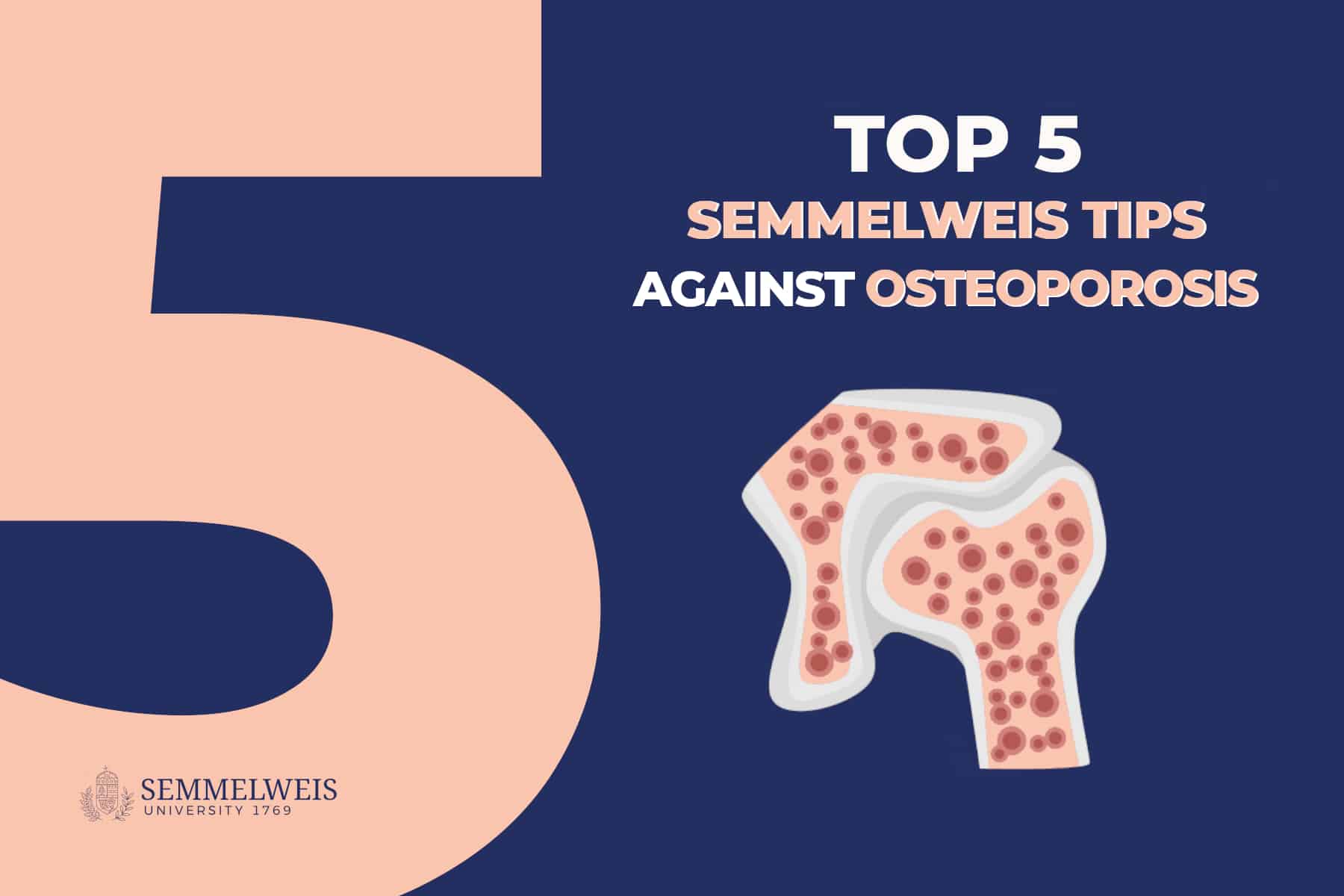
In osteoporosis, bone volume does not change, but the amount of bone mass within it decreases. The bone structure is transformed, becoming increasingly porous, and its load-bearing capacity deteriorates, thereby raising the risk of fractures. Osteoporosis develops slowly and causes no symptoms for a long time. It is often only discovered when bone loss has reached a point where the bone cannot even withstand everyday stress – such as lifting, a minor fall, or simply bending forward – and breaks. Bone resilience is primarily determined by bone density and its internal structure.
2. Working on achieving peak bone mass needs to start in childhood, but bone quality can also be improved later in life.
So-called peak bone mass – that is, the highest bone mass achieved during a person’s lifetime – determines when and to what extent their bones will become fragile later in life. Approximately 60 percent of bone mass is formed during puberty, and the human body reaches its peak around the age of 25. After that, a slow decline begins, which can be influenced by a proper lifestyle and nutrition, notes Dr. István Takács, who stresses that bone is a living organ that constantly reacts to the body’s condition, so it is never too late to intervene. Peak bone mass is partly genetically determined, so there are people with stronger and lighter bone structures; the latter have a higher risk of potential fractures and subsequent osteoporosis. Maximizing bone mass is aided by adequate calcium intake (an average of 1,000 mg daily, or 1,200 mg for the elderly and pregnant women); regular, weight-bearing exercise (against gravity), such as jogging, Nordic walking, weight training, walking, and dancing; adequate vitamin D intake; and avoiding phosphate-containing soft drinks, smoking, and excessive alcohol consumption. Calcium intake can primarily be ensured through dairy products, including cheese, but leaf vegetables, nuts and seeds, and bony fish are also good sources; if necessary – if we cannot obtain sufficient calcium through our diet – taking supplements may also be considered.

3. Vitamin D supplementation is crucial; everyone should take it from fall through spring.
Severe vitamin D deficiency is found in more than 90 percent of hip fracture patients, says the director. This deficiency can cause not only bone loss but also osteomalacia, which impairs bone quality, points out Dr. István Takács. Vitamin D plays a key role in regulating the body’s calcium balance: It promotes the proper absorption and utilization of calcium, thereby contributing to the maintenance of normal blood calcium levels. As a result, it helps preserve healthy bones, teeth, as well as muscle function, and it also plays a role in the proper functioning of the immune system. Beyond the peak bone mass mentioned before, adequate vitamin D intake is important for bone health at every age, Dr. István Takács underlines. Due to Hungary’s climatic conditions, vitamin D production from sunlight is significantly limited from October through March. Therefore, supplementation is necessary, the recommended daily dose for adults being approximately 2,000 IU (international units).
How should vitamin D be dosed?
Vitamin D has a half-life of 19-21 days, so you can take up to a month’s supply at once: for example, 14,000 IU weekly or 60,000 IU monthly. It is often referred to as “fat-soluble” because it is distributed throughout the body; therefore, a slightly higher dose is recommended for individuals of larger body size.
4. Lack of exercise, menopause, and low body weight pose increased risks, so those affected should pay even more attention to prevention.
The rate of bone loss is closely linked to lifestyle, emphasizes Dr. István Takács. If someone does not exercise regularly, bone mass loss accelerates. A clear example of this is that in patients confined to bed, bone loss becomes measurable very quickly. The regular exercise against gravity mentioned before has been proven to stimulate bone formation, while prolonged lack of exercise accelerates bone loss. However, bone health is influenced not only by the level of activity but also by gender and hormonal status. In women, the rate of bone loss can suddenly accelerate during perimenopause and after menopause due to a decrease in estrogen levels, so during this stage of life, it is particularly important to ensure adequate vitamin D intake, engage in exercises that improve muscle strength and balance (such as weight training or targeted exercises), and avoid drastic weight-loss diets. In fact, low body weight as such increases the risk of bone fractures. In men, osteoporosis generally develops later in life, but it often goes unnoticed and is in many cases not recognized until after the first fracture. The gradual decline in testosterone levels that comes with age can also contribute to a decrease in bone mass. In their case, adequate protein intake, maintaining muscle mass, and avoiding excessive alcohol consumption play a particularly important role in prevention. Body weight is a key factor for both sexes: Being underweight reduces bone mineral content, while significant, rapid weight reduction can accelerate bone loss through hormonal changes.

5. A bone fracture is a warning sign; it increases the risk of subsequent fractures many times, so it requires heightened attention.
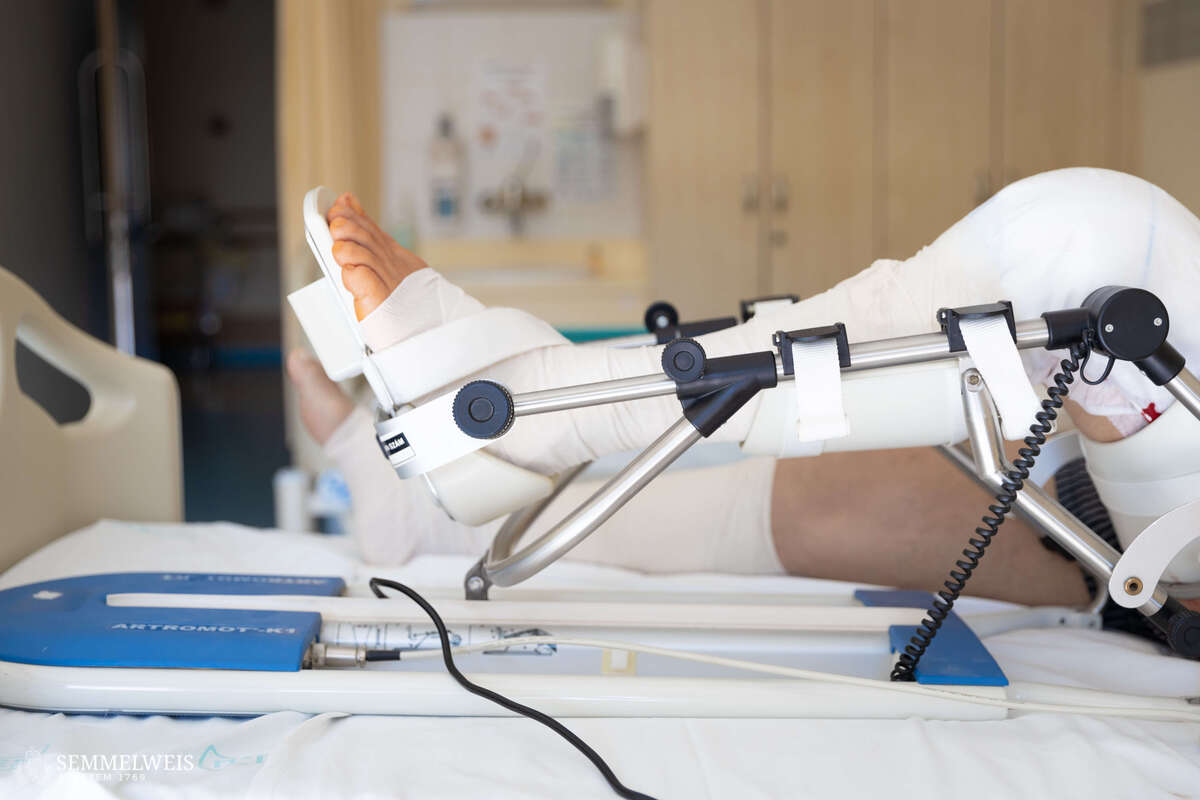
The first bone fracture is not the “end” of the disease, but a precursor to the next fracture: After a wrist fracture, the risk of a vertebral or hip fracture increases two- to threefold; after a hip fracture, the chance of another one rises three- to fourfold without treatment, says Dr. István Takács. The goal of preventive therapy following a bone fracture is to reduce the risk of a subsequent fracture, which consists of a combination of lifestyle factors and medication. As a basic treatment, ensuring adequate calcium and vitamin D intake – as mentioned earlier – is recommended for all patients, as well as exercise therapy to reduce the risk of falls (e.g., muscle strengthening, balance training). If necessary, the use of specific medication for osteoporosis can be initiated, most commonly by applying agents that inhibit bone resorption (e.g., bisphosphonates, denosumab). In more severe cases, bone-building (anabolic) therapies are also available, which have been proven to significantly reduce the risk of new vertebral and hip fractures.
Drug therapy: the benefits far outweigh the potential risks
There are two main classes of medications: bone resorption inhibitors and bone-forming agents. When used in the proper sequence, significant improvement can be achieved in many patients within a four-to-five-year treatment cycle; in a significant proportion of patients, substantial improvement or even recovery is possible within a treatment cycle of up to ten years. While the public is aware of many alarming side effects associated with these medications, such as osteonecrosis of the jaw, experts maintain that the benefits of regular use far outweigh the disadvantages caused by potential side effects.
Eszter Keresztes
Translation: Dr. Balázs Csizmadia
Photos and illustrations by Bálint Barta, Boglárka Zellei – Semmelweis University