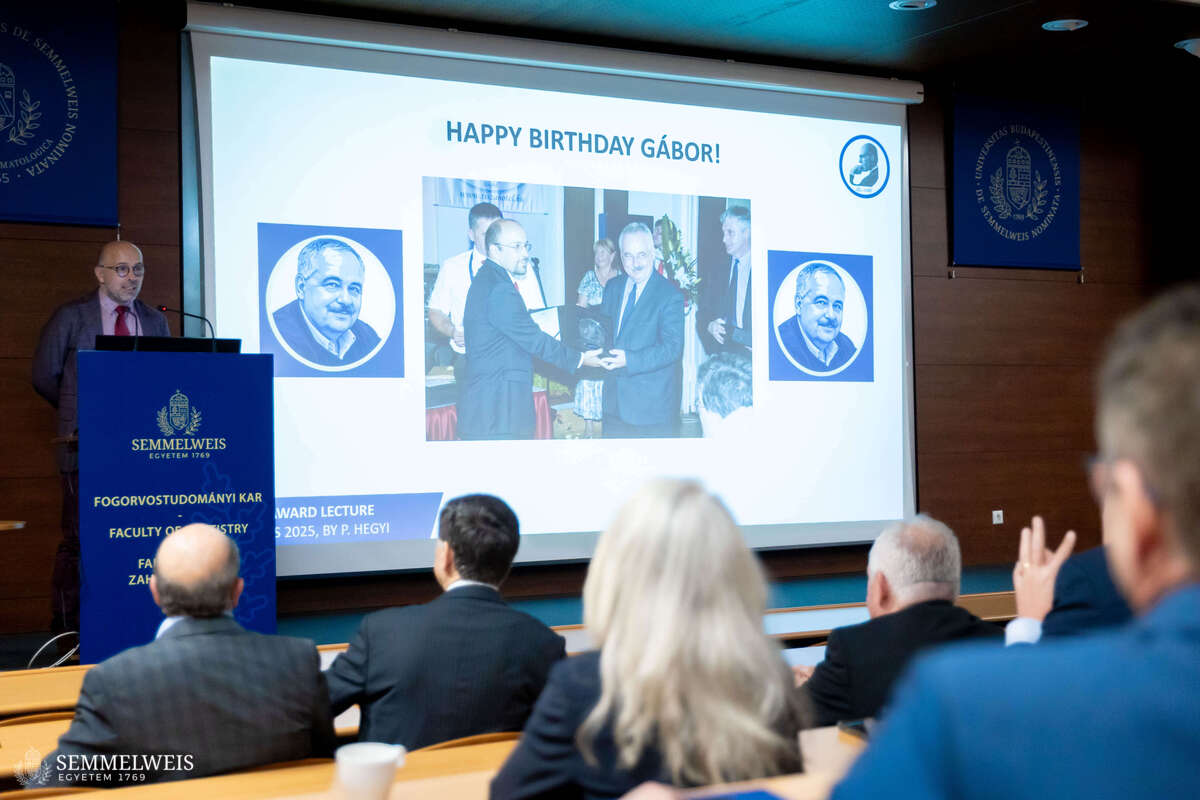
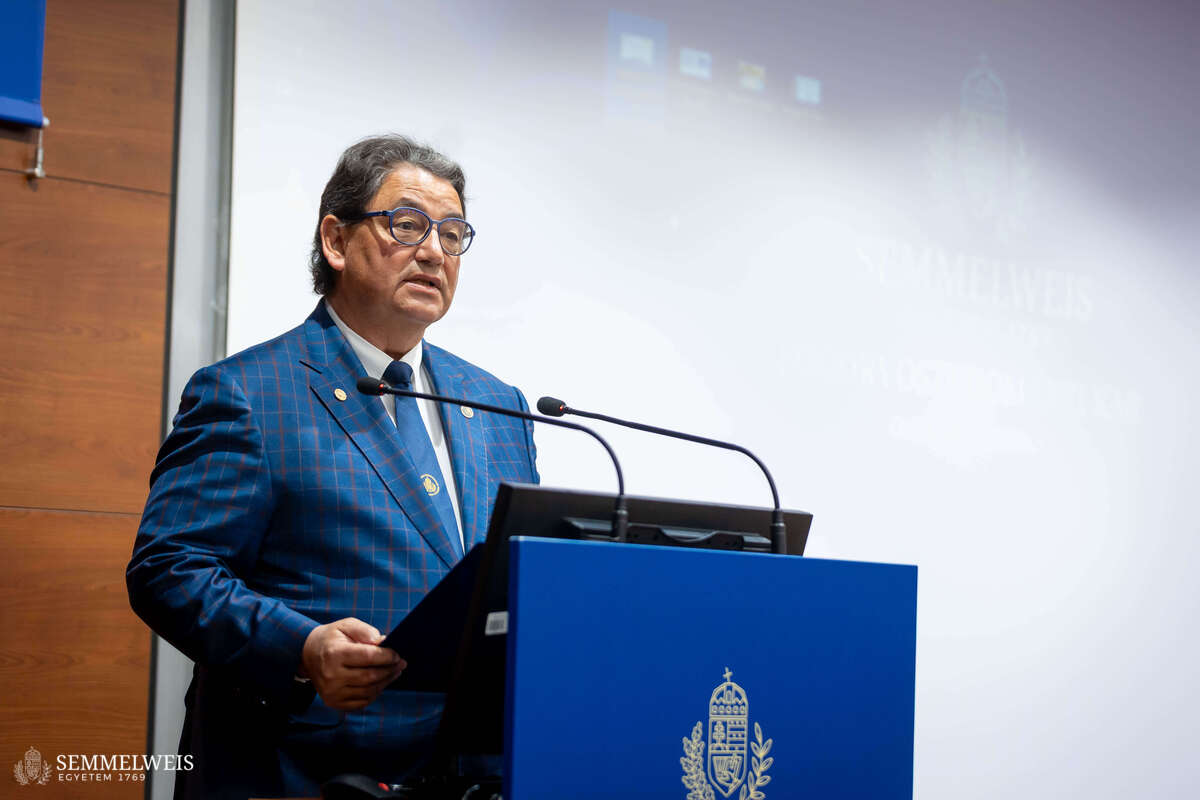
“Generation after generation, our university has produced great figures who not only preserve but also enrich the values passed down to us by our great predecessors; they continue to write the history of our institution with their innovative approach and decades of work that build a lasting legacy. Their work provides a solid foundation on which future successes can be built. Professor Varga is precisely such a person,” said Rector Dr. Béla Merkely in his welcome address. In his words, Dr. Gábor Varga has had and continues to have an extraordinary impact on Semmelweis University as a researcher and educator. He highlighted that Dr. Gábor Varga embraced the principle of “learning by teaching”: That it is through teaching that the true depth and complexity of science became apparent. “This deep humility towards science and his students makes him an excellent teacher and mentor,” the rector added. As he explained, the professor continued to follow the creed that he had embraced since the beginning of his career: striving for the highest possible quality; curiosity; and a deeply human attention to his colleagues and students. “The sessions of today’s symposium present the three areas mentioned before, which only appear distant from each other at first glance, symbolically tracing Professor Varga’s path from basic research to a translational approach,” Dr. Béla Merkely emphasized.
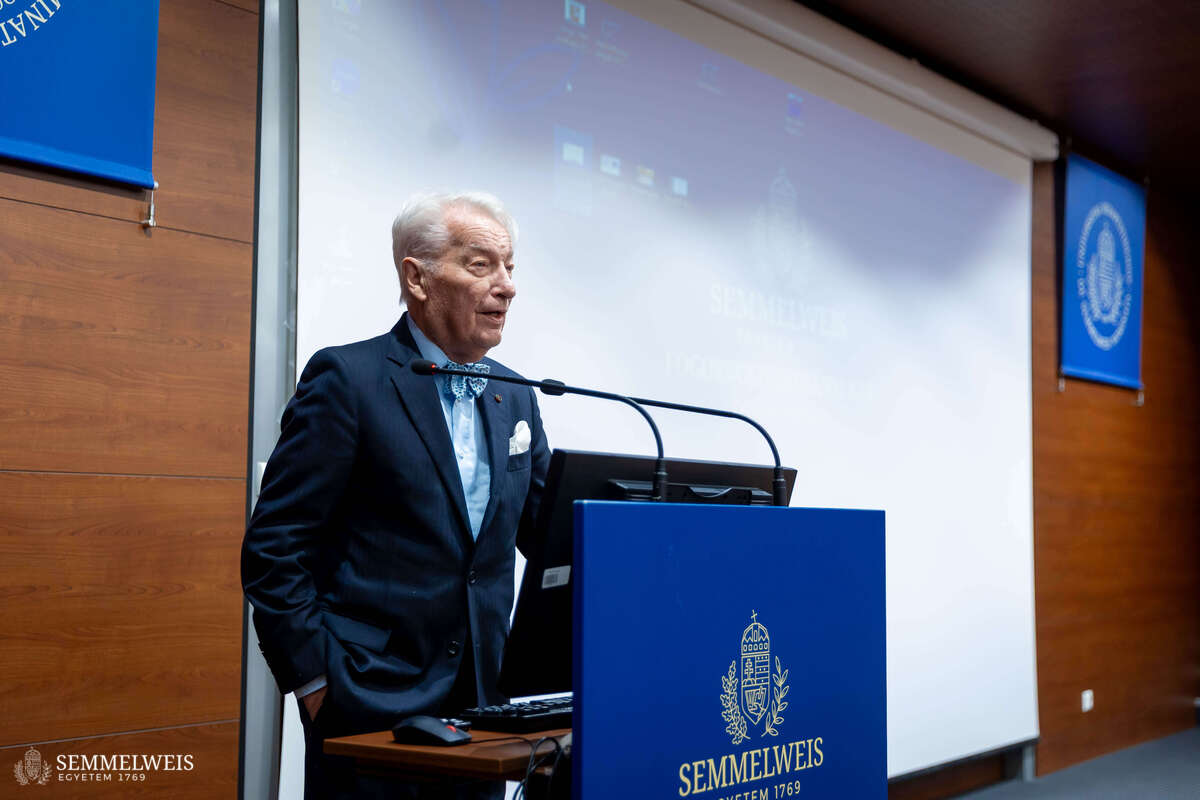
Dr. Szilveszter E. Vizi, Former President of the Hungarian Academy of Sciences (MTA), recalled in his candid speech the nearly two decades of professional collaboration that he as the then director of the MTA Institute of Experimental Medicine had with Dr. Gábor Varga, who was an early-career researcher at the time. He shared memories of their first joint publication in the journals Gastroenterology and the American Journal of Physiology. He spoke appreciatively about Professor Varga’s research, teaching and mentoring activities, as well as his involvement in university life.
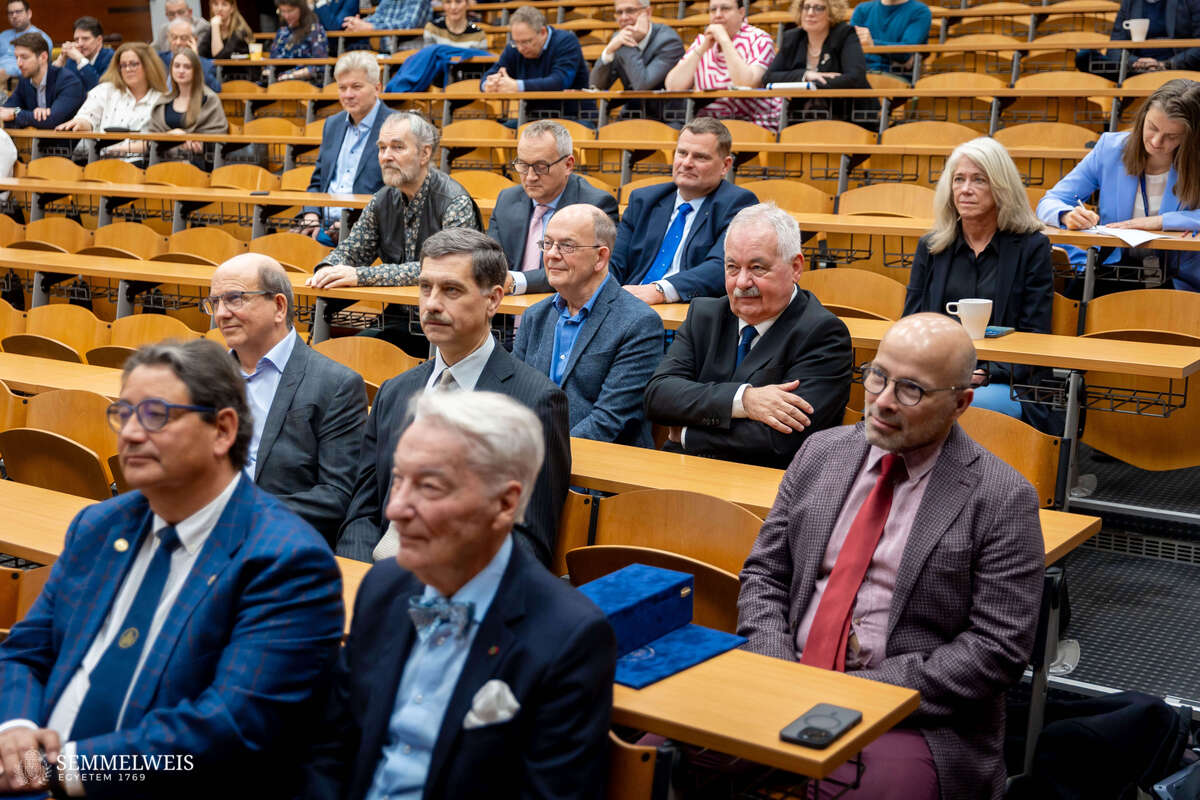
Gallery

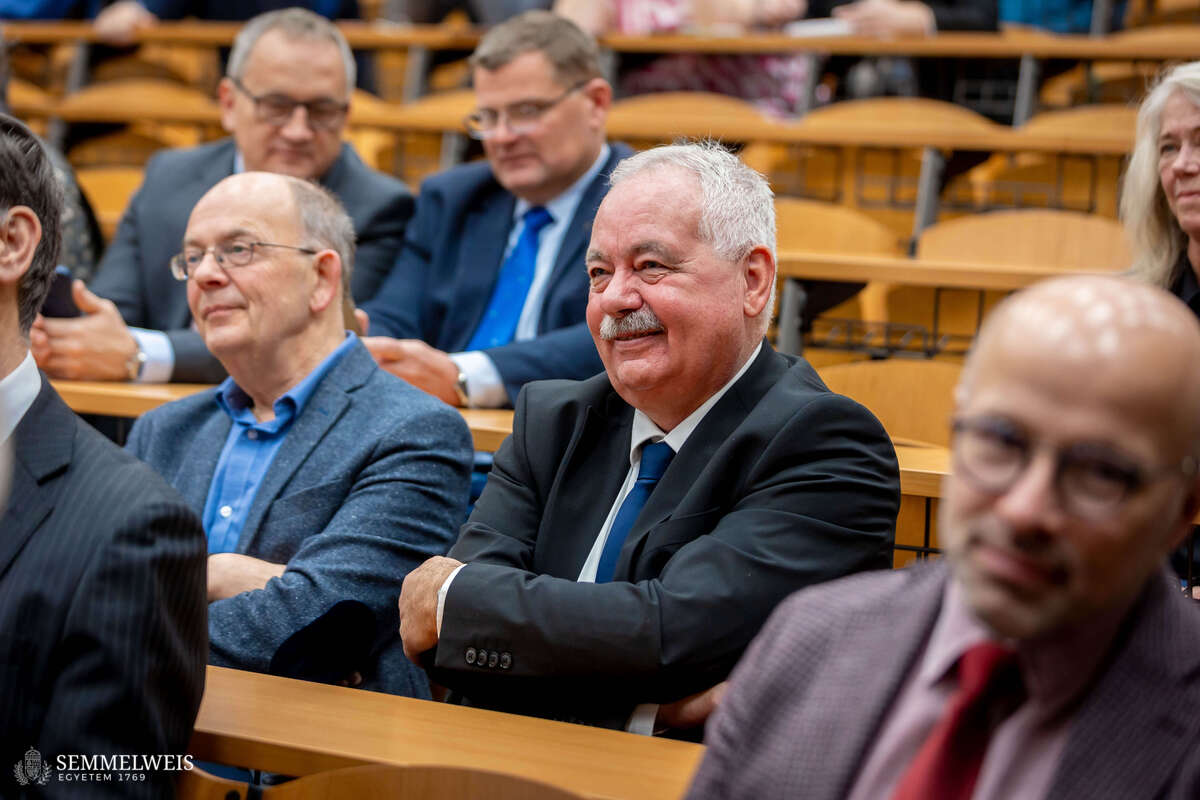
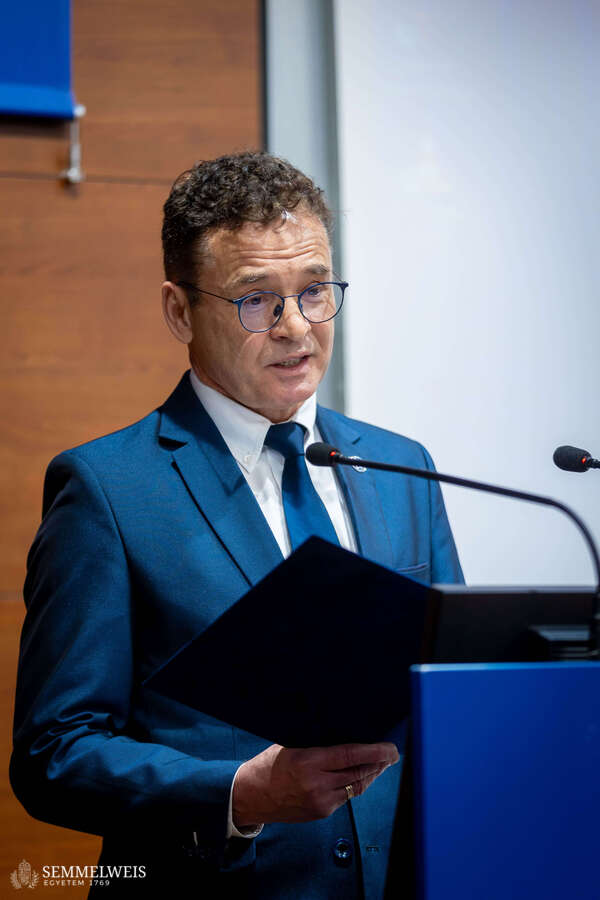

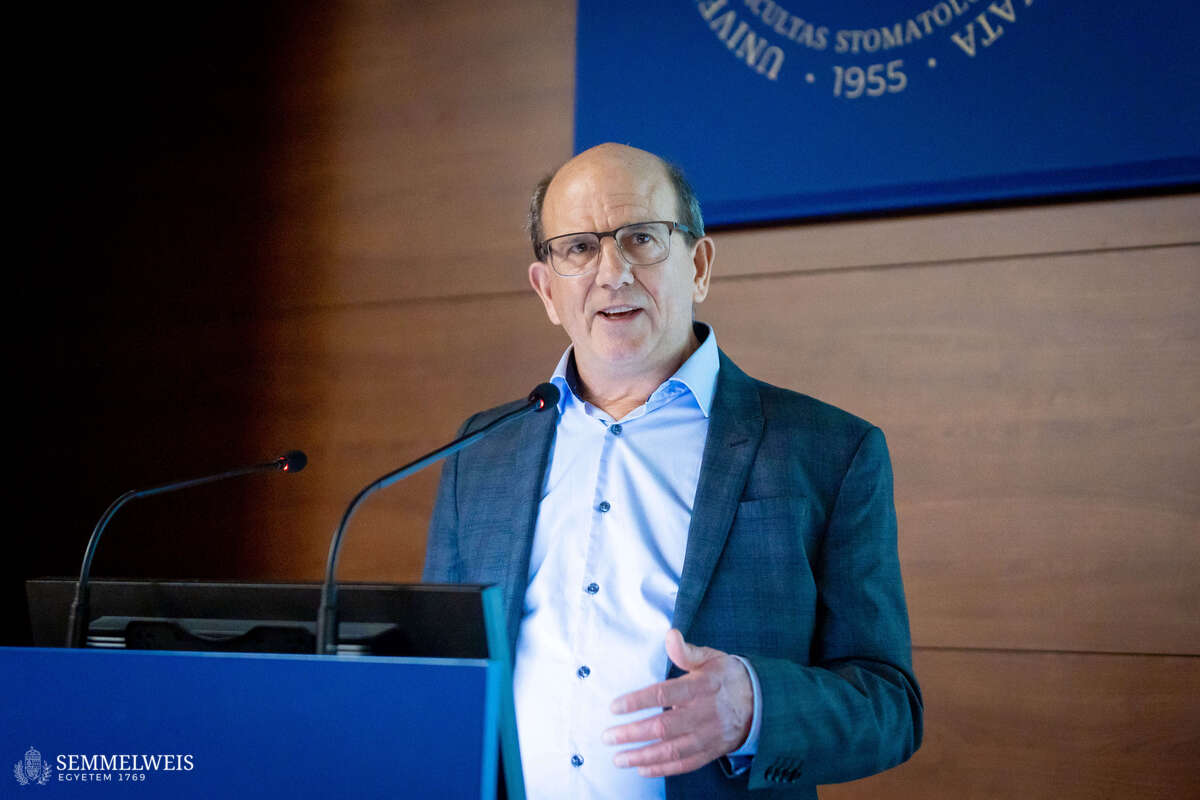
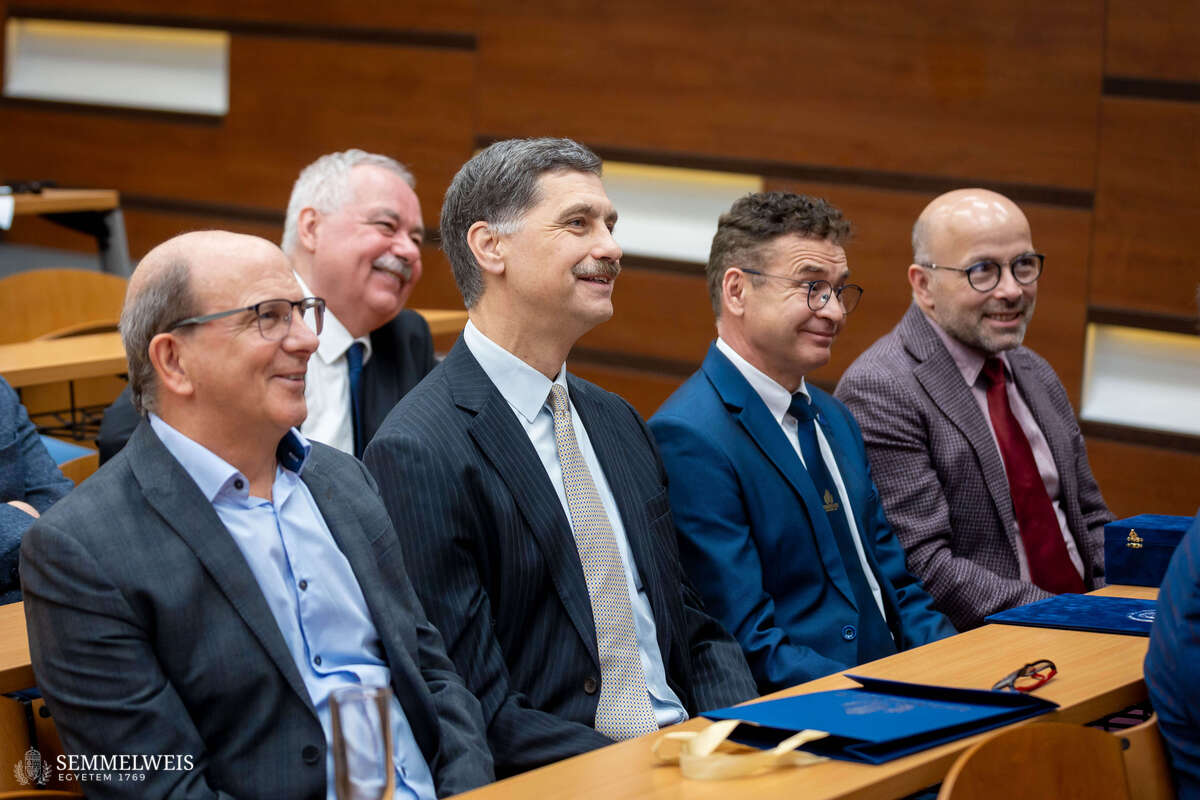
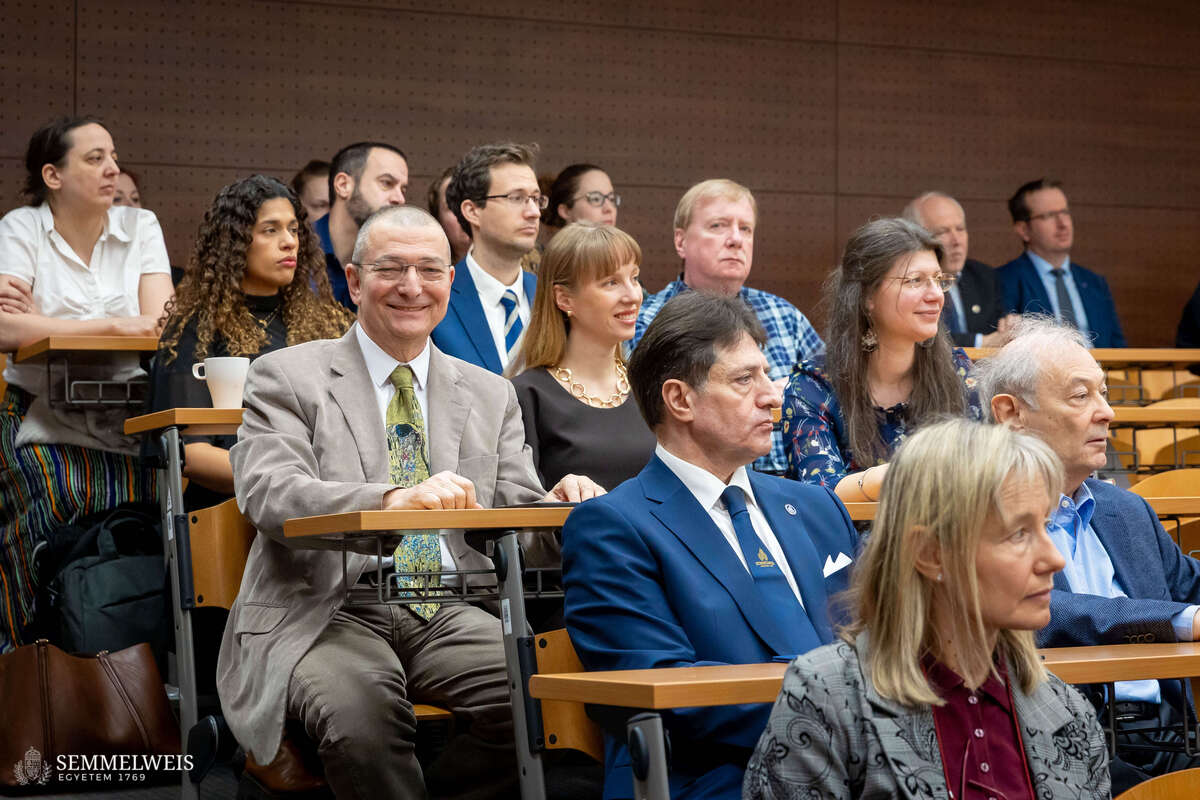
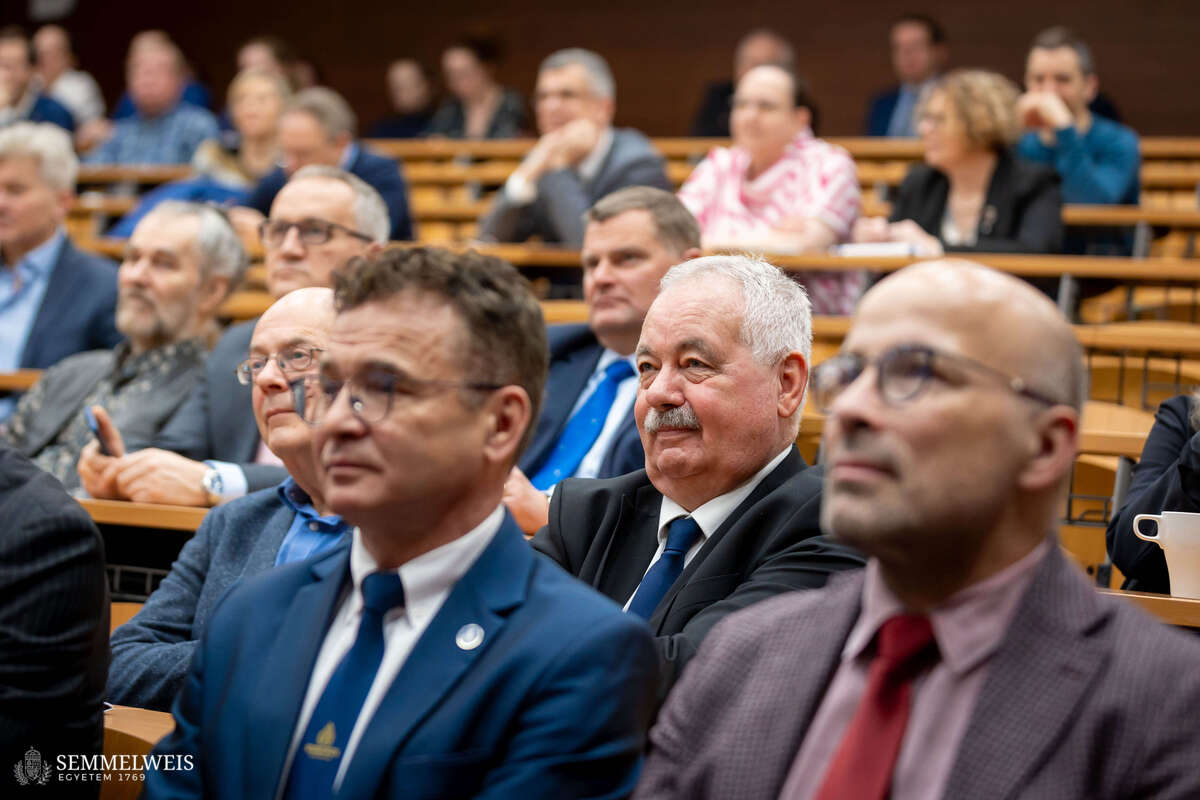
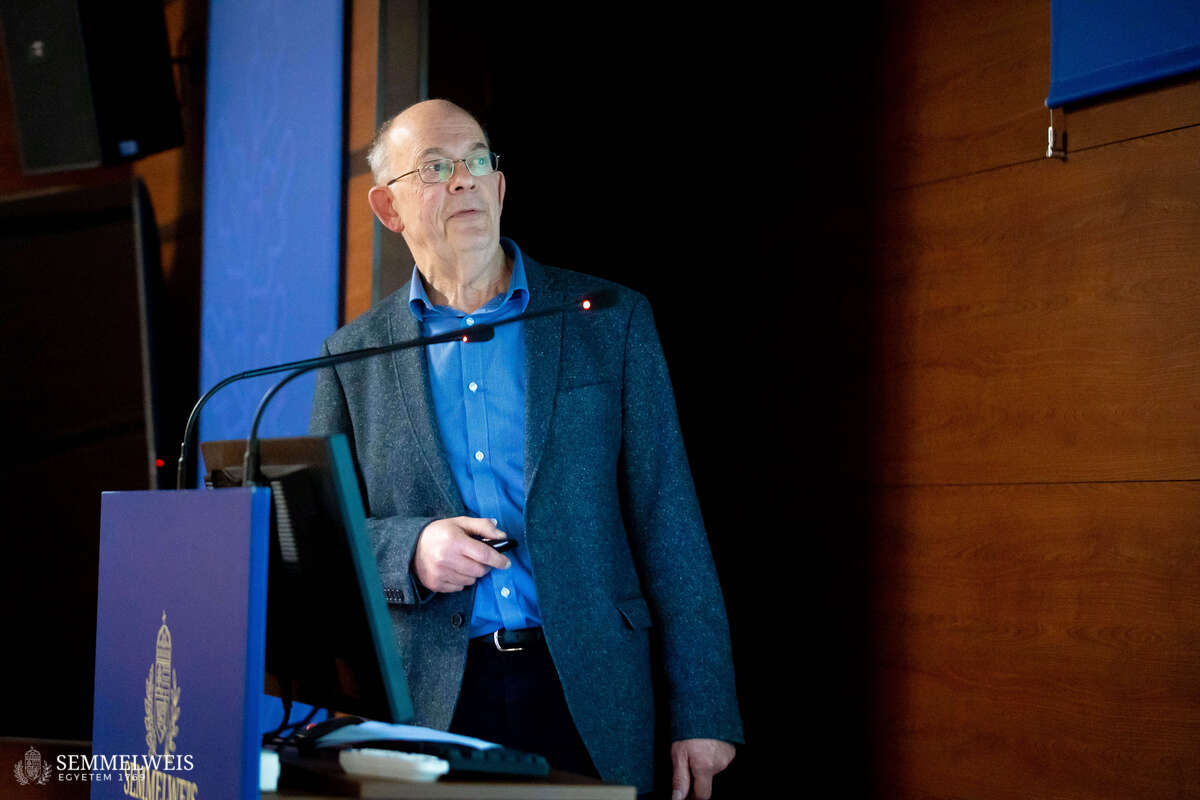
Dr. Gábor Gerber applauded Professor Gábor Varga not only in his capacity as dean of the Faculty of Dentistry (FOK), but also as an old friend. He highlighted that Professor Varga had headed the Department of Oral Biology for nearly two decades. During this time, he not only performed administrative tasks but also set a standard of excellence that elevated the entire institution. As a result, the university now consistently occupies a high position in university rankings for this field. When describing his personality, he praised not only his energy and reliability, but also his commitment to his family, mentioning that he had been married to his wife for 48 years. “In the world of research, we call that a longitudinal study with exceptionally high compliance. Gábor, you have proven that while you can understand the molecular mechanism of the pancreas, enamel formation and stem cells transformation, the most complex biological system is still a happy marriage,” the dean added.
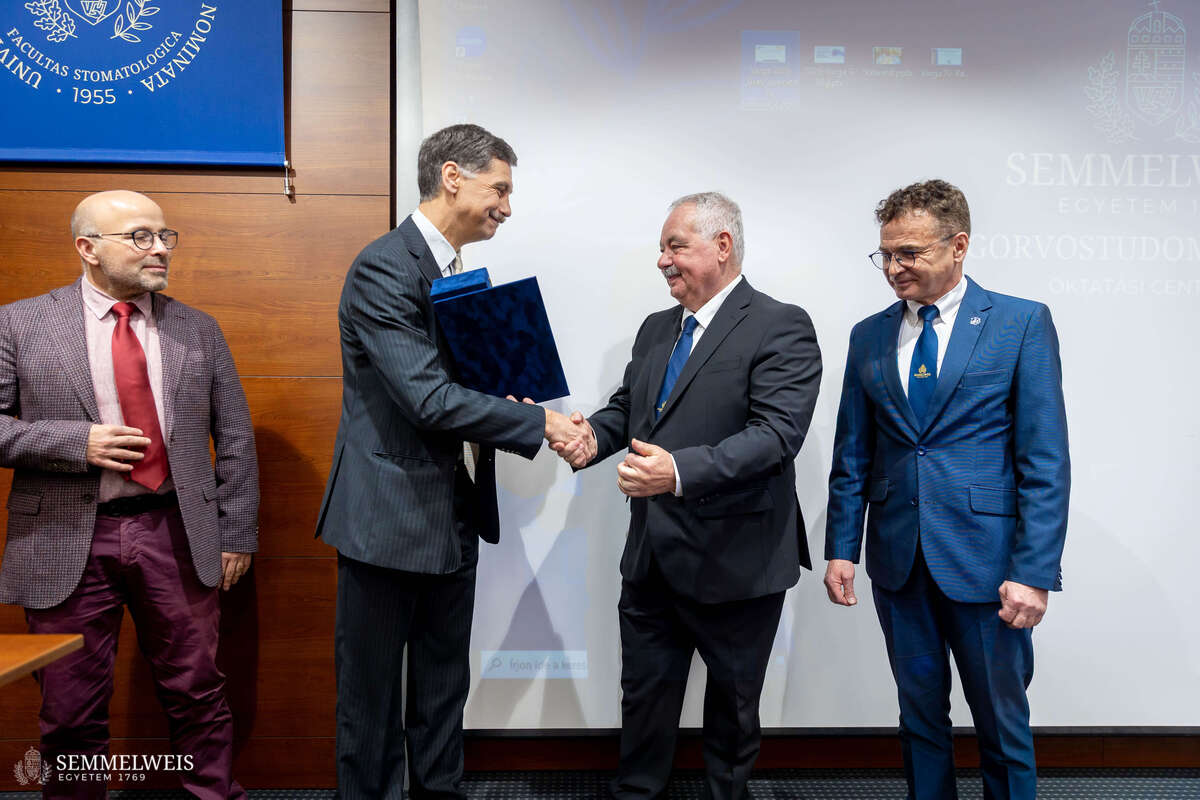
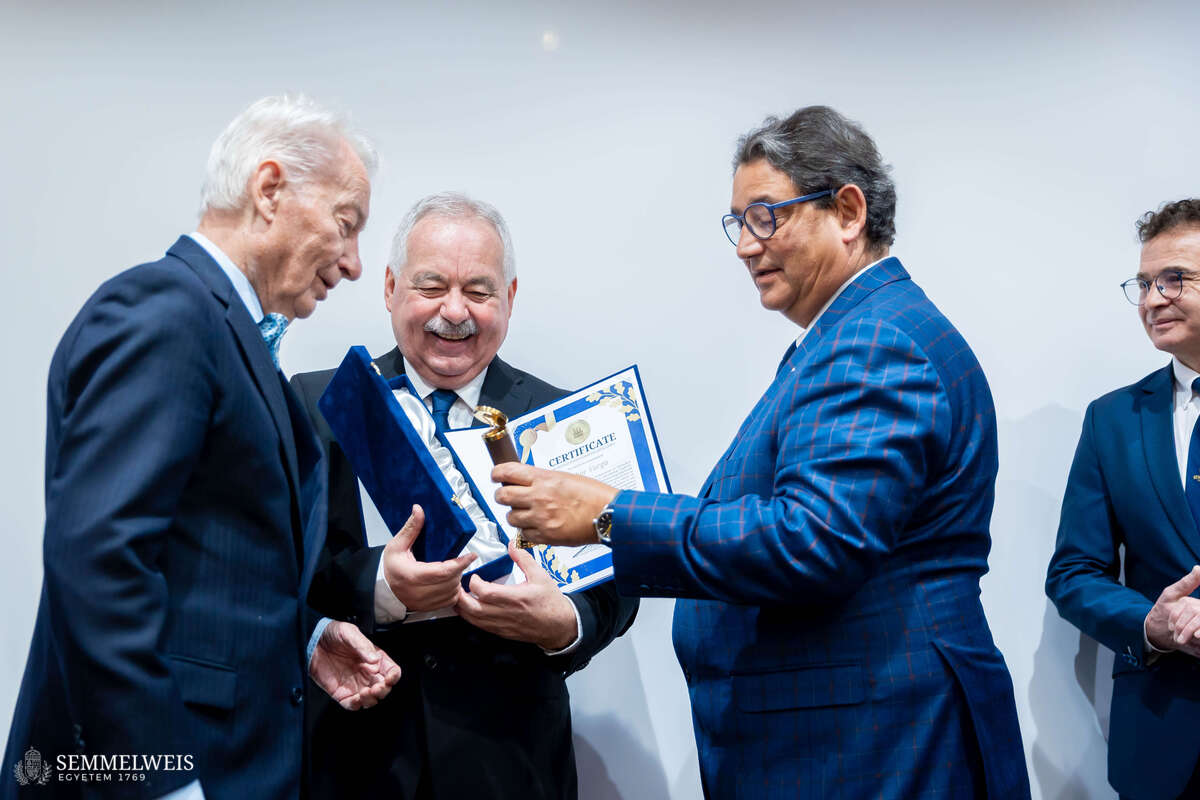
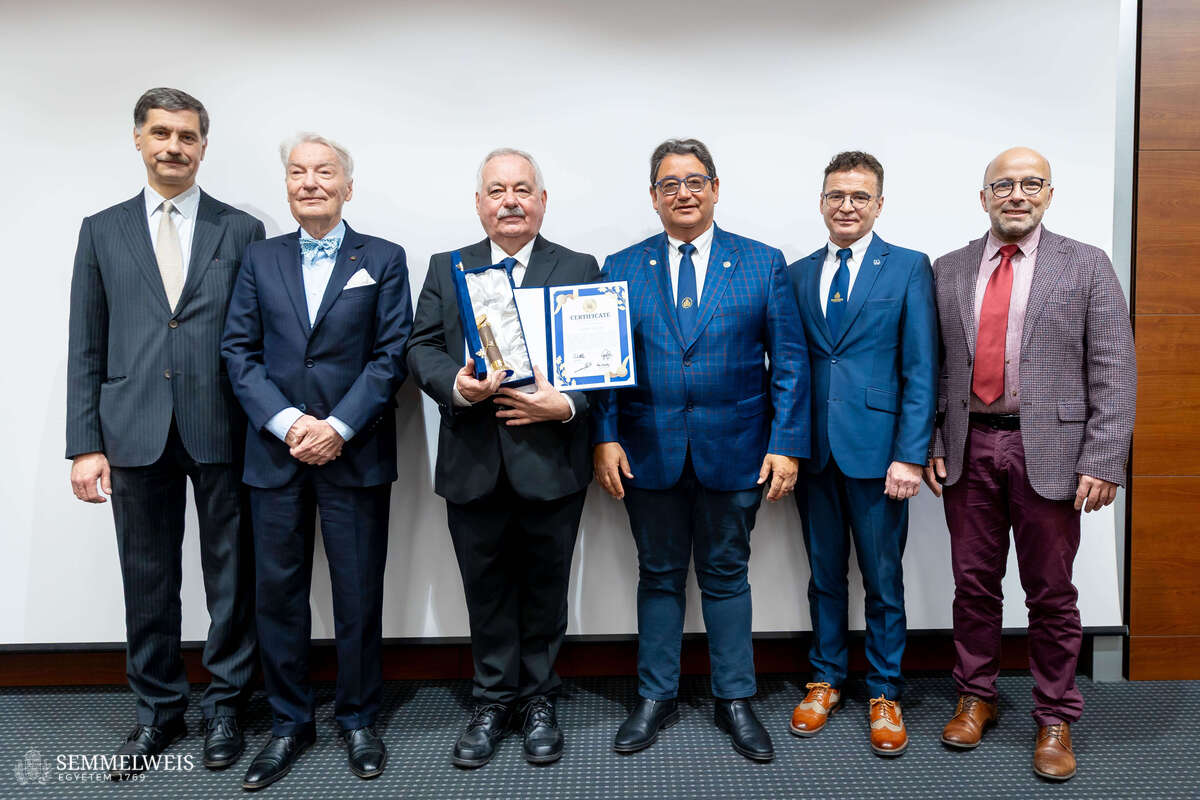
After the festive greetings, Dean Dr. Gábor Gerber, Dr. Péter Hegyi, Director of the Center for Translational Medicine, and Dr. Ákos Zsembery, Head of the Department of Oral Biology, presented Dr. Gábor Varga with a certificate and an honorary award.
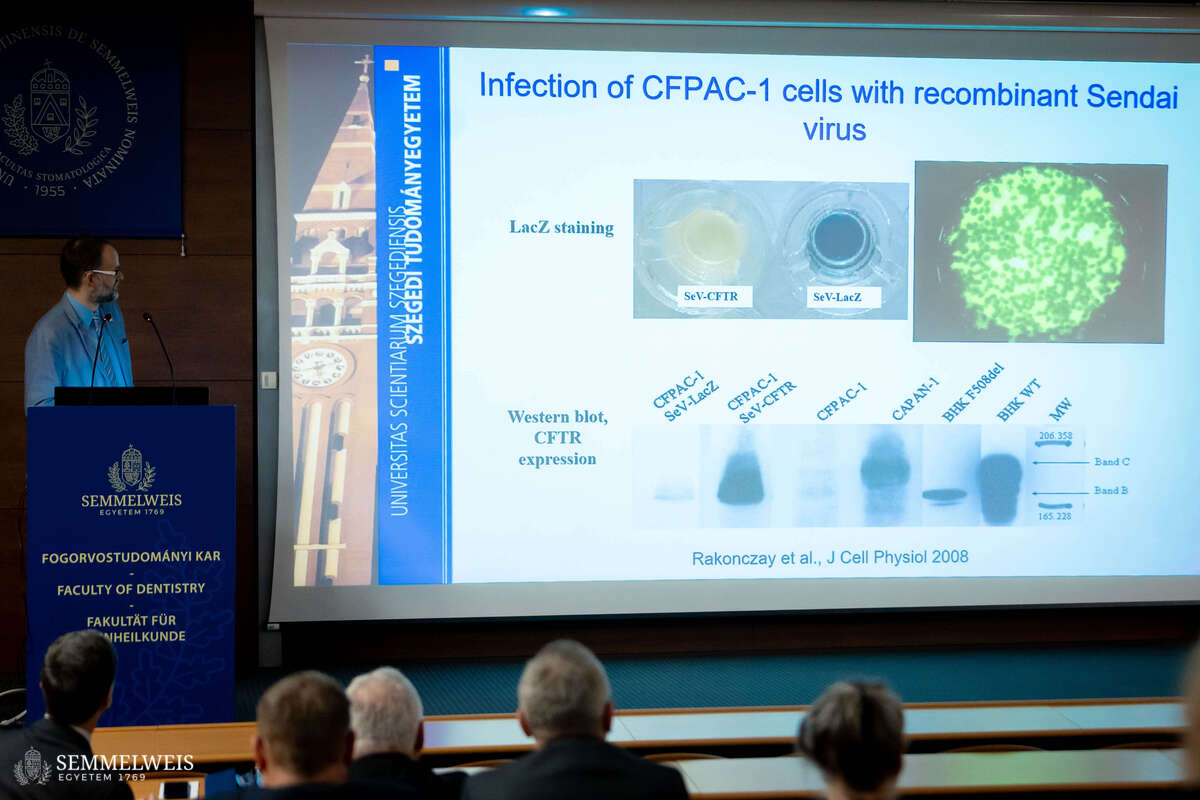
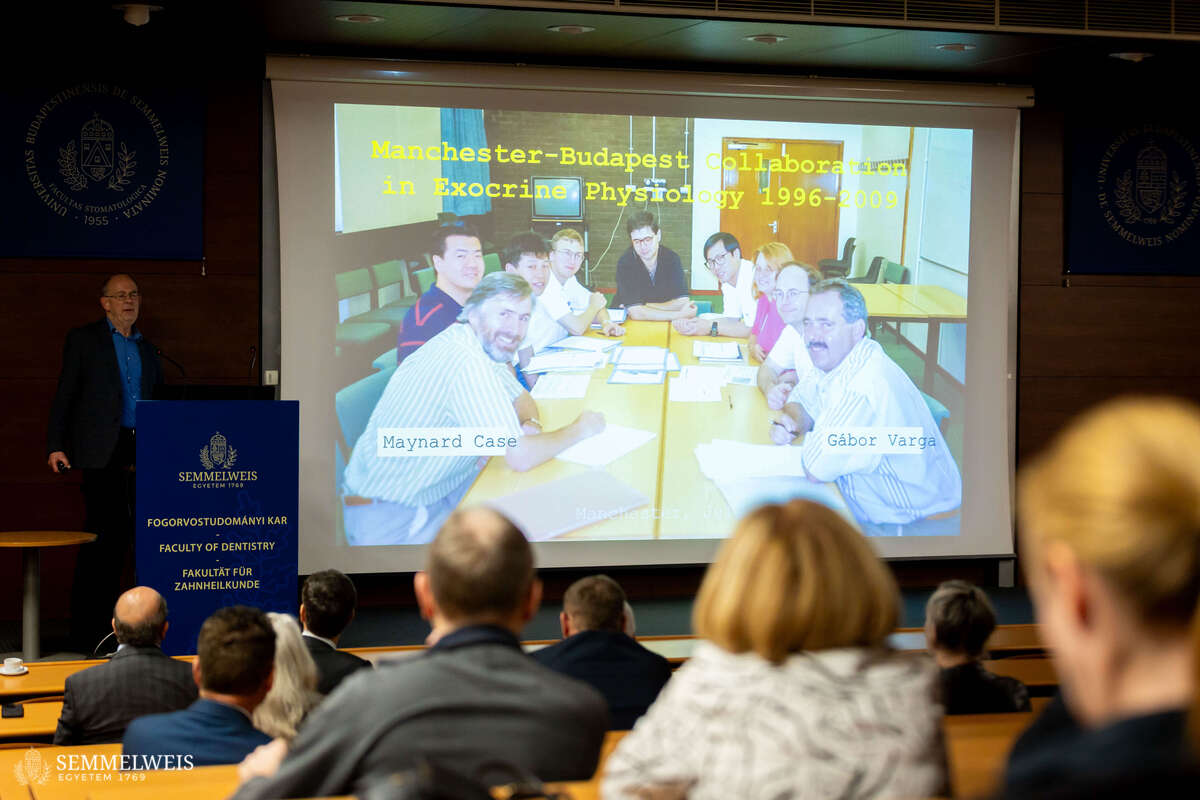
The symposium that followed the opening ceremony was structured around three research areas and featured presentations by Hungarian and international experts, paying tribute to Professor Varga’s distinguished scientific career. Moderated by Director Dr. Péter Hegyi and Dr. Martin Steward of the University of Manchester, the first section was devoted to the pancreas, offering presentations on CFTR-dependent ion and fluid transport, bicarbonate secreted by the pancreas, the Manchester-Budapest collaboration in exocrine physiology, and the mechanisms and the clinical implications in pancreatic disease. The presentations in the oral biology segment examined the relationship between pH and ameloblast modulation, the investigation of potentially malignant oral lesions based on salivary microRNA expression patterns, and unifying error measurement across the digital prosthetic workflow – moderated by Dr. Beáta Kerémi, Deputy Director of the Department of Restorative Dentistry and Endodontics, and Dr. Anna Földes, Senior Research Fellow at the Department of Oral Biology. The closing session presented various questions in clinical and translational medicine, led by Dean Dr. Gábor Gerber and Dr. Péter Hermann, Vice-Rector for Educational Affairs and Director of the Department of Prosthodontics, addressing topics such as the significance of bicarbonate, the genetic risk factors of ductal dysfunction in chronic pancreatitis, the launch of robotic pancreatic surgery in Hungary, and innovative saliva diagnostics during the Covid-19 pandemic.
The scientific career of Professor Dr. Gábor Varga (1956- )
He began his career as a research physiologist at the Institute of Experimental Medicine. In 2002, he was appointed professor and chair of the Department of Oral Biology at Semmelweis University. His scientific work has consistently focused on understanding biological systems at the molecular level, with particular emphasis on the regulation of epithelial tissue development and function, including the salivary glands, the tooth enamel, and the pancreas, as well as mesenchymal stem cells derived from human dental tissues. Beyond fundamental research, Professor Varga has been a pioneer of translational medicine; his work has contributed to the development of saliva-based diagnostic approaches, including applications during the Covid-19 pandemic. Since 2021, he has served as vice-director, supervisor, and research group leader at the Center for Translational Medicine. He has published extensively in leading international journals such as Gastroenterology, Gut, the Journal of Dental Research, and Periodontology 2000. His publications have been cited more than 7,500 times, and his Hirsch index is 42 based on the Google Scholar database. He has successfully led and contributed to major research projects funded by OTKA, the European Union, the Wellcome Trust, the Royal Society, and the NIH (NIDCR). He has supervised 25 PhD students to successful defense. He has four children and seven grandchildren.
Dőtsch Judit
Translation: Judit Dőtsch, dr. Balázs Csizmadia
Photos by Boglárka Zellei – Semmelweis University