“There is growing interest in mental health training, so much so that in 2024 applications for the program were six times oversubscribed,” said Dr. Beáta Pethesné Dávid, Dean of EKK, in her opening address. She emphasized the important mediating role that universities, and Semmelweis University in particular, played in linking society and the economy. “As an employer of 14,000 people, our university sets an example, connecting healthcare, education, and social services through its teaching and healing activities, while maintaining strong ties to the nonprofit sector and becoming increasingly open to the for-profit sector. The avowed aim of the conference is to strengthen the ties to the for-profit world and to draw even more attention to the importance of mental health at work,” added the dean.
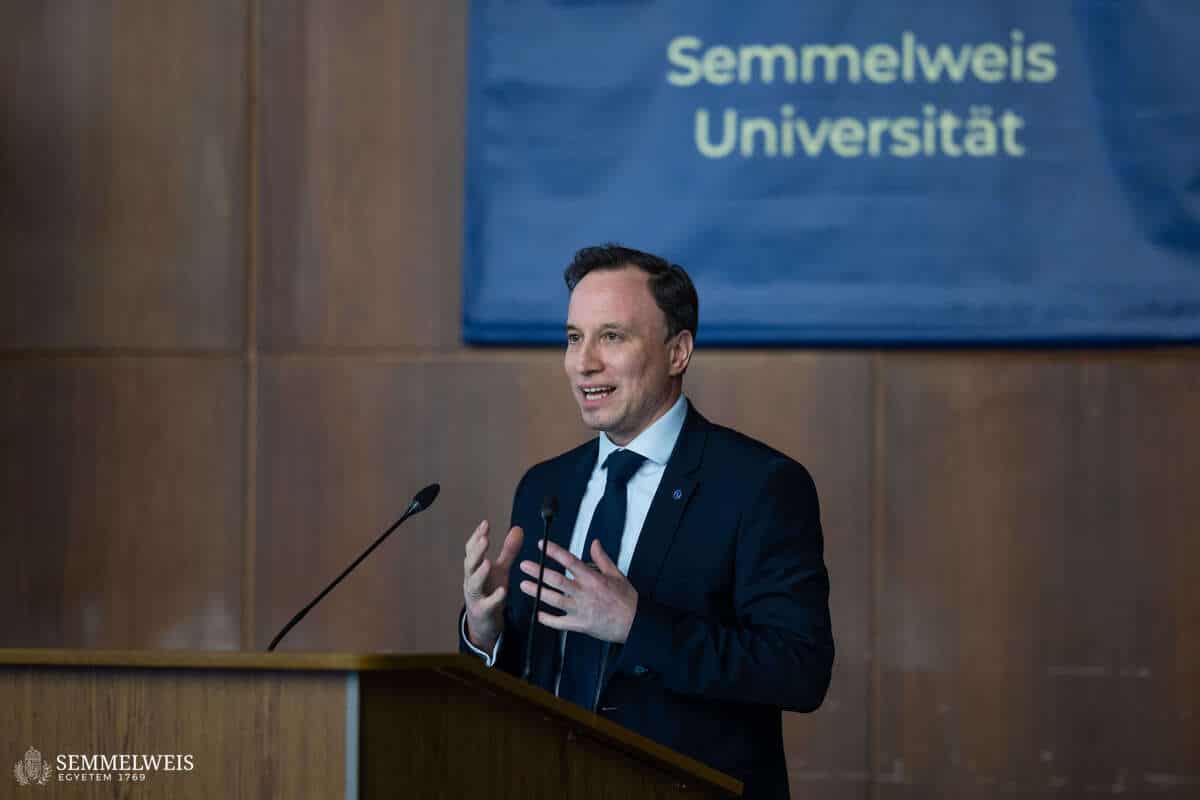
“We will be able to connect, grow, collaborate with others, and be productive in both our personal and professional lives if we are at peace with ourselves. As the conference motto states, those who are well perform well. So, this is the first step and the starting point for everything else. Mental well-being is essential for productivity and enthusiastic, dedicated work. This is something that everyone in a leadership position and every employer should bear in mind,” remarked Dr. Béla Merkely, Rector of Semmelweis University, in his welcome speech.
As he mentioned, Semmelweis University is considered one of the biggest employers in Hungary, with over 14,000 staff members. All this naturally comes with responsibility, emphasized Dr. Béla Merkely, pointing out that the greatness and strength of the university lie not in its historic buildings, but in the excellence, dedication, and commitment of those who work here.
That is why it is important to us that, in addition to focusing on professional excellence, our university operates as a truly family-friendly institution, where we make a conscious effort to ensure that our staff and students enjoy a healthy work-life balance.
– Dr. Béla Merkely
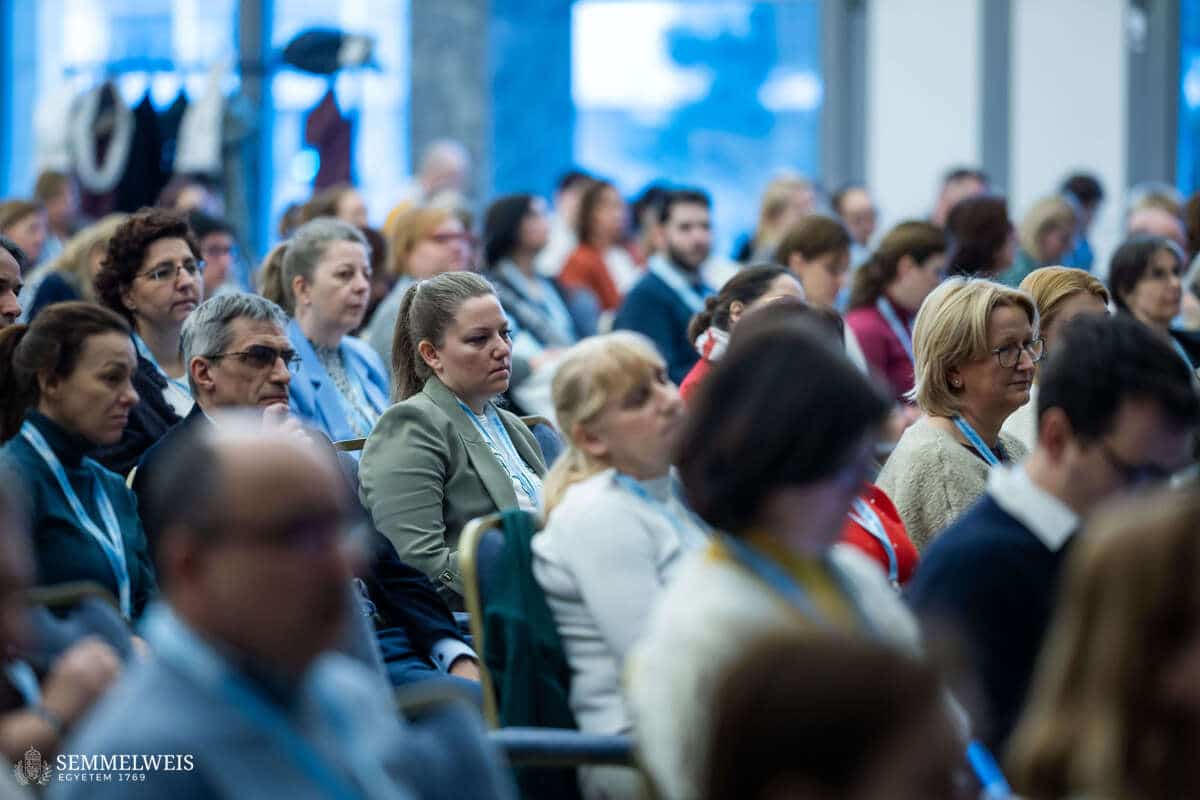
The rector added that the conference served as a prominent national forum to emphasize the importance of mental health at work and provided a platform for experts from various fields to discuss their experiences.

Gallery
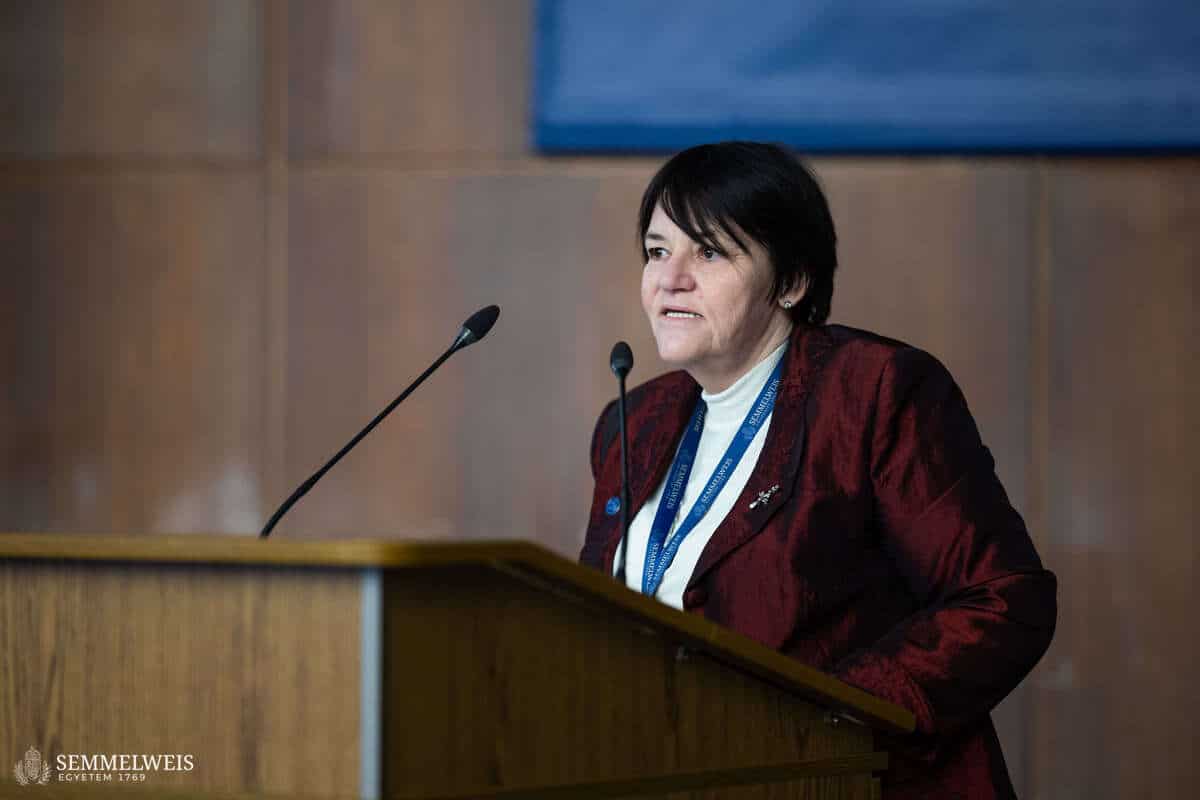
“Mental health is very important to us at Richter, as is a stable, safe, and humane environment. We, too, believe that those who are well perform well,” highlighted Gábor Orbán, CEO of Gedeon Richter Plc. and Chairman of Semmelweis University’s Foundation for National Health Care and Medical Education (NEOA), in his opening remarks. “We believe that consistent performance can only be achieved when people are calm, because that allows them to see the bigger picture, work together more effectively, and make fewer mistakes,” Gábor Orbán noted. As he explained, Richter strived for direct communication and regular sharing of structured content. The mood tests conducted within the organization are followed by measures and developments that contribute to creating a safe atmosphere. The CEO also emphasized that zero tolerance policy applied to all forms of harassment and retaliation.
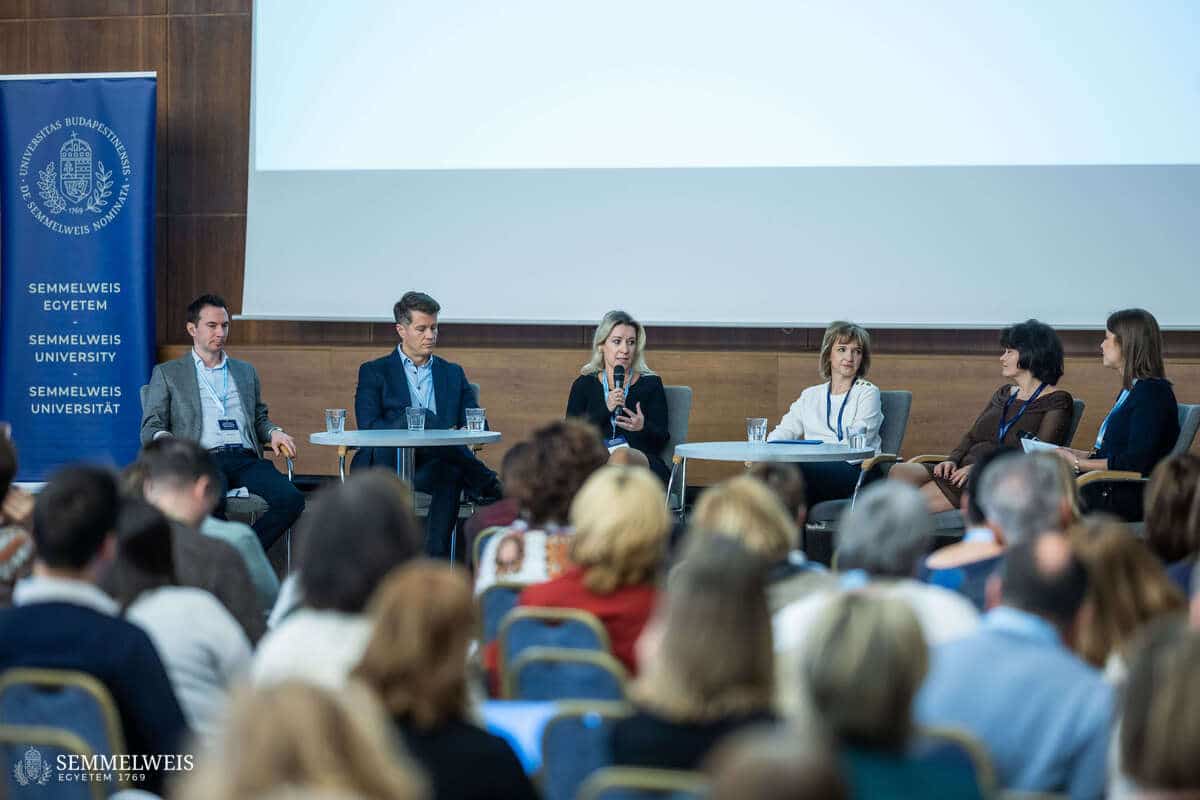
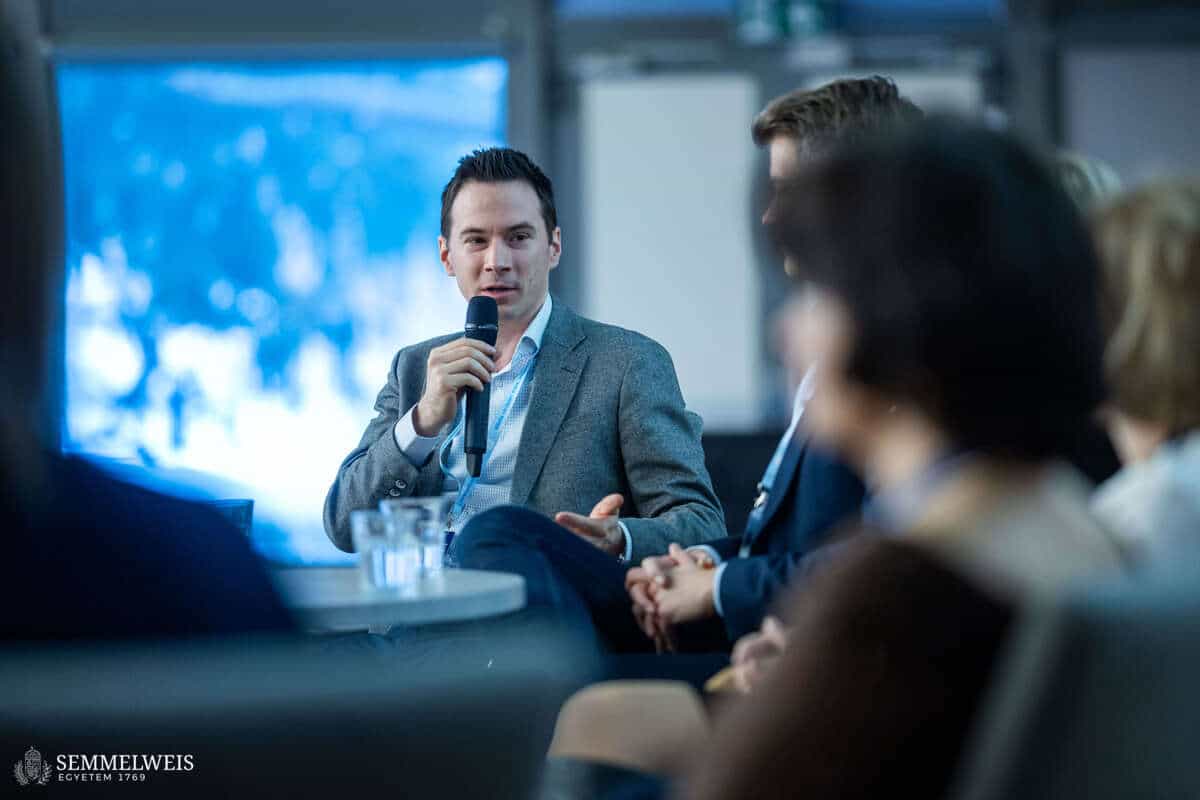
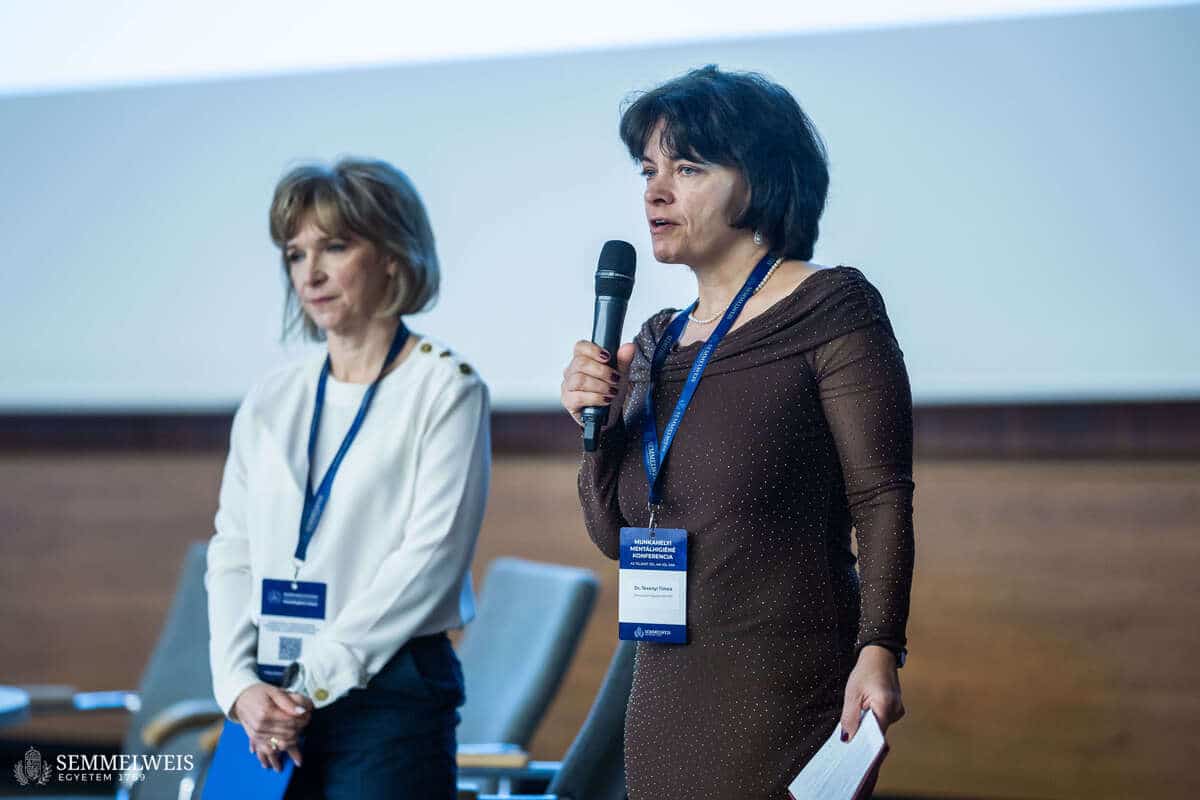
In a roundtable discussion moderated by Ágnes Horváth (White-Collar Temporary and Permanent Placement Solutions), participants – economist, coach and mental health specialist Ágnes Bolevácz (MHI), Managing Director Kornél Németh (Rossmann Magyarország Ltd.), Director General Kata Püski (Directorate General for Strategic Organizational Development, Semmelweis University), Assistant Professor and mental health specialist Dr. Tímea Tésenyi (MHI), and Managing Director Tibor Szpisják (Hewlett Packard Enterprise, HPE) – discussed the importance of mental well-being at work and the tools for achieving it. All agreed that well-being was determined by both the private and working environments, and that the workplace also had a responsibility to provide some form of assistance to employees in resolving their personal problems.
The roundtable participants shared a variety of examples of support for personal challenges, ranging from self-awareness programs, one-on-one consultations, and health services to emergency financial assistance. They all believed that the power of a supportive team was crucial in laying the foundations for mental well-being.
Kornél Németh highlighted the significance of emergency financial assistance covered by the company’s social fund, which provided financial aid to employees facing unexpected expenses, as well as their telephone support service offered to those struggling with mental health issues. Tibor Szpisják explained that they had launched their stress management program in response to their survey findings, which had revealed that 65 percent of their employees had difficulty coping with stress.
“The name ‘Family Friendly University Program’ might suggest that our initiative focuses on working parents alone, but we find it important to know and support our employees of all ages and life stages,” said Kata Püski, pointing out that about two-thirds of Semmelweis University’s employees work in the healthcare sector, where they are much more prone to stress and burnout, so they need extra attention. And although university programs are accessible to everyone, reaching out to those working at the bedside poses a major challenge to internal communication.
MHI’s philosophy is that in the long term, a sustainable goal is to be good enough, rather than excellent, as the latter can put too much pressure on employees, pointed out Dr. Tímea Tesényi. Ágnes Bolevácz confirmed that a leader has a fundamental influence on the atmosphere in the workplace, the organizational culture, and on what issues and topics can be discussed, which in turn has an impact on the creativity of employees.
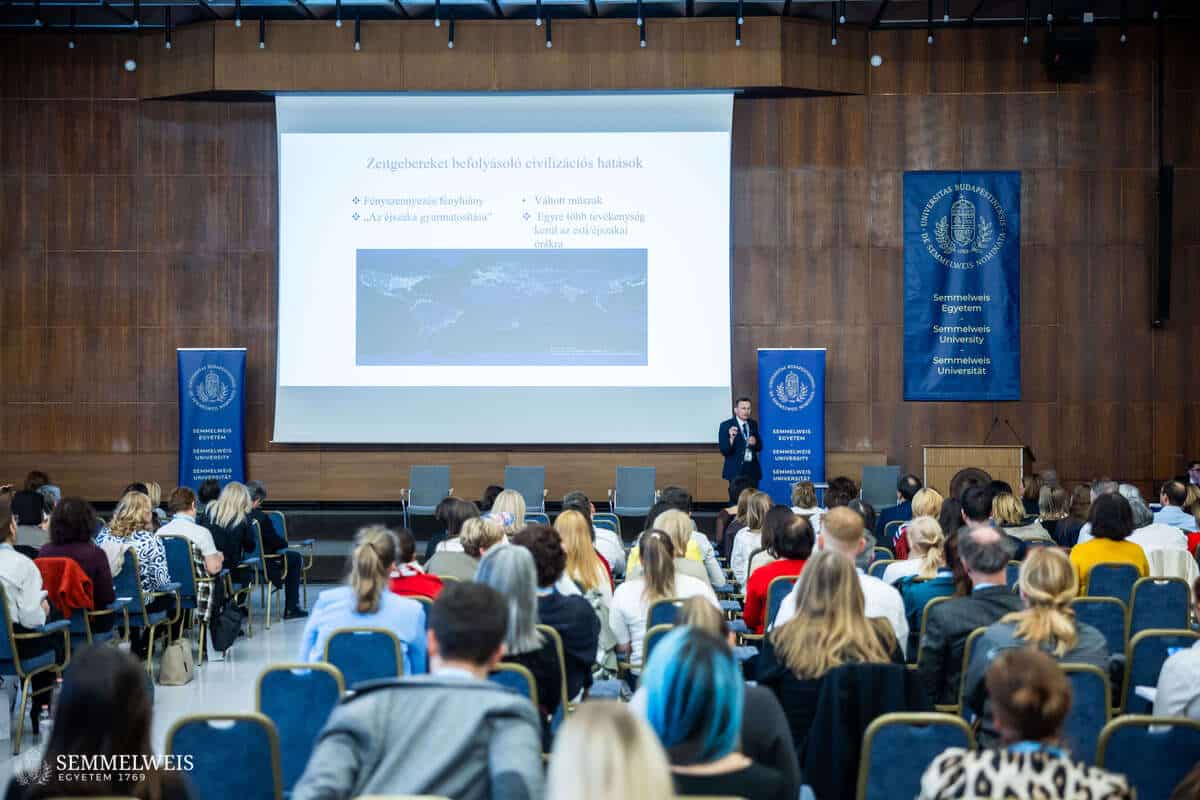
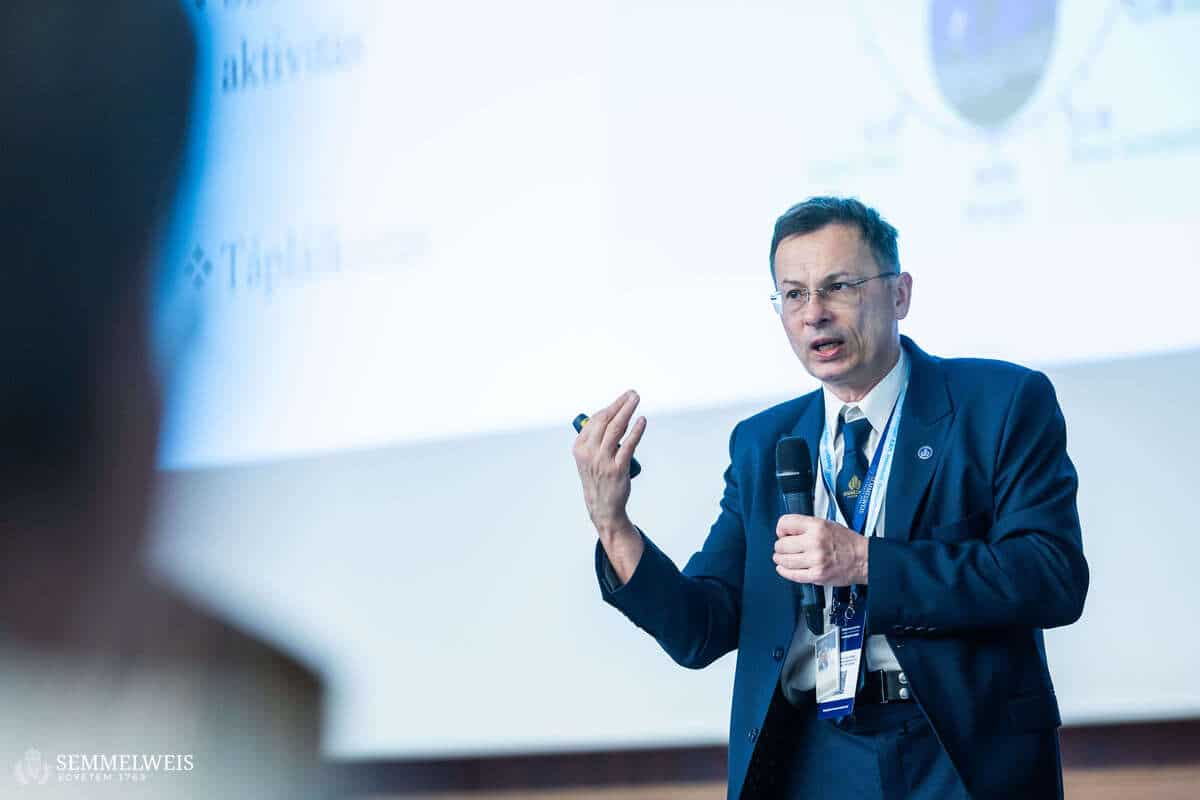
Dr. György Purebl, Director of the Institute of Behavioral Sciences, gave a presentation on the relationship between circadian rhythm and mental health, presenting work organization solutions and lifestyle practices that can at least partially mitigate the negative impact of alternating shifts on health. Among these, he mentioned the work schedule interrupted by rest periods, strict limits on exposure to blue light, and the access to caffeine. He also emphasized the importance of individual strategies: Relax after work, don’t stay in bed if you’re not sleeping, always get up at the same time if having a night shift, make sure you get some natural light, and do some exercise.
The conference also covered topics such as burnout, the use of artificial intelligence in therapy, and digital addiction, while the workshops allowed participants to explore best practices for companies.
Anita Szepesi
Translation: Judit Szabados-Dőtsch
Photos by Bálint Barta – Semmelweis University; cover (illustration): Boglárka Zellei – Semmelweis University