According to the World Health Organization (WHO), well-being is a state in which we realize our abilities; develop what we are good at; are able to cope with the minor and major difficulties of everyday life; work effectively and productively; and make a contribution to the community in which we live. However, this kind of inner balance does not come naturally – it requires attention, self-knowledge, conscious decisions, and the right environment.
1. Without adequate self-knowledge, we cannot realize our abilities
 Adequate self-knowledge not only means being aware of our strengths and weaknesses, but also being able to assess our needs, what is lacking in a given situation that prevents us from reaching our full potential, and whether we can give ourselves what we need to be balanced, Dr. Imola Sándor underlines. Pay attention to yourself and notice when you are overworked or exhausted and be able to ask for help if you can’t cope on your own! The clinical psychologist adds that many mental difficulties deepen precisely because we do not acknowledge what is going on inside us, we do not perceive the signals our body is sending us, we do not pay attention to the small changes in our behavior, and we do not stop in time. However, self-knowledge can be learned and developed, for example by keeping a journal, through conversations, self-reflection, or even with the support of a professional.
In recent years, mental health has become more important than ever. According to the latest data from the WHO, one in seven people live with some form of mental disorder; in 2019, for example, 970 million people received such a diagnosis. Experts predict that by 2030, depression will be the most common cause of reduced work capacity worldwide. Behind these growing numbers is not only the increasing prevalence of these problems, but also the fact that more and more people are coming to the attention of professionals by daring to ask for help and talk about their difficulties.
2. Set meaningful and authentic goals – this is the driving force behind long-term well-being
According to Dr. Imola Sándor, positive psychology research also supports the idea that one of the surest sources of lasting well-being is when our lives are guided by goals that make us feel that we are creating value and developing. It is much better if these goals are not primarily material in nature, but rather focus on activities, acquiring and using new skills, such as engaging more deeply in a hobby, nurturing a relationship, or simply becoming a more attentive parent or partner. Good goals bring commitment, creativity, and continuous growth, the assistant professor points out. It is important to formulate these for ourselves from time to time, and we can even write down our resolutions and share them with someone because research shows that this significantly increases the chances of achieving them and persevering with them.
3. Cultivate the ability to feel joy and gratitude
Many studies have confirmed the positive effects of giving thanks regularly on physical and mental health and life satisfaction. One of the characteristic symptoms of depression is the loss of the ability to experience joy, so it is especially important to consciously preserve our capacity for joy. One of the most effective ways to do this is to deliberately keep in mind all the things we can be grateful for in our lives and in our daily routines, and to consciously try to focus our thoughts on the positive aspects of things. This attitude has been proven to increase the ratio of positive emotions, reduce anxiety, and improve sleep, for example. A small daily or weekly ritual – such as keeping a gratitude journal – can shift your attention from what you lack to what you already have and value. This practice can lead to more stable well-being and optimal functioning in the long term, and it helps us see the positives even amid the challenges of everyday life, notes Dr. Imola Sándor.

4. Stress is inevitable, but we can learn how to combat it and grow through it
The assistant professor emphasizes that stress is an integral part of our lives, and what really matters is how we respond to a stressor. It is essential to recognize its effect on us and then choose the appropriate stress reduction method. We usually distinguish between two basic types of coping: problem-focused and emotion-focused coping. Problem-focused coping aims to change a specific situation, for example, by openly and honestly resolving a conflict, while emotion-focused coping is more about regulating our emotions and changing our attitude. The latter is worth using when we cannot influence an event or situation (e.g., it rains heavily on your wedding day).
Among the methods for relieving tension, the assistant professor highlights movement, distracting your attention, reframing thoughts, as well as various breathing exercises and relaxation methods.
She stresses that we need both types of coping strategies and that both can be learned and developed. It is also important to be aware that stressors tend to accumulate: Small tensions that build up during the day can become a heavy burden by the evening and, without stress reduction, can pose a serious risk to our physical and mental health, says Dr. Imola Sándor.
5. Rest and mindfulness: learn the “art” of doing nothing
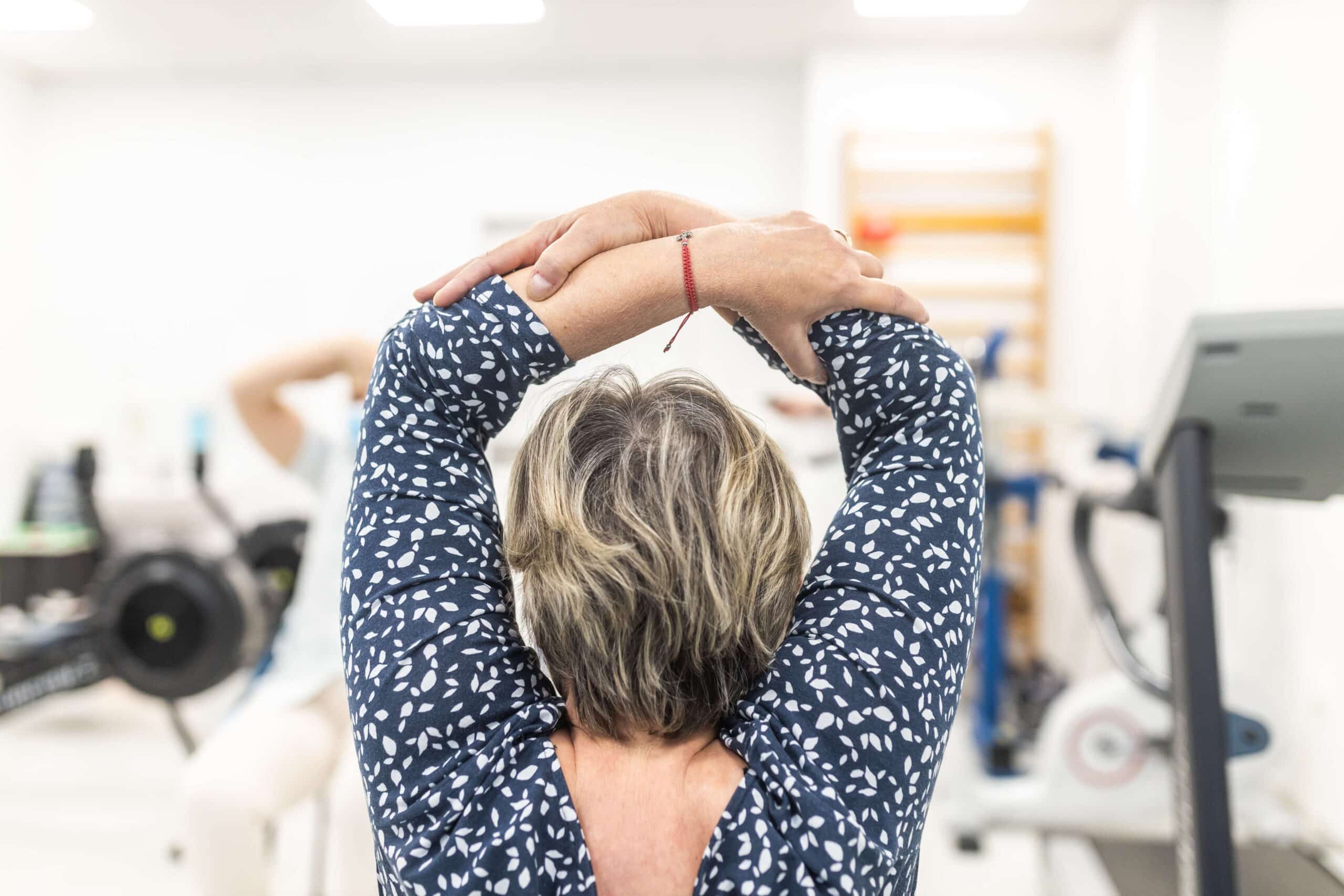
With the constant stimuli of the modern world, the ability to relax often fades into the background, even though it is essential for maintaining mental balance. Mindfulness helps us to be present in the moment, to focus our attention on our inner processes, and to adopt a non-judgmental, accepting attitude toward ourselves. Practicing mindfulness helps us to stop and slow down, explains Dr. Imola Sándor. Short “micro-breaks” are not a luxury, but a necessary part of regeneration and relieving everyday stress. There is no exact recipe for when to take breaks and for how long; they can be planned in advance or spontaneous. What matters is that we pay attention to our bodies’ signals and give ourselves time to recharge. It is also good if we can just sit down for 10 minutes, put down our phones and laptops, and just quietly watch the birds, traffic, or raindrops from the window, the expert mentions as an example. Our connection with nature plays a particularly important role in maintaining our well-being.
Body and soul exist in inseparable harmony. Exercise, nutrition, and sleep are three pillars that are especially significant in maintaining mental health.
+1 Supportive relationships provide an important safety net
Our social relationships have a significant impact on our mental well-being. Secure, supportive relationships reduce stress hormone levels, increase oxytocin production, and strengthen our ability to cope. There is no ideal number of relationships as everyone desires different levels of social support, but researchers agree that mutually supportive relationships are the most important safety net in times of difficulty. Good communication is essential for this, specifically cultivating more of our positive expressions (joy, enthusiasm, praise, compliments, etc.) and reducing negative ones (criticism, resentment, sarcasm, rejection). A simple practical suggestion for this is to think about and change the ratio of our negative expressions in favor of the positive ones.

When is it worth seeking professional help?
Caring for mental health is like caring for physical health: It is easier to prevent complaints from developing than to restore health. It is worth seeking professional help if you experience persistent malaise, sleep or appetite disorders, decreased performance, extreme emotional reactions, or physical symptoms (such as chest tightness or rapid heartbeat), or when everyday tasks become difficult to perform. In addition to psychologists, mental health professionals are now available who can provide support in a wide range of life situations.
The mental health of university students is particularly vulnerable, points out Dr. Imola Sándor. While exam stress and learning difficulties used to be dominant, anxiety, depressive symptoms, self-harm, and emotional dysregulation are becoming increasingly common today. The constant pressure – conveyed by social media – to compare oneself to others, the rise of online communication, a lack of social skills, and general uncertainty about the future (e.g., climate anxiety) all increase the burden. On the positive side, young people today are more willing to ask for help and do not feel that they have to face difficulties alone.
Mental health is not static. It is a constantly evolving balance that we should strive to maintain every day. The goal is not perfection, but to respond to challenges flexibly and in harmony with ourselves, as well as to recognize when we need to stop or ask for help, summarizes Dr. Imola Sándor.
Eszter Keresztes
Translation: Dr. Balázs Csizmadia
Photos by Bálint Barta, Boglárka Zellei – Semmelweis University; iStock (BartekSzewczyk)