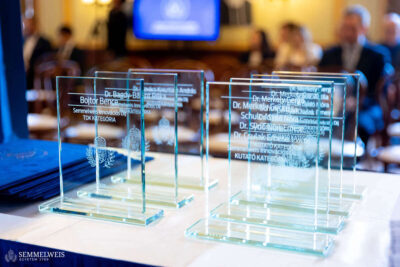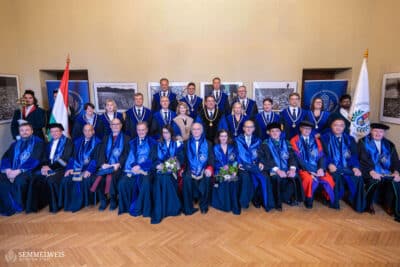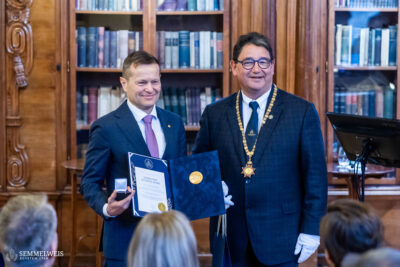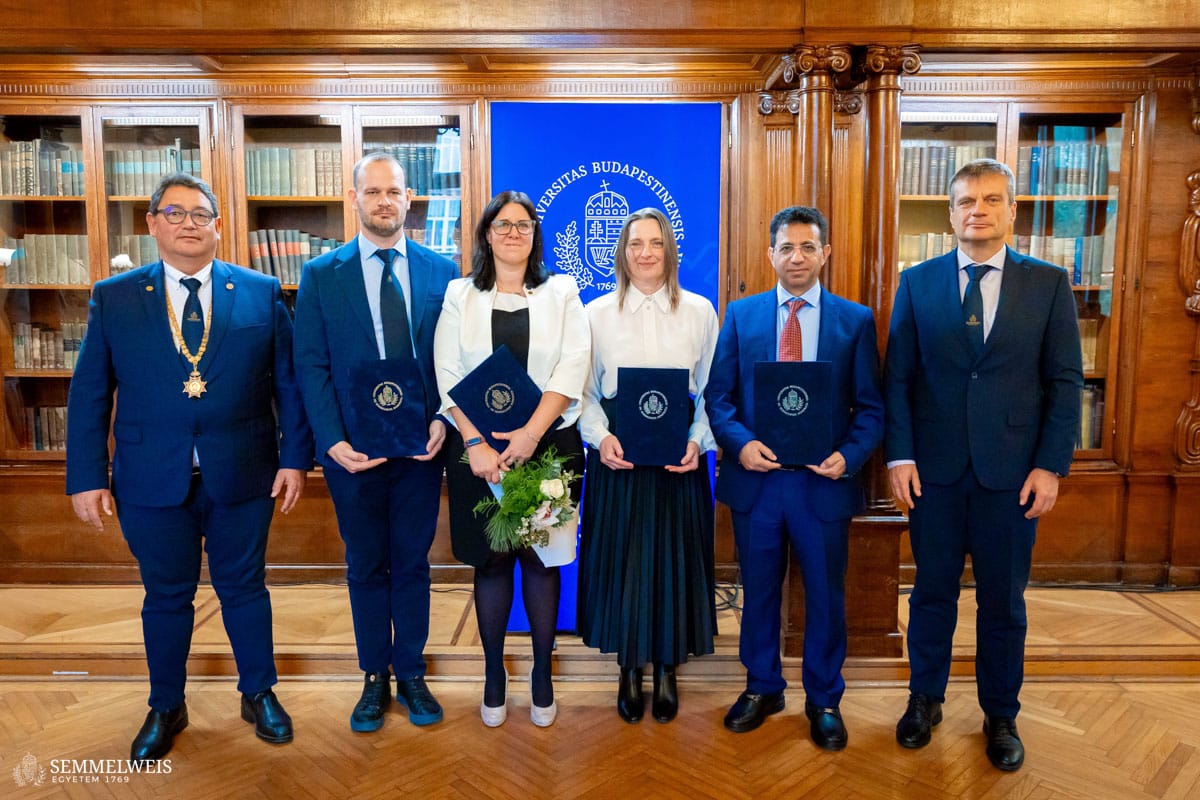
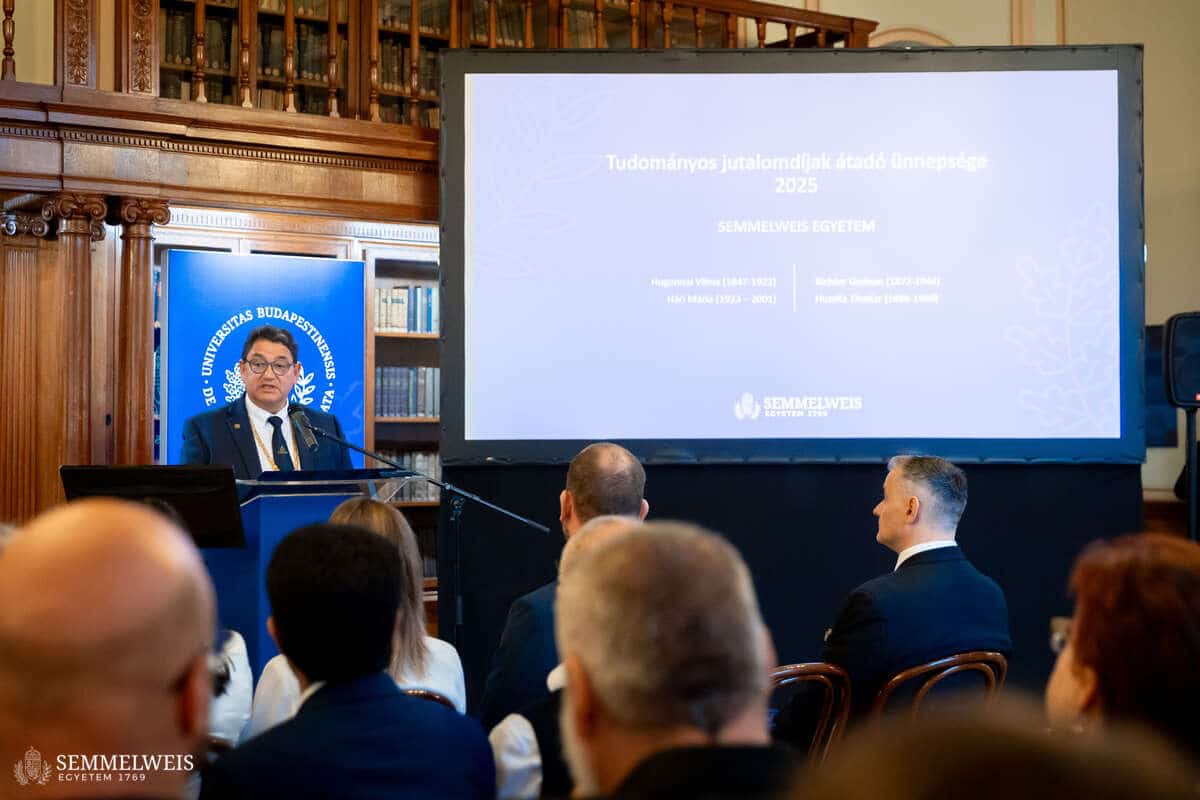
“Courageous curiosity, and the desire for knowledge, cognition, and continuous development are what drive both science and humanity forward,” said Dr. Béla Merkely, Rector of Semmelweis University, at the presentation of the institution’s scientific prizes in the Semmelweis Salon. He also emphasized that these values were necessary for the university, which is celebrating its 256th anniversary this year, to become the leading medical and health sciences institution in the country and the region, maintaining its position among the world’s top 300 universities. They also contributed to the university’s reputation reaching the International Space Station through the provision of outstanding medical and health support for the Hungarian Astronaut Programme, the rector added.
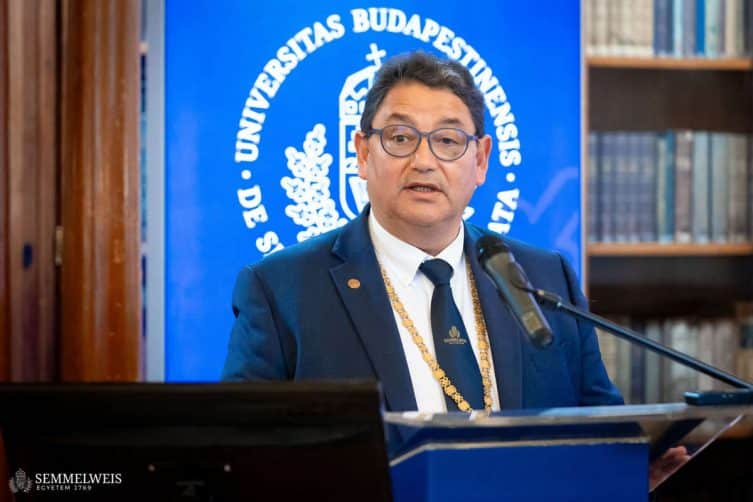 “Our greats stand before us as timeless examples,” noted Dr. Béla Merkely, referring to the university’s namesake, Ignác Semmelweis, as well as Gedeon Richter, a prominent figure in twentieth-century pharmaceutics; Vilma Hugonnai, the first Hungarian female doctor; Mária Hári, a follower of András Pető’s and developer of his methods; and Tivadar Huzella, the outstanding histologist. “Today, as we present the awards named after them, we celebrate those who not only preserve the values handed down to us by our predecessors but also expand upon them,” he emphasized.
It is thanks to you and other outstanding researchers like you that, according to the latest Times Higher Education rankings, the excellence of our scientific work has continued to improve compared to last year, our publications are increasingly cited worldwide, and the results of our research are referenced with growing frequency. – Dr. Béla Merkely
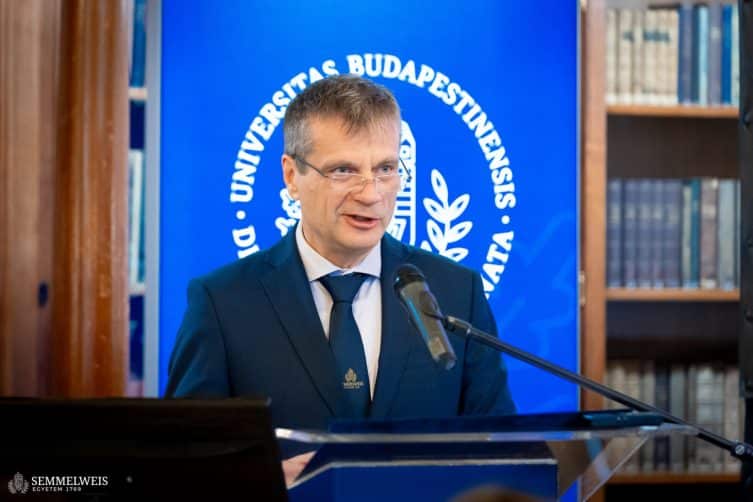 “Research and development as well as innovation have always been world class at our university, and to this day, they contribute to ensuring the most effective care for our patients with incontestable outcomes,” said Dr. Péter Ferdinandy, Vice-Rector for Science and Innovations, in his welcome speech. He also stressed that scientific performance plays a decisive role in international university rankings: Indicators related to research, citations, and industrial revenue account for two-thirds of an institution’s ranking. Therefore, the university assists researchers with a strengthened RDI support system so that they can focus as much as possible on scientific and innovation work.
“Awarding scientific prizes also sets an example for future generations, and you are these role models,” emphasized Dr. Péter Ferdinady. At the same time, he asked the researchers to always think about how their scientific results can be put to use in healing and health preservation. “I am particularly pleased that two award winners from the Department of Pharmacology and Pharmacotherapy demonstrated their talent and contributed to the university’s position in the top 100 in Pharmacy & Pharmaceutical Sciences on ShanghaiRanking’s list last year,” added the vice-rector.
Richter Gedeon Medal and Award
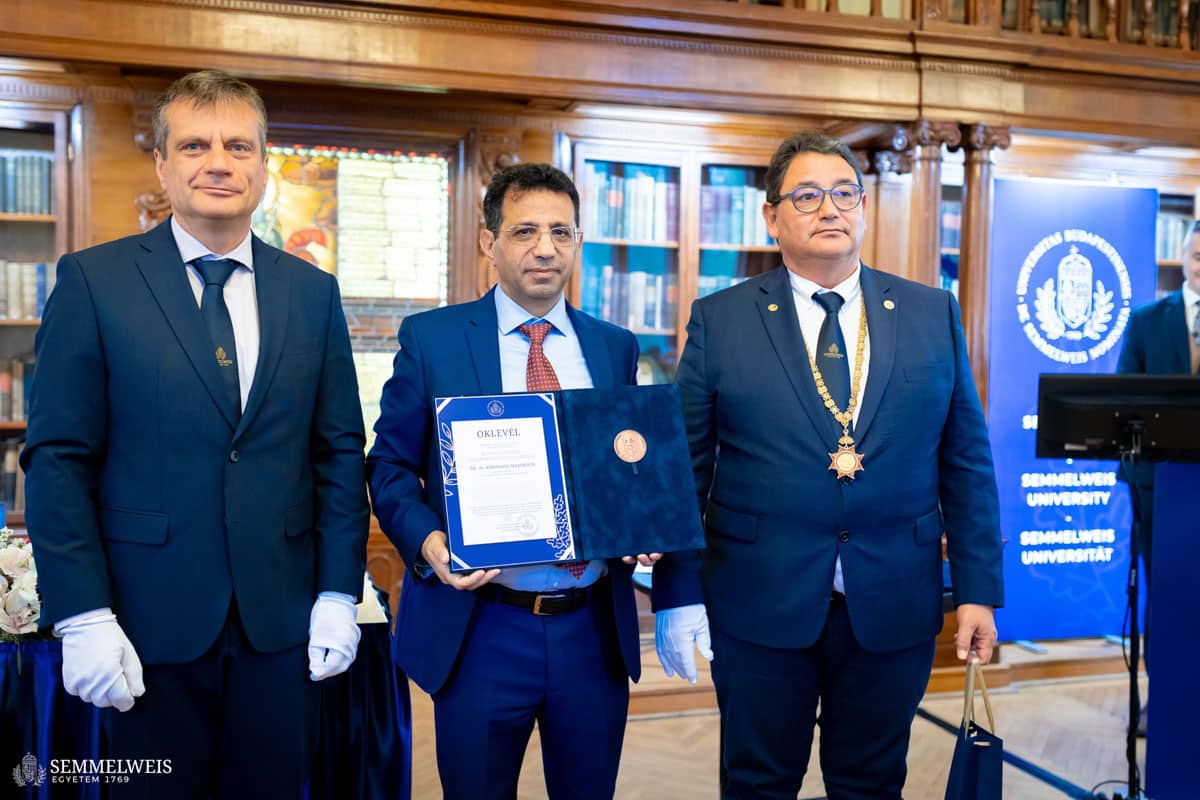
The 2025 Richter Gedeon Medal and Award was bestowed by the university Senate upon Dr. Mahmoud Al-Khrasani, Associate Professor at Semmelweis University’s Department of Pharmacology and Pharmacotherapy and leader of the Behavior and Pain Research Group. His career embodies an exemplary combination of scientific rigor, dedicated teaching, and international collaboration. His scientific interests focus on the study of central and peripheral pain relief mechanisms in both in vitro and in vivo models, with which he has contributed to a better understanding of the functioning of opioid receptors and endogenous pain relief systems, according to the laudation.
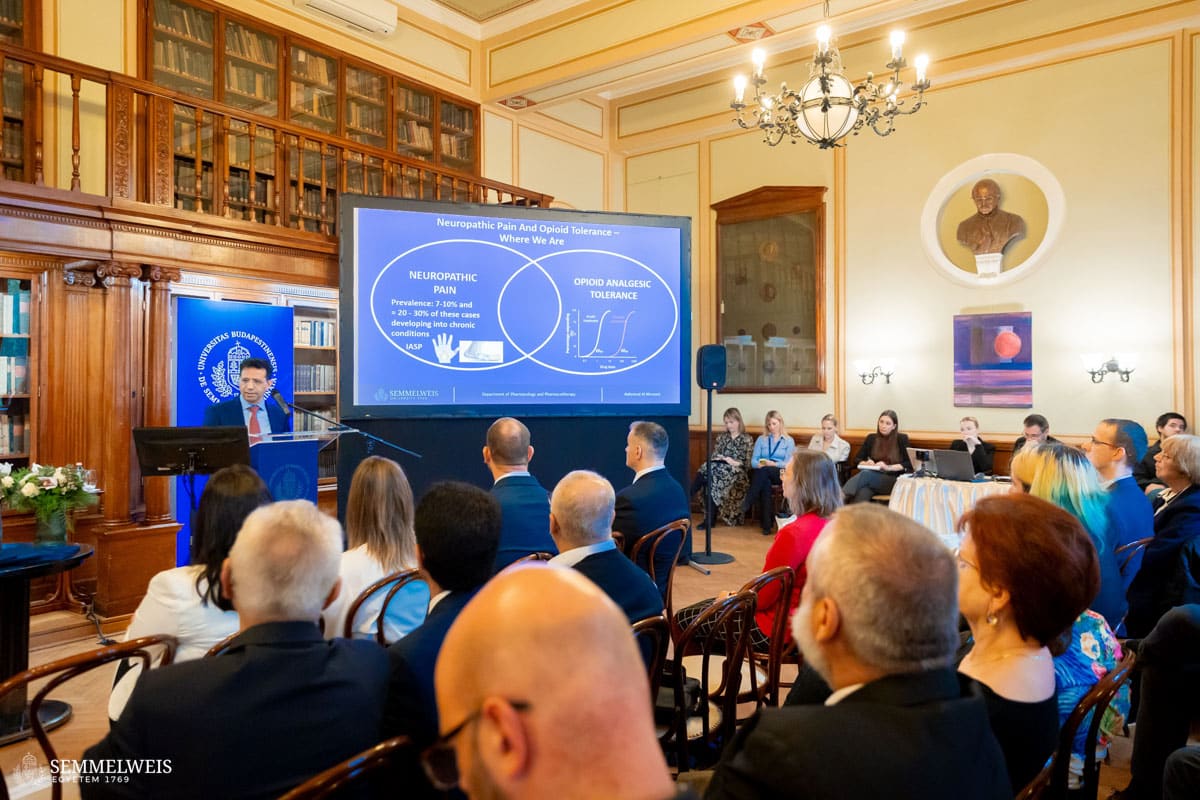
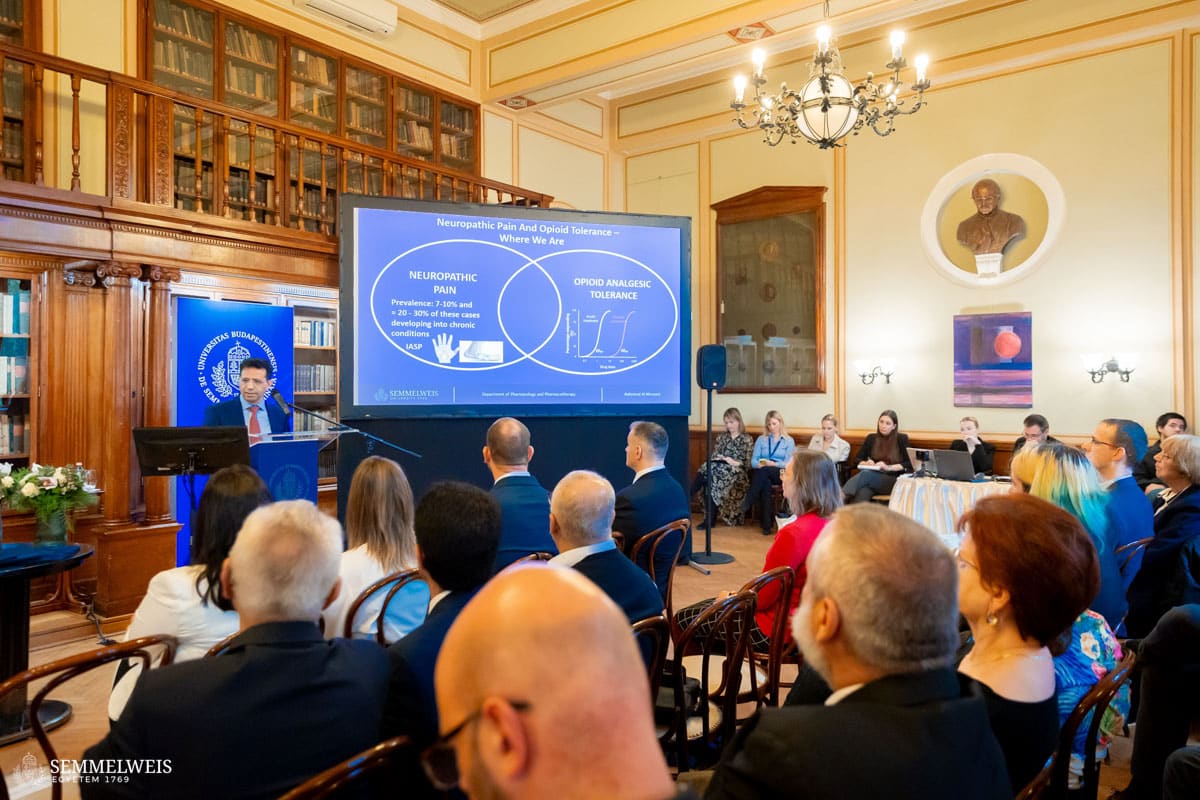
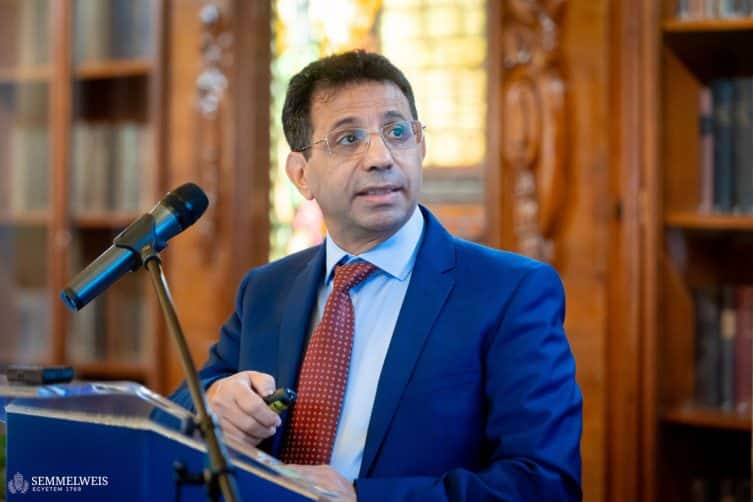 In his scientific talk given during the award ceremony, Dr. Mahmoud Al-Khrasani presented his ongoing research on the role of the glycinergic system and NMDA receptors in the development of opioid analgesic tolerance and the treatment of neuropathic pain. As he pointed out, the rationale for the study is that the long-term use of strong opioid painkillers leads to tolerance, meaning that pain can only be relieved by increasing the dose – but this can cause serious side effects, even including addiction. Improving the effectiveness of neuropathic pain relief also needs to be addressed, given that only one-third of patients respond to the analgesics currently available in clinics, while the condition affects 7-9 percent of the world’s population and becomes chronic in 20-30 percent of cases. The associate professor and his research team were the first to show that the use of type 1 glycine transporters can delay the development of morphine tolerance and reduce allodynia (sensitivity to touch).
Hugonnai Vilma Medal and Award
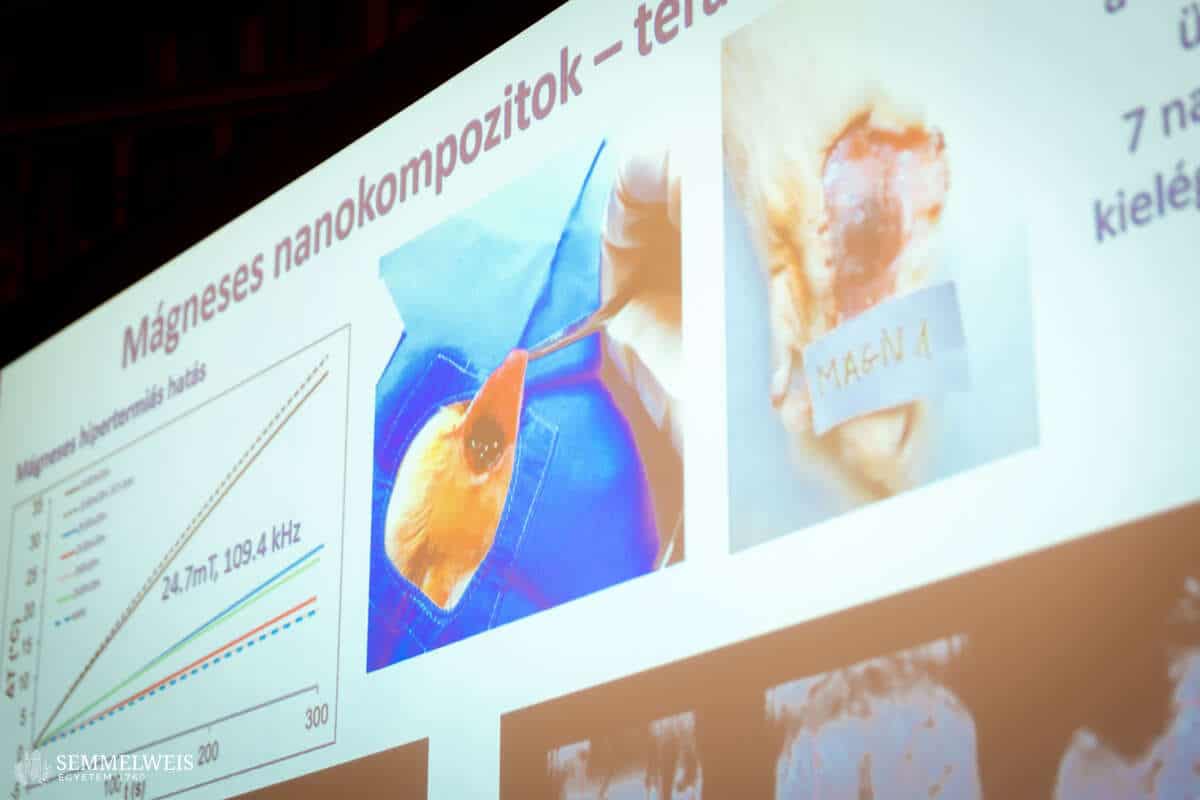
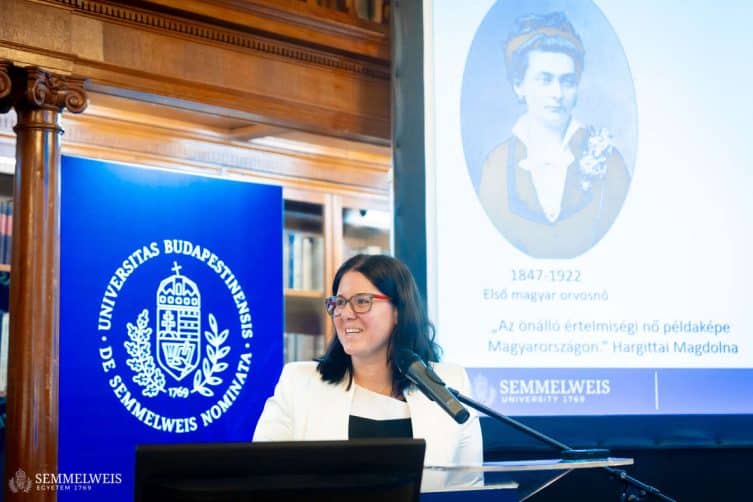 The Hugonnai Vilma Medal, with which the university recognizes the outstanding work of female lecturers, researchers, and healers, was awarded this year to Dr. Angéla Jedlovszky-Hajdú, Associate Professor at Semmelweis University’s Department of Biophysics and Radiation Biology and Head of the Laboratory of Nanochemistry. Throughout her career, she has researched the biomedical applications of biocompatible nanosystems, and her research is groundbreaking in the fields of MRI contrast agents, artificial tissues, wound dressings, and magnetic hyperthermia. In addition, she is passionate about nurturing talent, according to her laudation. In her presentation, Dr. Angéla Jedlovszky-Hajdú said that the goal of their research was to develop nanocomposite fiber systems using nanotechnological methods such as electrostatic fiber formation.
Hári Mária Medal and Award
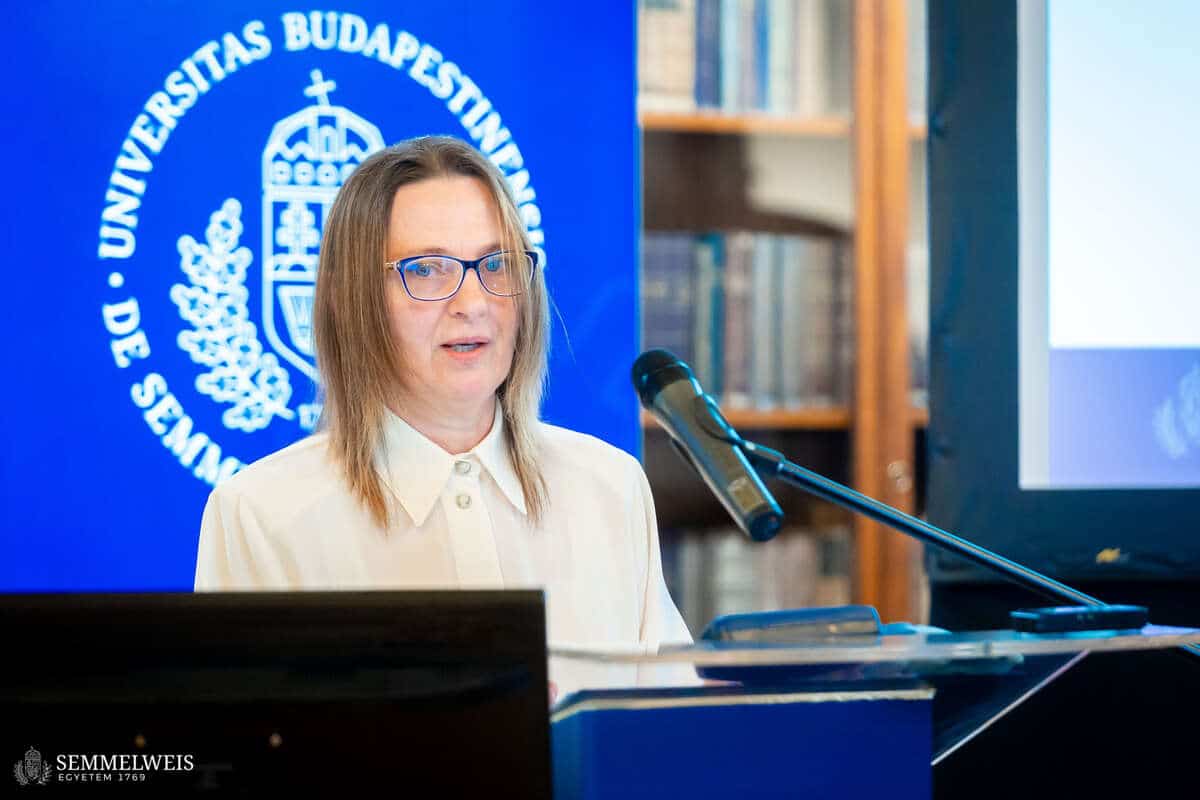
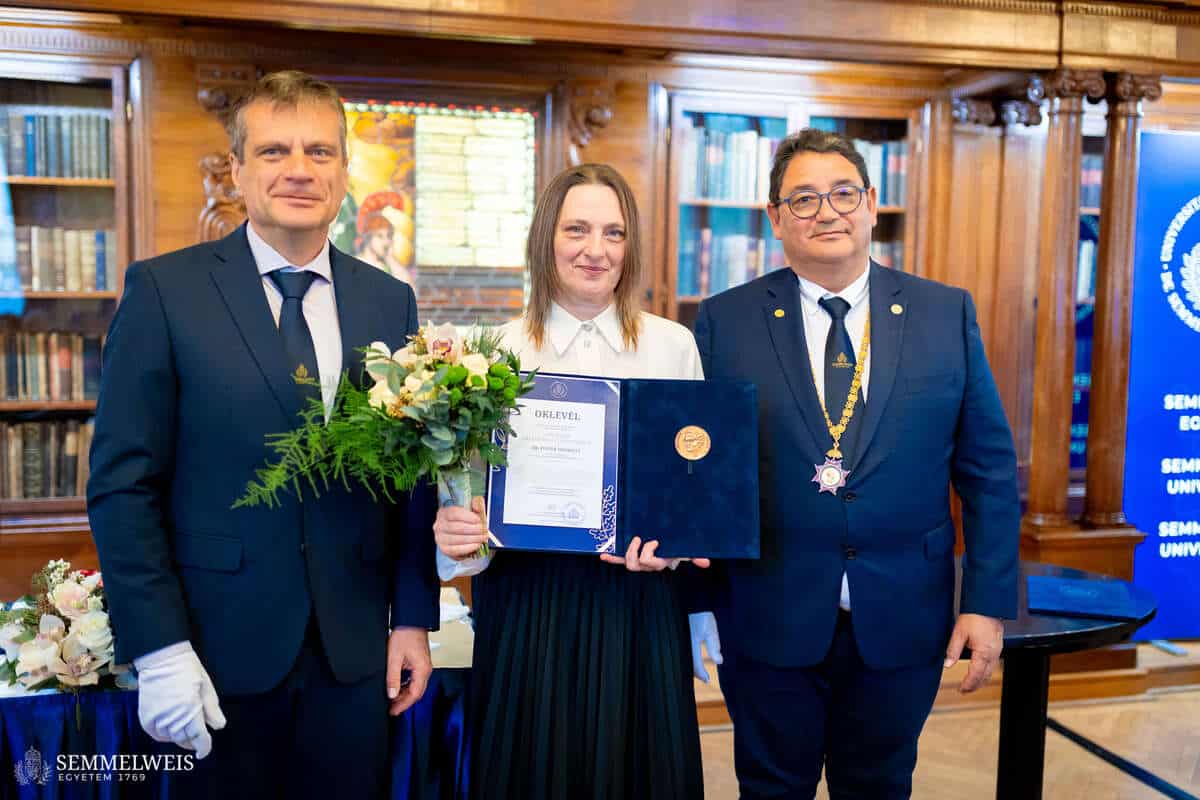
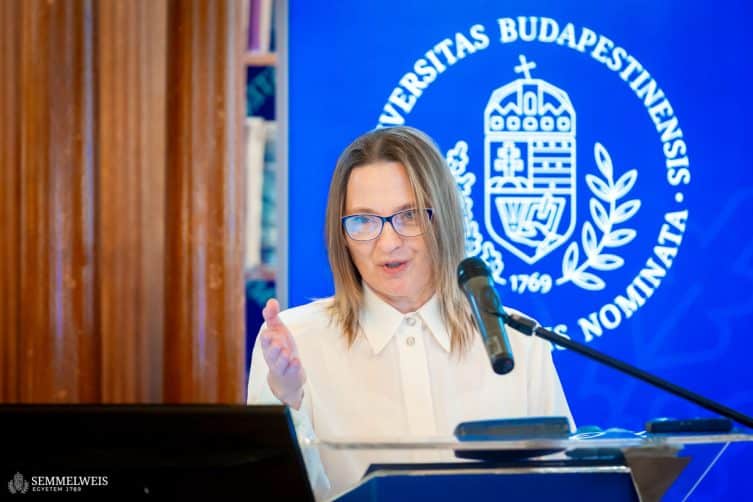 This year, the university Senate awarded the Hári Mária Medal to Dr. Henriett Pintér, College Associate Professor at the Institute of Human Sciences of the András Pető Faculty and Head of the Workshop Supporting Education in the Mother Tongue and Communication. In her laudation, it was stated that during her three decades of research aimed at interventions supporting education in the mother tongue, reading comprehension, and communication, as well as at developing expressive writing have directly contributed to the development of children and adults with physical and communication disabilities. In her presentation, Dr. Henriett Pintér outlined the research directions of mother tongue education and communication support in the context of conductive education, including the possibilities inherent in written text composition and in interventions aimed at language comprehension.
Huzella Medal and Award
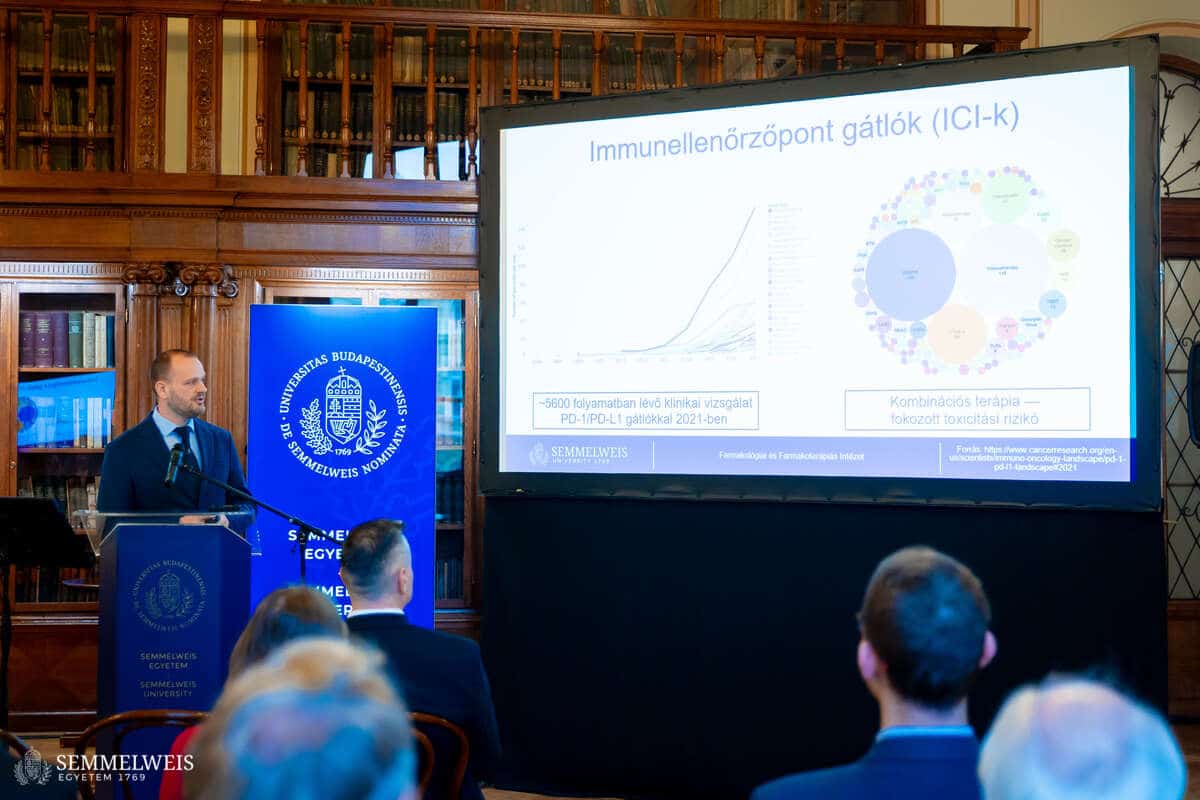
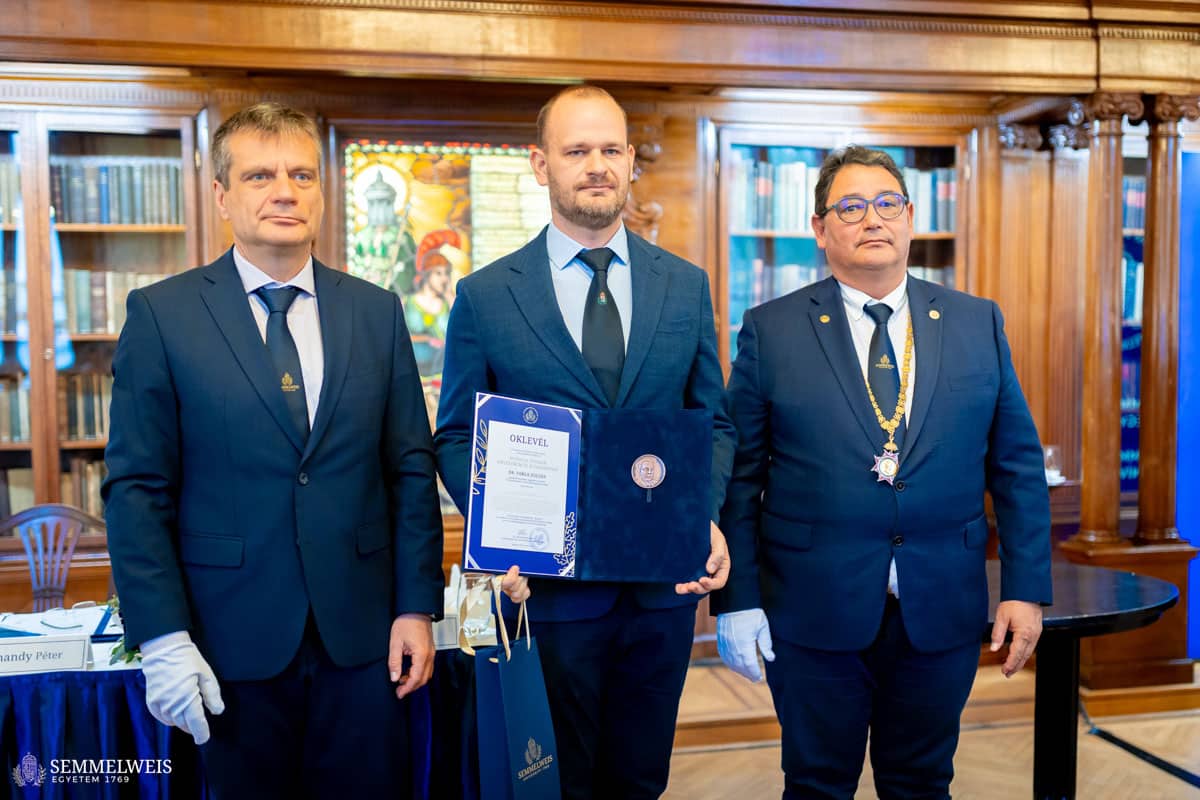
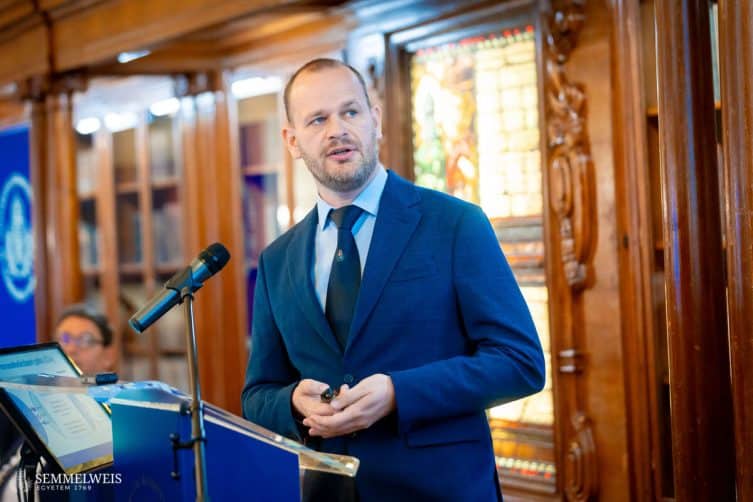 Anti-tumor immunotherapies have revolutionized oncology, significantly increasing patient survival rates, but at the same time, it is becoming increasingly clear that they increase the risk of cardiovascular disease. This year’s recipient of the Huzella Medal, Dr. Zoltán Varga – Deputy Scientific Coordinator and Associate Professor at Semmelweis University’s Department of Pharmacology and Pharmacotherapy – and his Lendület ‘Momentum’ Research Group are investigating this problem. In his laudation, he was praised for his unique research perspective, which always seeks to put a precise understanding of molecular processes at the service of clinical practice. The research group’s goal is to develop strategies that prevent heart damage without reducing the anti-tumor efficacy of immunotherapy.
Gallery
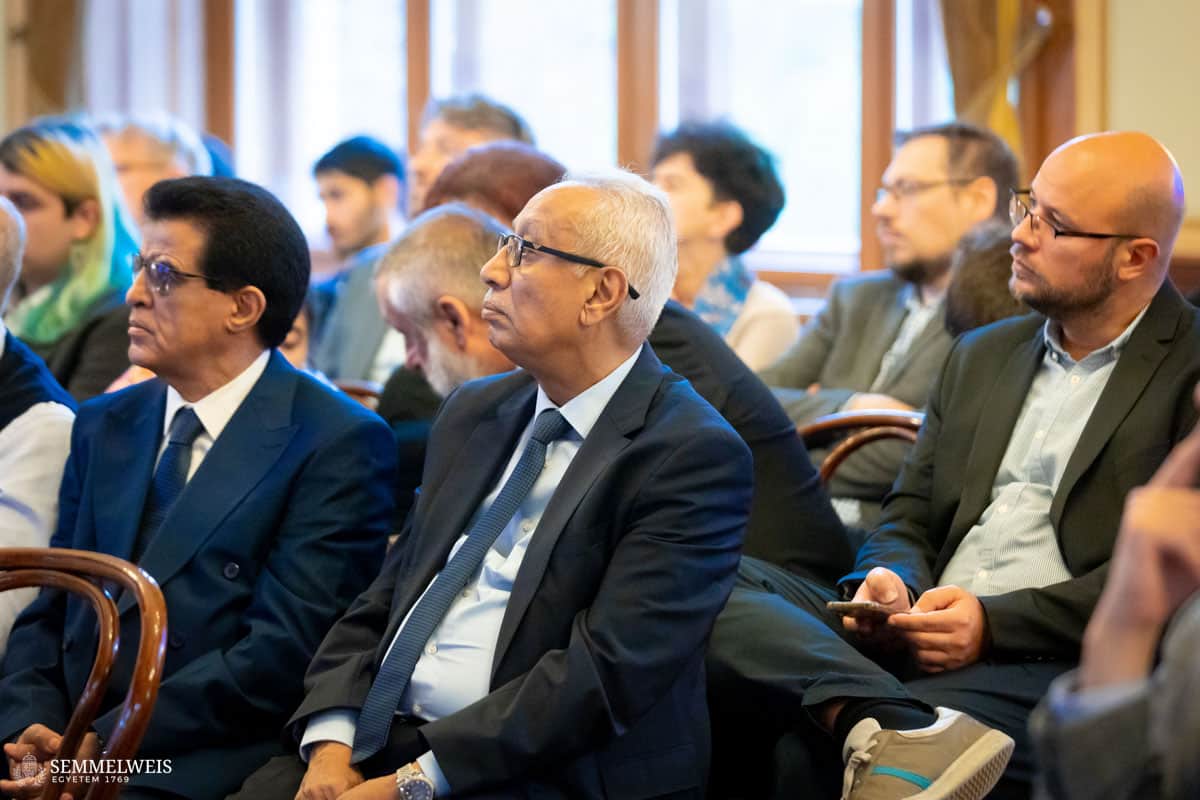
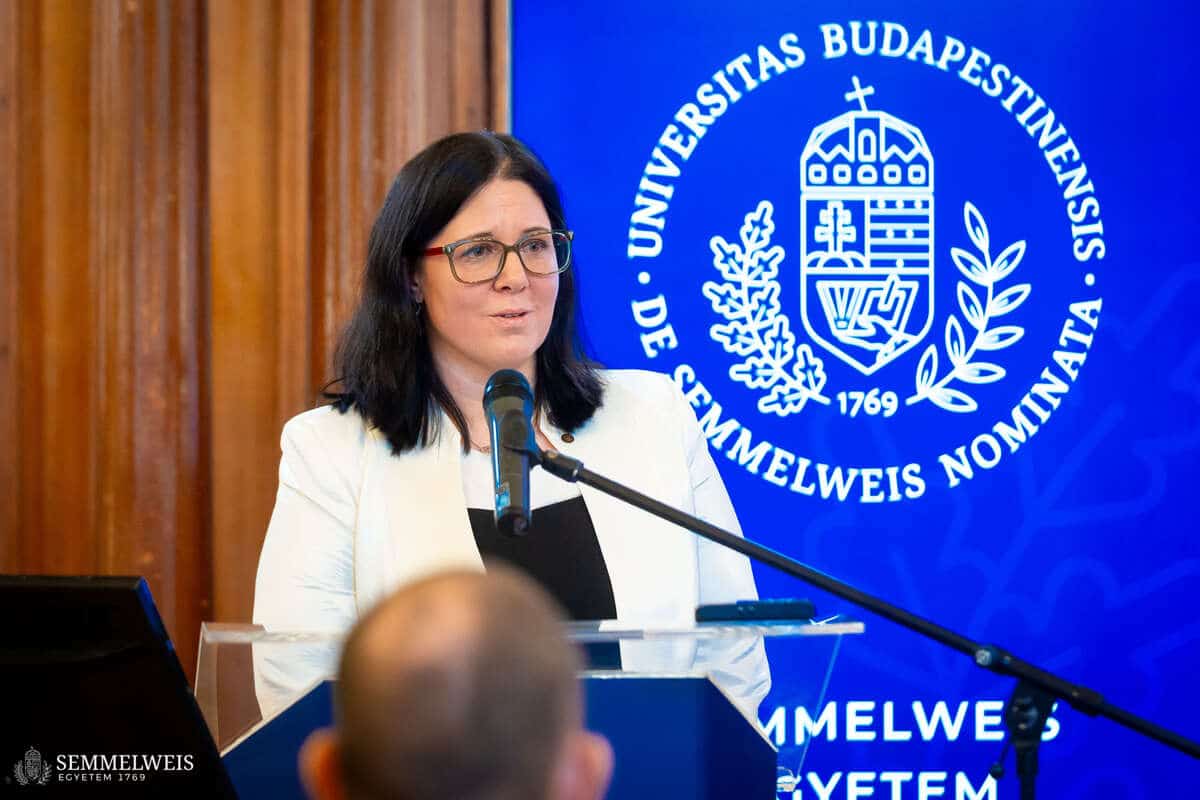
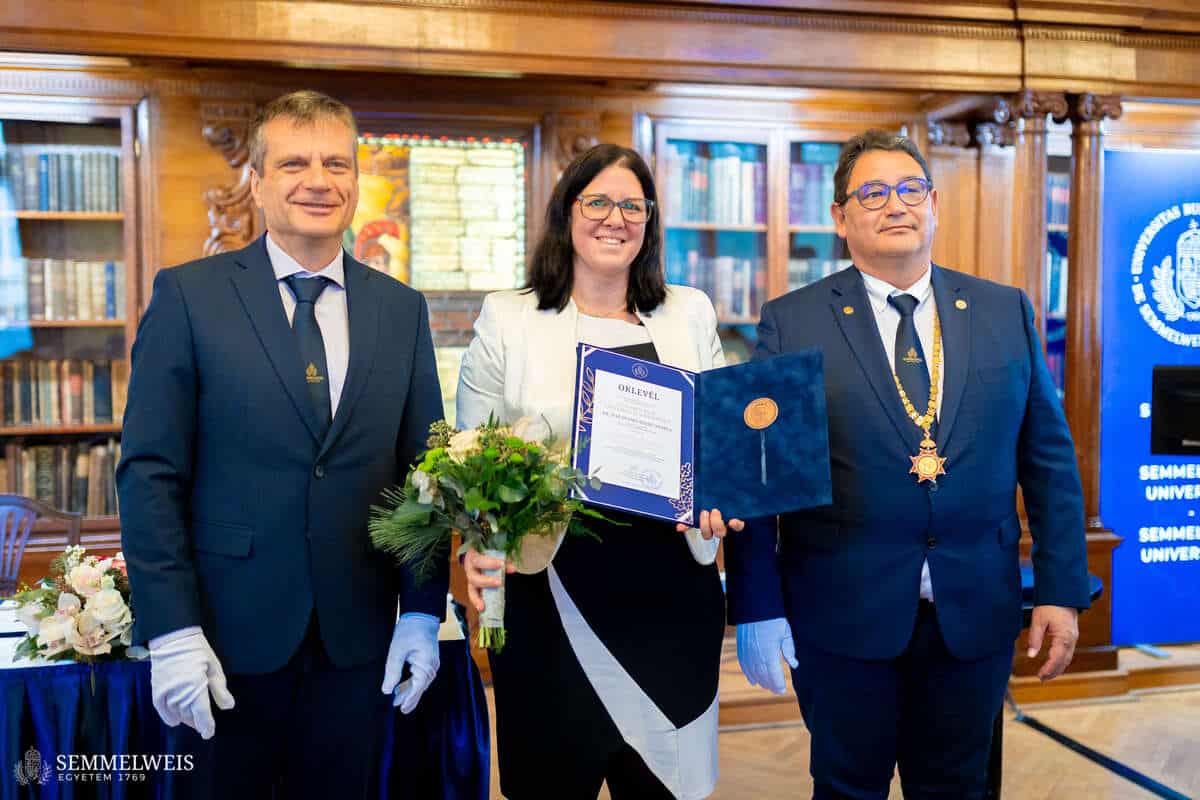
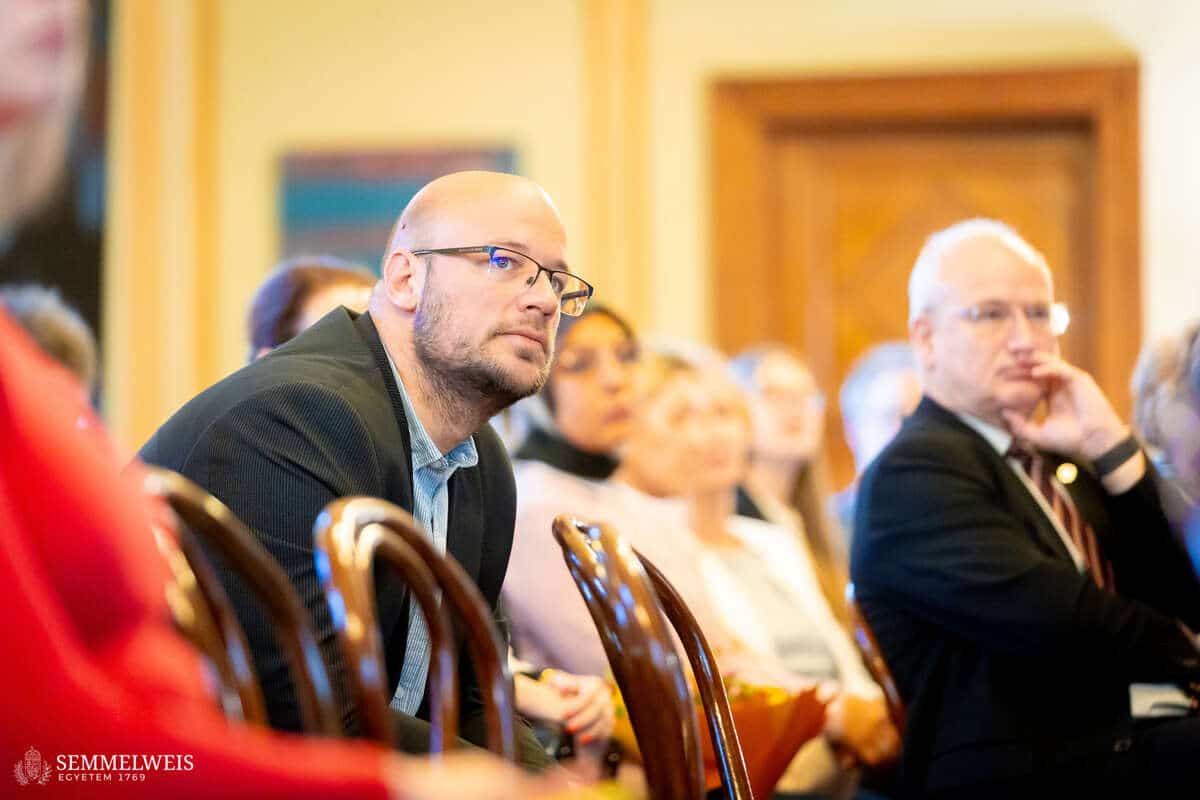

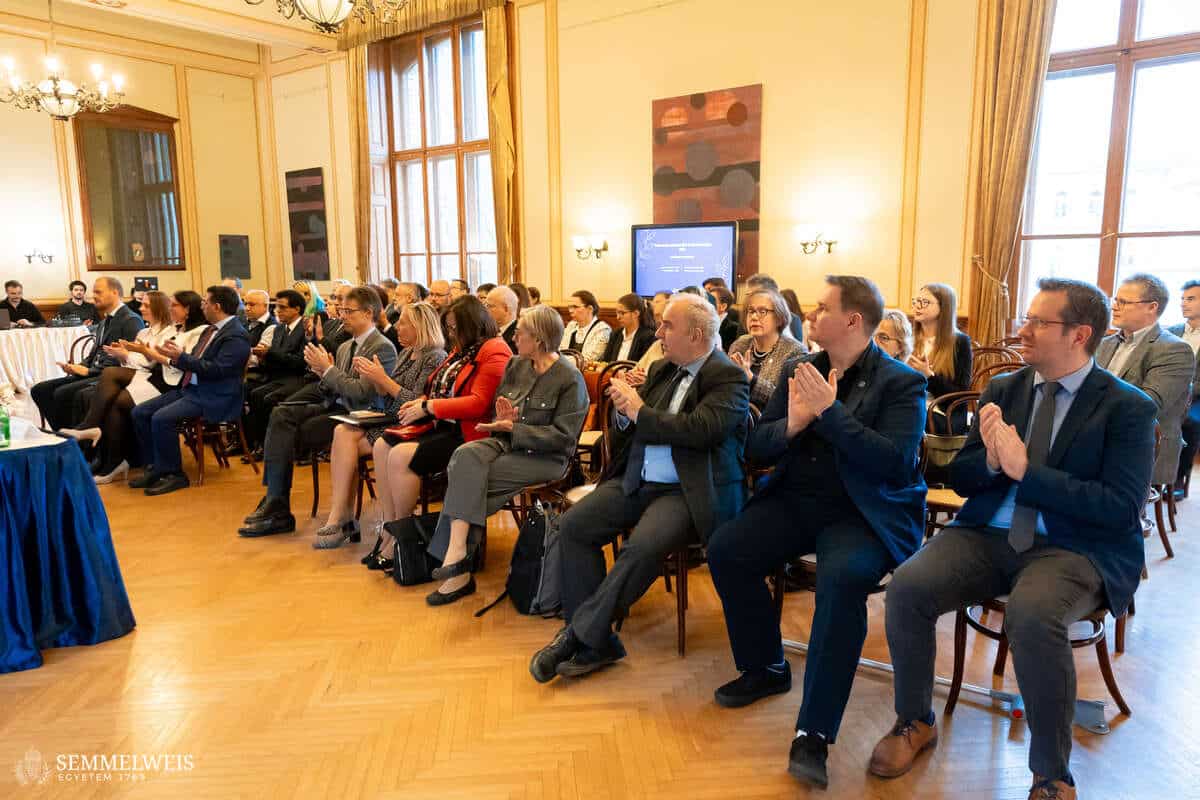
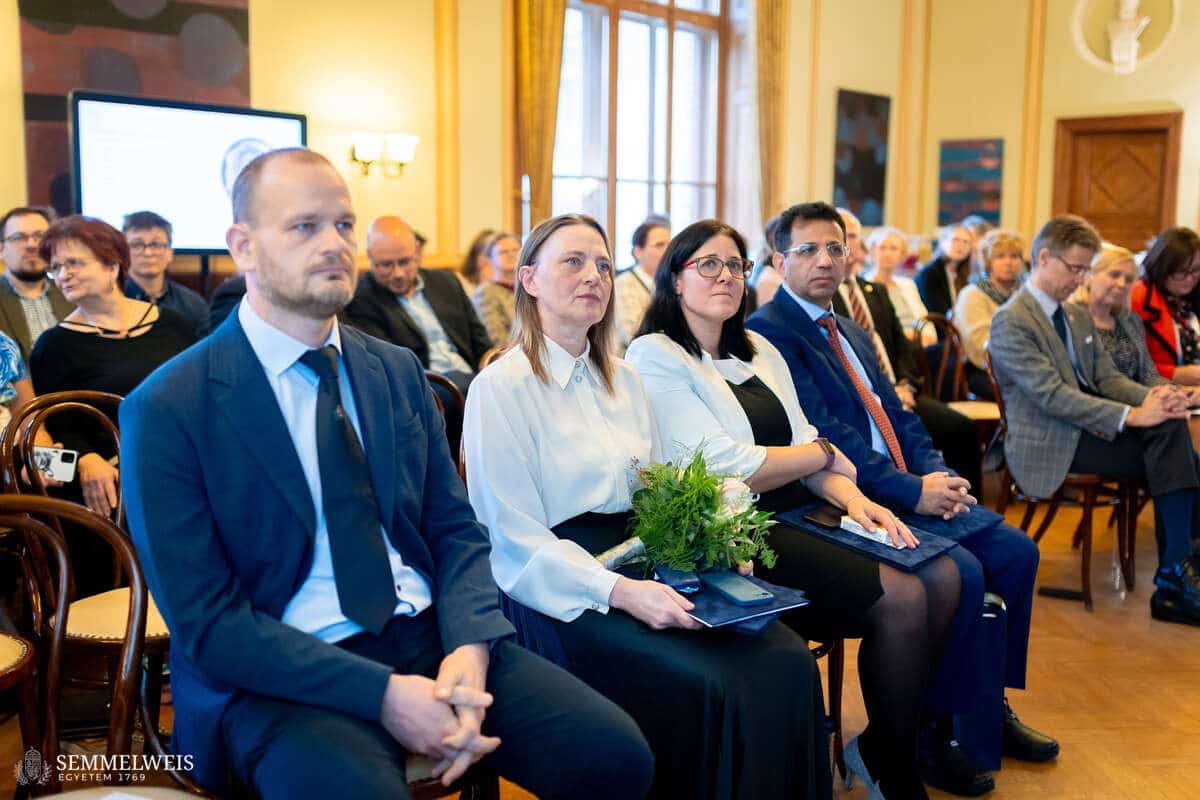
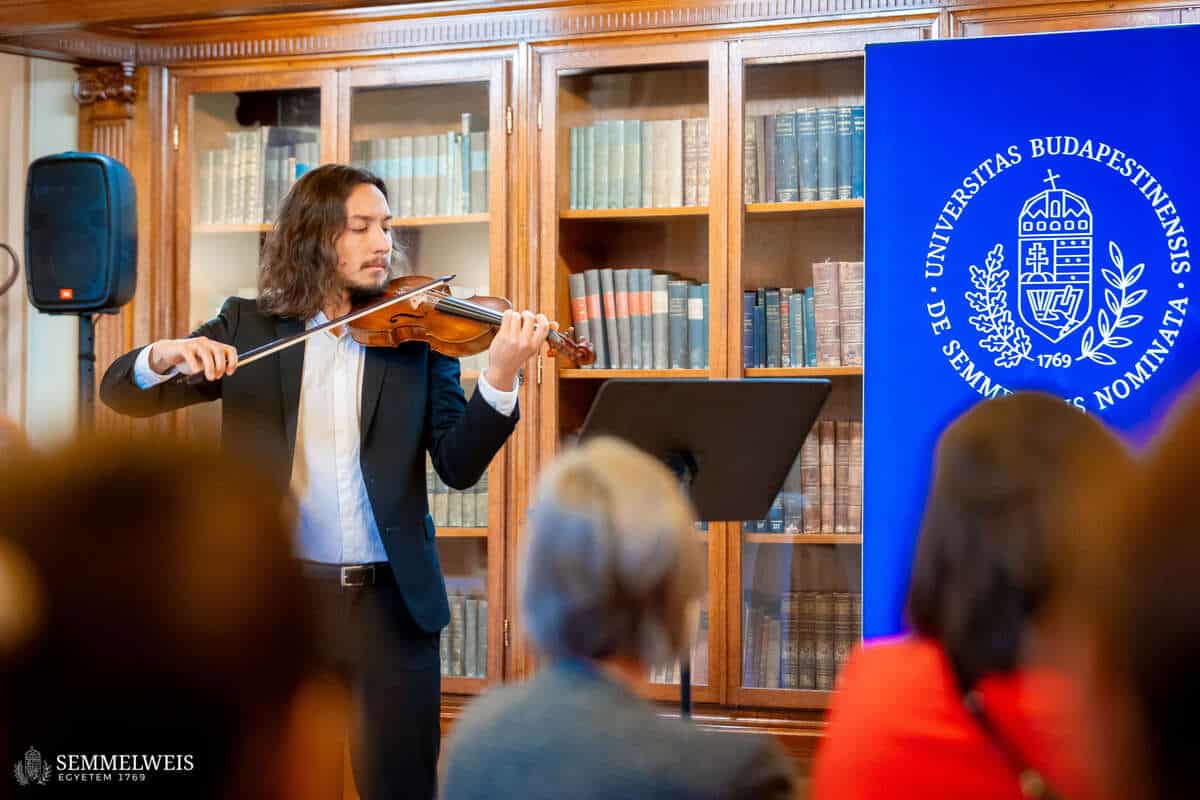
The ceremony was enlivened by Andrej Kapor’s violin performance, who is a member of the Medic Orchestra. Participants were able to listen to movements 3 and 4 of Johann Sebastian Bach’s Sonata No. 2 in A minor.
Melinda Katalin Kiss, Eszter Keresztes, Judit Szabados-Dőtsch
Translation: Dr. Balázs Csizmadia
Photos by Boglárka Zellei – Semmelweis University