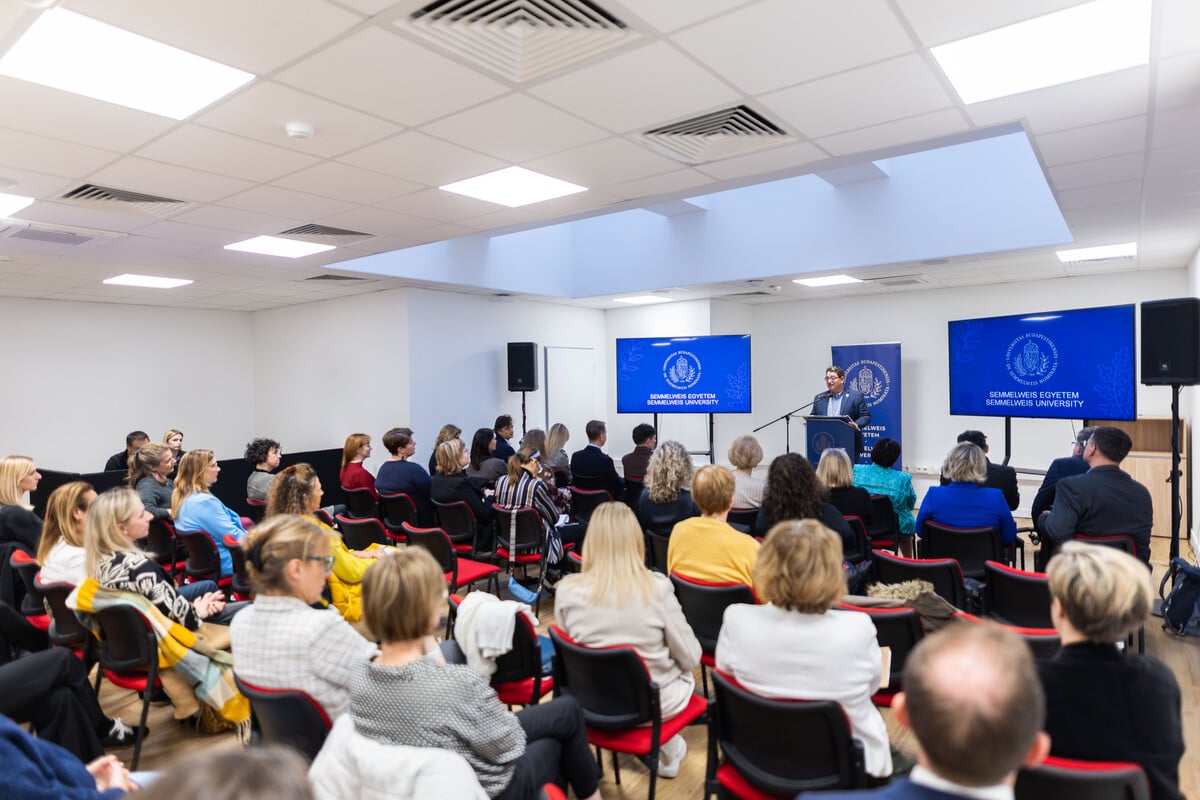
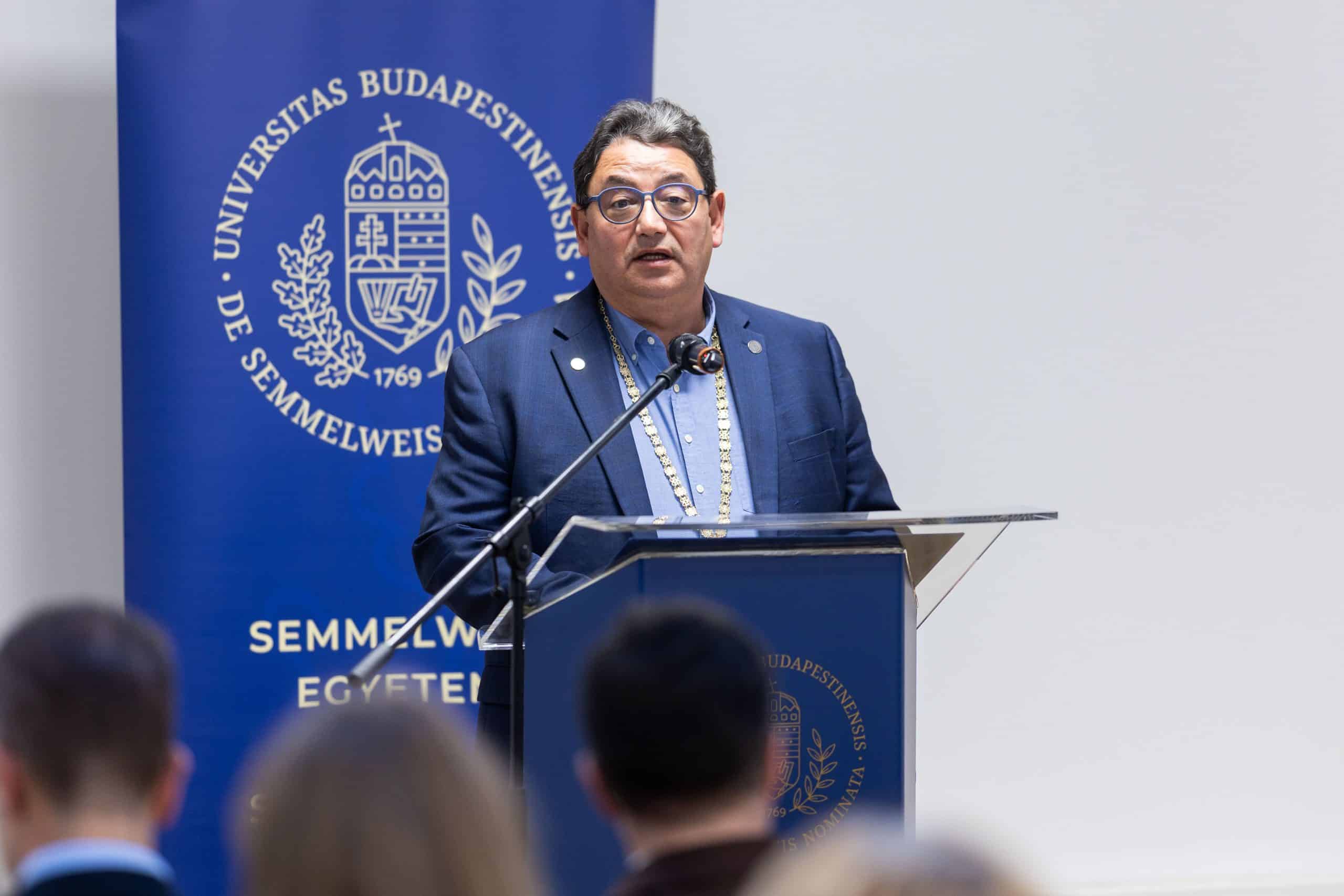
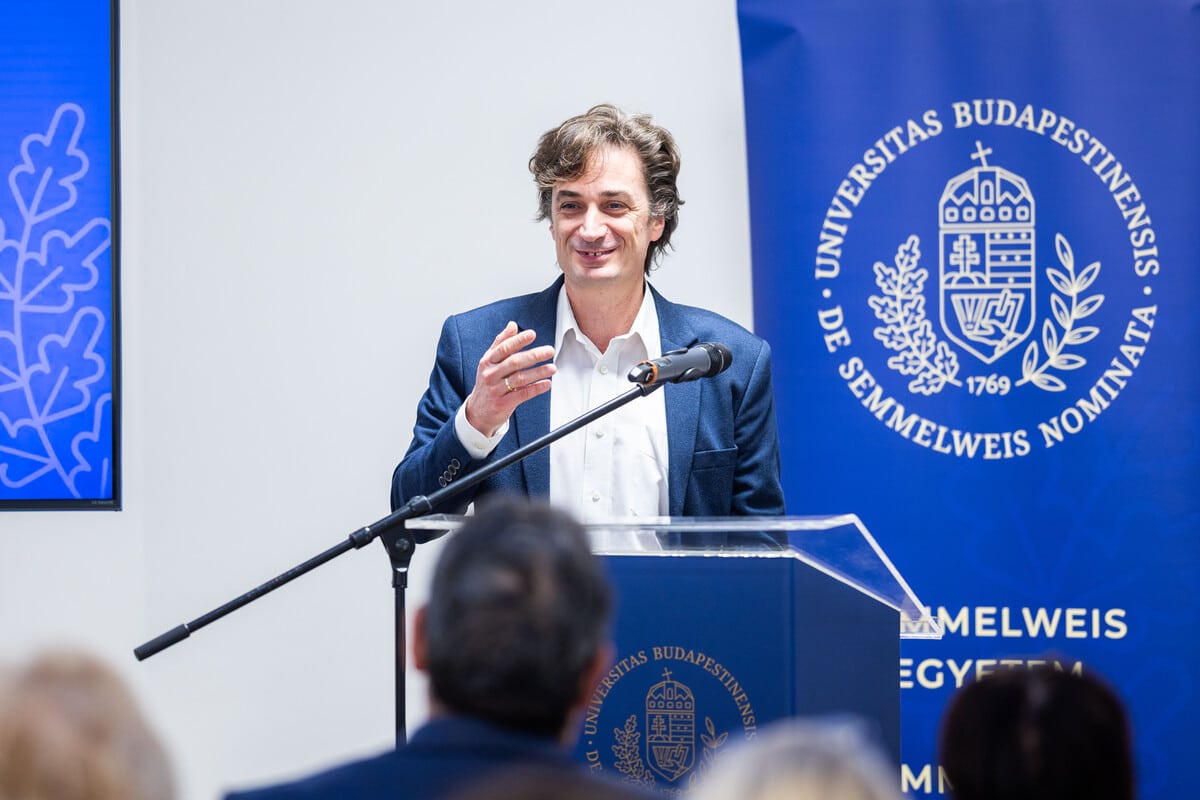
“I am convinced that launching new training programs is not only a unique opportunity for us, but it is also our duty to put the world-class expertise available at our university at the service of psychology students and patients,” said Rector Dr. Béla Merkely at an inter-university information session held at Semmelweis University to present the programs. The event was attended by representatives of partner universities and professional committees as well. As the rector explained, basic psychological training available in Hungary is traditionally humanities-based, despite the fact that psychology, with the development of modern neuroscience, is now an interdisciplinary science. The university’s Evidence-based medical and clinical psychology, Health neuropsychology, Systemic Psychology, and Psychobiology MSc programs respond to real educational and social needs by training psychologists whose education is also based on natural sciences and who work in healthcare settings. With the knowledge acquired at the institution, they will be able to enter postgraduate professional training programs with a healing attitude, but even before that, they will be able to perform their duties more effectively at various levels and in various areas of healthcare as members of a healing team, emphasized Dr. Béla Merkely.
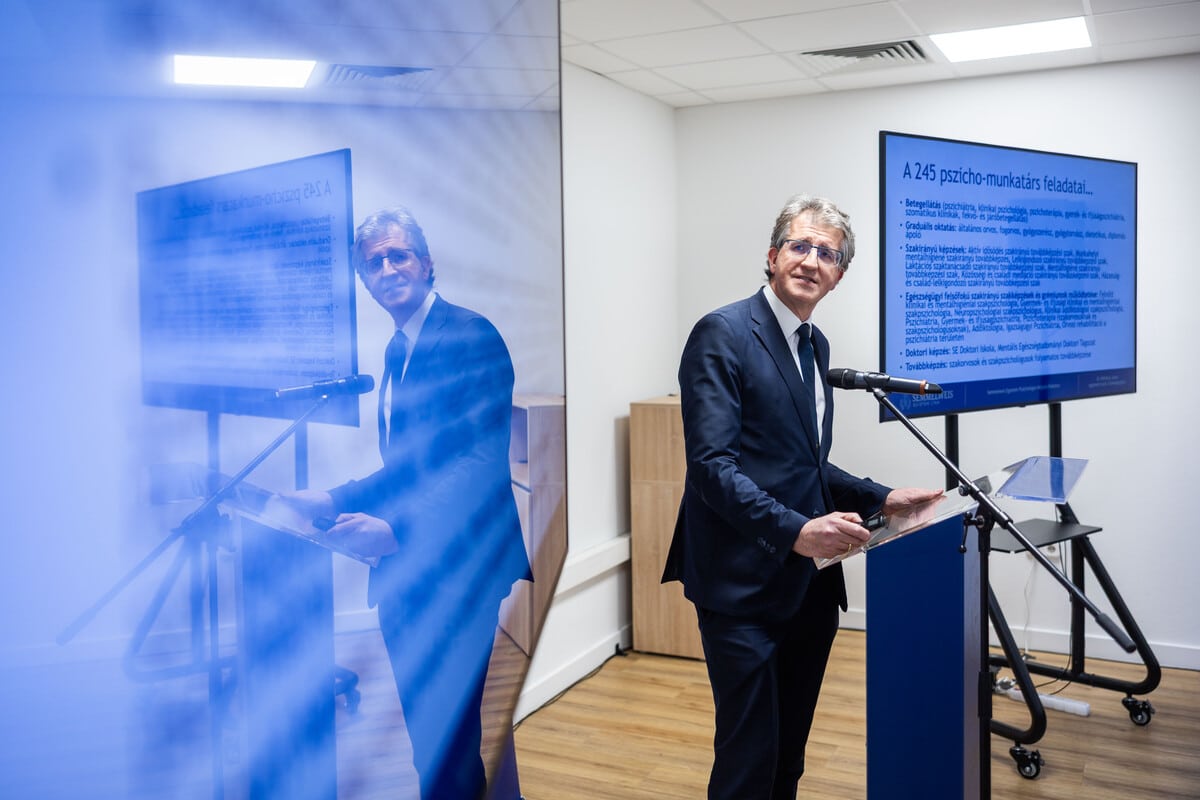
In the context of the newly established Semmelweis Psychological Training Platform, Dr. János Réthelyi, Director of the Department of Psychiatry and Psychotherapy, gave an overview of the university’s existing psychology courses and continuing education programs, speaking highly of the work performed by Semmelweis University in this field. He also noted that expanding the training portfolio in this area required a new structure, a new operational unit across faculties, or at least a cooperation agreement. Thus, the Institute of Mental Health, the Institute of Behavioral Sciences, and the Department of Psychiatry and Psychotherapy, specifically the Department of Clinical Psychology and the Department of Neuropsychology, joined forces to launch the Semmelweis Psychology Training Platform with the aim of offering psychology-related master’s degree programs.
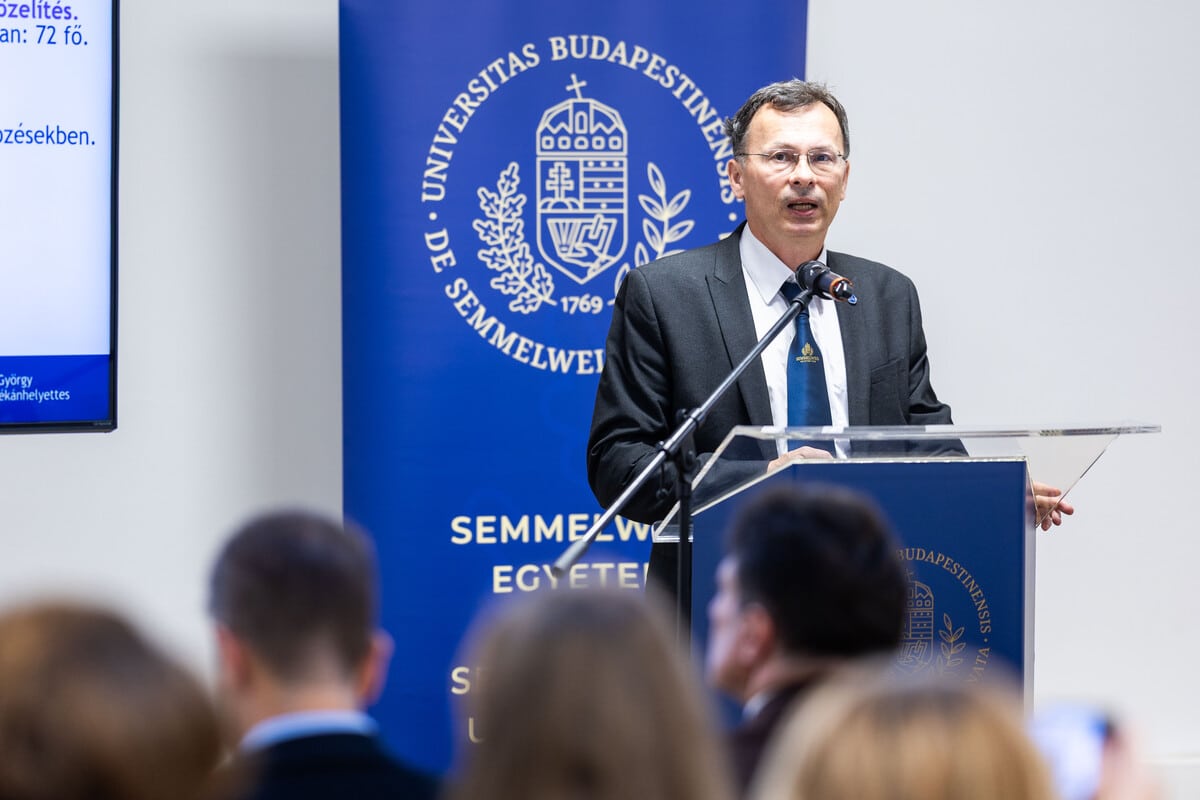
Dr. György Purebl, Vice Dean of the Faculty of Medicine and Director of the Institute of Behavioral Sciences, highlighted the use of evidence-based medical and clinical psychology and natural sciences as common features of the new master’s programs.
All four programs are classified within the field of medicine and health sciences. They are four-semester, 120-credit, full-time programs with a practical orientation, which are hosted by university clinics and laboratories.
Gallery
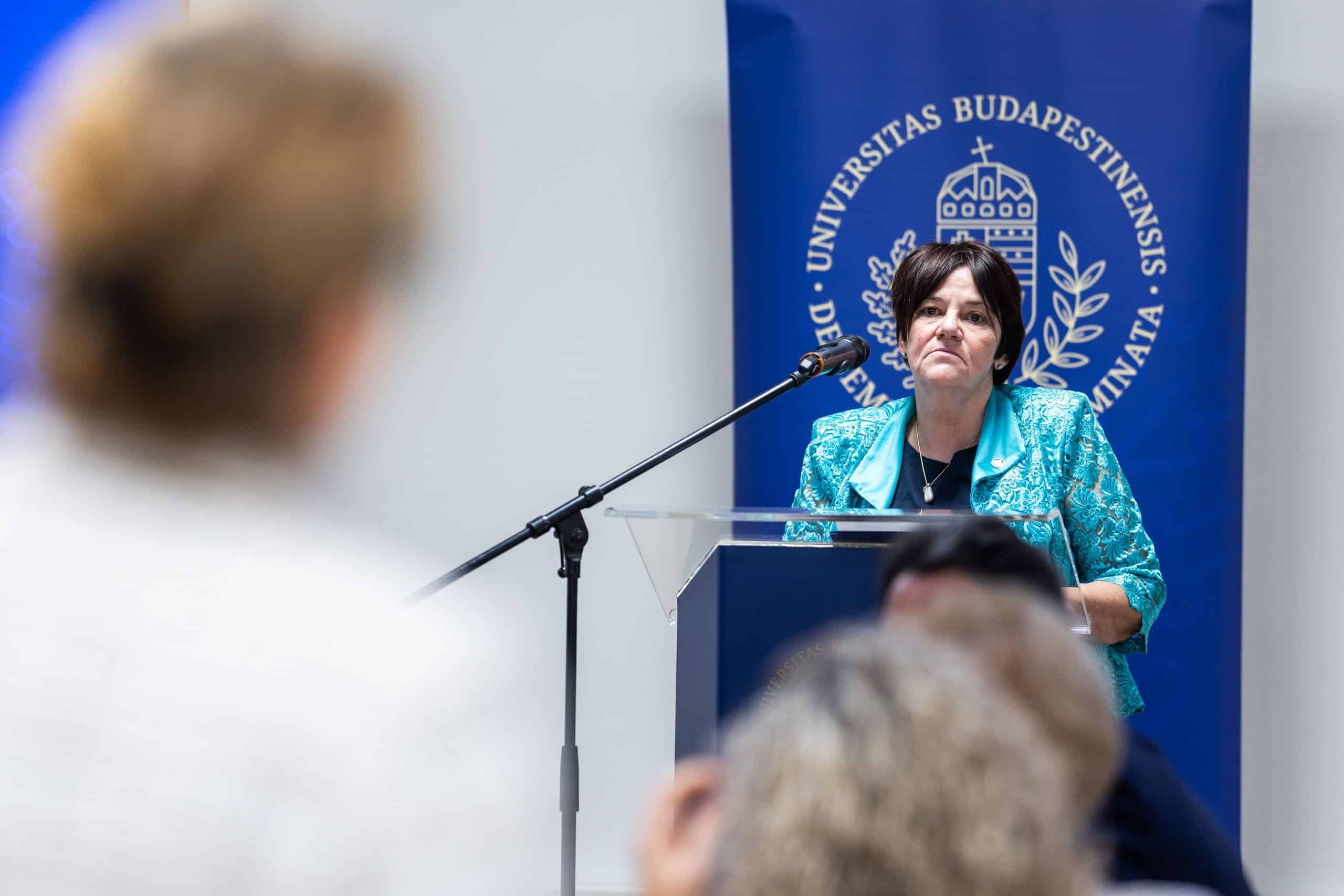
The English-language master’s program in Systemic Psychology is open to students with a bachelor’s degree in psychology or behavioral analysis. The aim of the master’s program, which emphasizes a systemic approach, is to increase the number of professionals providing family-centered care in the healthcare sector, in line with the Hungarian psychotherapist training system, emphasized Dr. György Purebl, noting that a mutual credit recognition agreement was being negotiated with Wheaton College in the United States.
The English-language master’s program in Psychobiology is a research-oriented program based on behavioral physiology, which is open to graduates with degrees in psychology, biology, bioengineering, or molecular bionics, as well as general practitioners, dentists, pharmacists, veterinarians, and those who have completed an undivided teacher training program. The training primarily prepares students for conducting clinically based interdisciplinary research and for continuing postgraduate studies, explained the vice dean.
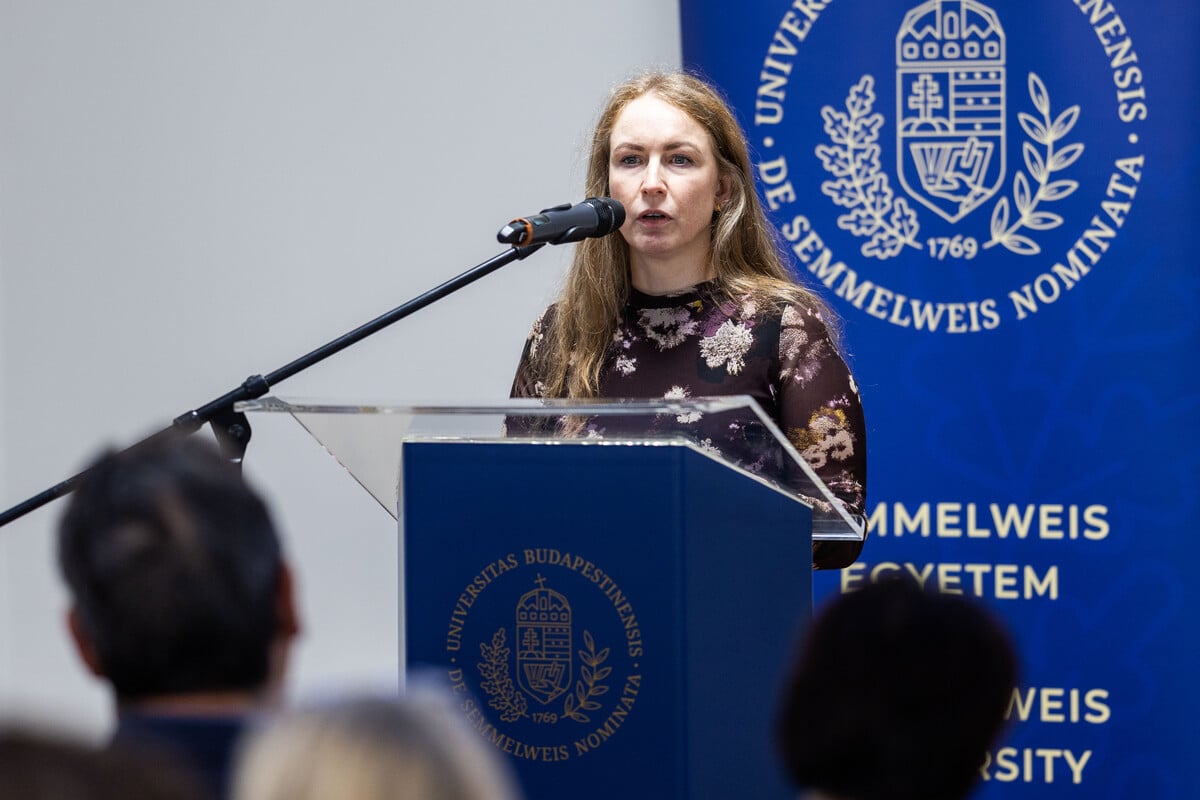
Dr. Beáta Pethesné Dávid, Dean of EKK, announced that two new family therapy outpatient clinics would be opened as a new service from January 2026, using grant support. At the outpatient clinics in the Szent Rókus Clinical Block and the Department of Psychology operating within the Department of Psychiatry and Psychotherapy, university lecturers and visiting colleagues will provide family therapy services to patients and their family members, and these new locations and services will also function as training sites in the future.
Anita Szepesi
Translation: Judit Szabados-Dőtsch
Photos by Bálint Barta – Semmelweis Egyetem