In the world of cardiac surgery, there are processes that take place quietly, yet are indispensable. Zoltán Merkl, a registered nurse at the Városmajor Heart and Vascular Center, plays such a behind-the-scenes role: He is responsible for operating heart-lung machines and ECMO systems. These machines take over the patient’s circulation in critical conditions and during heart and (less frequently) vascular surgery, so Zoltán Merkl’s work requires a high level of concentration and technical expertise. As part of our ‘One day’ series, we now take a closer look at the work of a cardiovascular technician, also known as a perfusionist. Semmelweis University could soon launch a unique vocational training program in this field.
Click on the pictures to read our photo report.
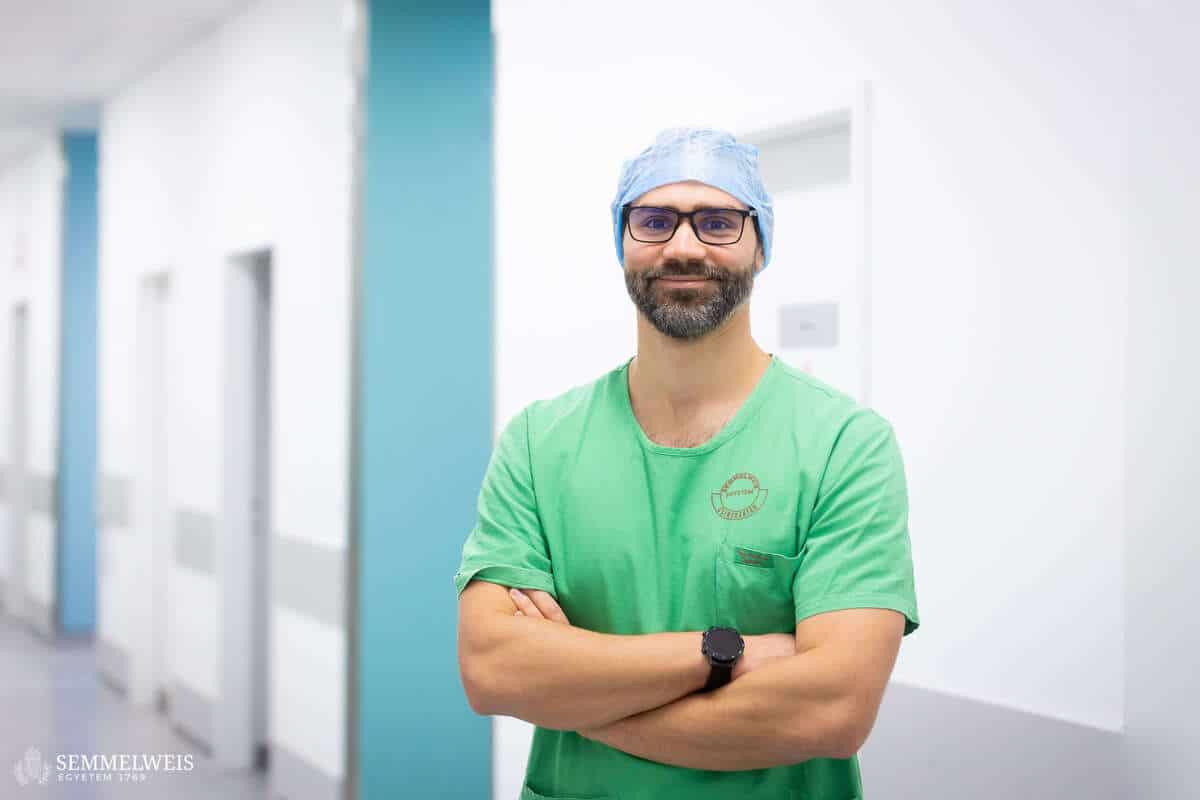
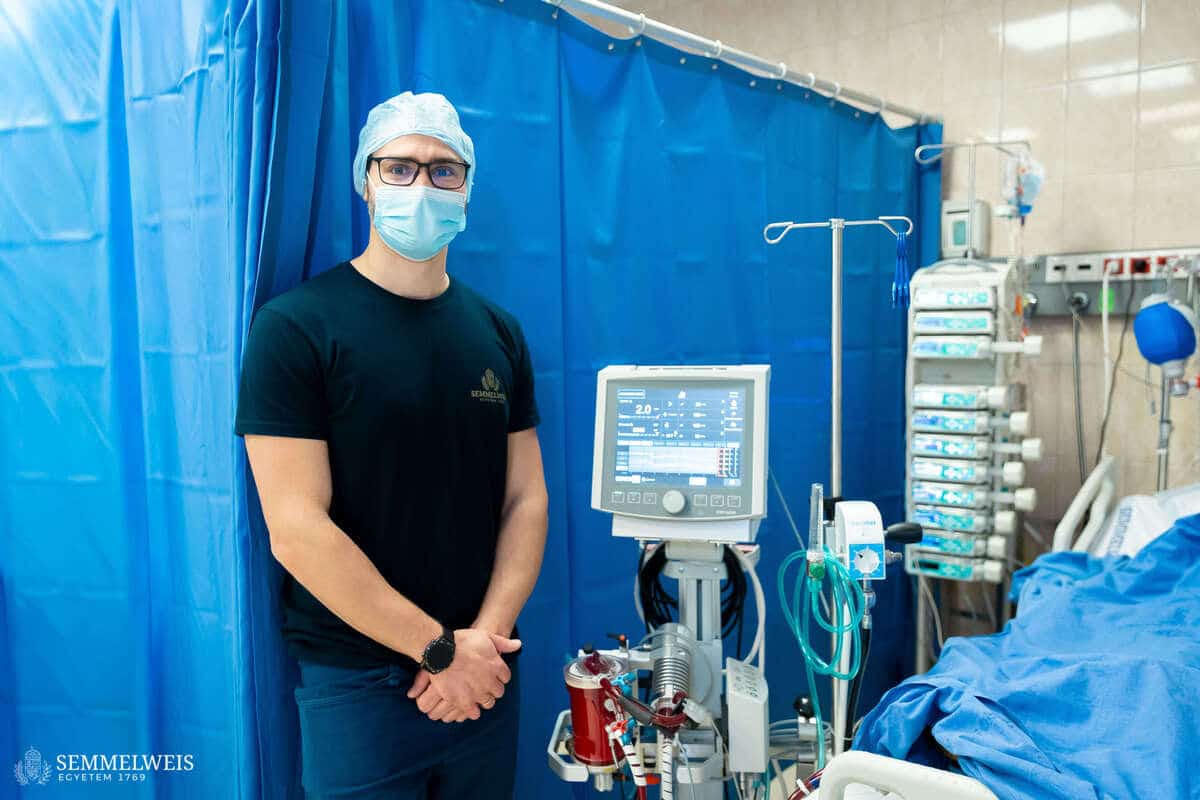
Zoltán Merkl is a 35-year-old registered nurse who has been working as a cardiovascular technician – also known as a perfusionist – at the Városmajor Heart and Vascular Center for eight years. Cardiovascular technicians are responsible for operating the heart-lung machine during heart and large blood vessel surgery, as well as for managing various circulatory support devices in the intensive care unit (ICU).
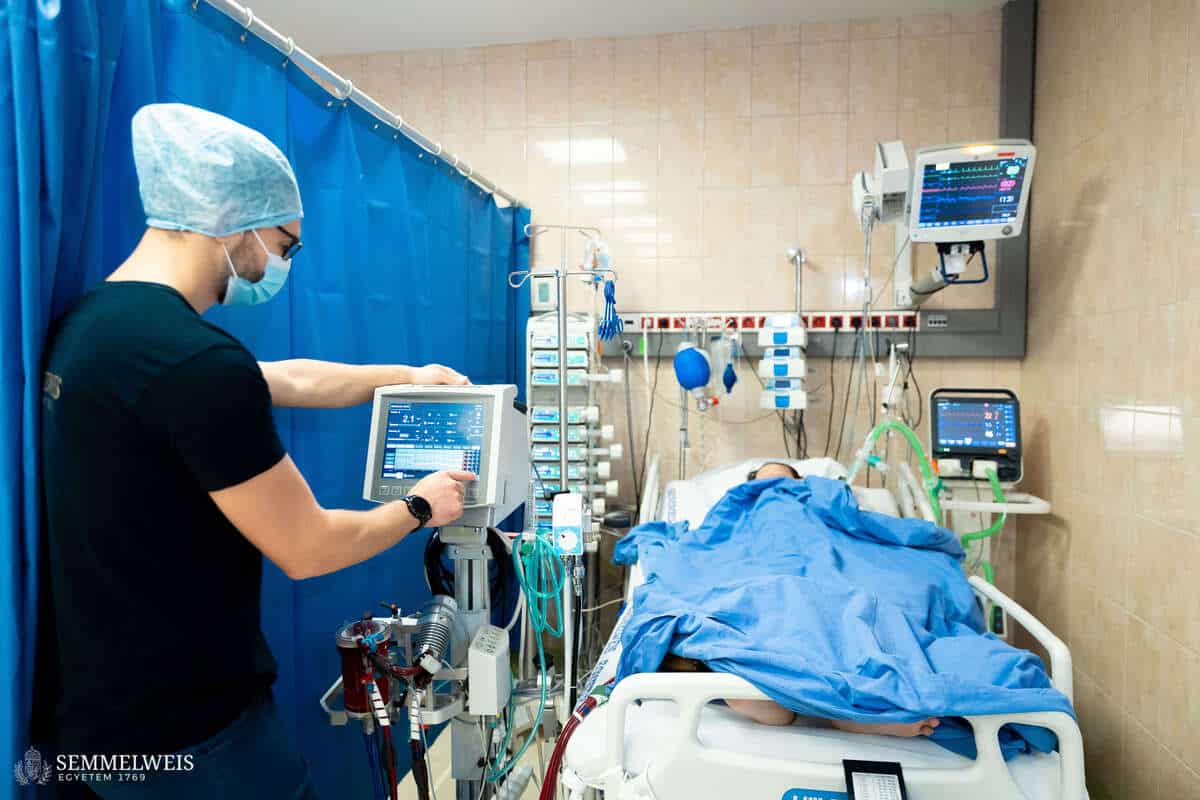
His 12-hour (or 24-hour on call) workday begins and ends with visits to the ICU, where Zoltán checks the condition of patients receiving ECMO support and the functioning of the machines. He believes that the most important thing in his work is to be attentive and level-headed at all times because patients are often completely dependent on the machines.
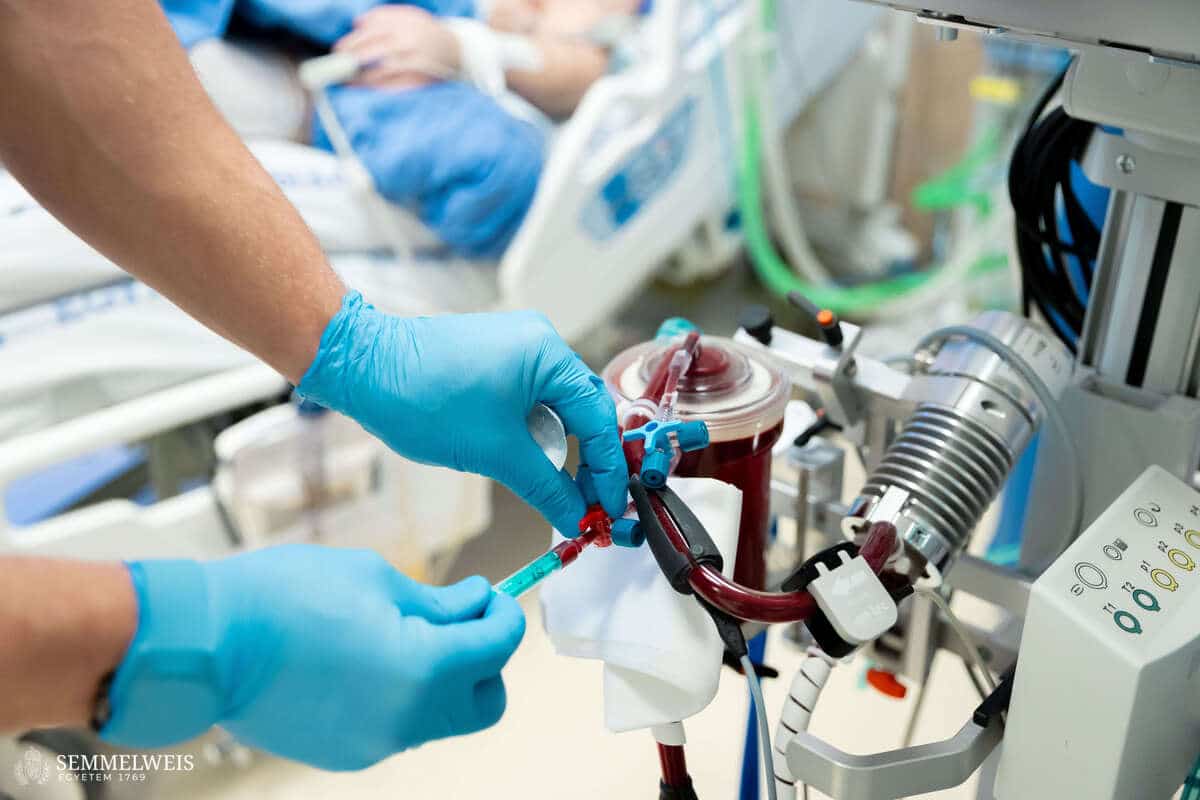
Mechanical circulatory support devices are usually used in the cardiac operating room, the hemodynamic laboratory, or the ICU, where cardiovascular technicians are active participants in the work process. Their tasks include selecting cannulas, preparing and starting the device, and then monitoring the machine’s functions and integrity. When working in the ICU, cardiovascular technicians are involved in operating and monitoring the circulatory support machines of patients in a critical condition.
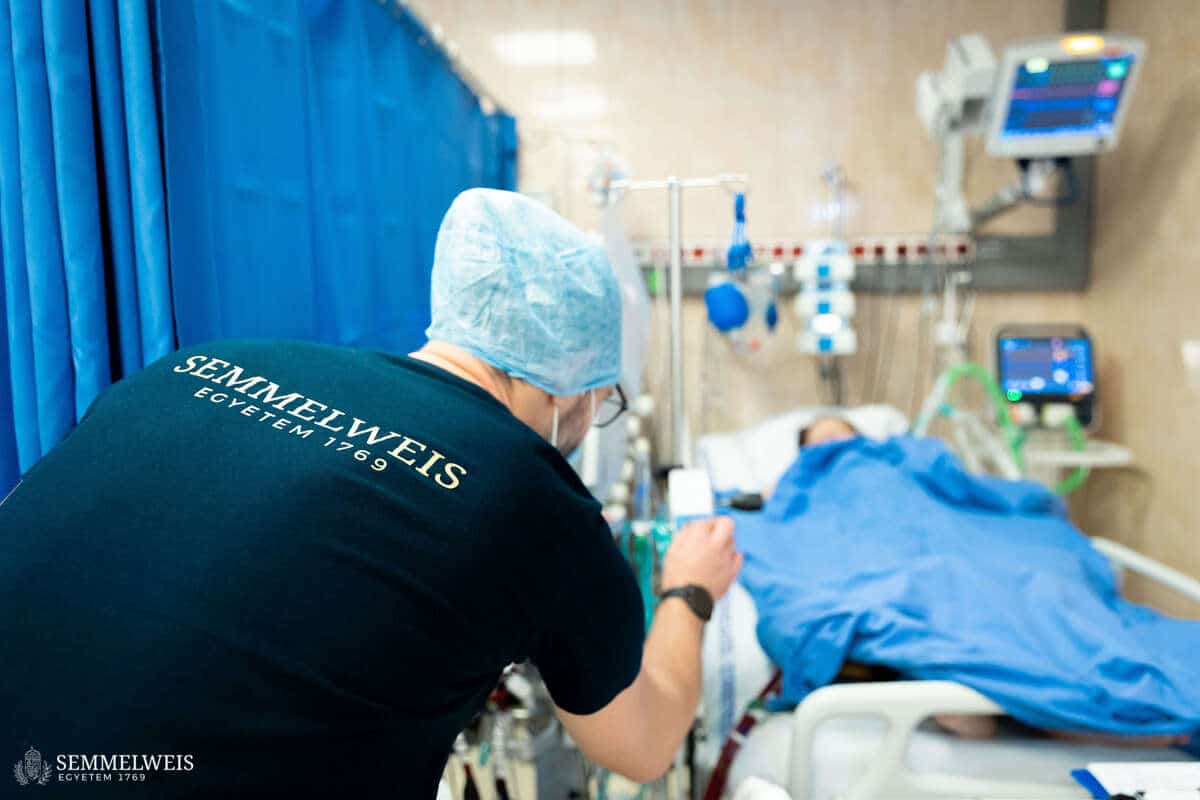
Extracorporeal membrane oxygenation (ECMO) is a form of life support for patients with severe circulatory or respiratory failure in the ICU. This device supplies the patient’s blood with oxygen outside the body and returns it to the body. “The procedure buys us time (bridge therapy) to allow the organ to be taken over (heart, lungs) to regenerate at rest, to carry out tests, and for our doctors to decide on other longer-term circulatory support devices or heart transplants,” explained Zoltán Merkl.
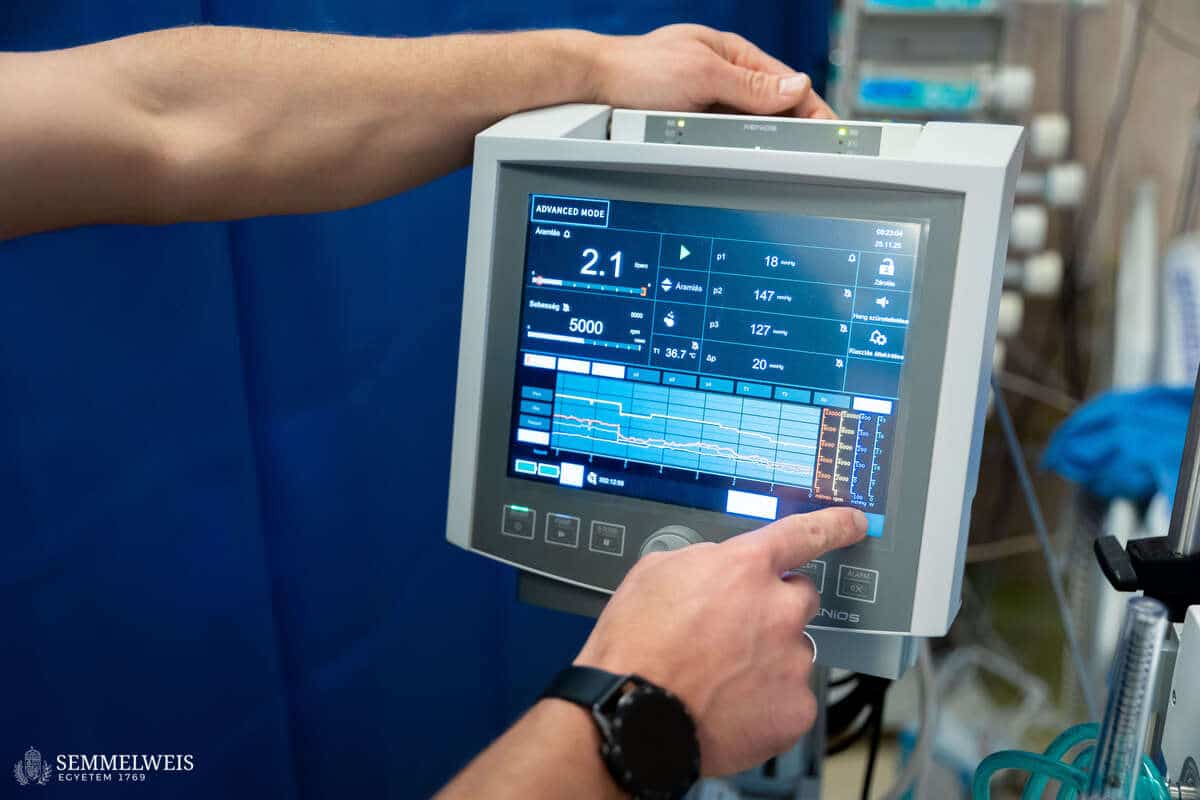
During the pandemic, the cardiology ICU was converted into a complex COVID care facility, performing ECMO treatment on as many patients as possible, thus helping to care for the most seriously ill patients who could not be kept alive even with mechanical ventilation. Zoltán Merkl recalled that this period was physically and mentally stressful, as healthcare workers were also afraid of infection, and despite the most modern technology and the most attentive care, many losses had to be endured.
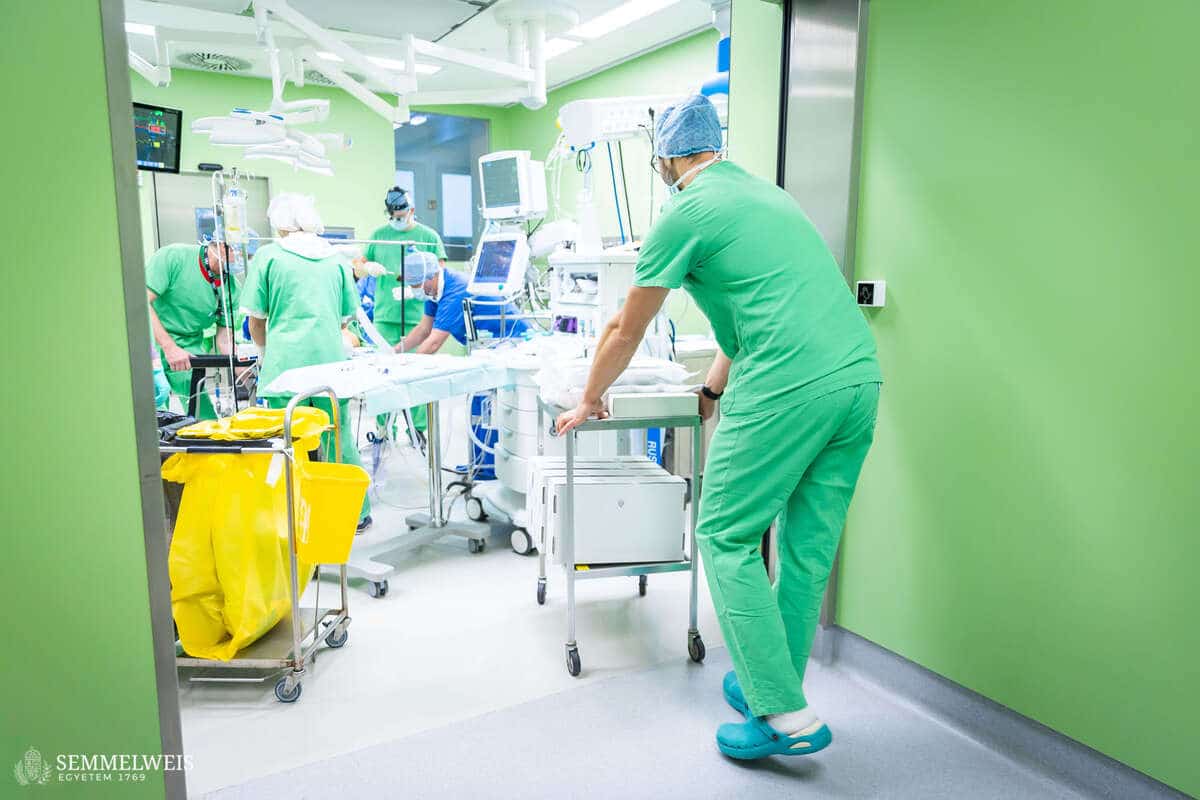
The Városmajor Heart and Vascular Center has two cardiac operating rooms functioning simultaneously, each requiring a cardiovascular technician. The heart-lung machine is a device that takes over circulation and respiration, maintaining the patient’s circulation and tissue oxygenation during heart surgery. In most of these surgeries, the heart is stopped, so its function must be taken over. Examples of such surgeries include coronary artery bypass grafting, heart valve repair or replacement, aortic valve replacement, and heart transplantation.
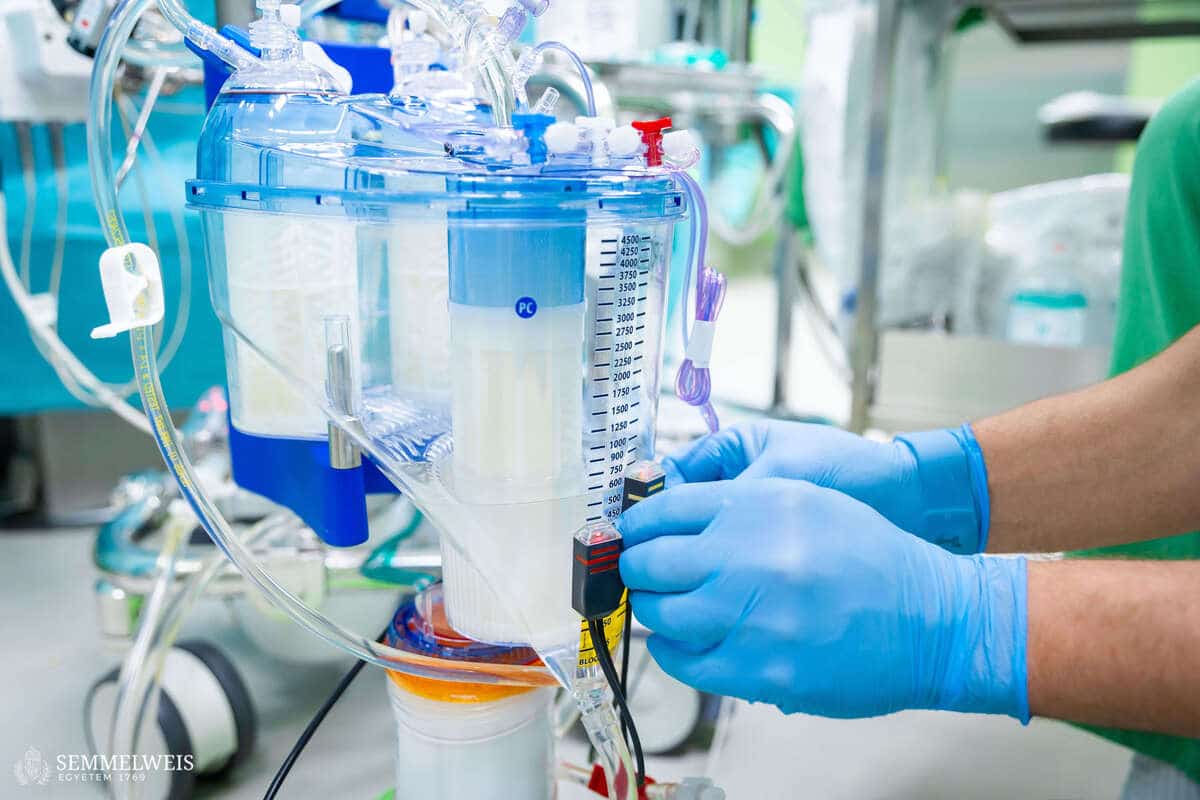
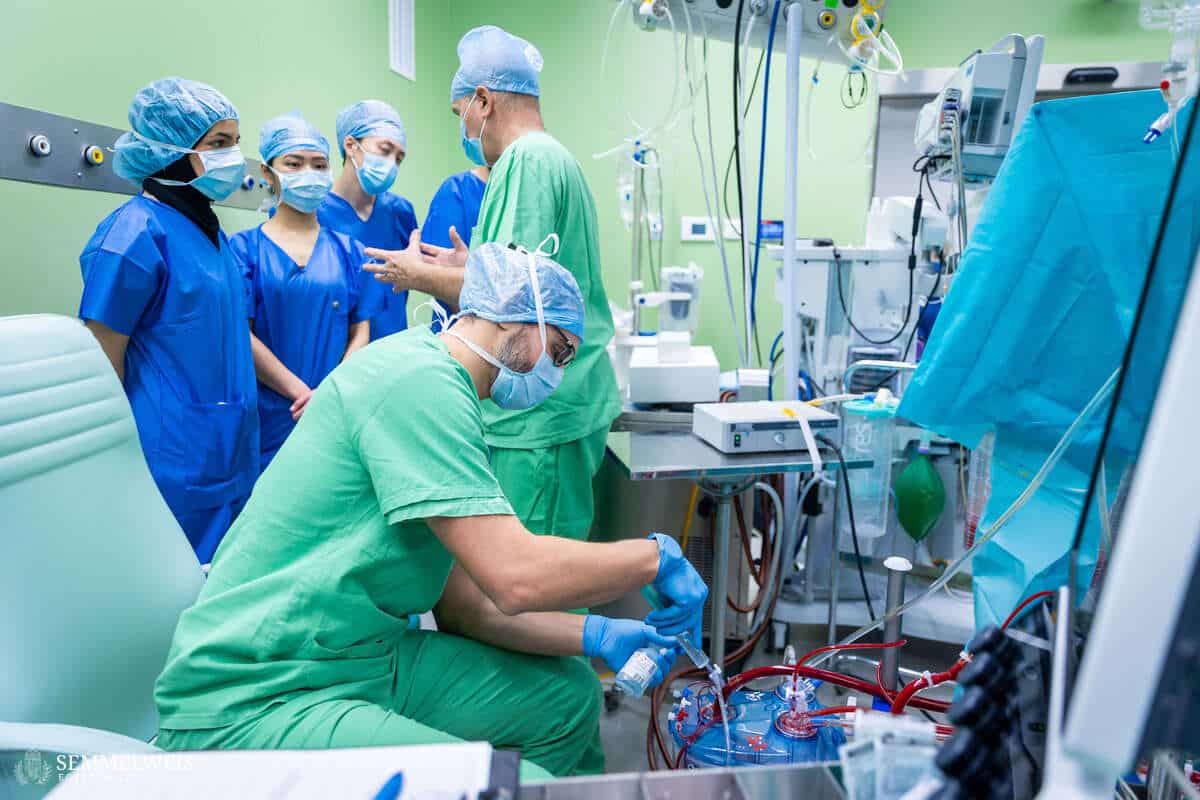
The cardiovascular technician’s job is to prepare the heart-lung machine before surgery, aseptically (without infection) install the disposable tubing set, fill it with infusion solution, and remove the air from it. “With adequate anticoagulation, the surgeon inserts venous and arterial cannulas (this can be done at several points in the vascular system or heart), to which we attach the machine’s tubing set,” Zoltán Merkl noted, explaining the process. Several safety features, such as blood level, bubble, pressure, and flow sensors, ensure that the procedure is safe. In the photo, Zoltán Merkl is placing a level sensor on the venous reservoir.
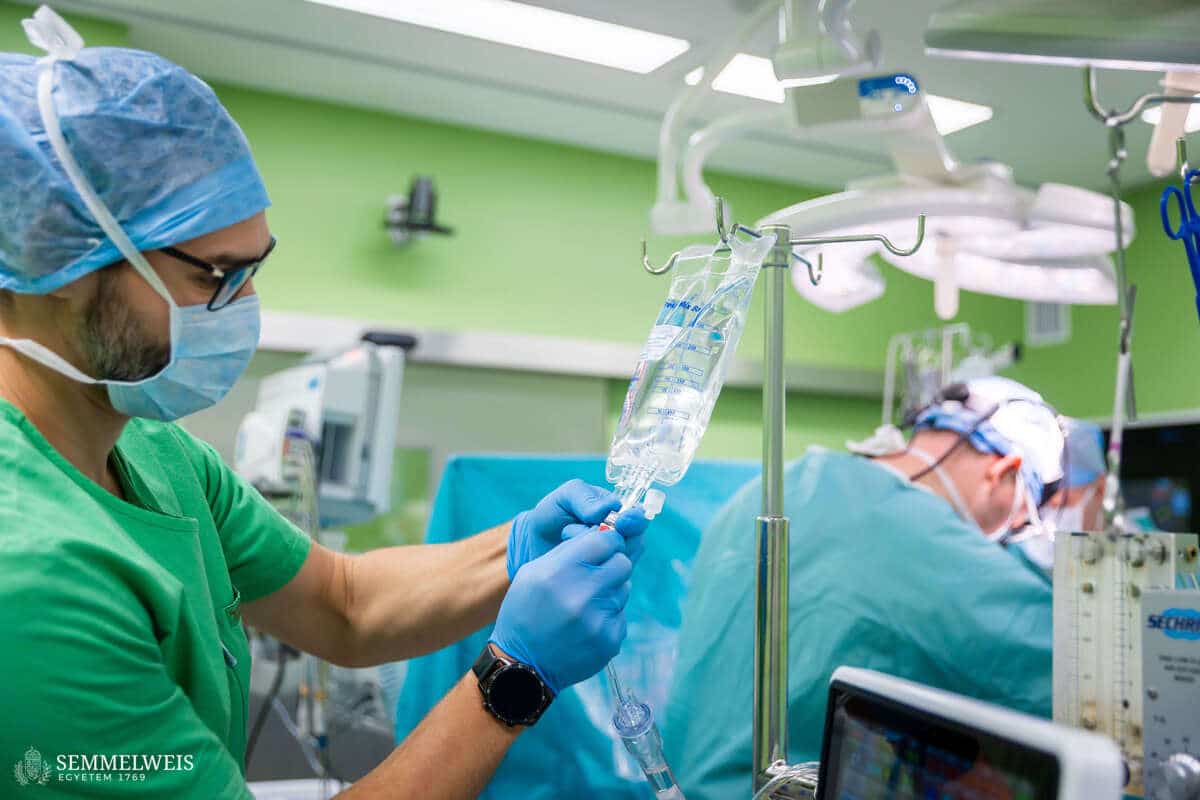
After the motor starts, the surgeons exclude the heart from the circulation provided by the heart-lung machine and then stop its functioning with special solutions.
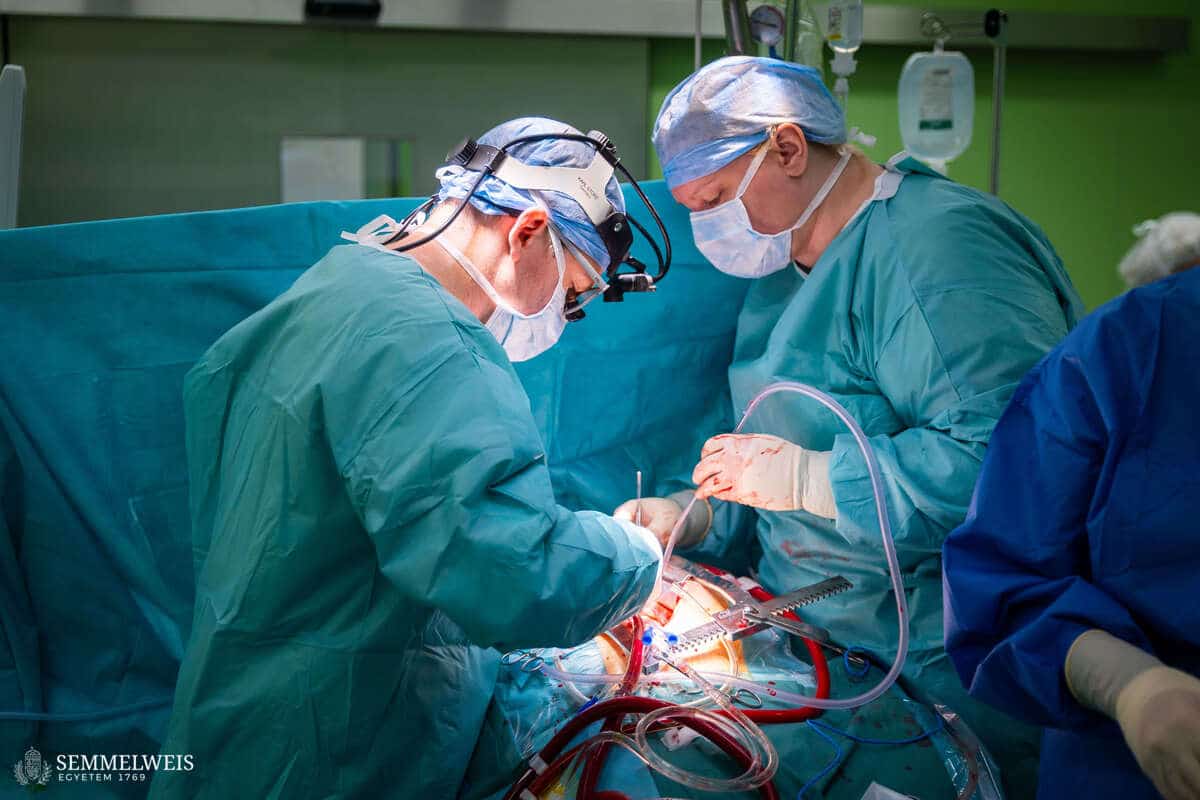
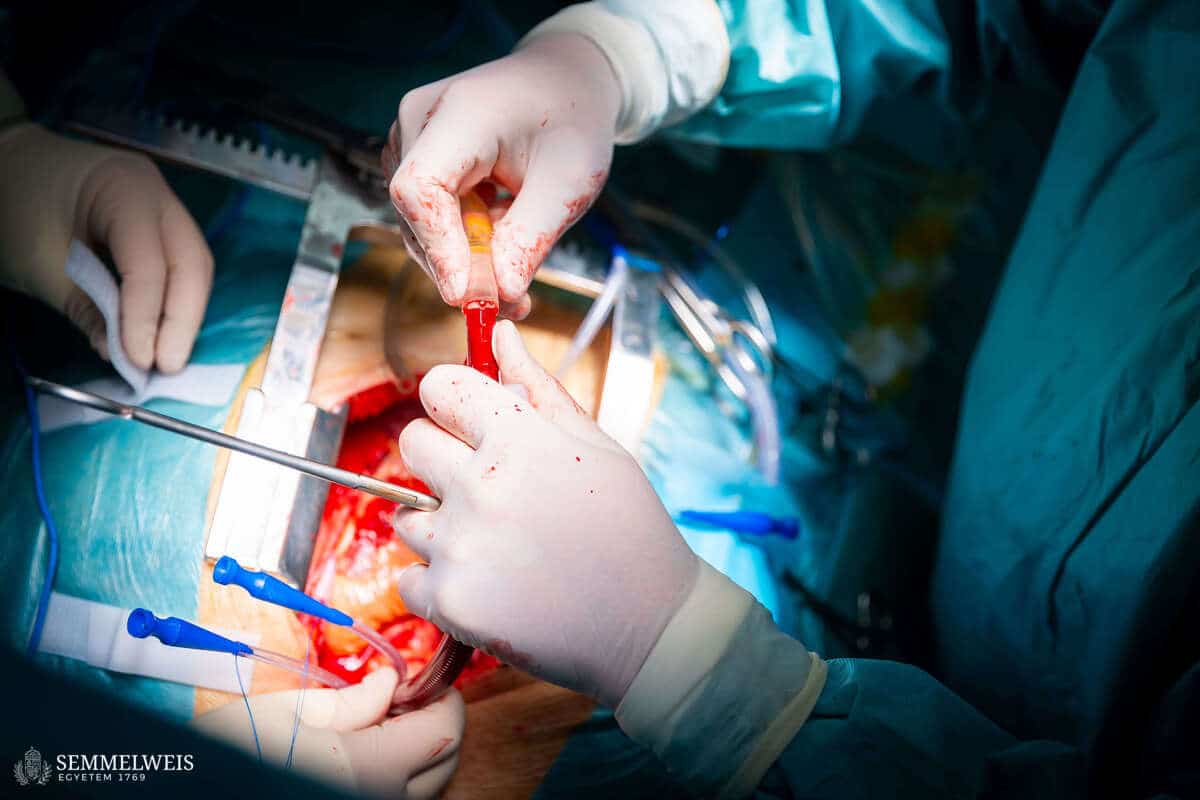
They can then operate on a stationary and bloodless heart, while the patient’s circulation is maintained by the motor, which is controlled by the perfusionist.
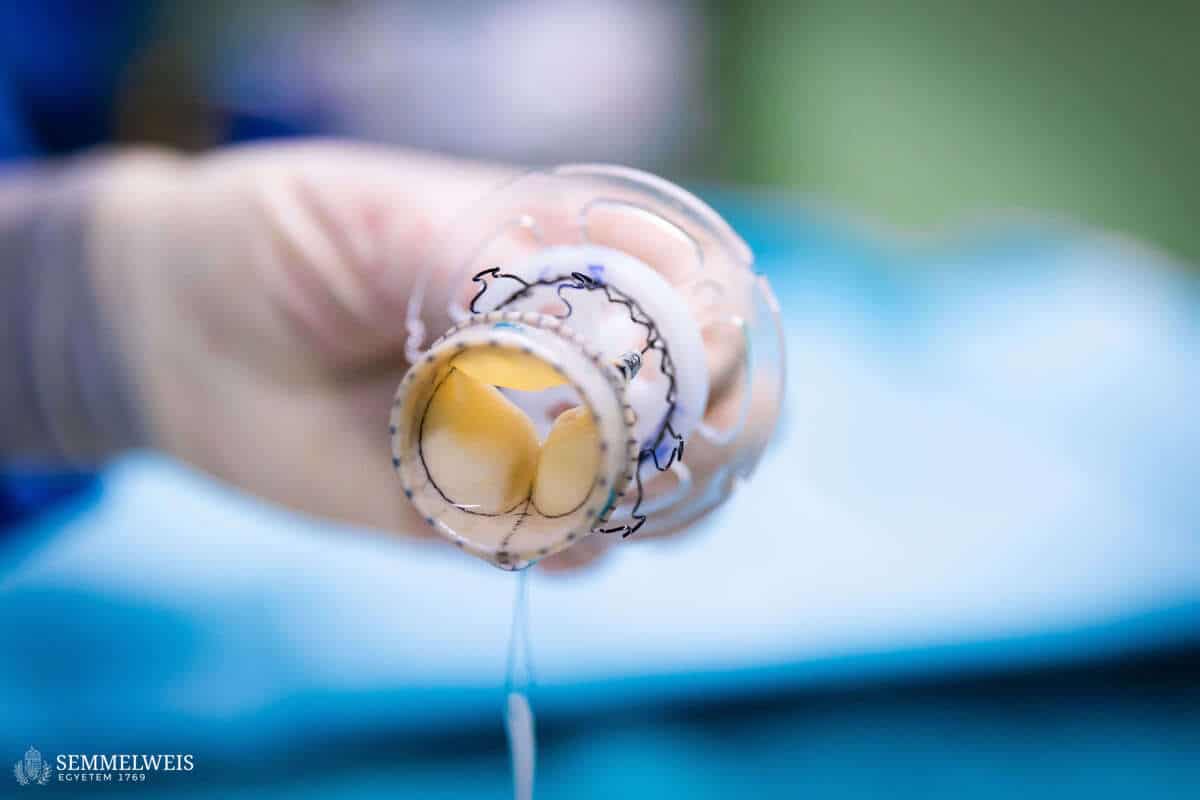
This is what an artificial aortic valve looks like before implantation.
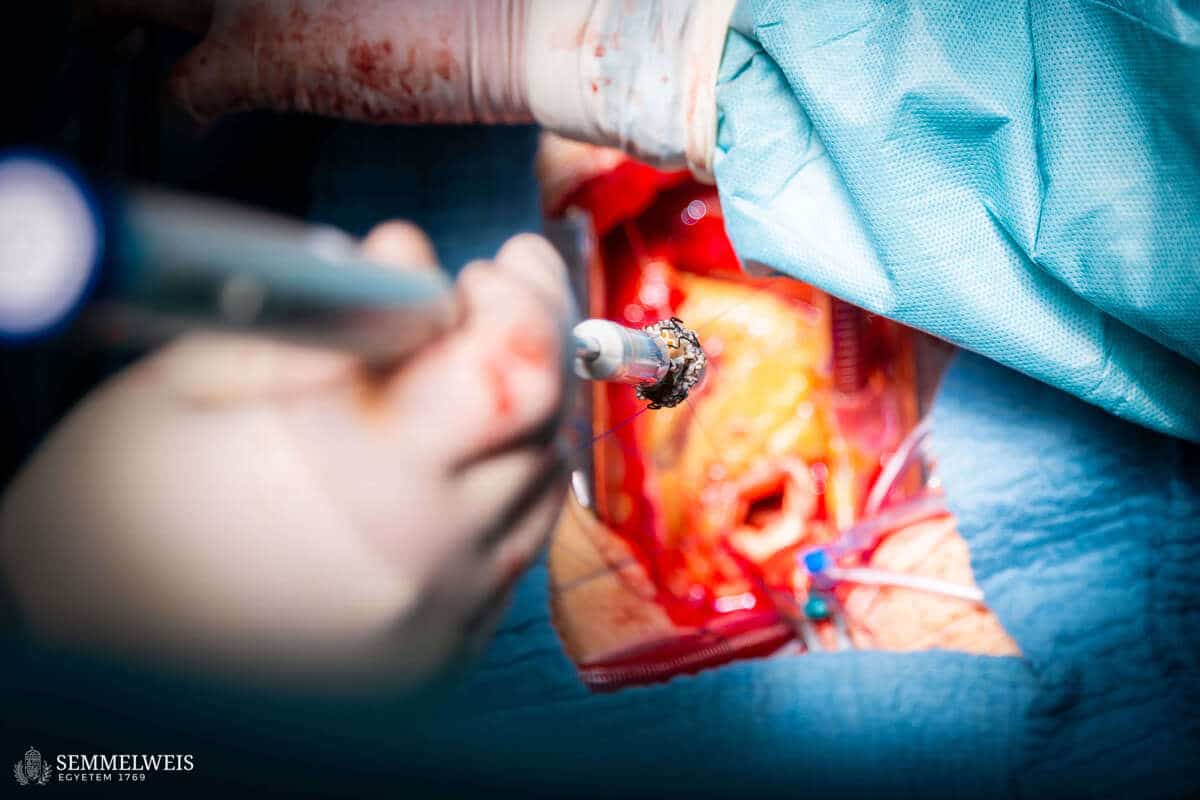
The picture shows the artificial aortic valve during implantation.
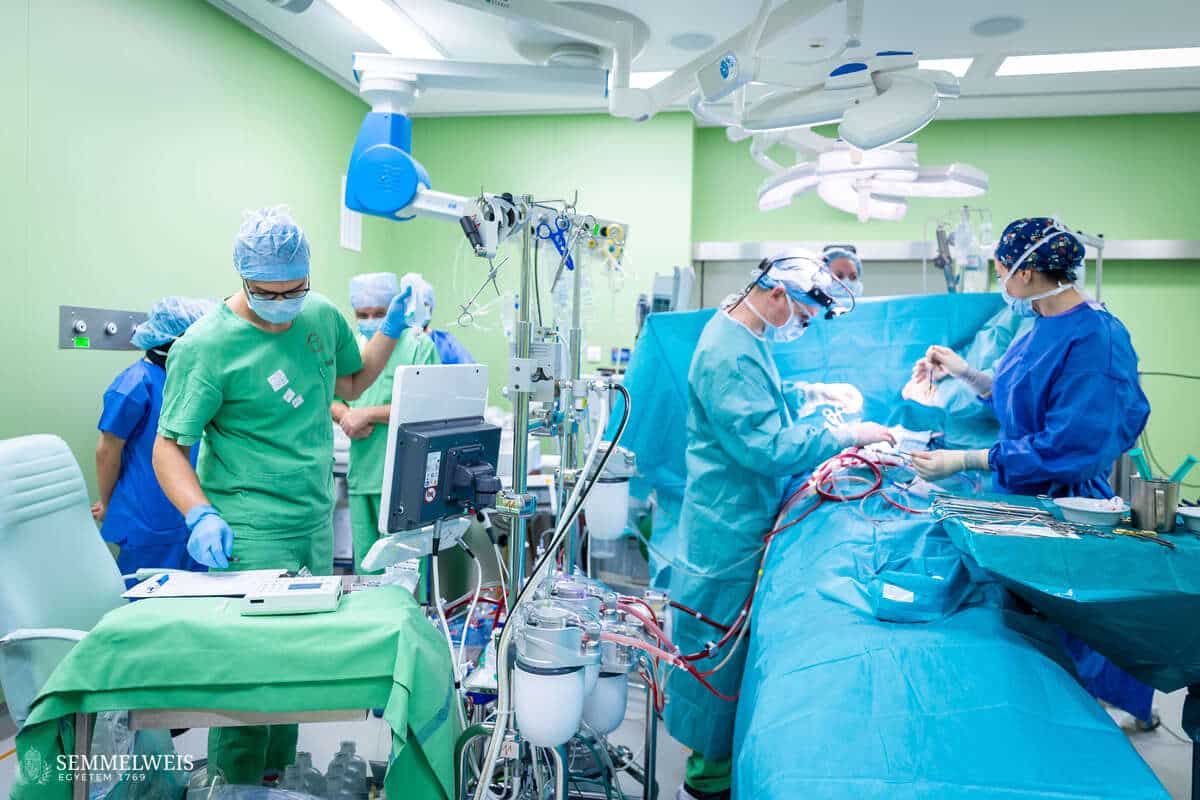
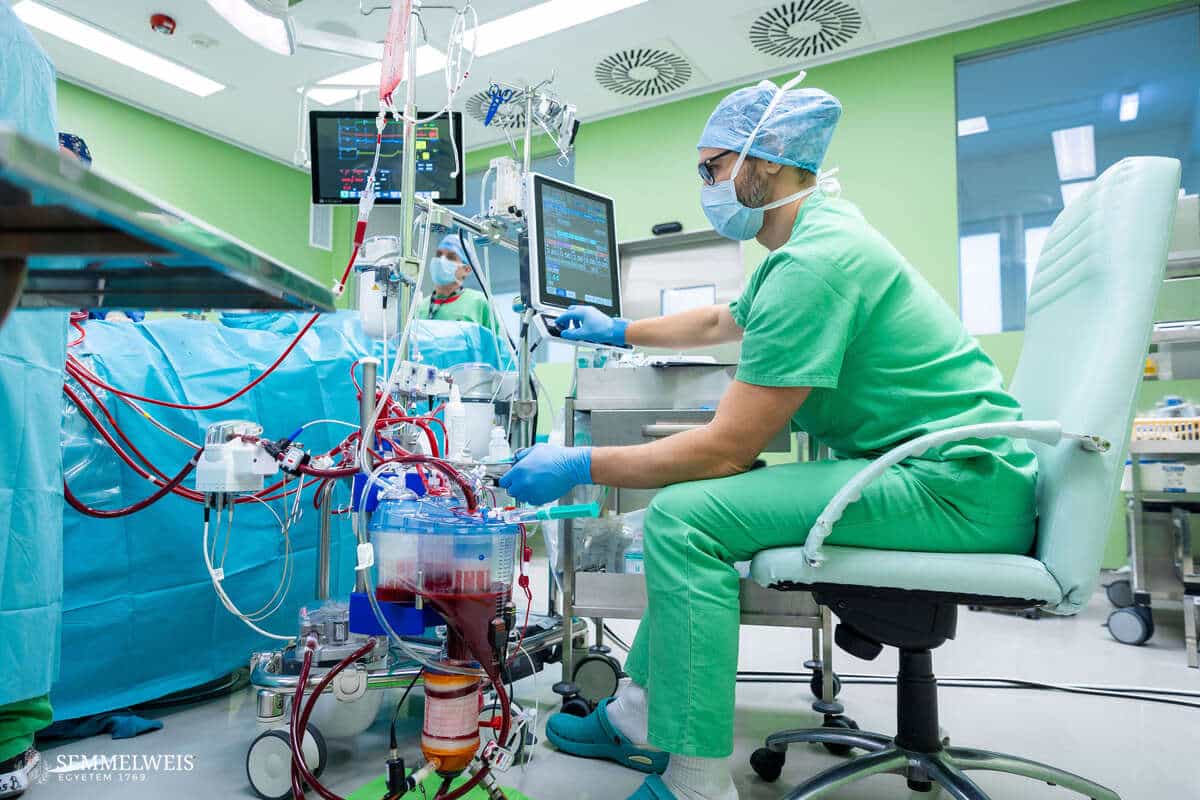
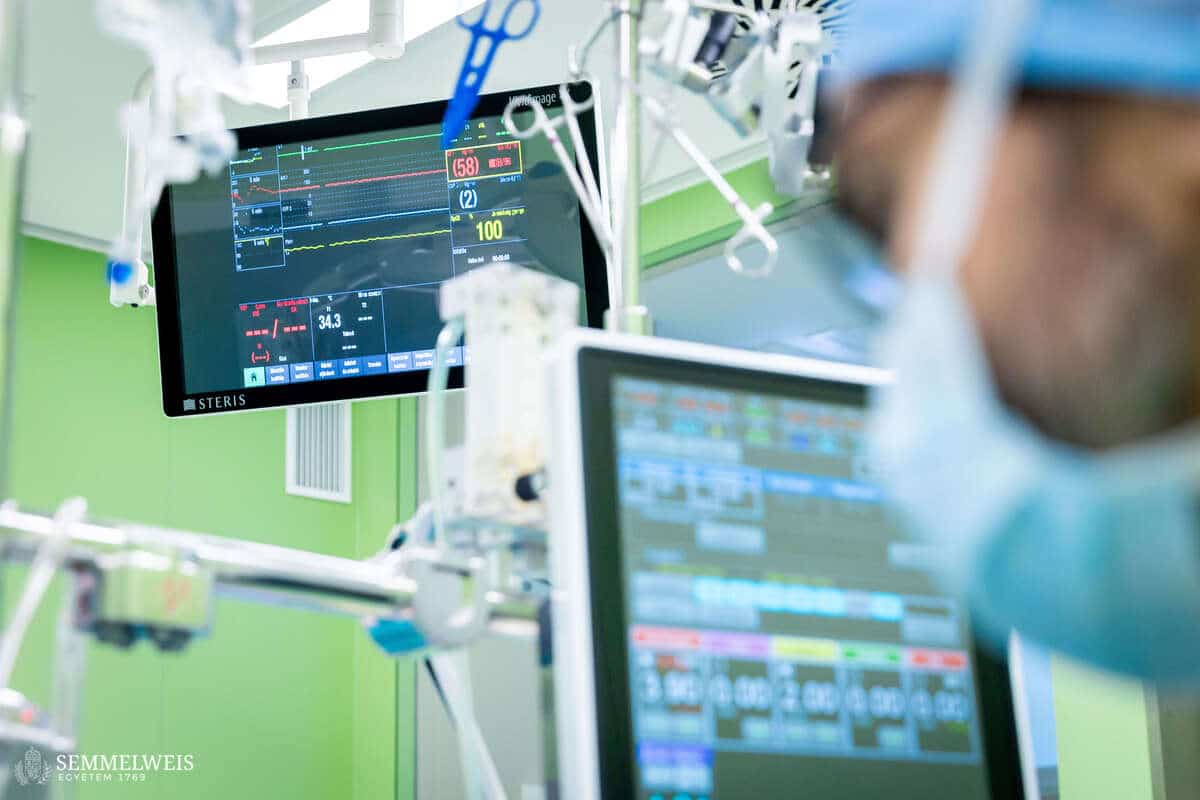
The cardiovascular technician continuously monitors the patient’s circulation, blood gas levels, oxygenation, temperature, and other vital functions throughout the operation and fine-tunes the machine’s operation as necessary.
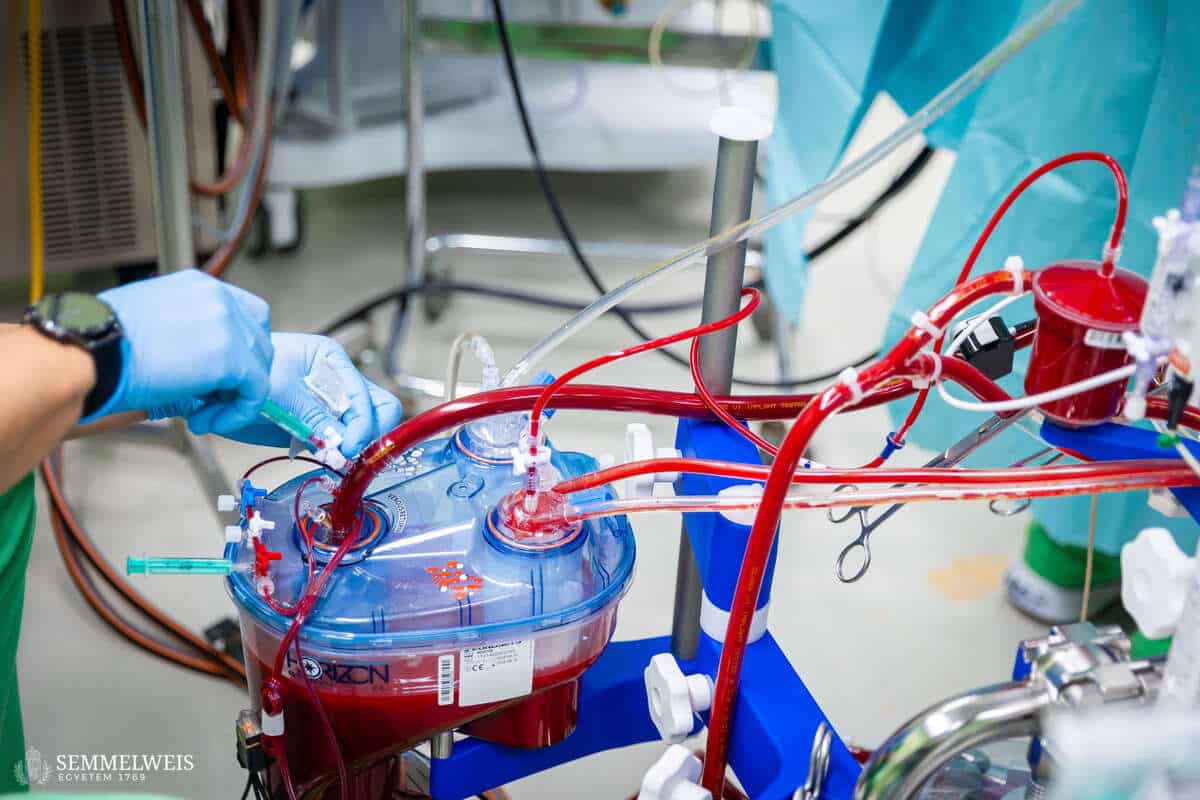
During surgery, various medications (e.g., to regulate blood pressure) can also be administered to the patient through the heart-lung machine.
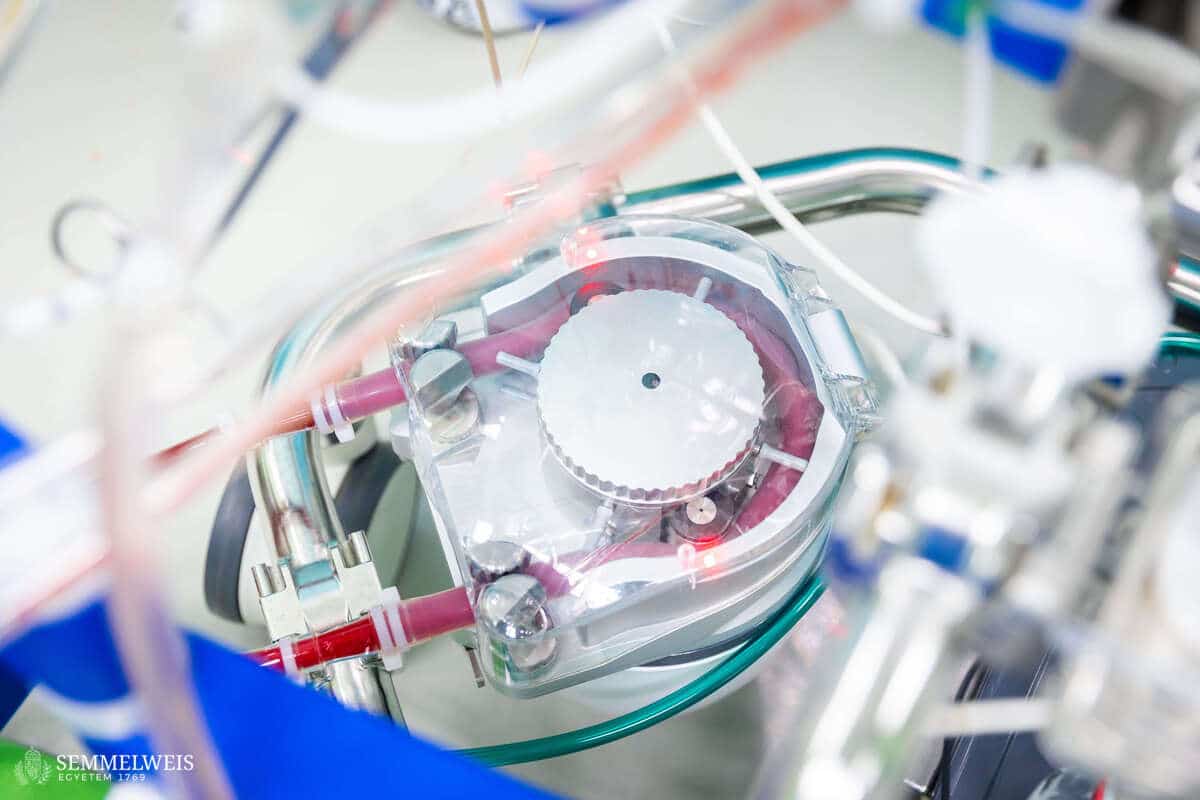
At the end of the operation, the cardiovascular technician gradually returns circulation to the patient’s own heart and then shuts down the machine. Finally, they complete the necessary documentation, clean the equipment, and prepare it for disinfection.
There is currently no separate cardiovascular technician qualification in Hungary, so Zoltán Merkl acquired his expertise through training as a registered nurse. As there is a great need for professionals like him in heart and large blood vessel surgery, this unique vocational training program, which combines biological and technical knowledge, is expected to start at the Faculty of Health Sciences (ETK) of Semmelweis University in September 2026.
Zoltán Merkl chose the career of a cardiovascular technician because he liked the unique combination of biology and technology and because he enjoys the kind of responsible, calm work that is required when operating machines. He believes that small steps forward are the most important in his daily work: When a patient’s condition stabilizes or when natural circulation is restored at the end of surgery.
Eszter Keresztes
Translation: Dr. Balázs Csizmadia
Photos by Boglárka Zellei – Semmelweis University