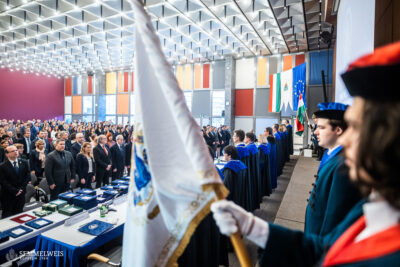
A summer course was organized at the Basic Medical Science Center of Semmelweis University for medical practitioners and international participants on the latest diagnostic and therapeutic approaches to neuromuscular diseases (NMD). The two-day NMD Summer Course event, where more than 100 doctors and presenters were registered, was opened by Dr. Ferenc Bánhidy, vice-rector for general affairs of Semmelweis University.
Participants at the event were welcomed by one of the main organizers, Dr. Mária Judit Molnár, a professor of neurology and the director of Semmelweis University’s Institute of Genomic Medicine and Rare Disorders. “This international educational event, organized jointly by Semmelweis University and the European Academy of Neurology (EAN) will present basic information on neuromuscular diseases, as well as the latest results of diagnostic and therapeutic approaches,” said Dr. Molnár, who is also the co-chair of EAN’s Scientific Panel of Muscle Disorders, and was previously the vice-rector for scientific affairs at Semmelweis University between 2012 and 2015.
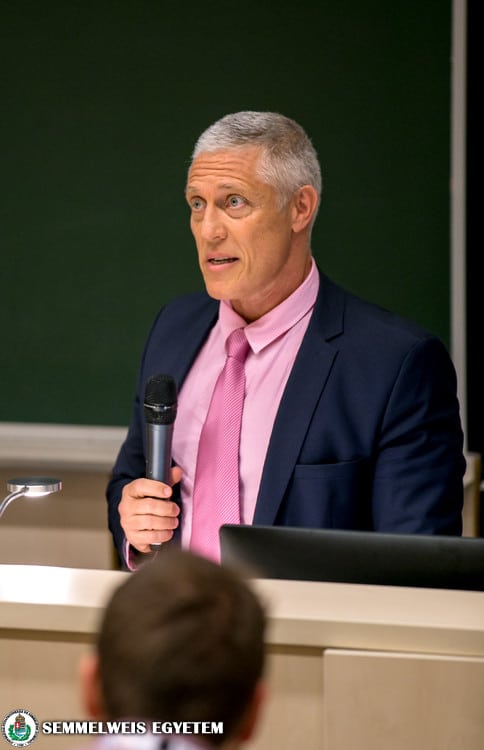 In his brief welcome address, Dr. Ferenc Bánhidy, vice-rector for general affairs, greeted the participants on behalf of the host Semmelweis University. “It is a pleasure and honor to welcome you to our university. I believe that this scientific meeting will help everybody learn more about the neuromuscular part of the human body,” he said, urging attendees to be active participants and to become motivated scientists.
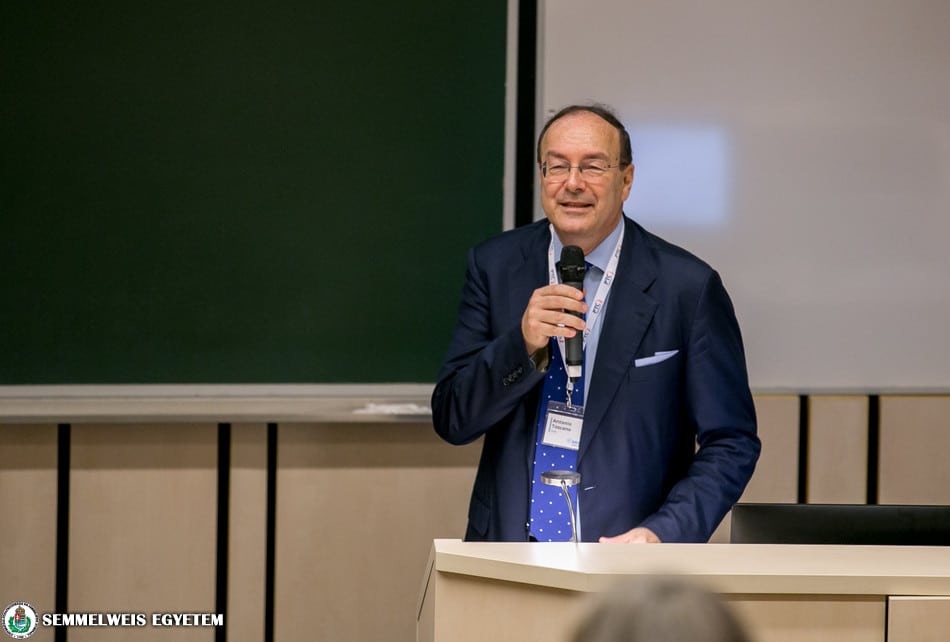
Speaking on behalf of EAN’s Scientific Panel of Muscle Disorders, the panel’s co-chair Dr. Antonio Toscano, a professor of neurology at the University of Messina, Italy, talked about the importance of the event in meeting the objectives of EAN. “The organization of this summer school is important because one of the missions of EAN is to spread knowledge and awareness about neurological disorders,” he declared. He also noted that it is a difficult field because a majority of neuromuscular disorders are rare disorders, so it is even more difficult to be aware of all of them. The event presents a good opportunity to spread knowledge among professionals in order that they can diagnose patients as early as possible and apply the necessary therapies, he added.
His remarks were followed by a short welcome from Dr. Peter Van den Bergh, co-chair of EAN’s Scientific Panel of Neuropathy and a professor of neurology at the Université Catholique de Louvain in Brussels, Belgium. “I hope this meeting will be helpful in stimulating and developing further the field of neurological disorders in your country,” he told members of the symposium.
Gallery
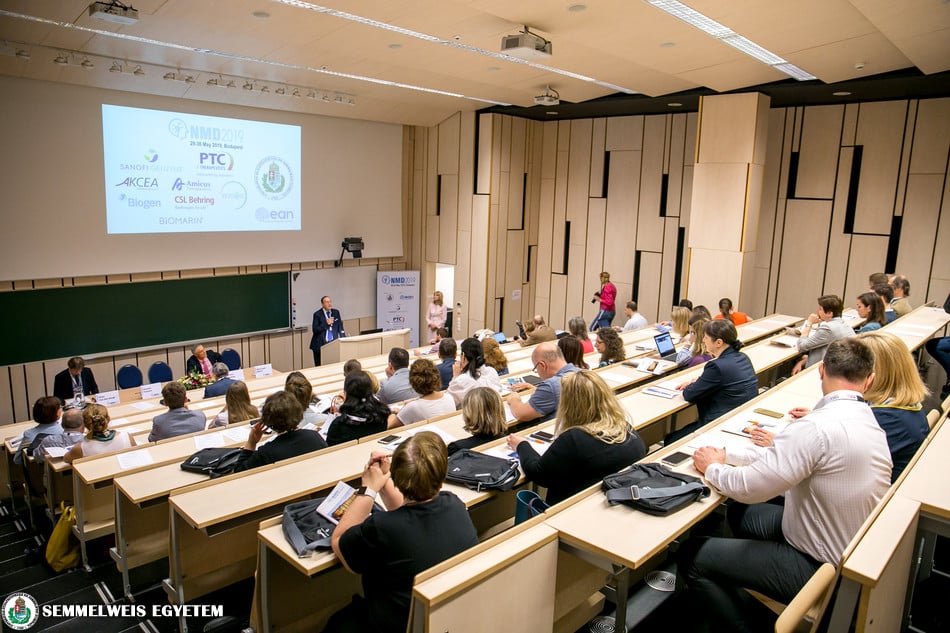
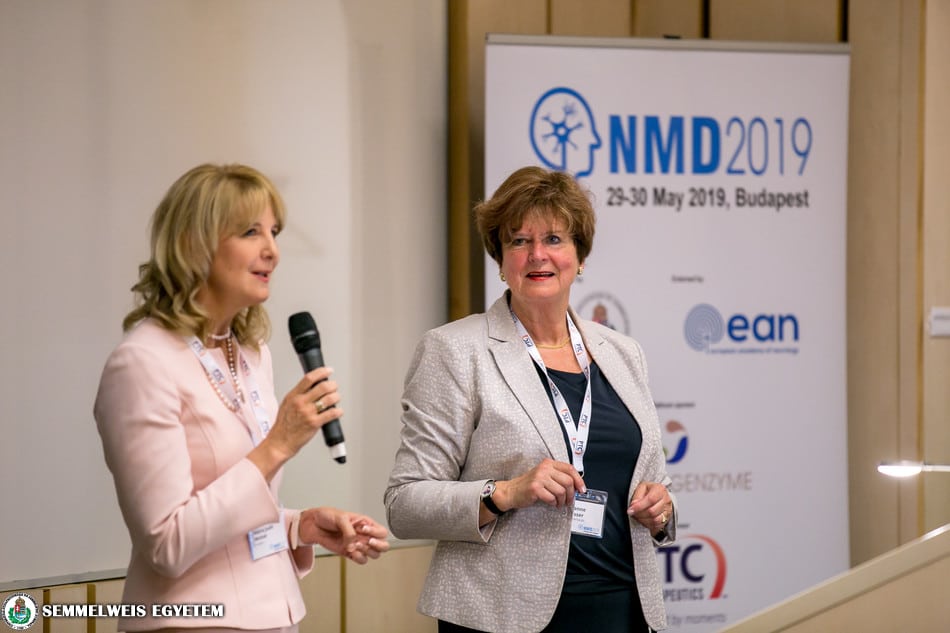
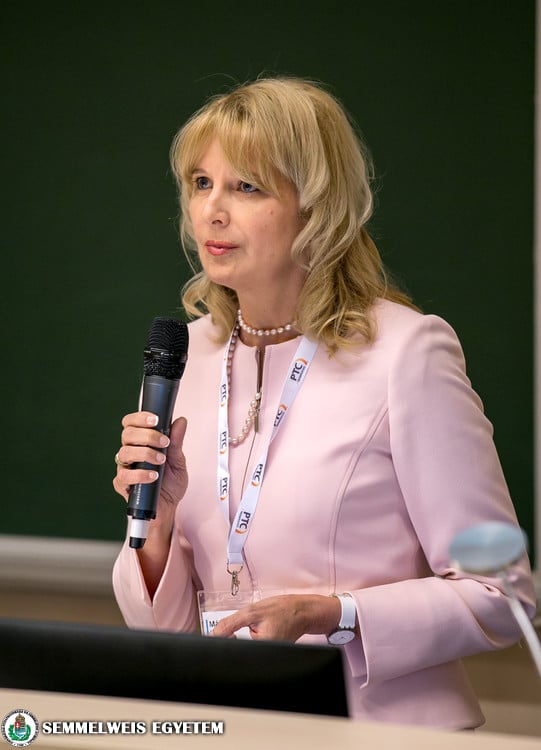
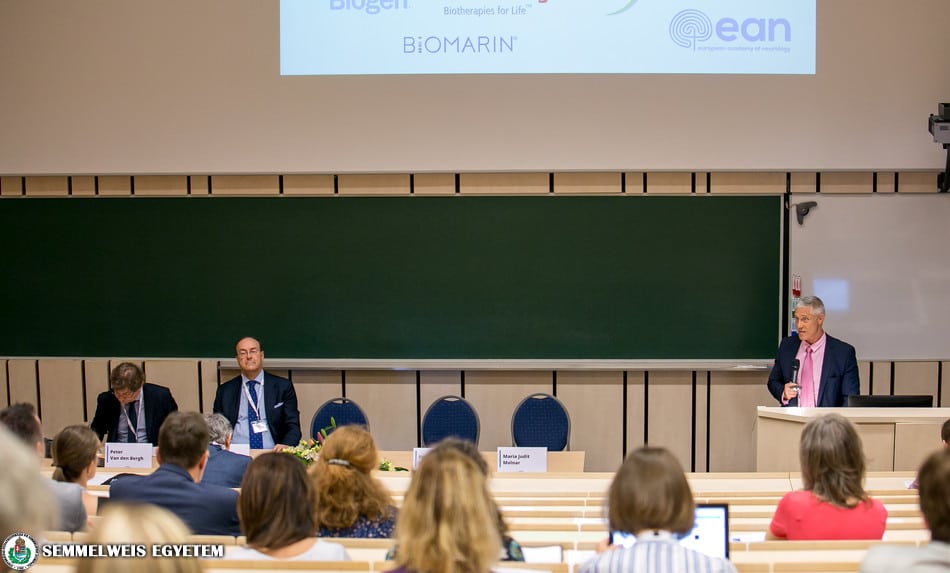
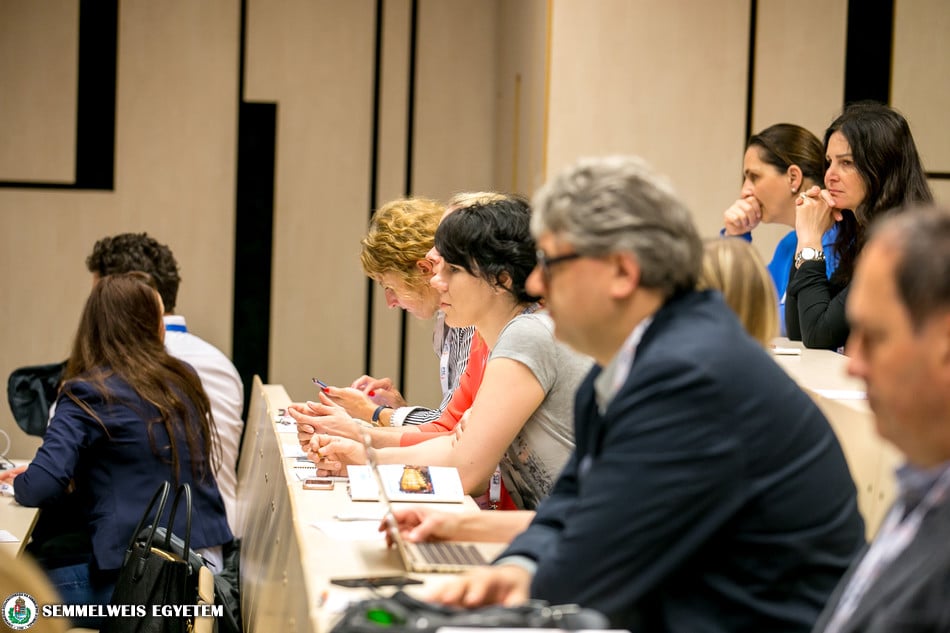
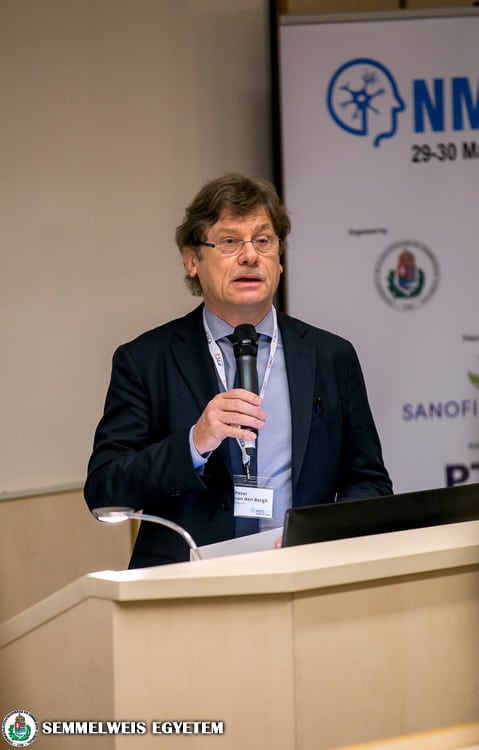
The mission of the NMD Summer Course is to provide core competency standards of training for the evaluation and treatment of patients with neuromuscular disorders, to improve coordination and treatment of patients with these rare disorders, as knowledge of these conditions can be life-changing for patients and practitioners.
The NMD Summer Course registered a total of 109 participants, including doctors, internationally-recognized NMD experts, as well as academic researchers, medical practitioners, molecular biologists, and health care professionals interested in this sub-discipline. Physicians taking part at the accredited event were eligible to receive 30 elective postgraduate training credit points. The summer school’s two-day program featured 12 speakers from Hungary, Latvia, Italy, Germany, Belgium and the Netherlands.
Tamás Deme
Photos: Attila Kovács – Semmelweis University