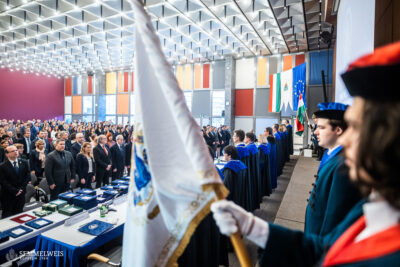
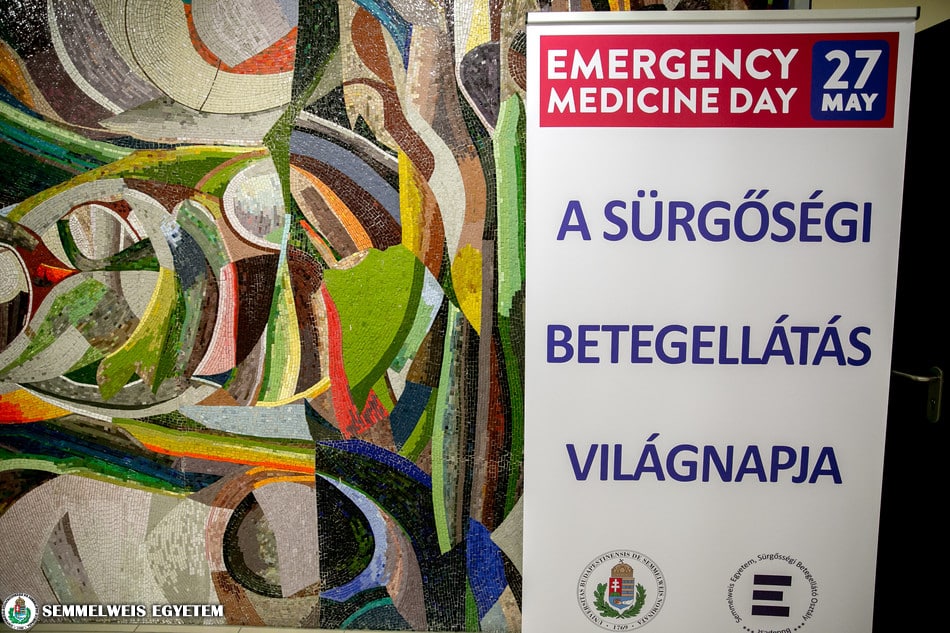
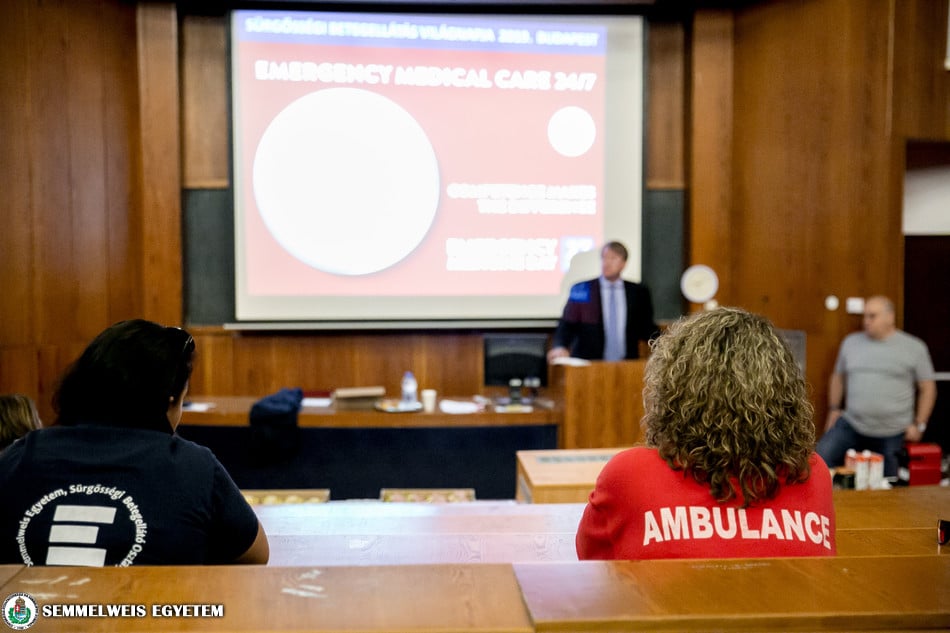
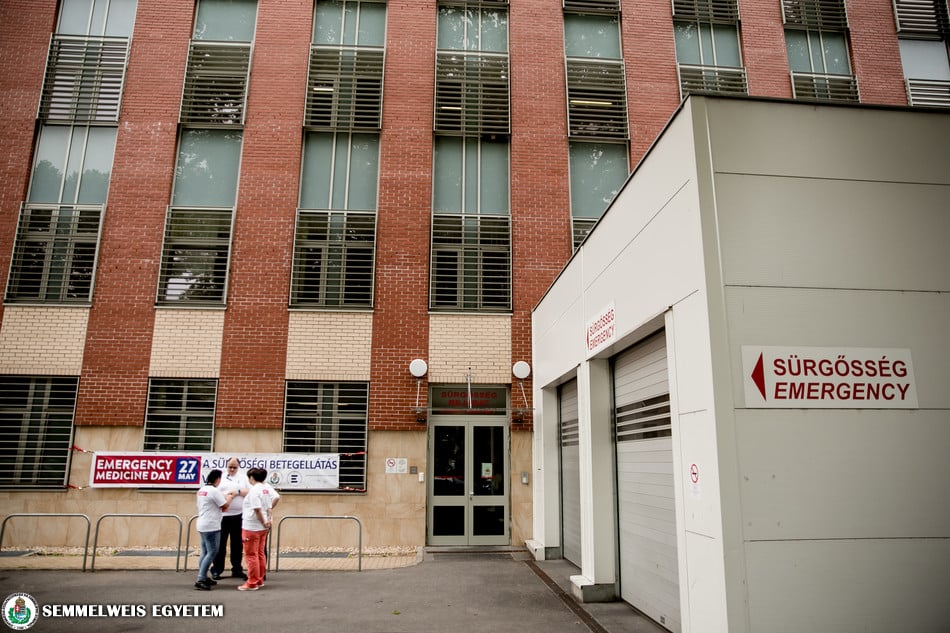
Emergency Medicine Day was introduced for the first time this year at the initiative of the European Union, which Semmelweis University’s Emergency Department (SBO) joined as well. Interested members of the public had an opportunity to tour the department’s facilities as part of the event, gaining insight into the system of emergency medicine, as well as take part in a practice simulation exercise.
At the opening of the event held at Semmelweis University’s SBO, Dr. Nándor Ács, vice-president of the Clinical Center responsible for the Outer Clinical Block, said that lives depend on the operation of the emergency department, which is why it is a priority health care area. He noted that significant inroads have been made in this area in Hungary in recent years, but the objective of both the government and the university is to continue developing emergency patient care. As the director of the Department of Obstetrics and Gynecology, he pointed out that cooperation between the university’s SBO and the area of gynecology is seamless.
Gallery
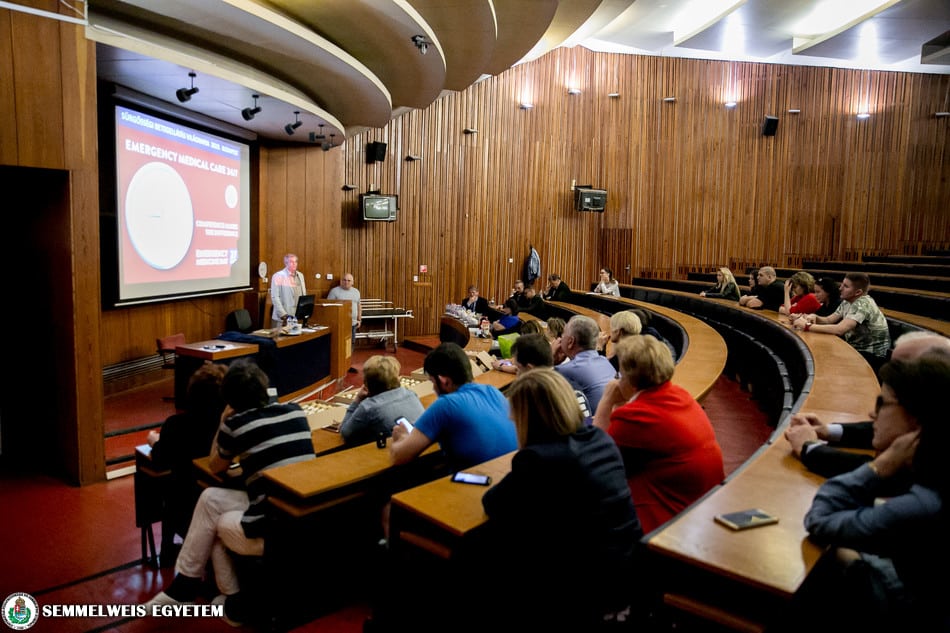
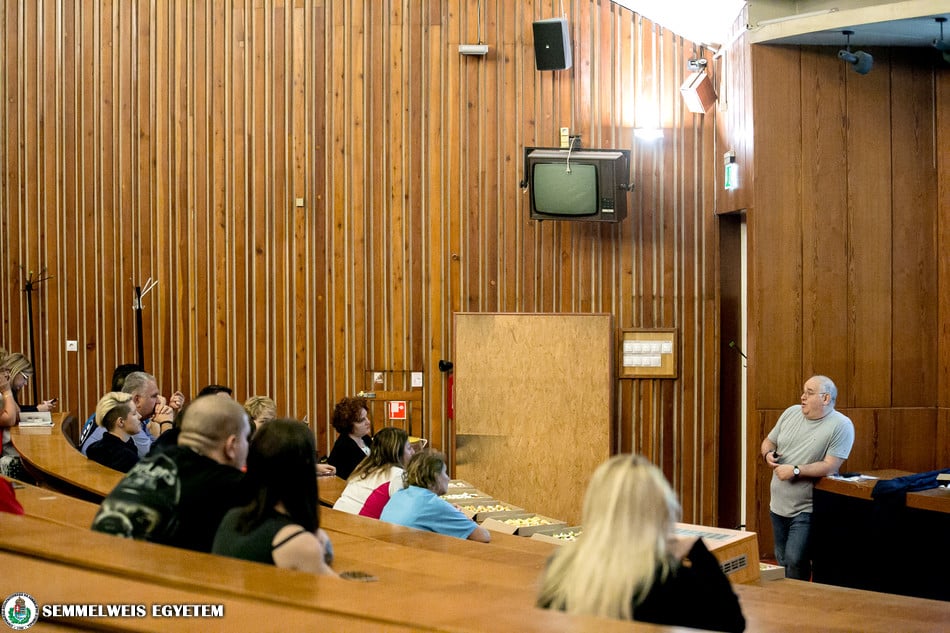
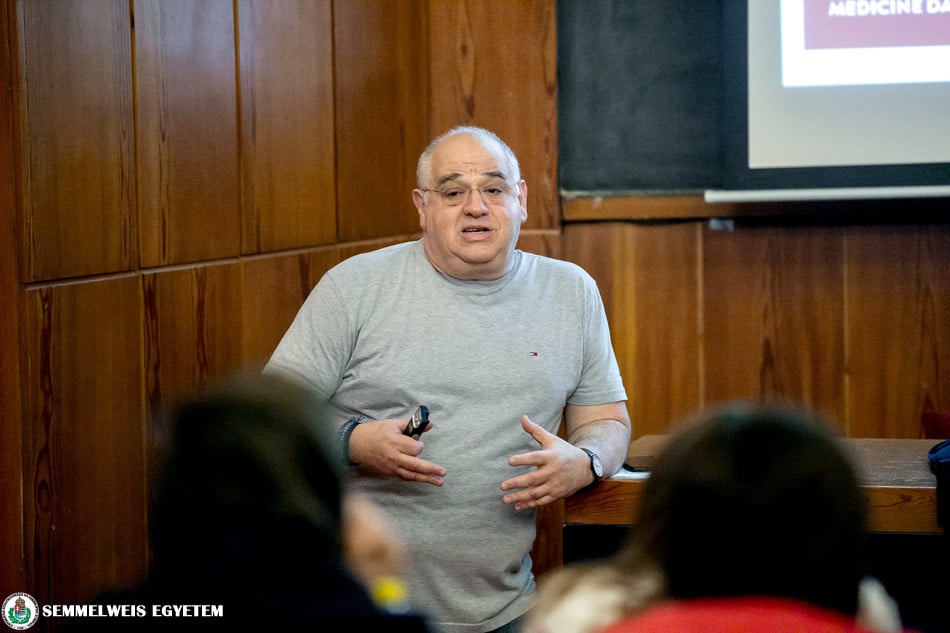
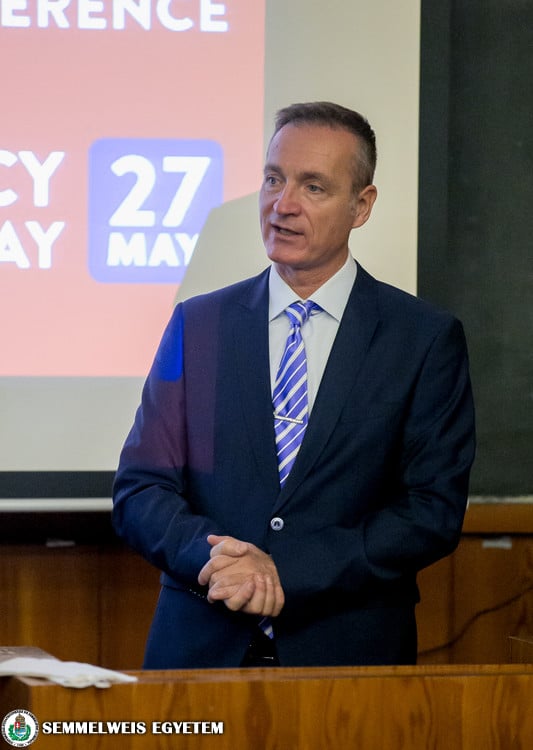
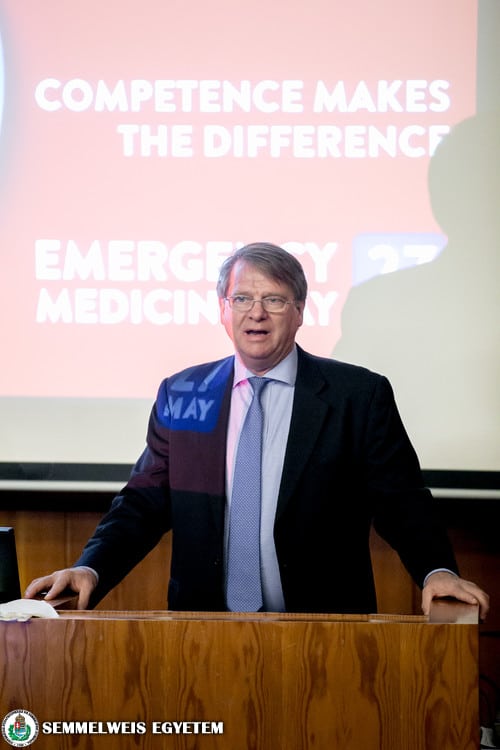
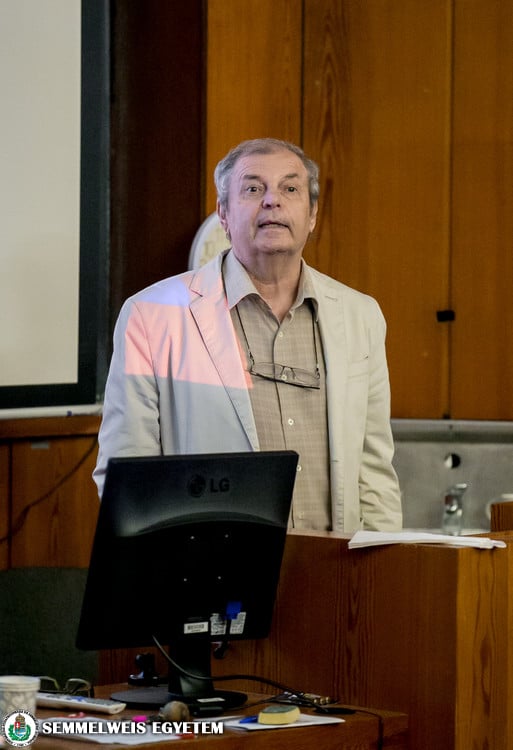
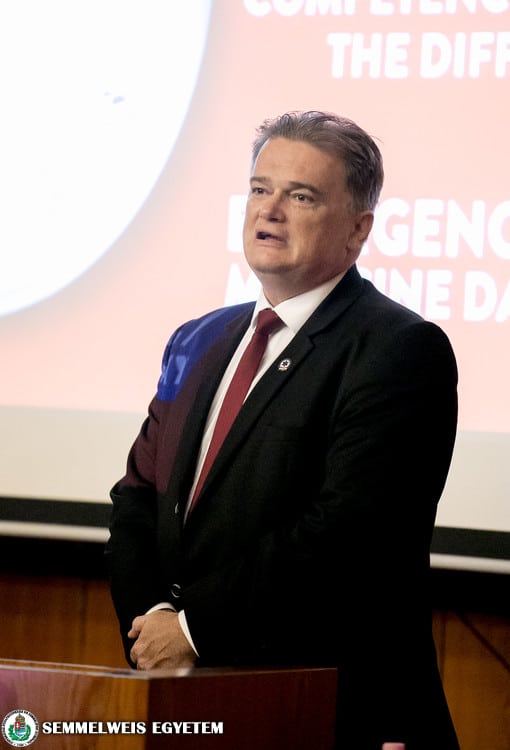
Dr. Ferenc Oberfrank, the president of the Association of Hungarian Medical Societies (MOTESZ), emphasized the importance of teamwork in emergency medicine. Among the policy measures implemented previously, he highlighted the work of Dr. Árpád Gógl and Dr. Károly Pikó, who at the time contributed to setting the new philosophy of emergency care into practice, establishing professional norms and starting the process of attitude-forming. He added that this area is a special sub-system of health care, which is still undergoing change.
Dr. Antal Sásdi, member of the board of the Hungarian Hospital Association, said that the organization currently has 104 member hospitals, and the issue of emergency medicine has always been treated as one of special importance. He also noted that emergency care is one of the areas where financing is set to increase in the near future.
The ambulance service plays an active role in emergency care, said Dr. György Pápai, the chief medical director of the National Ambulance and Emergency Service, adding that they are in close collaboration with the university’s SBO. The ambulance service is the country’s largest provider of emergency care, with its 8000 workers and 254 ambulance stations, thus they have to closely adapt to the hospital structure, he stressed.
Dr. Tamás Berényi, the director of Semmelweis University Clinical Center’s Emergency Department, presented in his speech the goals and origins of the Emergency Medicine Day, as well as the activities performed by emergency medicine. He noted that the European Society for Emergency Medicine (EuSEM) was established in London on May 27, 1994. The aim of the day is to unite the world population and decisionmakers to think and talk about emergency medicine and emergency medical care. He also said that it is part of the modern approach to acute care to be patient-focused instead of illness-focused, meaning that the care process should be organized around the patient. Dr. Tamás Berényi stressed that one of the great successes of Hungarian public policy is the introduction of the Hungarian Emergency Triage System, which guarantees the safety of patients. He revealed that at Semmelweis University’s SBO, which is three years old this year, the number of patients has increased by 66% from the start. In addition to patient care, they also take part in graduate and postgraduate medical training, as well as organizing internal trainings and courses for health care professionals.
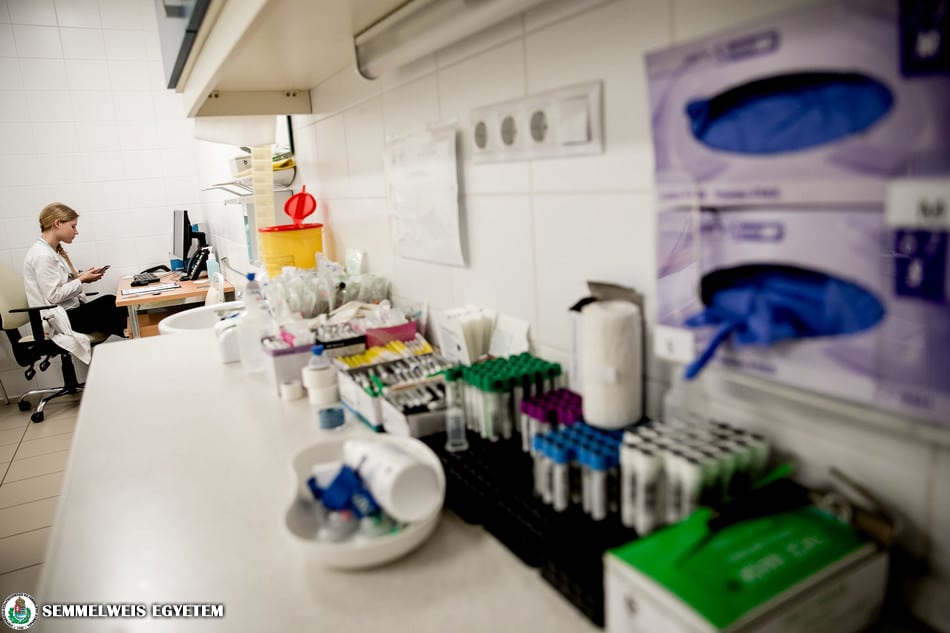
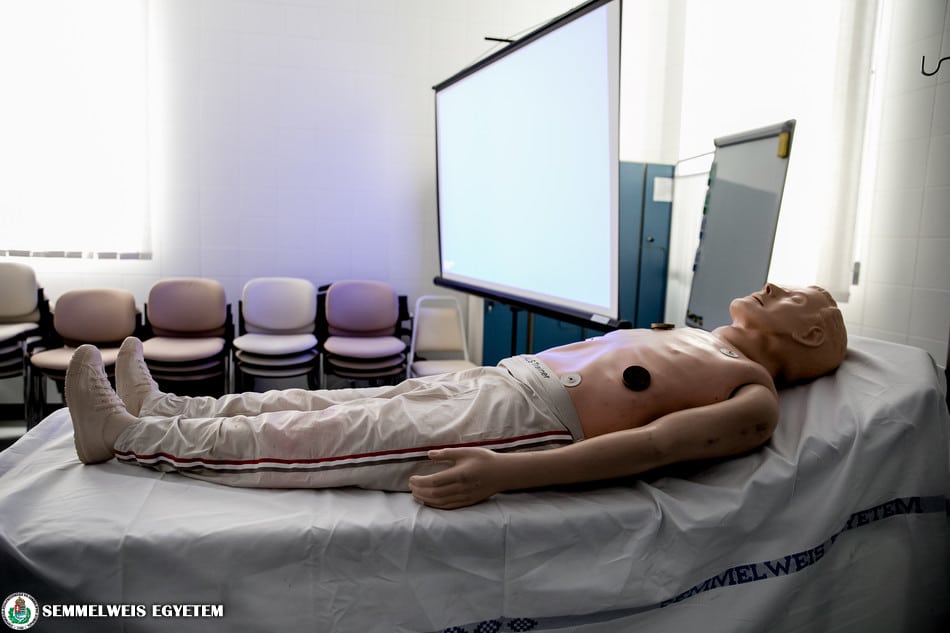
As part of Emergency Medicine Day, an open day was held at the department, where visitors were shown the system and facilities of emergency care, and they could also take part in a practice simulation exercise and pose questions to emergency medicine professionals. As part of the afternoon program, organizers held a flashmob and a professional forum.
Eszter Keresztes
Translation: Tamás Deme
Photo: Attila Kovács – Semmelweis University