| Grant: | 2024-1.2.5-TÉT-2024-00059 |
| Amount of support: | 3 000 000 HUF |
| Duration: | 1 July 2025 – 30 June 2027 |
| Principal investigator: | Anikó Görbe |
Summary
The project focuses on the therapeutic and diagnostic applications of non-coding RNAs, particularly microRNAs. The research team has already patented three families of microRNAs, known as “ProtectomiR,” which show promise in protecting against heart failure. The aim of the project is to develop a comprehensive microRNA-based therapeutic system. This includes evaluating the efficacy of ProtectomiRs, optimizing their loading into vesicles, and analyzing cellular uptake and transfer efficiency. In addition, the effects of microRNAs on messenger RNA are investigated, and pharmacokinetics, safety, and therapeutic efficacy are assessed in in vivo models.
Participating leading researchers, collaboration partners, universities, companies
Dr. Anikó Görbe is a university professor whose research focuses on innovative approaches to cardiovascular diseases and their comorbidities. In her work, she pays particular attention to the development of microRNAs as new therapeutic tools for the treatment of cardiovascular diseases. Her work includes investigating the hidden cardiotoxic or cardioprotective effects of drug compounds, as well as studying metabolic comorbidities associated with cardiovascular diseases. In addition, she investigates drug targets for ischemic heart disease and its comorbidities through bioinformatic prediction of transcriptomic data and their experimental validation, contributing to the development of personalized therapies.
For this project, we are collaborating with Dr. Monika Barteková, whose scientific work is characterized by long-term research experience in the field of cardiovascular diseases and cardioprotection, with a particular focus on ischemic-reperfusion injury of the heart.
Applied methods and tools
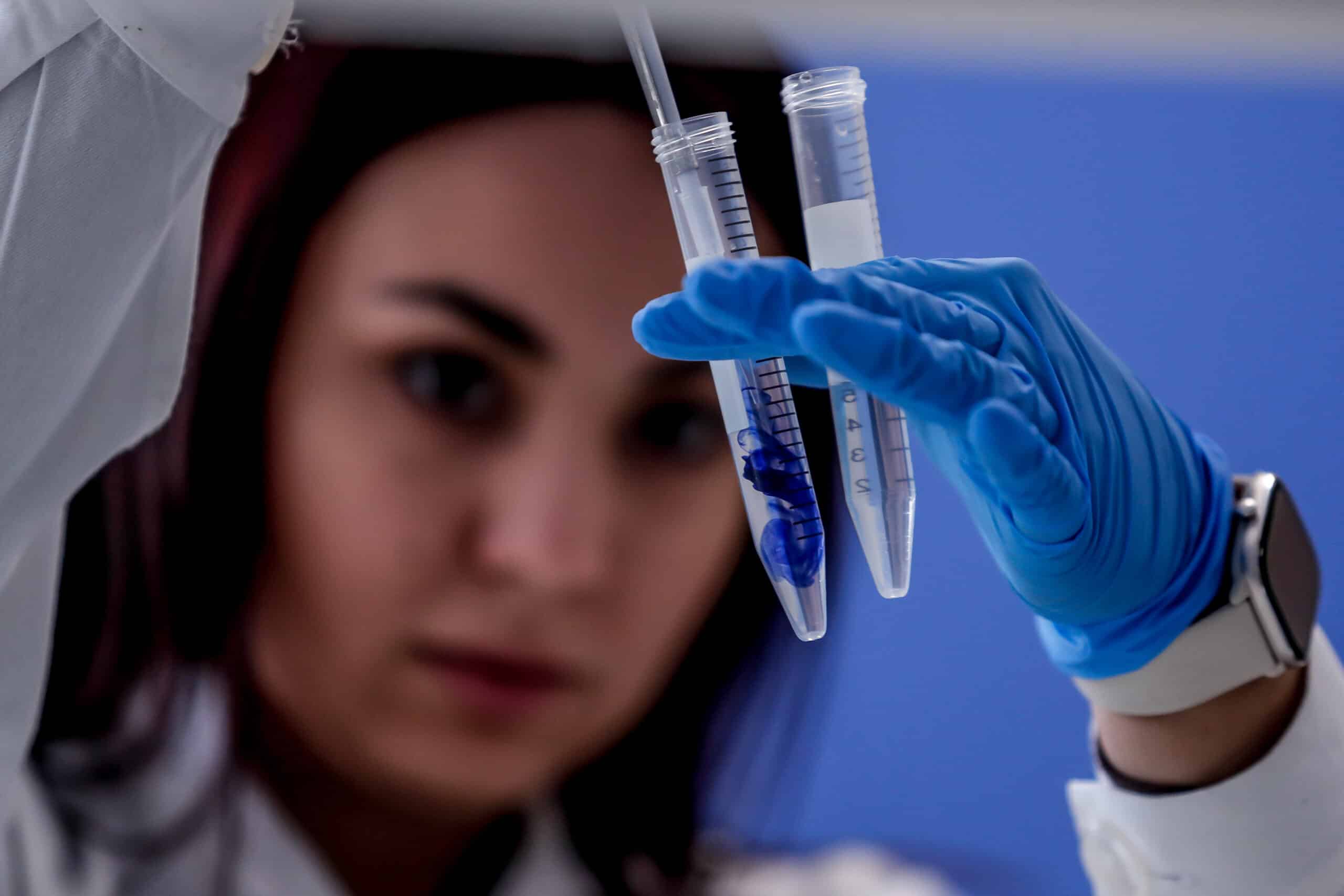
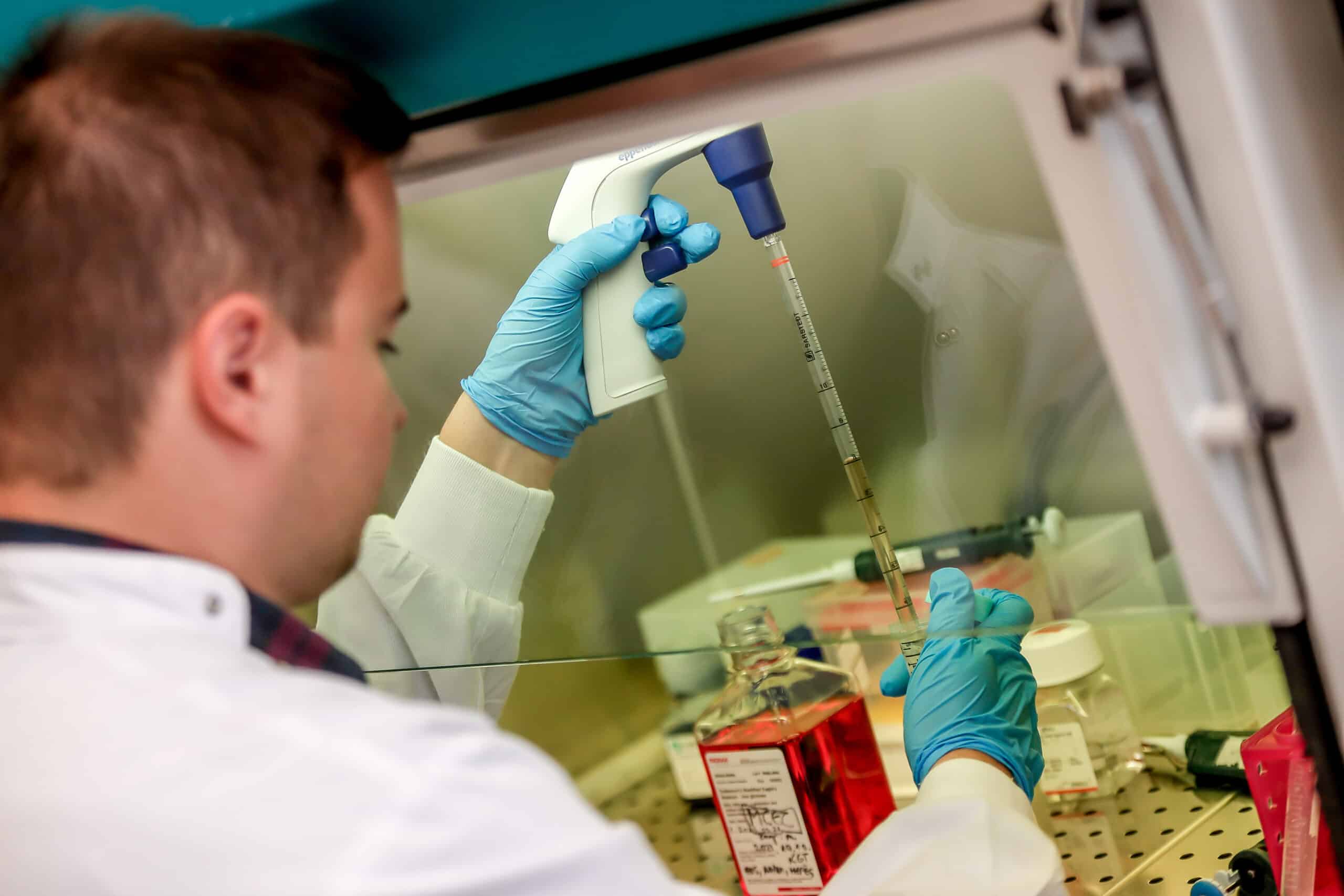
We investigate protectomiRs using molecular and cell biological methods, and evaluate their effects in in vitro and in vivo preclinical models. We produce and purify extracellular vesicles, and optimize miRNA loading and targeted delivery using both cellular and cell-free technologies. Genetically modified cell lines are generated to ensure efficient production, and cellular uptake is monitored using fluorescent labeling techniques. Therapeutic efficacy is assessed in vitro in human cardiomyocytes and in vivo in small animal models.
Pictures
Gallery
Mission and benefits
The mission of the research is to develop microRNA-based targeted therapeutic approaches that can provide effective protection against myocardial damage caused by myocardial infarction. The identification of ProtectomiRs and their delivery using advanced carrier systems may contribute to the development of novel precision cardiovascular therapies, thereby enhancing the competitiveness of domestic innovation and drug development. Our work is closely aligned with the strategic goals of the university, supporting scientific excellence, innovation, and translational research, while also contributing to the advancement of healthcare and the strengthening of international collaborations.