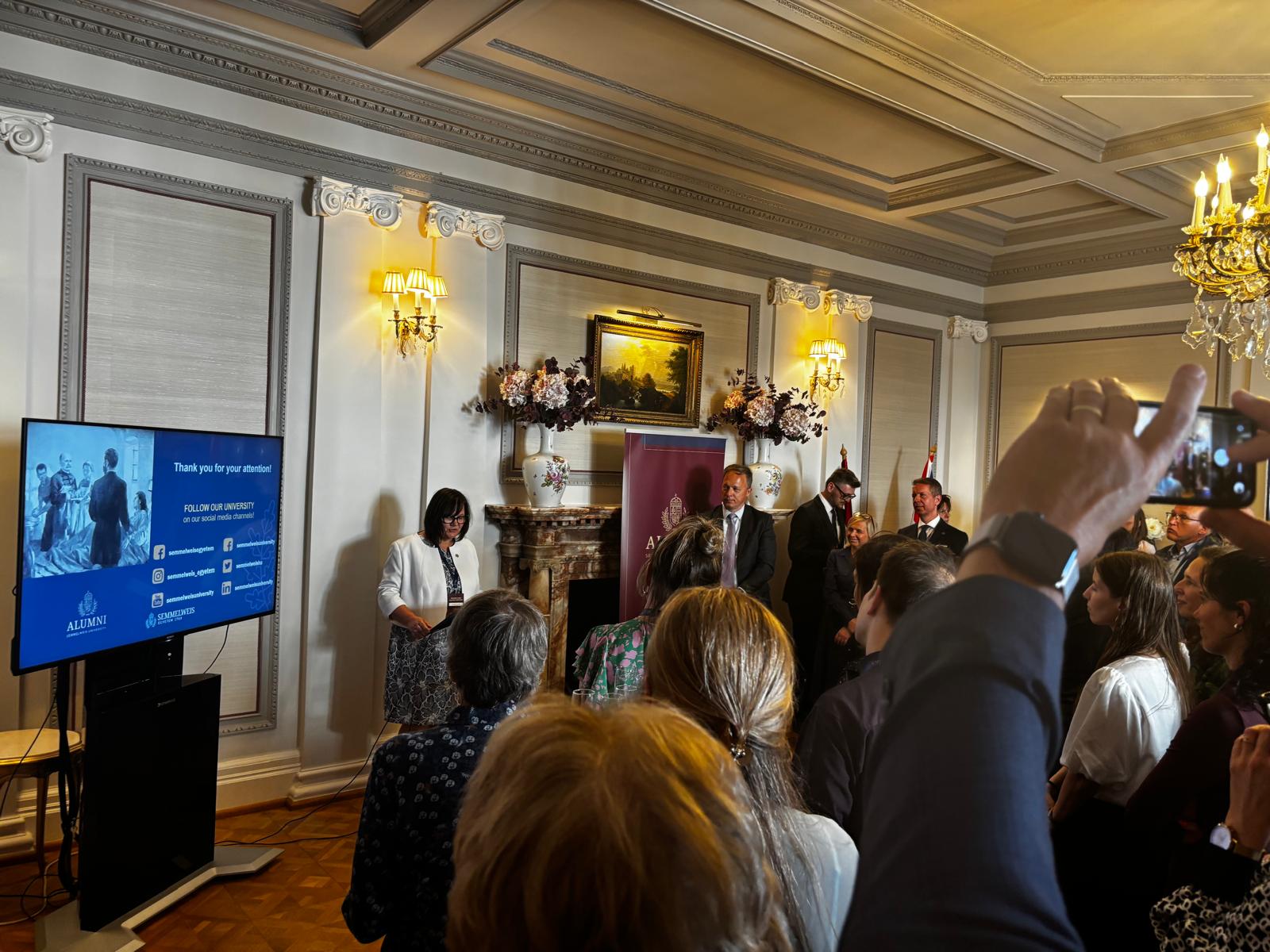
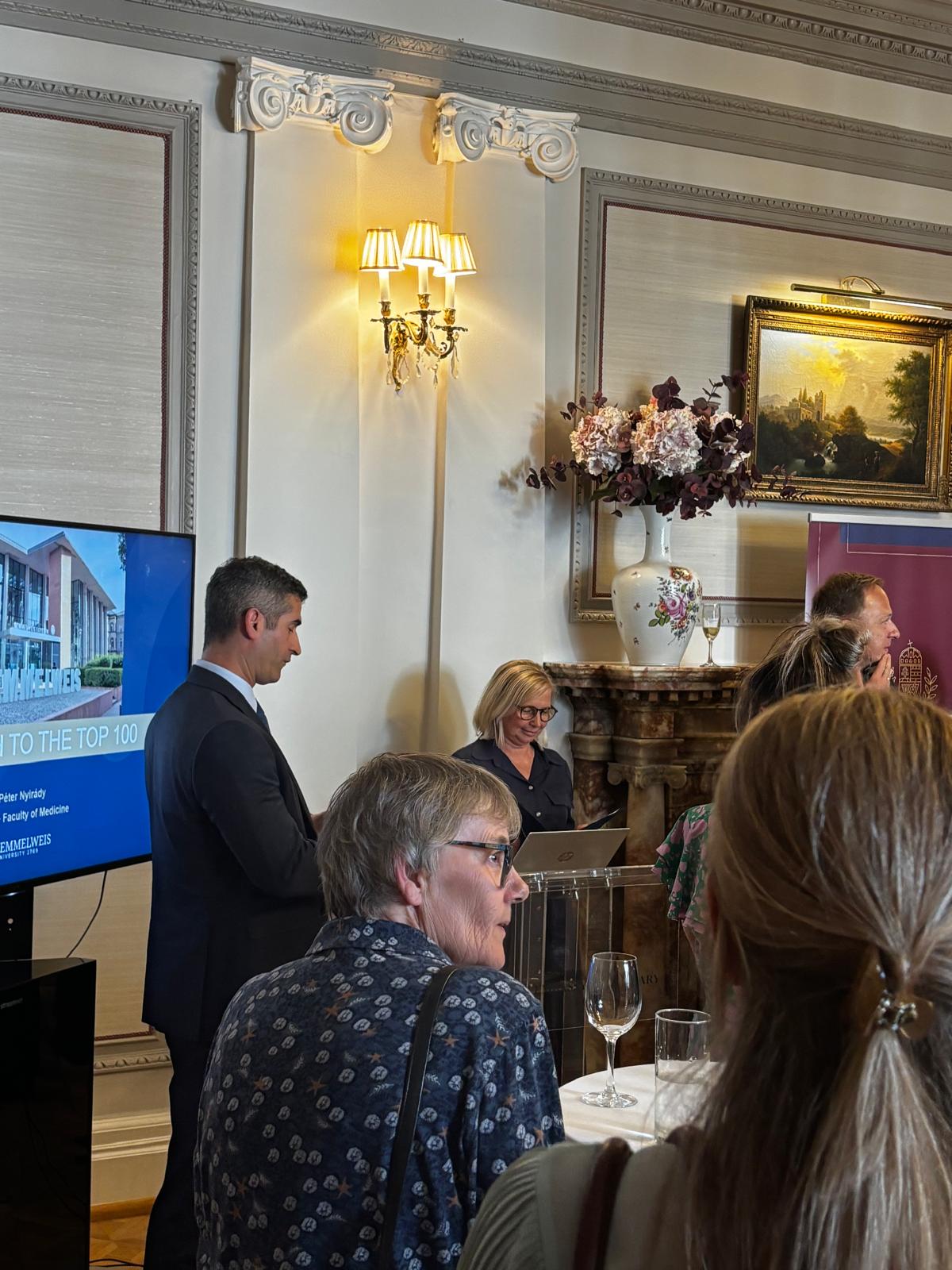
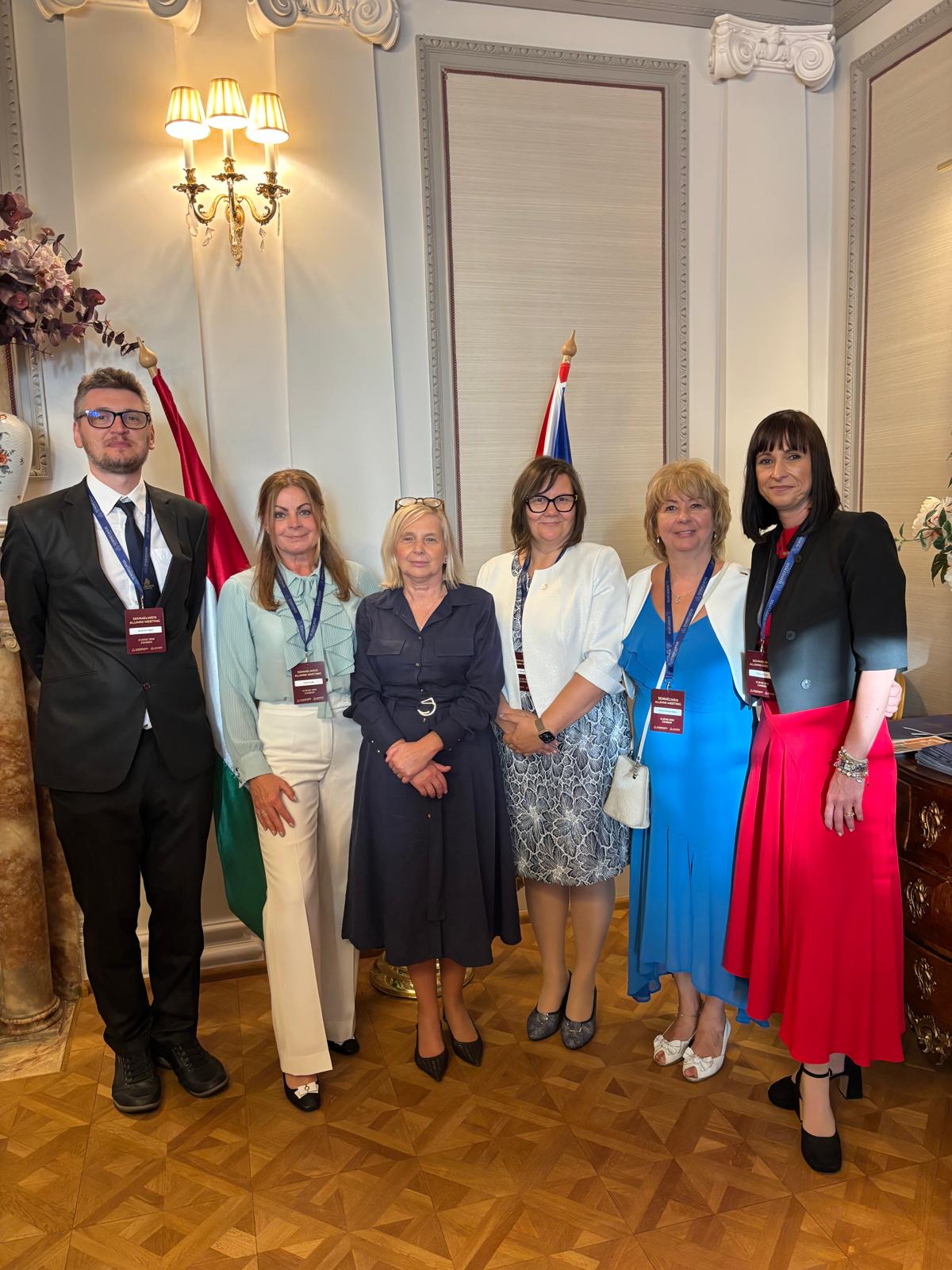
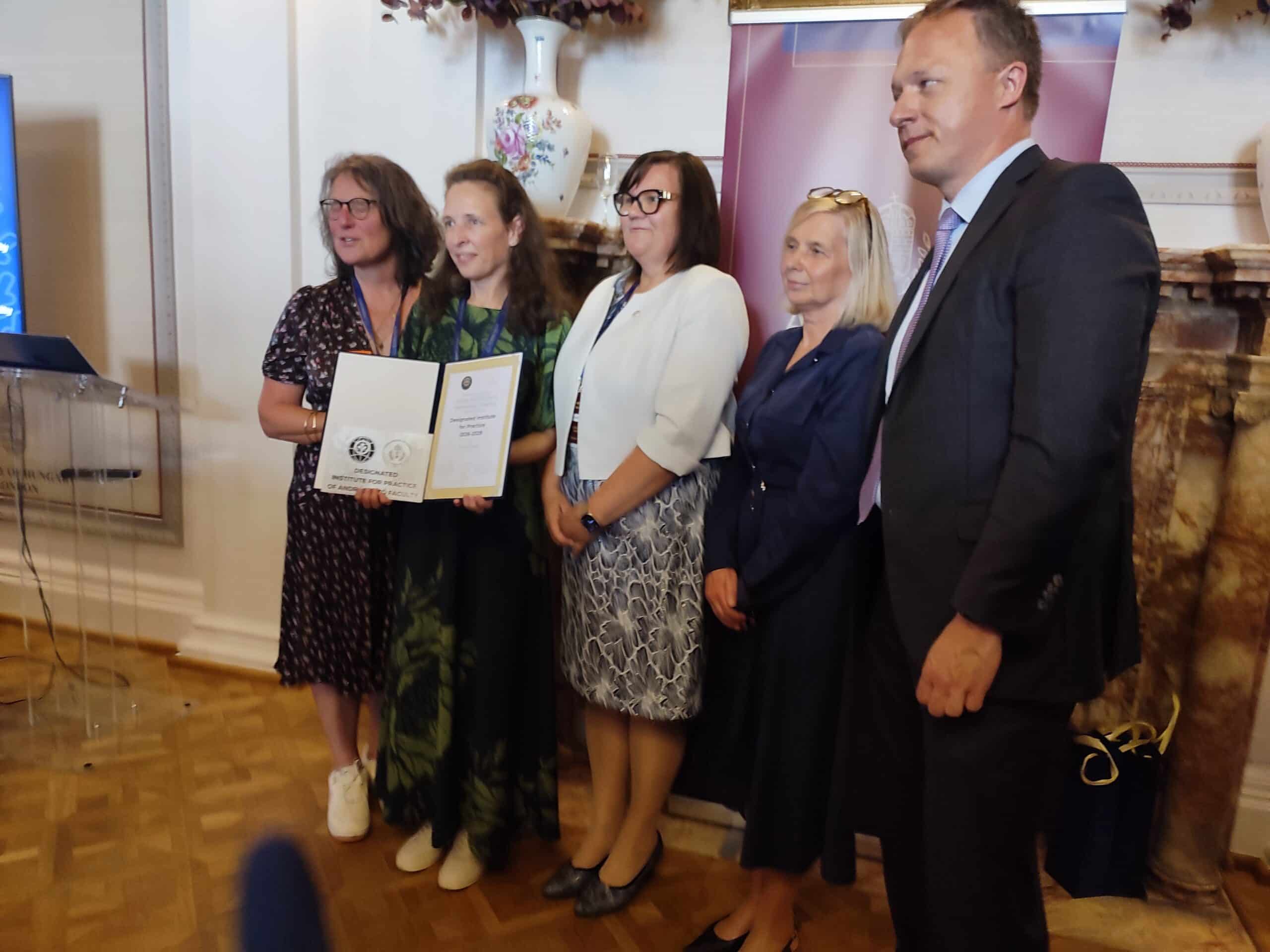
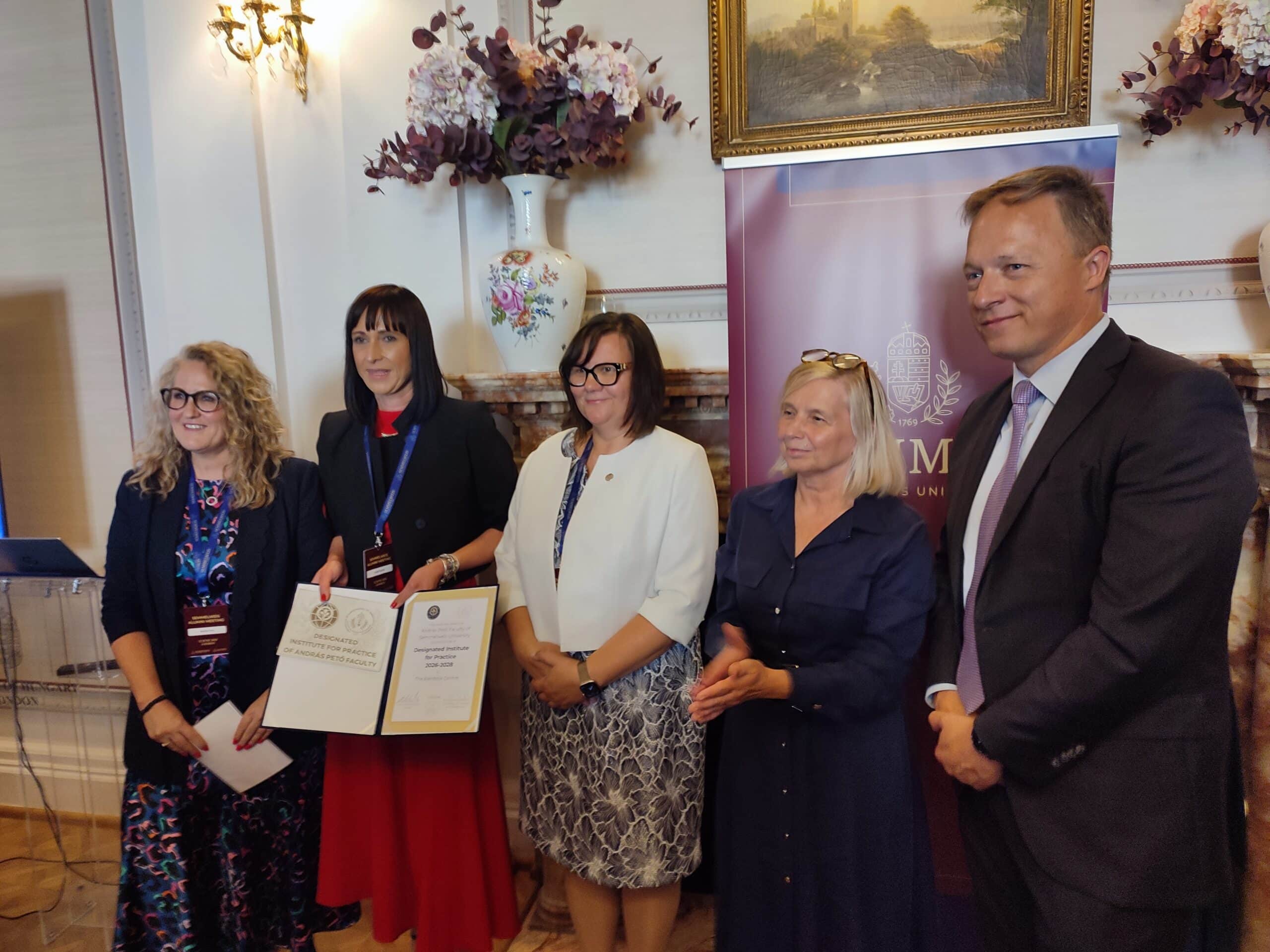
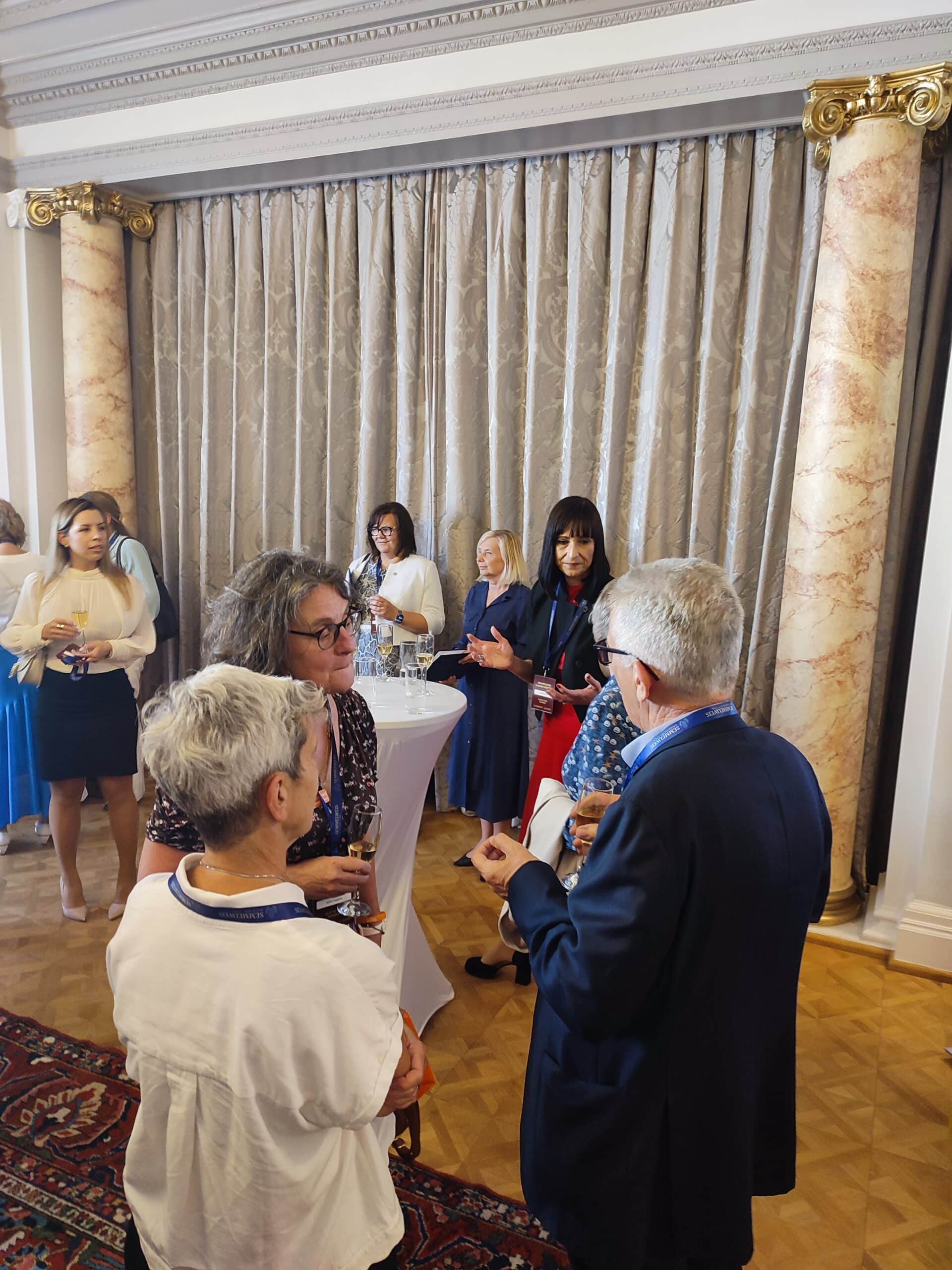
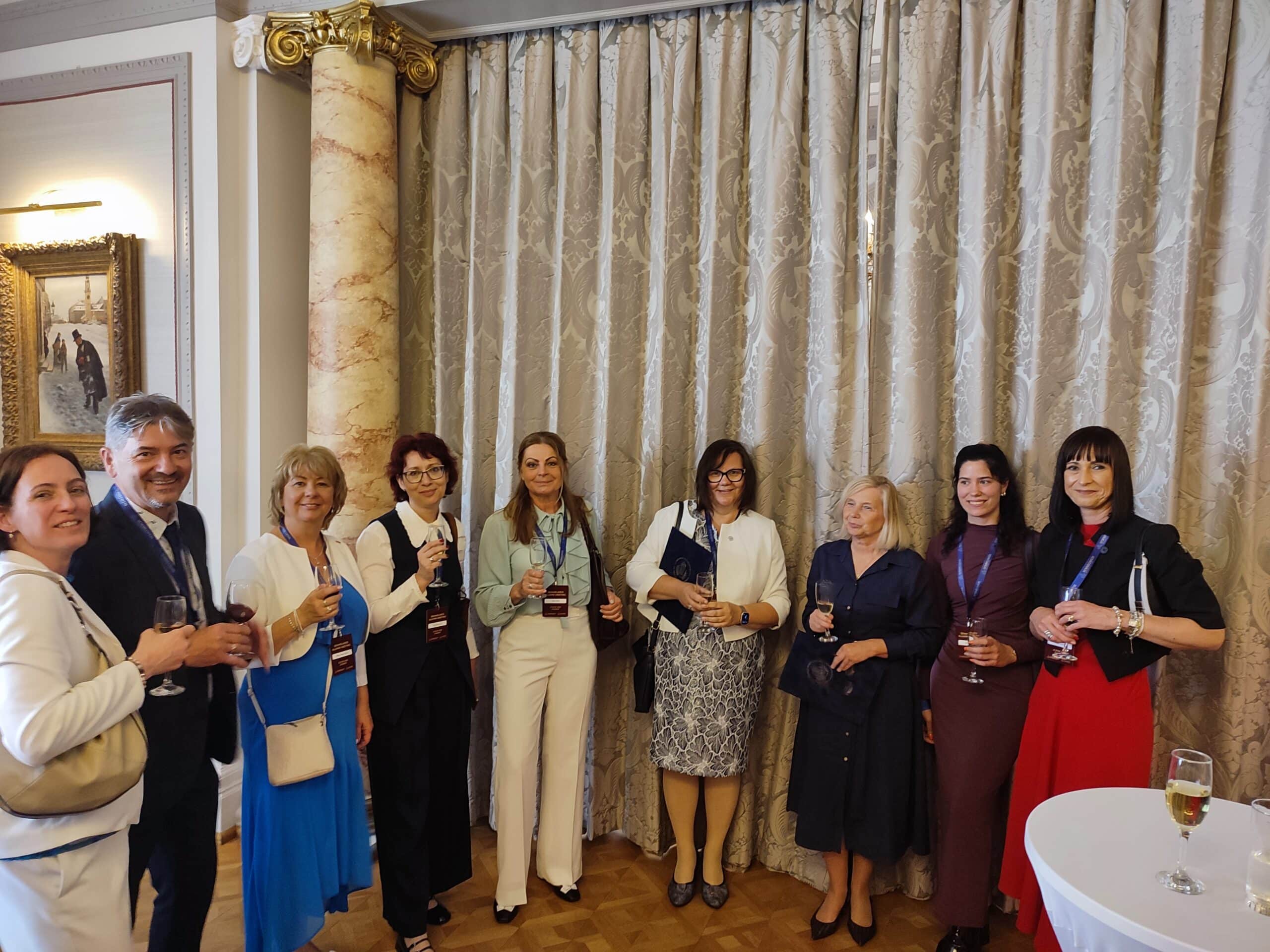
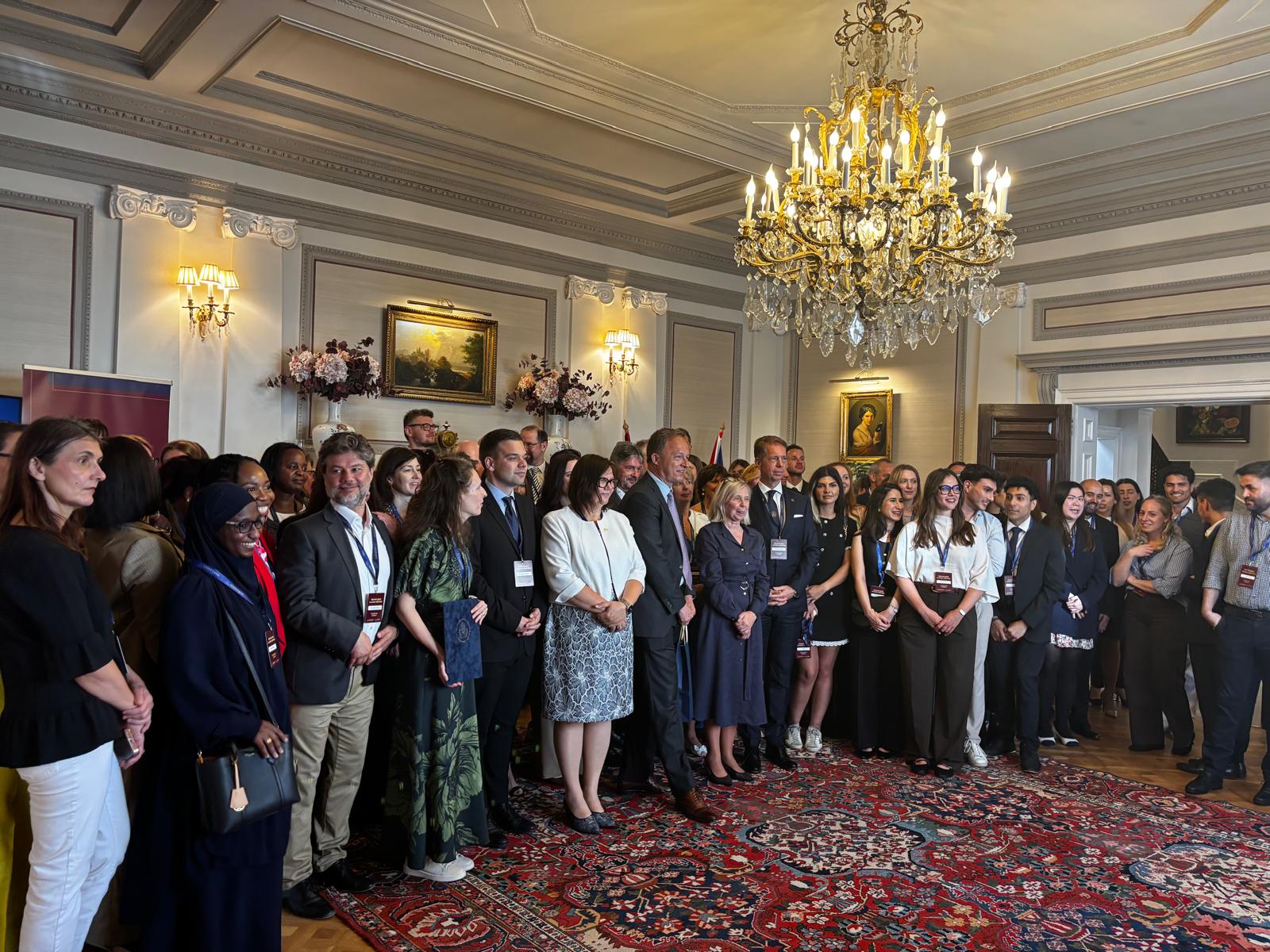
Semmelweis University recently held its prestigious Alumni Meeting in London, providing a grand stage for international collaboration and celebration. The highlight of the event was the official presentation of the “Designated Institute for Practice” title to two prominent UK-based organizations, Small Steps and The Rainbow Centre. The event opened with warm welcomes delivered by Ambassador Ferenc Kumin, and also by Feketéné-Szabó Éva, PhD, Vice-Rector for Strategy and Development, who greeted the attendees on behalf of Rector Dr. Béla Merkely. Following the opening remarks, Dr. Péter Nyirádi, Dean of the Faculty of Medicine, delivered an insightful presentation to the alumni community, highlighting Semmelweis University’s current global standing, recent achievements, and its expanding international footprint.

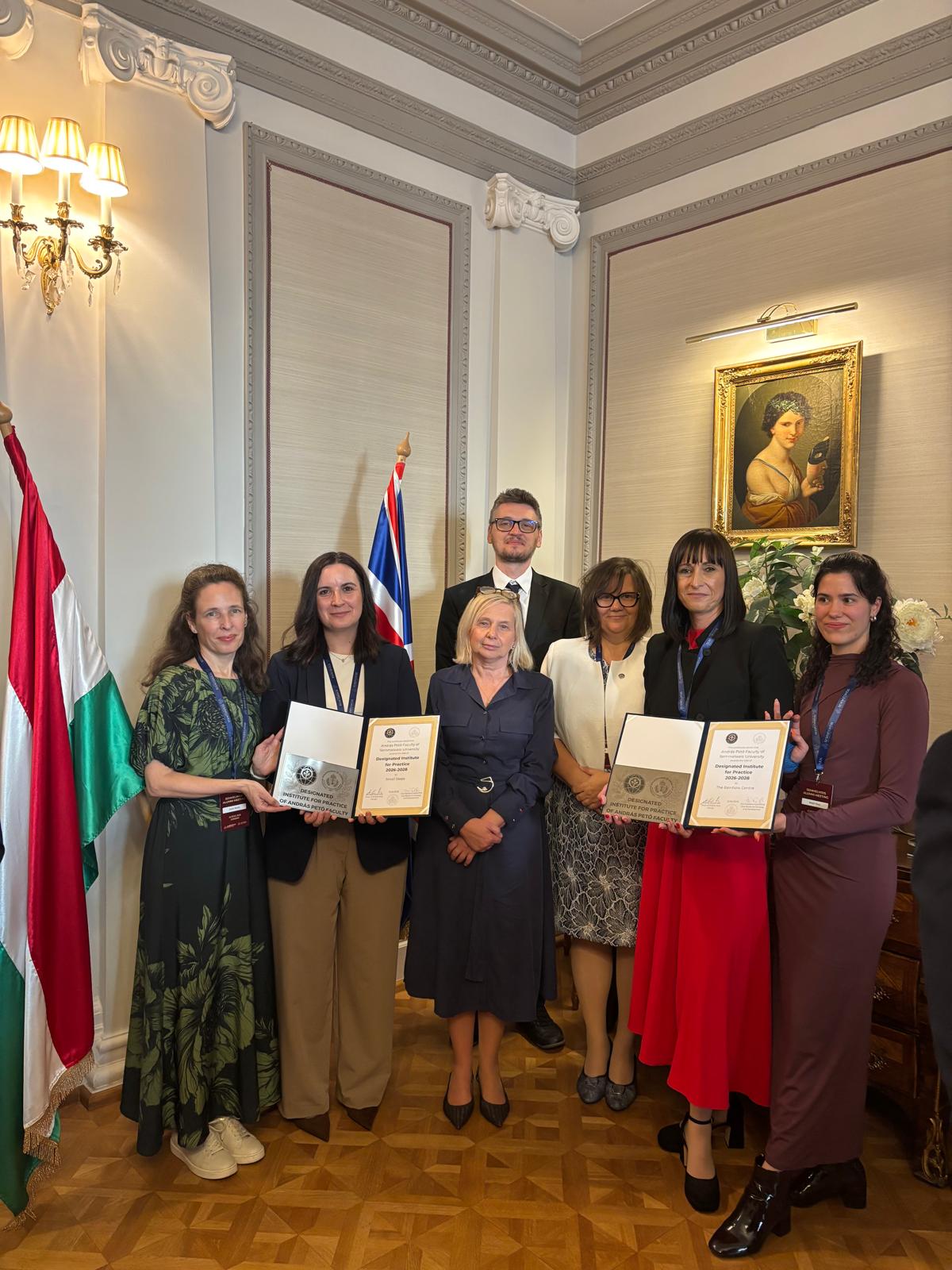
The celebration continued as Dr. Andrea Zsebe, PhD, Dean of the András Pető Faculty, took the stage to congratulate the two honored institutions. In her speech, she emphasized the vital role that international partnerships play in advancing conductive education globally. The awards were then formally accepted by the leadership teams of both organizations. On behalf of The Rainbow Centre, the title was received by CEO Rachael Ives and Head of Practice Enikő Kocsis, while Small Steps was represented by Head of Center Anita Coppola MBE and Head of Practice Eszter Boross. In their acceptance speeches, both heads of institutions reflected on their decades-long dedication to conductive education in the United Kingdom and expressed their commitment to fostering even closer ties with the Hungarian mother institution.

The “Designated Institute for Practice” title, established by Semmelweis University’s András Pető Faculty, serves a significant strategic purpose. It aims to recognize international partners that successfully maintain the rigorous practical training standards set by the Hungarian mother institution within their own countries. Moving forward, these certified organizations will provide official professional and practical training opportunities for students of the András Pető Faculty. Furthermore, looking at the long-term vision, these institutions are set to become key partners in future off-site, transnational higher education programs, ensuring that the legacy and excellence of conductive education continue to thrive on a global scale.
Gallery