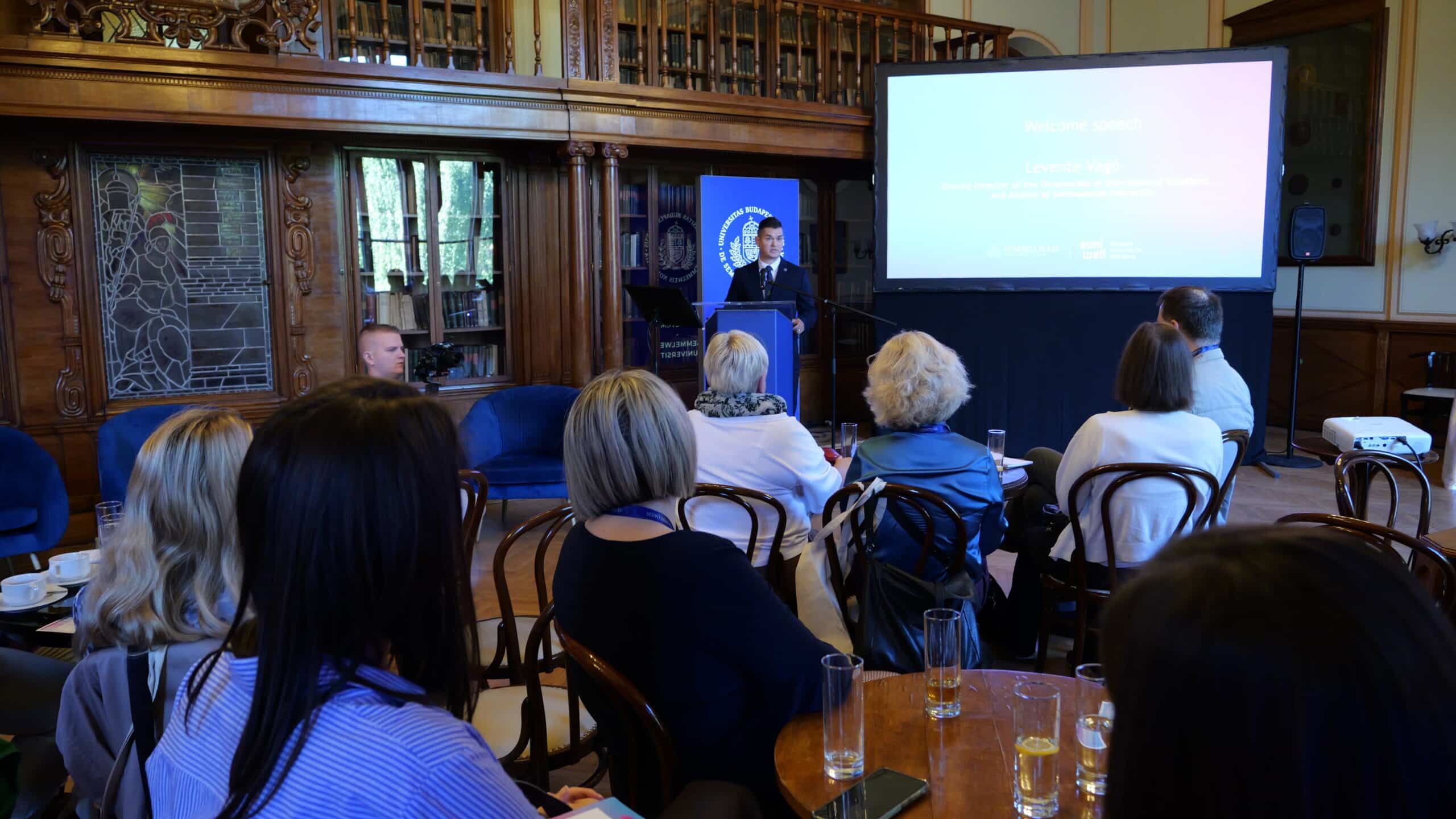
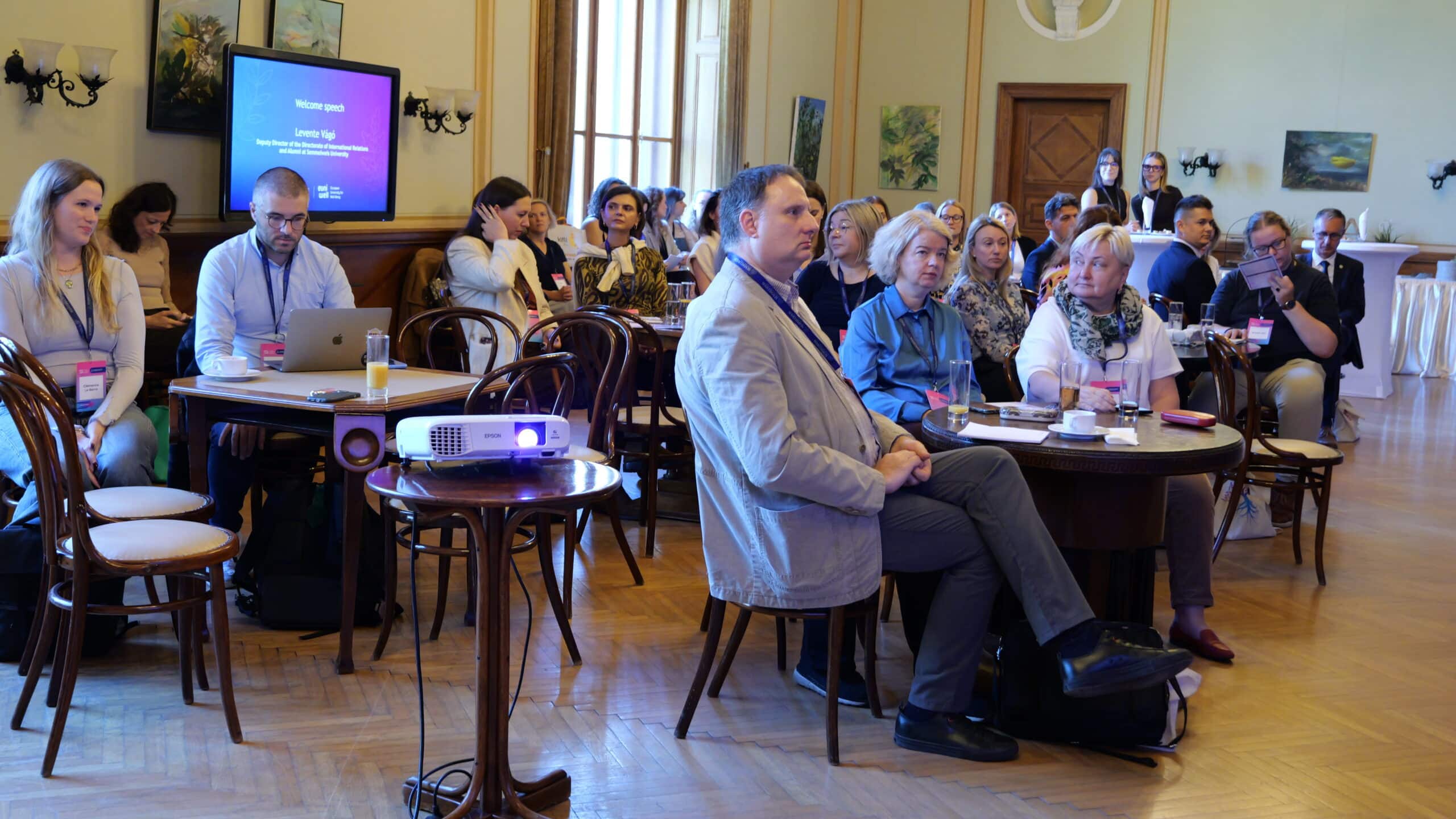
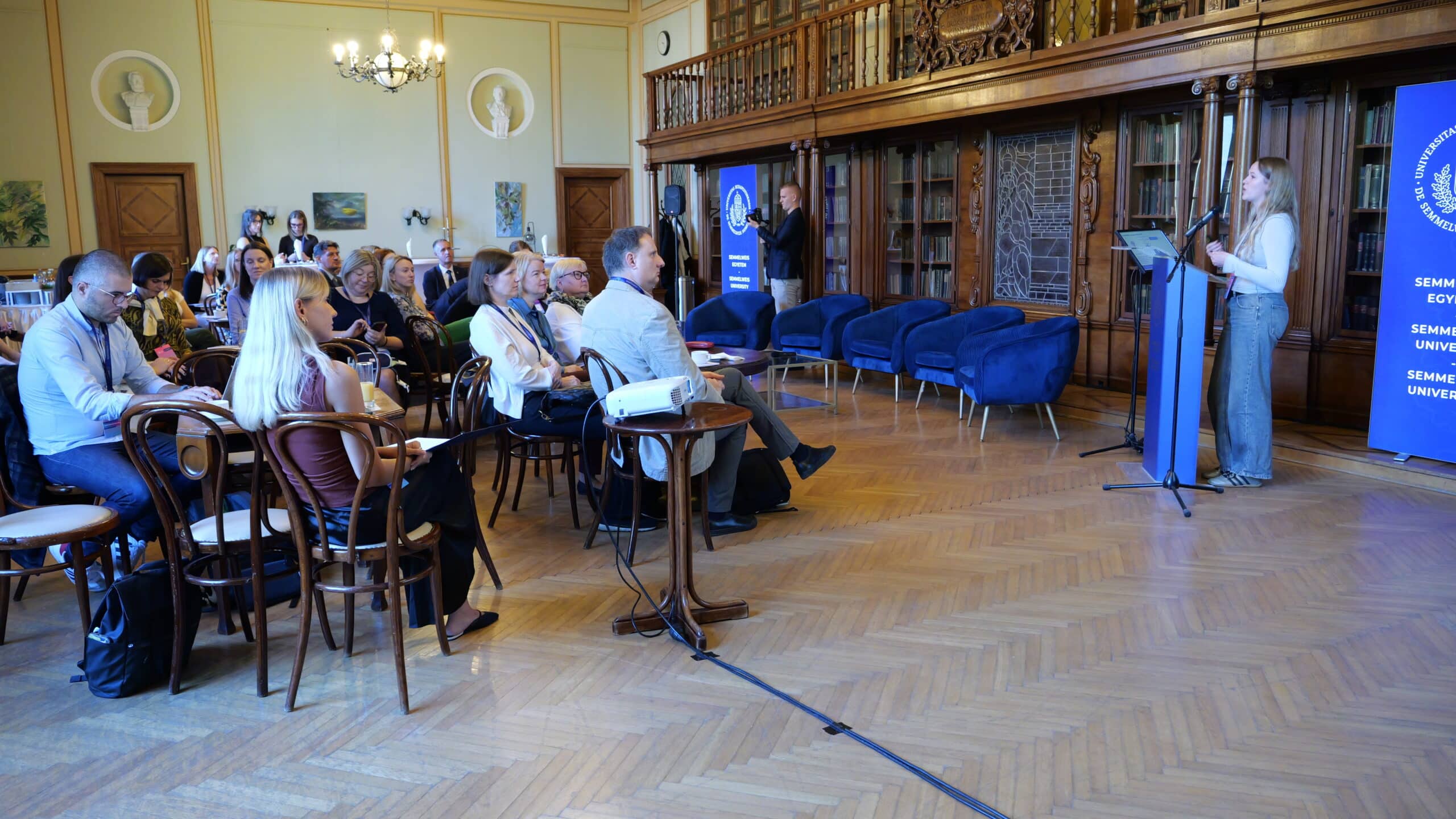
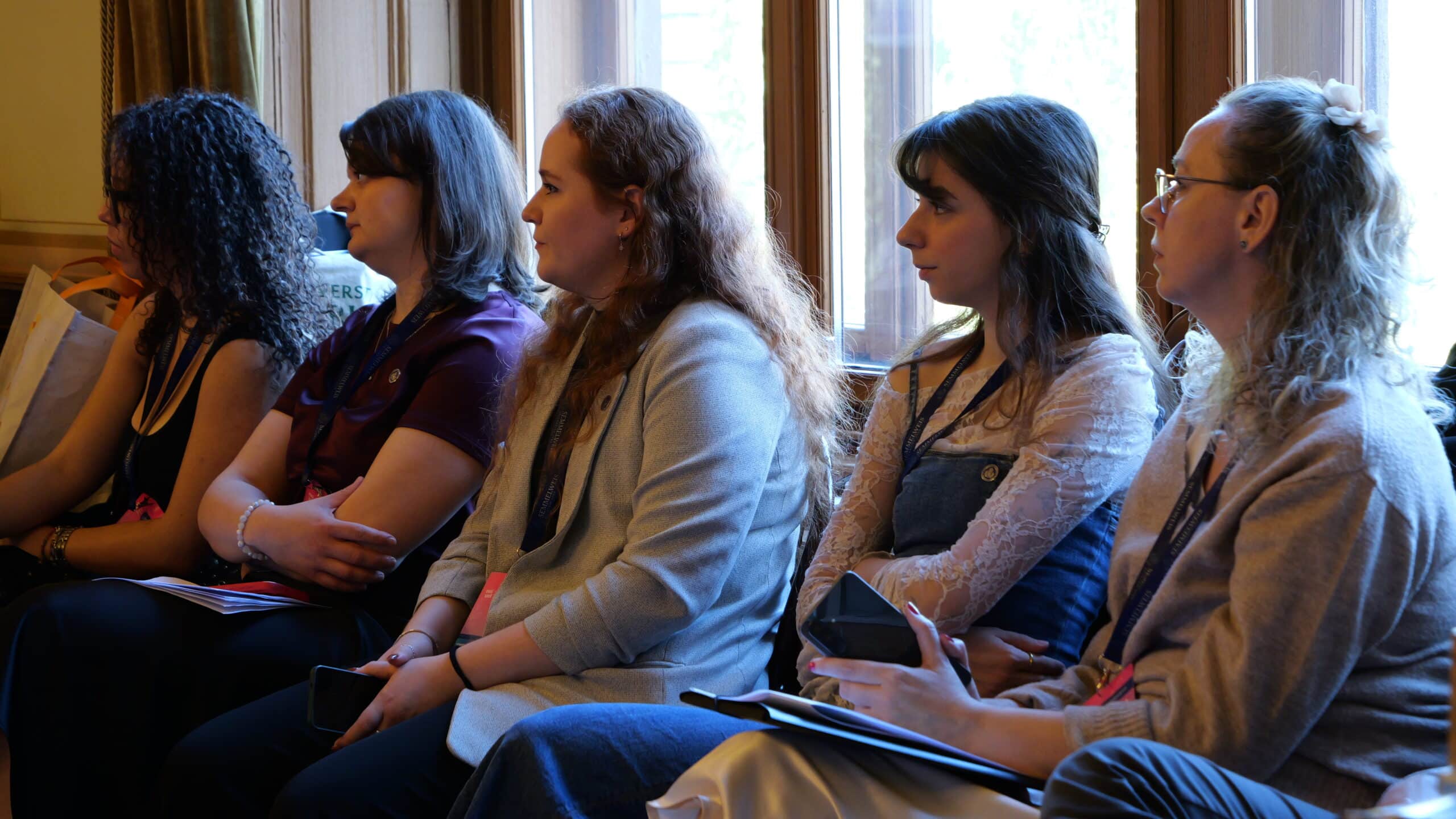
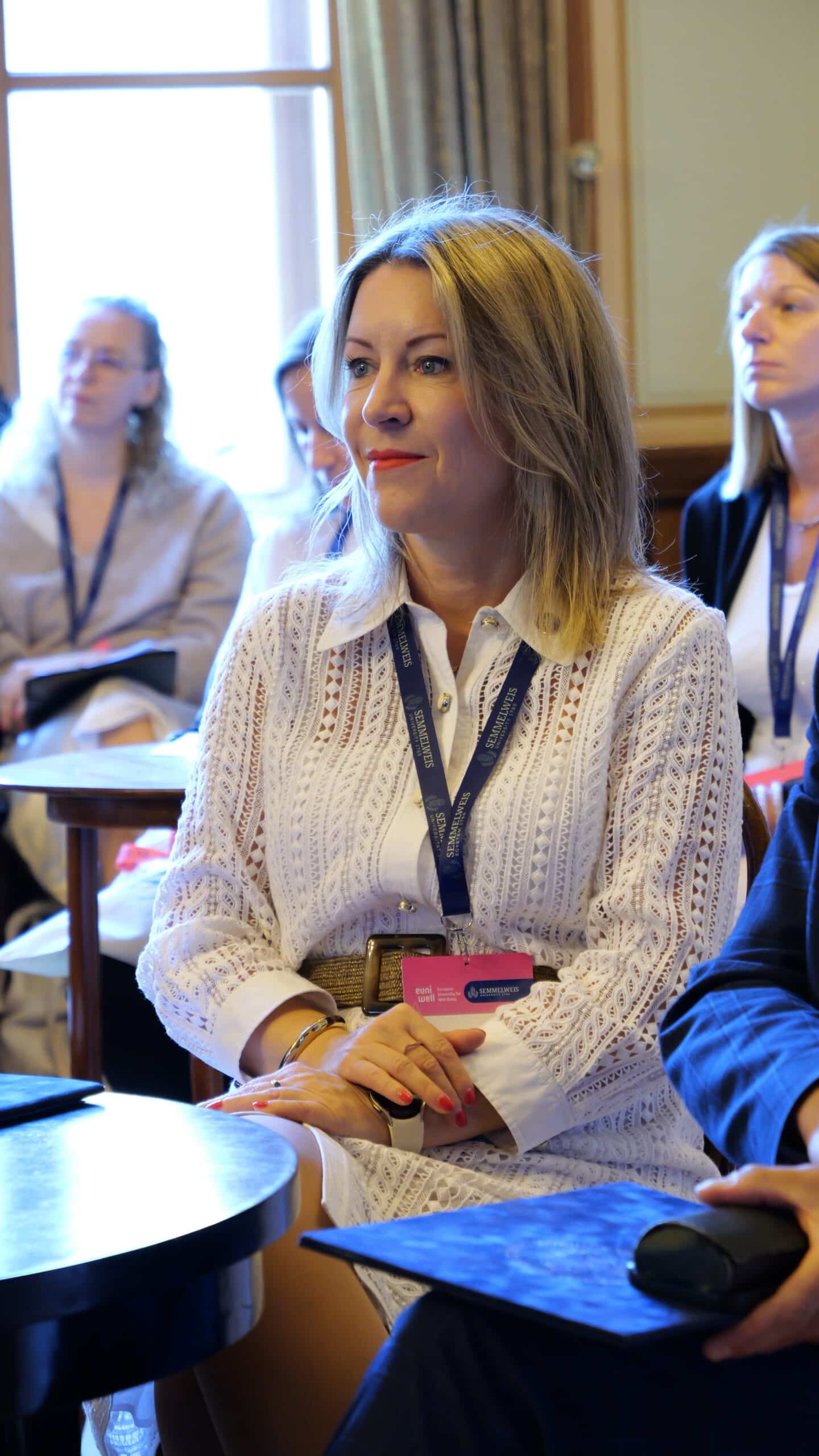
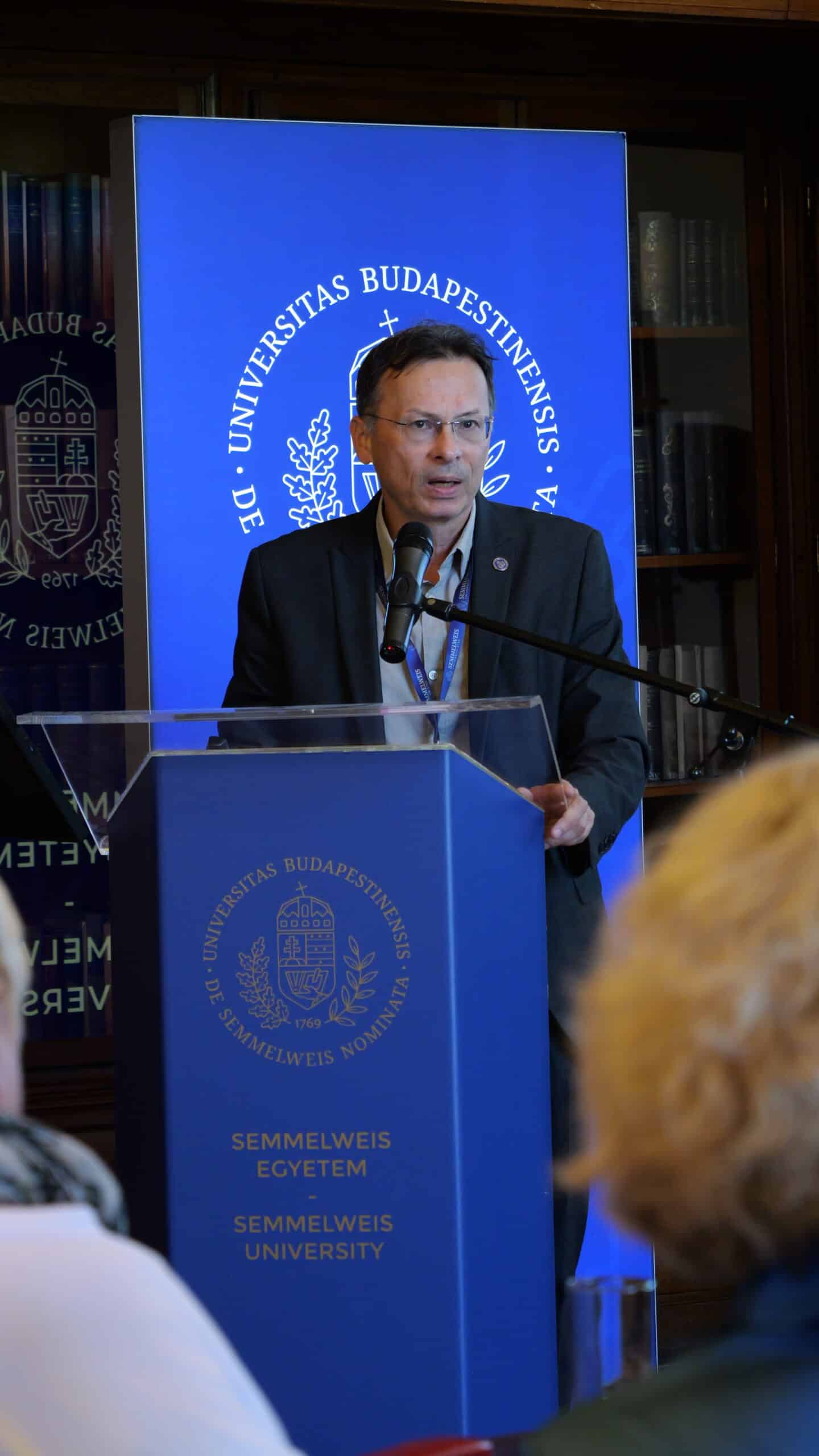
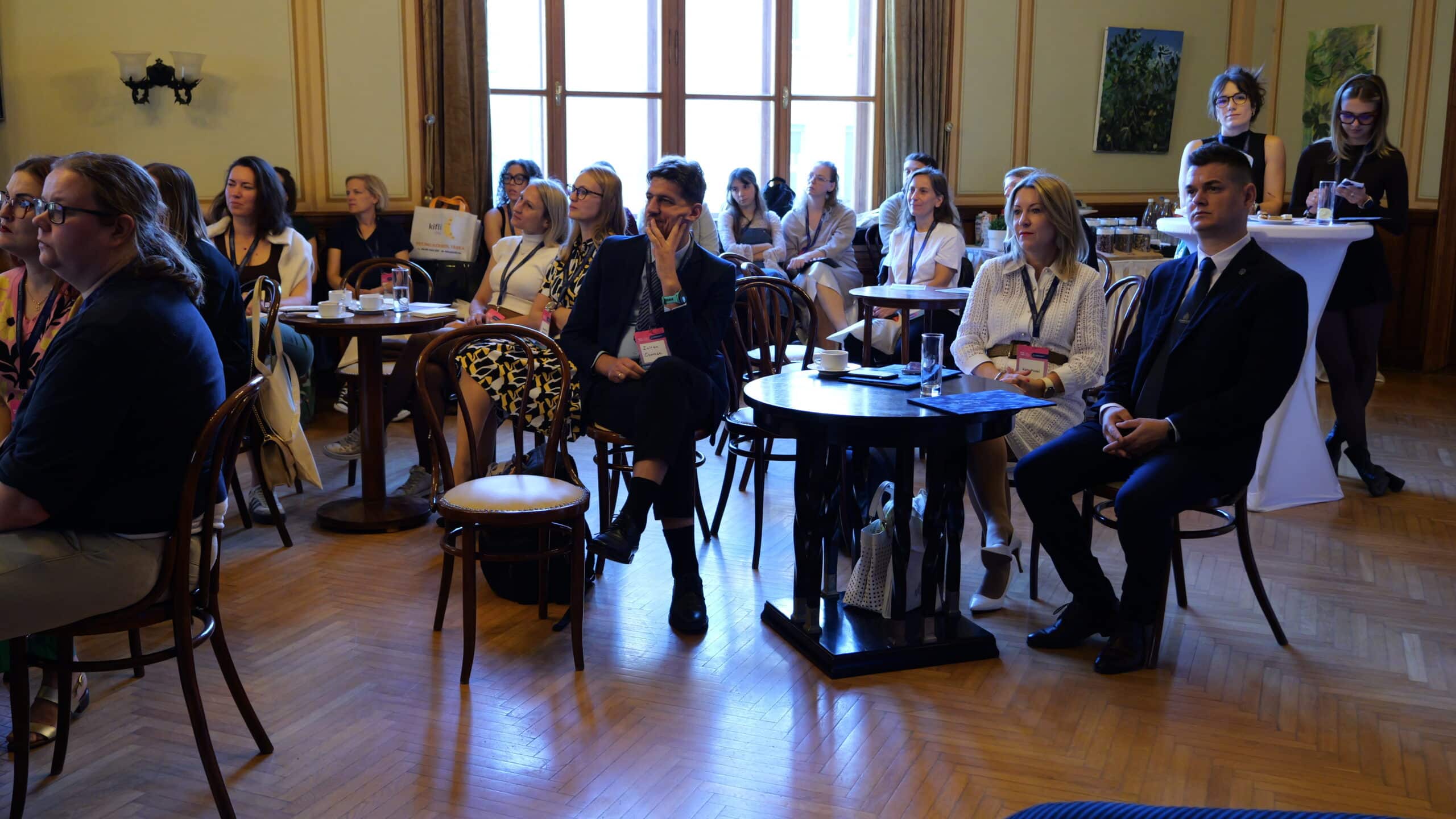
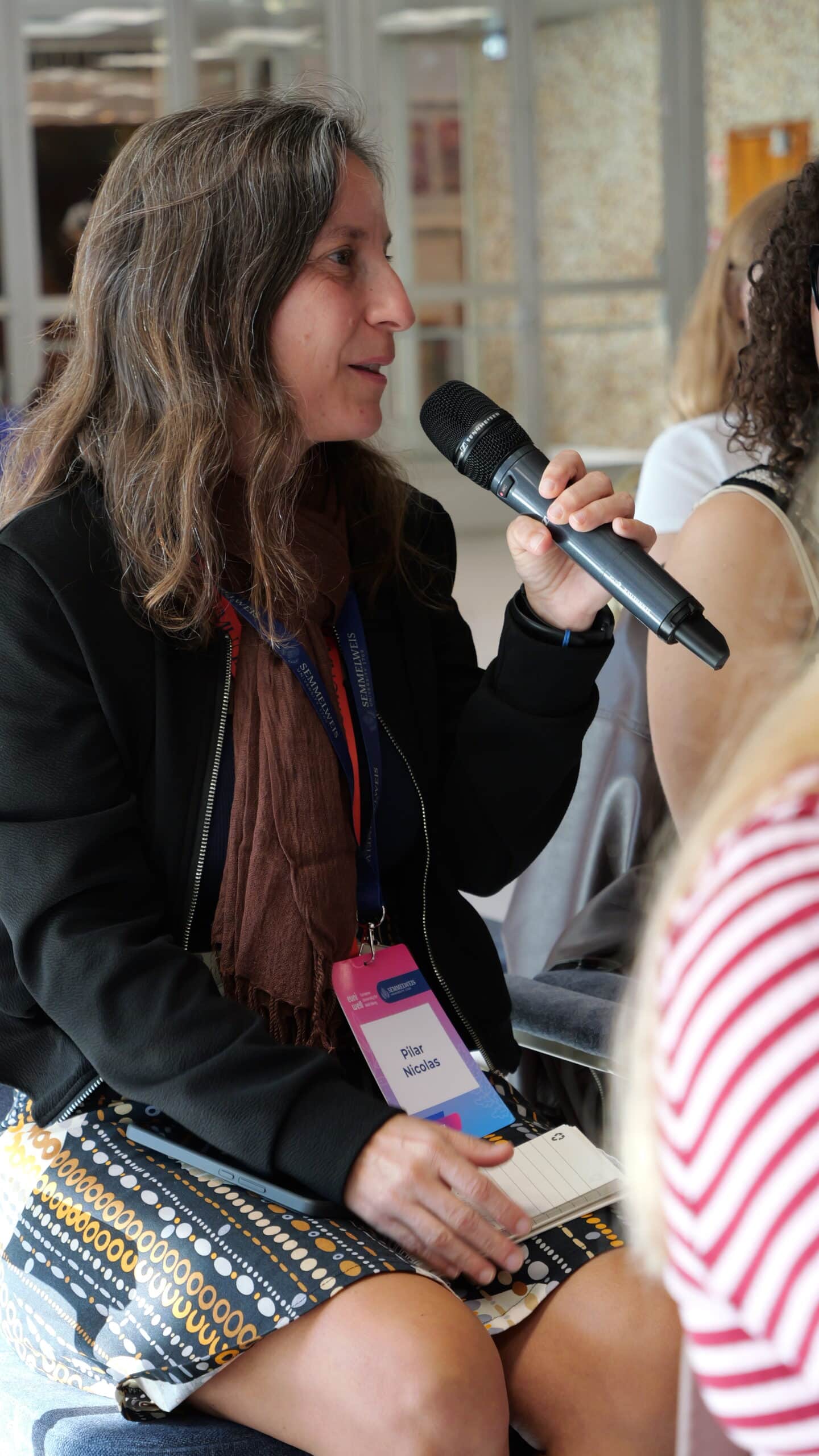
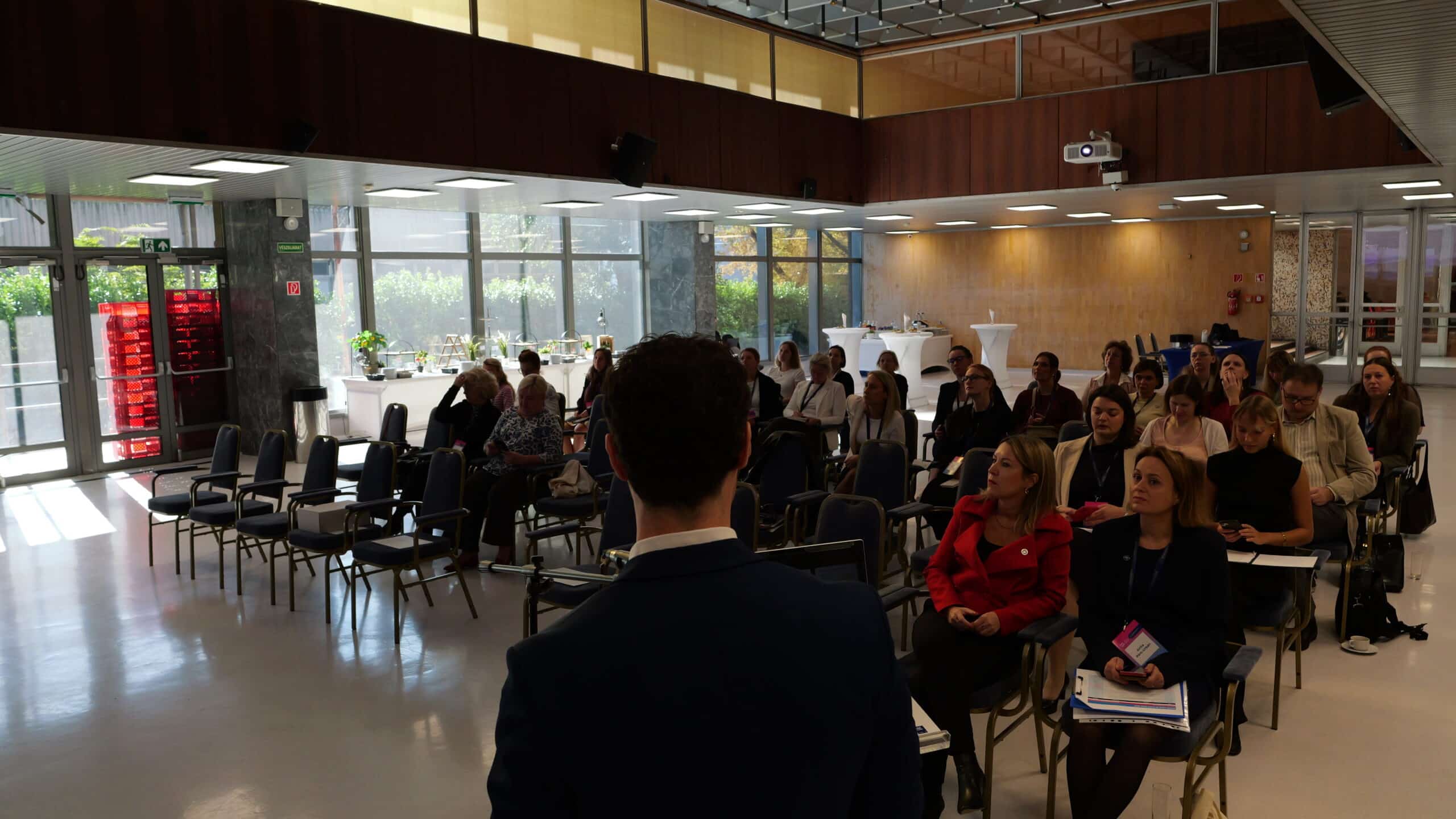
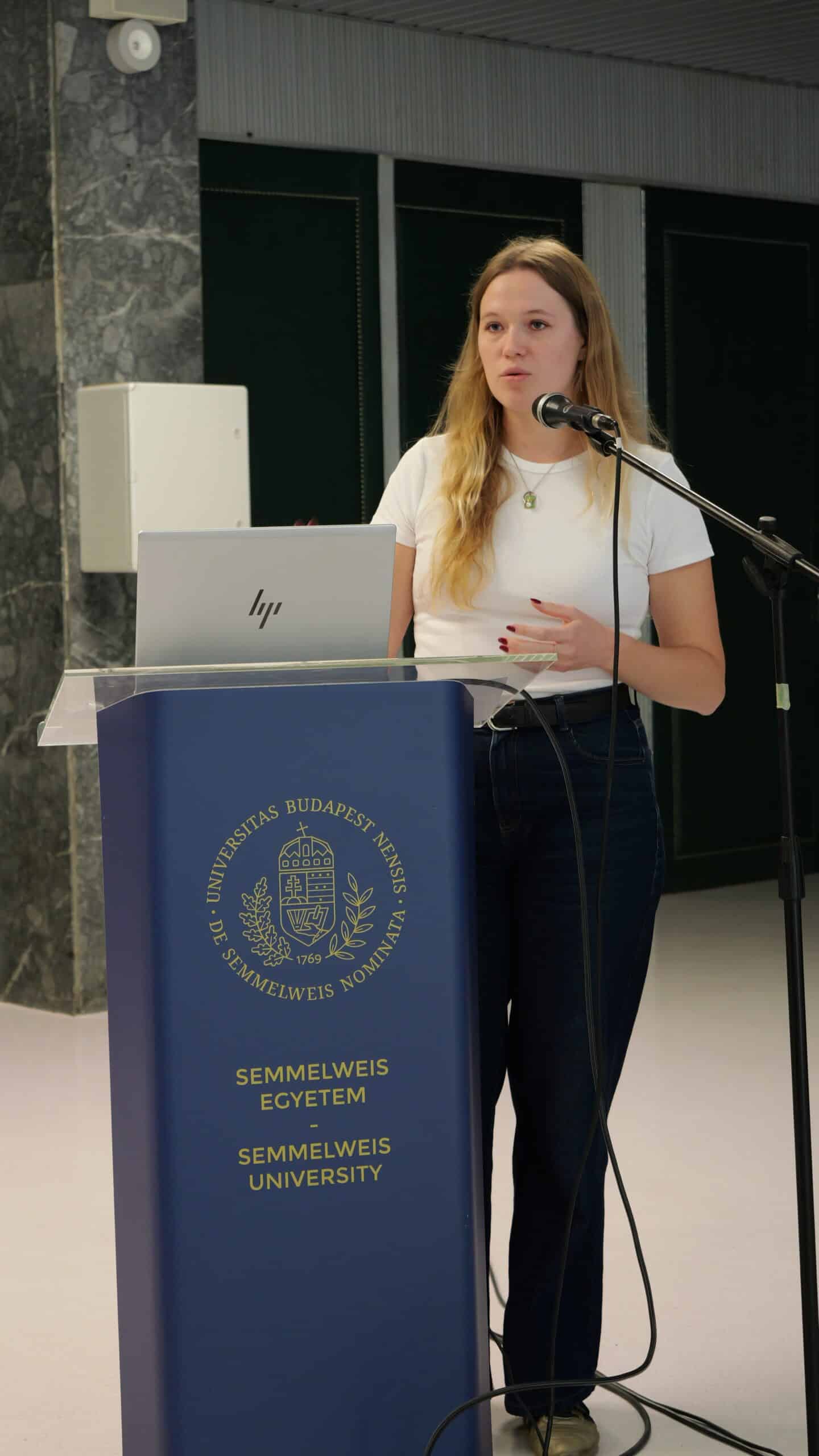
From 28 September to 1 October, Semmelweis University welcomed higher education professionals to Budapest for the Semmelweis HR Staff Week, bringing together 25 participants to exchange experiences, explore innovative institutional practices, and discuss the future of staff well-being and sustainable leadership in higher education.
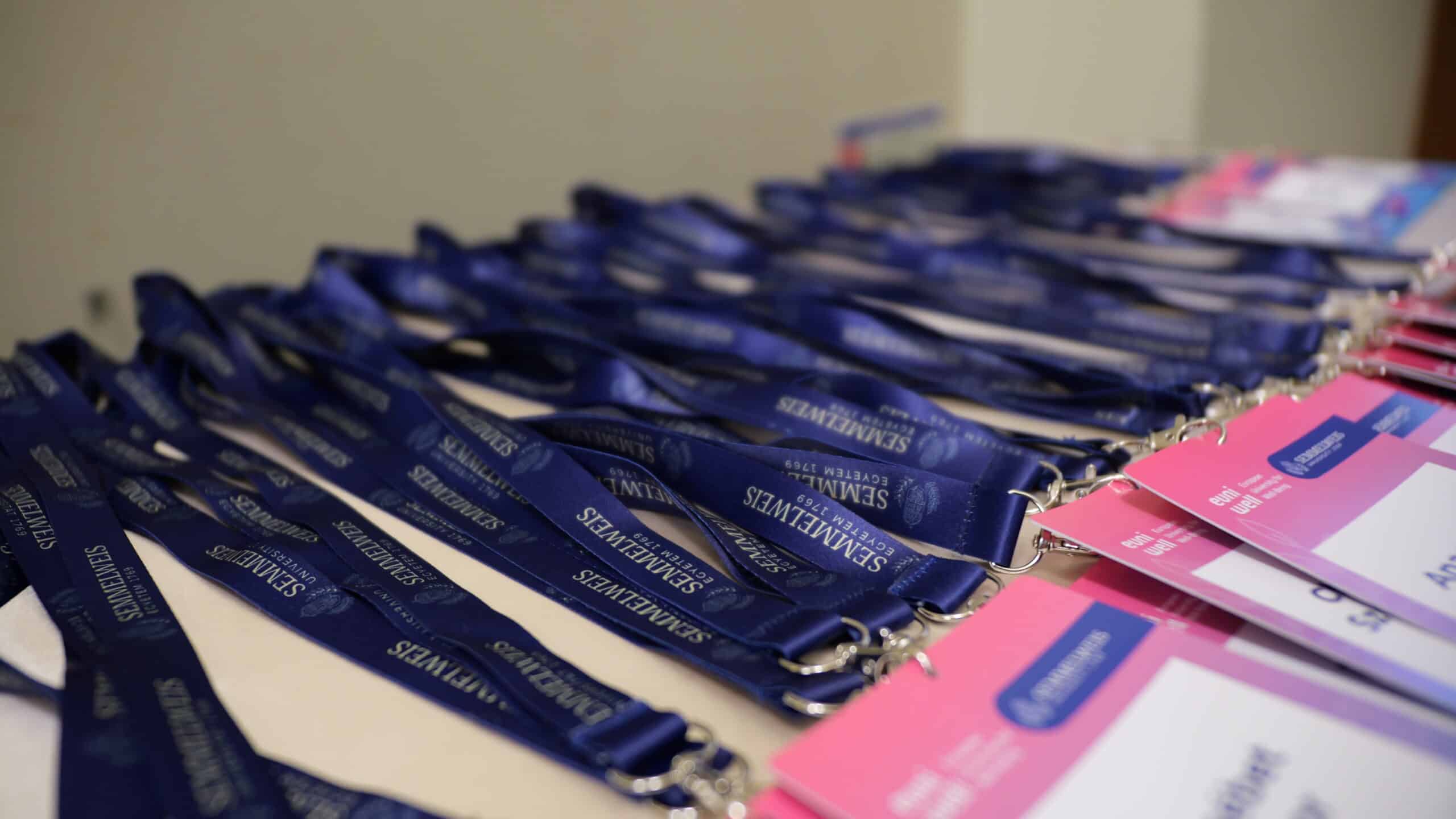
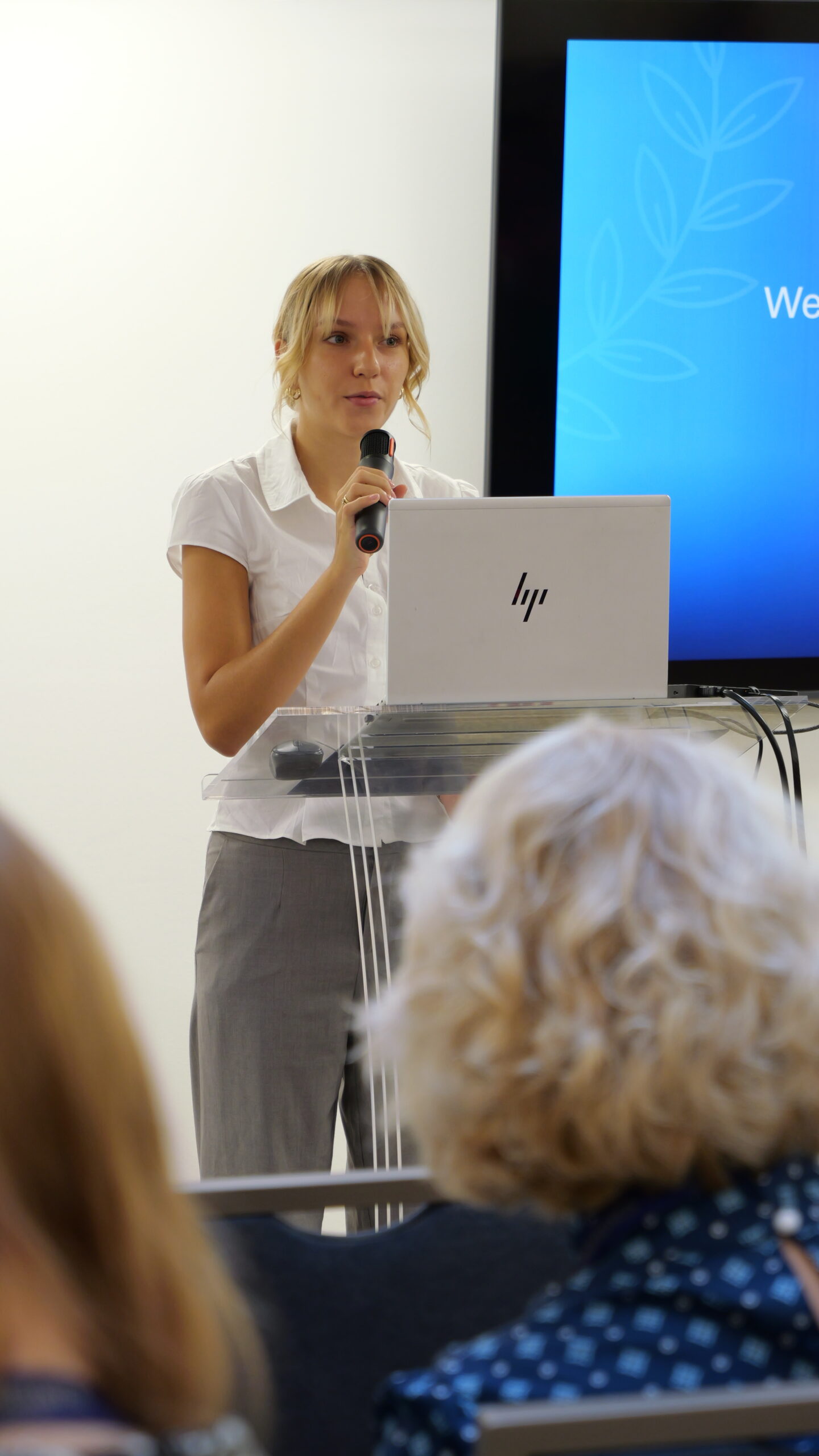
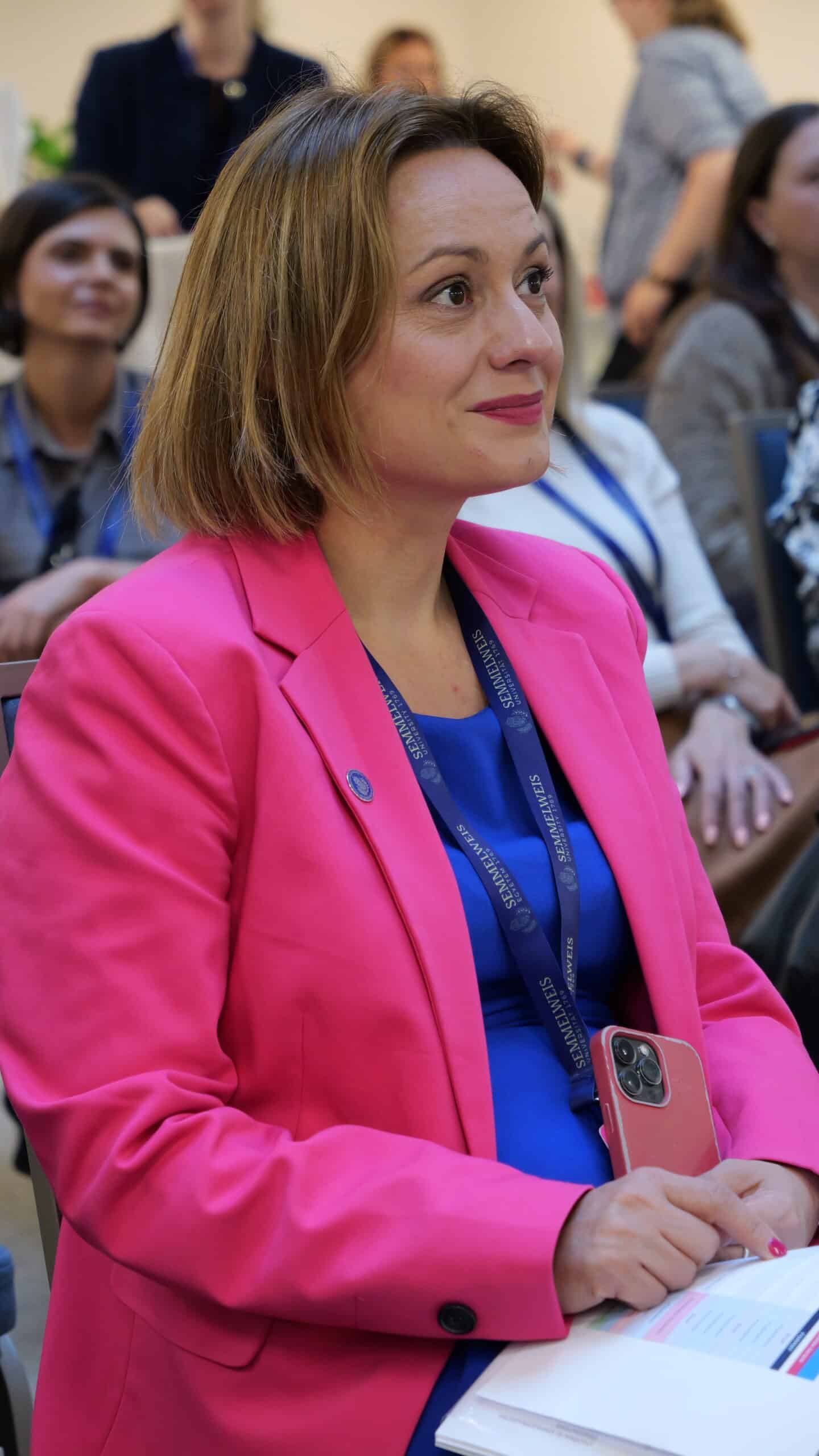
Organised in the framework of the EUniWell – European University for Well-Being Alliance, the four-day event featured 24 speakers and offered a diverse programme of expert presentations, interactive workshops, roundtable discussions, and networking opportunities. The Staff Week provided a platform for international knowledge exchange, highlighting the importance of creating healthier, more inclusive, and supportive working environments within universities.
The event was the result of a joint organisational effort involving four units of Semmelweis University: the Directorate-General for Human Resources Management, the Directorate-General for Strategic Organisational Development, the Family-Friendly University Programme, and the Semmelweis EUniWell Team within the Directorate of International Relations and Alumni Affairs.
This cross-departmental collaboration demonstrated the value of bringing together different areas of institutional expertise to achieve a shared goal, reflecting the very principles of cooperation and collective well-being promoted throughout the Staff Week.
Putting Staff Well-Being at the Heart of Higher Education
The programme opened with discussions on workplace mental health, burnout prevention, and the evolving role of leadership in supporting employee well-being. Expert presentations explored how universities can strengthen organisational resilience, encourage work-life balance, and develop a culture of trust and collaboration.
A dedicated roundtable discussion on staff well-being brought together institutional perspectives and practical experiences, encouraging participants to reflect on shared challenges and potential solutions.
Throughout the event, Semmelweis University showcased several of its institutional good practices, including its Family-Friendly University Programme, the Semmelweis Study, psychological well-being initiatives, and its Green University Programme. Sessions also addressed mindfulness, stress management, women’s health, peer mentoring, and the well-being of doctoral students and early-career researchers.
International perspectives further enriched the discussions, including contributions from EUniWell partner institutions on psychological counselling, work-life balance, and human resources excellence in research.
Exploring Sustainable and Person-Centered Leadership
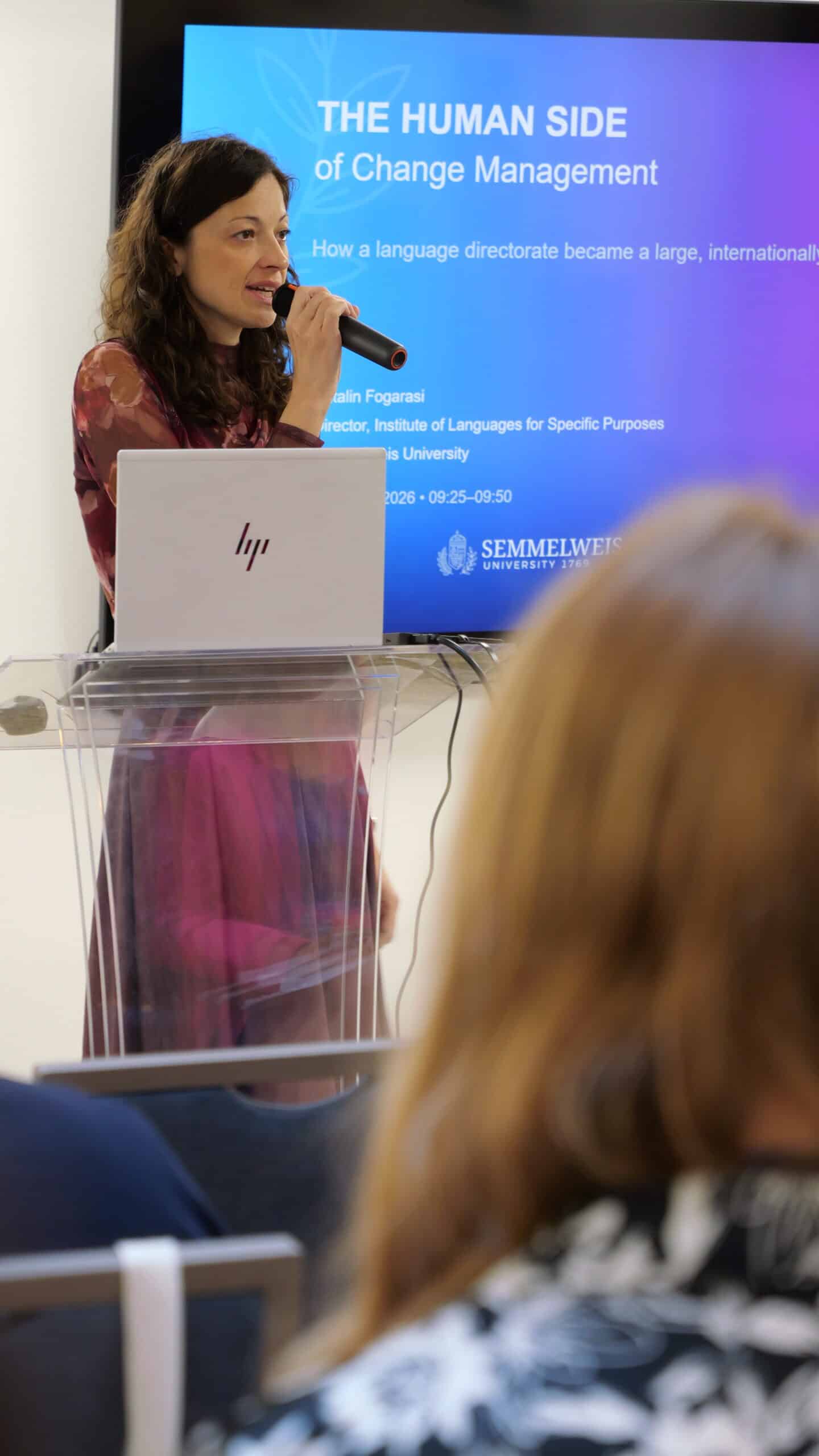
Leadership was another central theme of the Staff Week, with sessions examining the human side of organisational change, female leadership, organisational learning, and the growing role of artificial intelligence in professional environments.
A dedicated leadership roundtable provided an opportunity to exchange perspectives on the challenges facing university leaders and the importance of balancing institutional performance with employee well-being.
The programme concluded with an interactive workshop on well-being-oriented leadership, focusing on psychological safety, team development, and building supportive organisational cultures.
Strengthening International Connections Through EUniWell and External Partners
Beyond the formal sessions, participants had opportunities to connect and exchange ideas during social activities, including a welcome dinner and a Danube River cruise.
These informal exchanges complemented the professional programme, strengthening relationships among higher education professionals and creating opportunities for future collaboration.
The Semmelweis HR Staff Week demonstrated the value of international cooperation in addressing shared challenges in higher education. By bringing together institutional experiences, scientific insights, and practical approaches, the event contributed to EUniWell’s broader mission of promoting well-being across university communities.
Semmelweis University extends its sincere thanks to all speakers, participants, and colleagues who contributed to the success of the event and looks forward to continuing the exchange of knowledge and good practices within the EUniWell Alliance.
Gallery
 Semmelweis University’s involvement in the EUniWell program is supported by the National Research, Development and Innovation Fund (NKFIH).