Written by Gulsevar Turayeva, second-year healthcare management student, Semmelweis University.
My name is Gulsevar Turayeva, I am a second-year healthcare management student at Semmelweis University. I have always been curious about how healthcare systems operate, but I am also passionate about learning about wider topics that have an impact on people’s health and the quality of life.
This is exactly why a EUniWell Blended Intensive Program (BIP) opportunity titled “Education Towards a Sustainable Future” offered by the University of Florence immediately appealed to me. This was my journey to Florence with the hope of understanding sustainability in a more practical way.
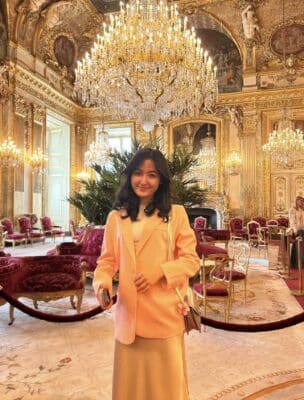
One of the main reasons I decided to apply for the program was the opportunity to step outside my comfort zone and learn from people with different academic, professional, and cultural backgrounds. Sustainability is often discussed as an environmental issue, but I was curious to explore how it connects to broader social and health-related challenges.
The program combined online preparation with an intensive in-person week in Florence. The online sessions provided a solid foundation and allowed participants to become familiar with the topics and with each other before meeting in person. As a result, the transition to the mobility phase felt smooth and well organized.
From the first day in Florence, the atmosphere was open, international, and highly interactive. Rather than simply attending lectures, we actively engaged in discussions, group work, and reflection exercises, learning not only from the instructors but also from one another. This exchange of perspectives was one of the most valuable aspects of the program.
What impressed me as well was the way sustainability was presented as a complex, interconnected concept. Through the lectures and discussions, I gained a deeper understanding of how environmental, social, and economic factors influence one another and shape people’s lives. As a student interested in healthcare and health management, this perspective felt particularly relevant. It reinforced the idea that health outcomes are influenced not only by medical care but also by wider social and environmental conditions. One lecture on sustainability and society was especially thought-provoking, highlighting how sustainability is ultimately connected to responsibility, equity, and the way societies make decisions about the future.
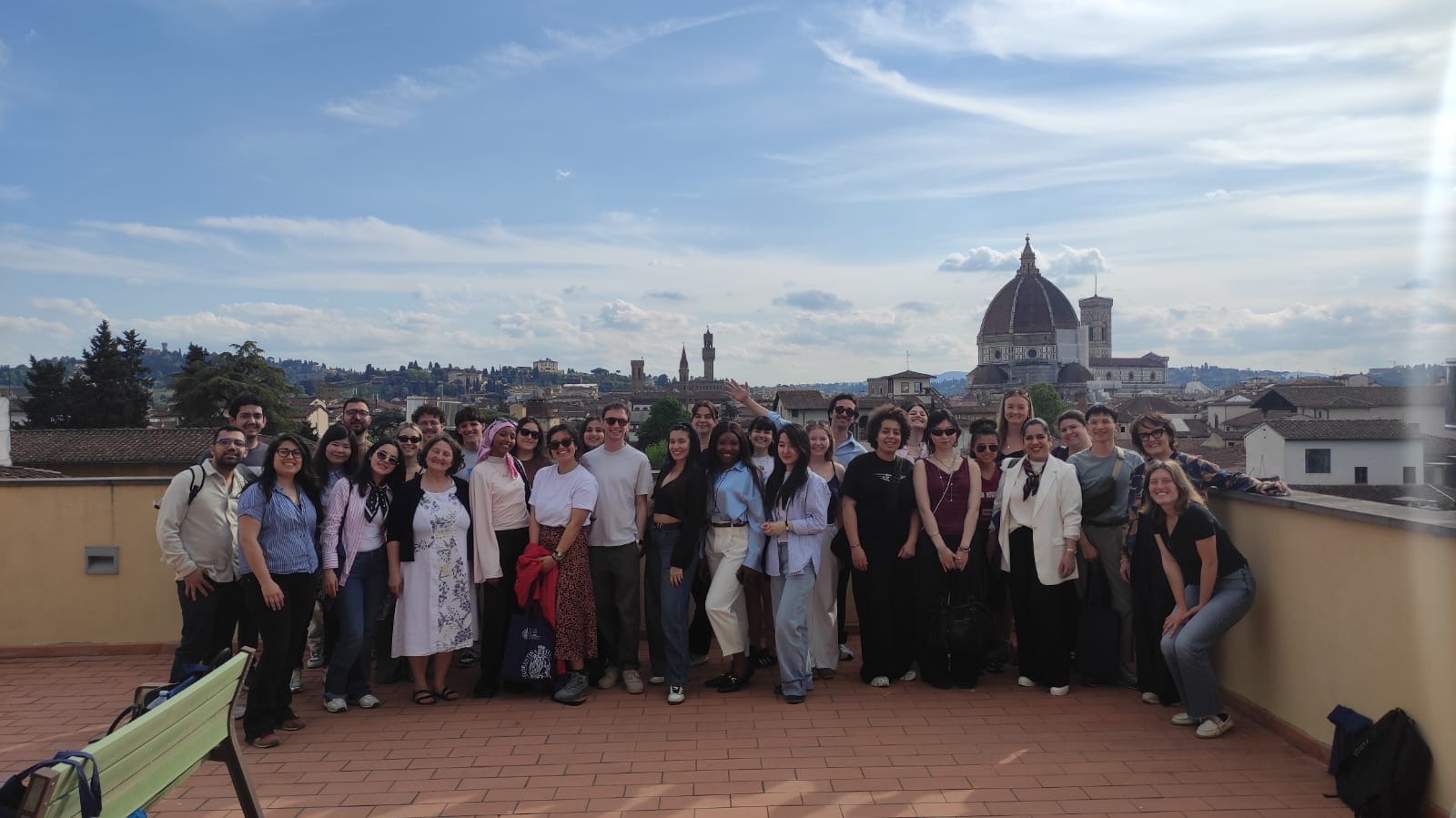
Some of the most meaningful experiences of the program were the visits to the La Specola Natural History Museum, Villa Demidoff, and the workshops at the Orto Botanico. Together, these activities helped me understand the connection between human health, environmental sustainability, and social responsibility in a much more tangible way. Seeing the museum exhibits, exploring concepts such as carbon footprints and resource use, and discussing systemic thinking encouraged me to look beyond individual issues and consider the broader structures that shape both healthcare and society. These experiences reinforced the idea that challenges related to well-being, sustainability, and equity are deeply interconnected and can only be addressed through a holistic perspective.
But perhaps what I appreciated most about the program was that the learning extended far beyond academic content. Through discussions, group work, and conversations with students from different countries and disciplines, I gained new perspectives while also reflecting on my own values and goals.
The international environment created opportunities for genuine exchange, which I believe is one of the greatest strengths of the EUniWell project.
Being in Florence added another special dimension to the experience, as the city’s unique atmosphere, history, and culture made the mobility even more inspiring. Altogether, the program was not only an opportunity to learn about sustainability, but also to grow personally, broaden my perspective, and connect with people and ideas in a meaningful way.
On the more logistical side, the program was exceptionally well organized, which allowed me to focus fully on the learning experience and the connections I made throughout the week.
Looking back, my biggest takeaway is that sustainability is not an abstract concept but something that shapes our everyday decisions and influences how we think about health, equity, and the future.
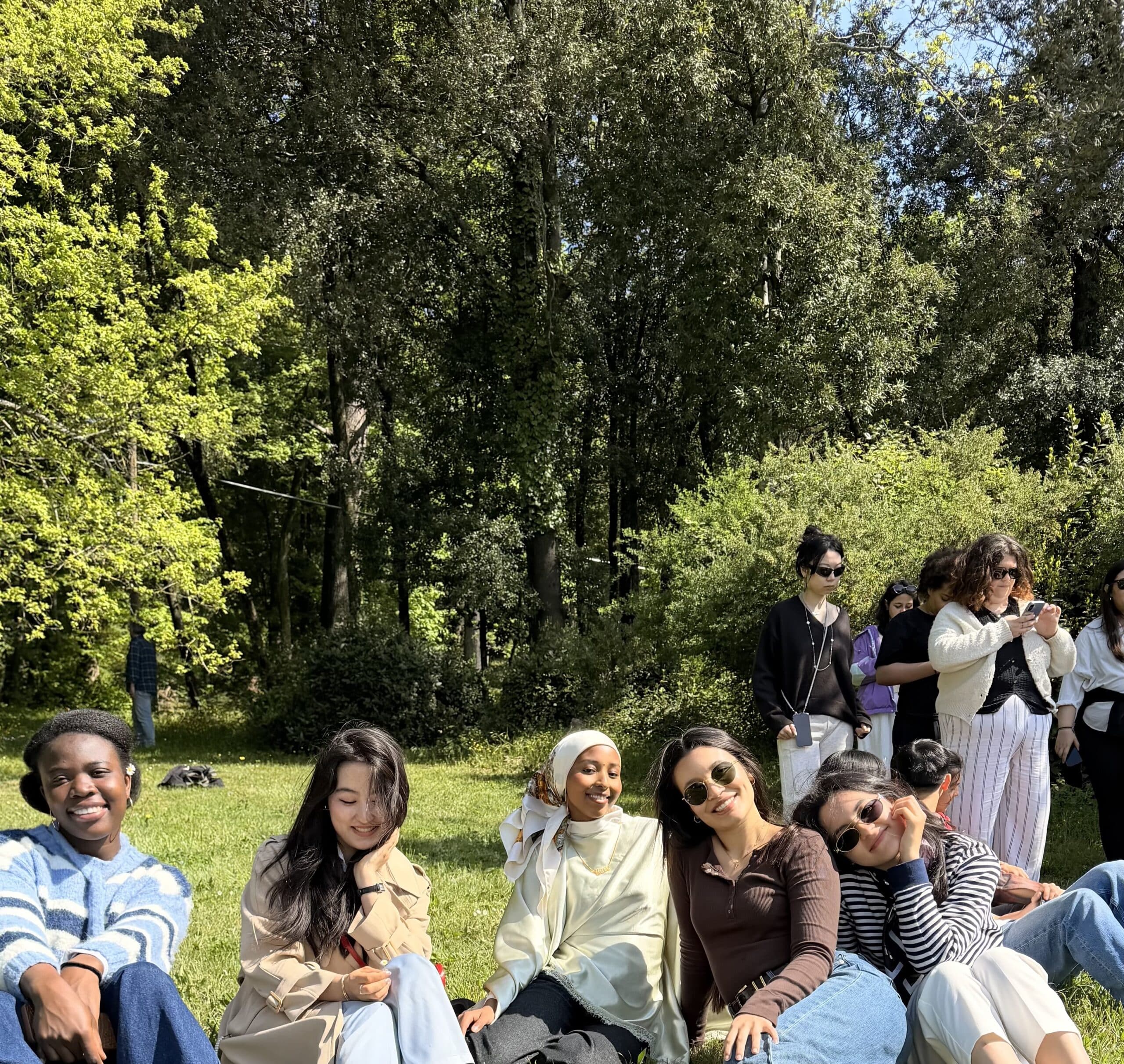
Through the combination of academic learning, international collaboration, and personal reflection, the trip to Florence broadened my perspective and strengthened my motivation to continue my studies with curiosity and purpose. I would highly recommend this program to other students, as it offers not only valuable knowledge but also the opportunity to connect with people from different backgrounds, challenge existing assumptions, and grow both academically and personally. I returned from Florence with new insights, meaningful connections, and a deeper appreciation of how learning can extend far beyond the classroom.
What are EUniWell Blended Intensive Programmes (BIPs)?
BIPs consist of groups of learners undertaking a short-term physical mobility abroad (between 5 and 30 days) combined with a mandatory virtual element, which aims to bring together online participants to work and learn collectively and simultaneously on specific tasks that are embedded in the BIP and count towards their overall learning outcomes. They are short, intensive programs that use innovative ways of learning and teaching, including the use of online cooperation, as well as a real opportunity to develop international mobility skills.
If you are interested in participating in a BIP or other EUniWell educational offers, explore the Courses and Training Catalogue and apply through the website.