All Publications
Hungarian Scientific Bibliography database (link)
Selected Publications
2021-2026
- Riszter, Gergő; Forgách, László; Mucsi, Zoltán; Molnár, Laura; Bogdán, Dóra; Heydari, Fatemeh; Máthé, Domokos; Mándity, István; Gömöry, Ágnes; Kaleta, Zoltán ✉
Straightforward synthesis of Solomon-red-BAPTA as NIR fluorescent sensors via metal-free oxidative coupling
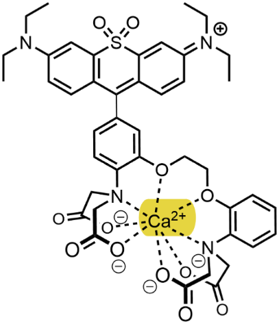
An effective, near-infrared (NIR) fluorescent Ca2+ sensor, Solomon-red-BAPTA, featuring a dioxothioxanthene moiety was developed for microscopy. A rapid and operationally simple synthetic route is described. The key step involves a room-temperature DDQ-mediated cross-dehydrogenative coupling (CDC) of the fluorescent precursor and BAPTA followed by a one-pot oxidation. The sensor exhibited excellent photophysical characteristics including a 160-fold fluorescence enhancement with excitation and emission maxima at 712 nm and 736 nm, respectively, suggesting high tissue-penetrating capacity. Based on the experimental data, the structure–property relationship was elucidated and further supported by DFT calculations, particularly with respect to the photoinduced electron transfer (PET)-based fluorescence turn-on mechanism. RSC ADVANCES 16(32): 29450-29457, (2026).
doi: 10.1039/D6RA01589A
- Dunkel, Petra; Tran, Christine*; Rigault, Delphine*; Kontra, Bence*; Deprez, Eric; Tauc, Patrick; Mucsi, Zoltán; Dhimane, Hamid; Dalkó, Péter I. ✉
Breaking Bonds by Light: The Absorbance–Fragmentation Paradox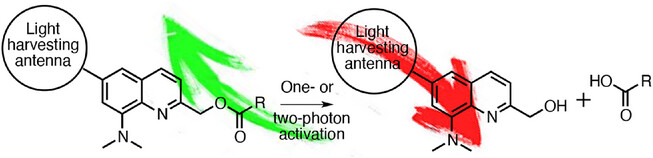
Although octupolar and quadrupolar DMAQ-derived probes showed superior ε and two-photon absorption cross-section (σ2) values relative to the dipolar one (1), the fragmentation efficiency exhibited inverse trend, and 1 emerged as the most effective caging group achieving Q = 12% quantum yield with σ2 = 86 GM and uncaging cross-section δu = 10.2 GM at 735 nm.
CHEMISTRY-A EUROPEAN JOURNAL 31(46): e01839, (2025).
doi: 10.1002/chem.202501839
- Erdei, Eszter; Mándoki, András; Deák, Andrea ✉; Balogh, Balázs; Molnár, László; Mándity, István M. ✉
BioGoldNCDB: A Database of Gold Nanoclusters and Related Nanoparticles with Biomedical Activity
Interest in gold nanoclusters (AuNCs) has grown significantly in recent decades. AuNCs, with a core size smaller than 2 nm, represent a unique class of functional nanomaterials. Their distinctive properties enable innovative applications across various interdisciplinary fields. Here, we introduce BioGoldNCDB, a freely available, fully annotated, and manually curated database of mainly about AuNCs and related AuNPs. Despite the rapid growth in biomedical applications of gold nanoclusters (AuNCs), the lack of a centralized and structured data resource hinders comparative analysis and rational design. Researchers face challenges in accessing standardized information on AuNCs’ structures, properties, and biological activities, which limits data-driven development in this emerging field… MOLECULES 30(15): 3310, (2025).
doi: 10.3390/molecules30153310
- Erdei, Eszter; Marcos, Juan Toledo*; Varró, Nikolett; Horváti, Kata; Bacsa, Bernadett ✉; Mándity, István M.✉
Spatiotemporal control in biomedicine: photoswitchable peptides and foldamers
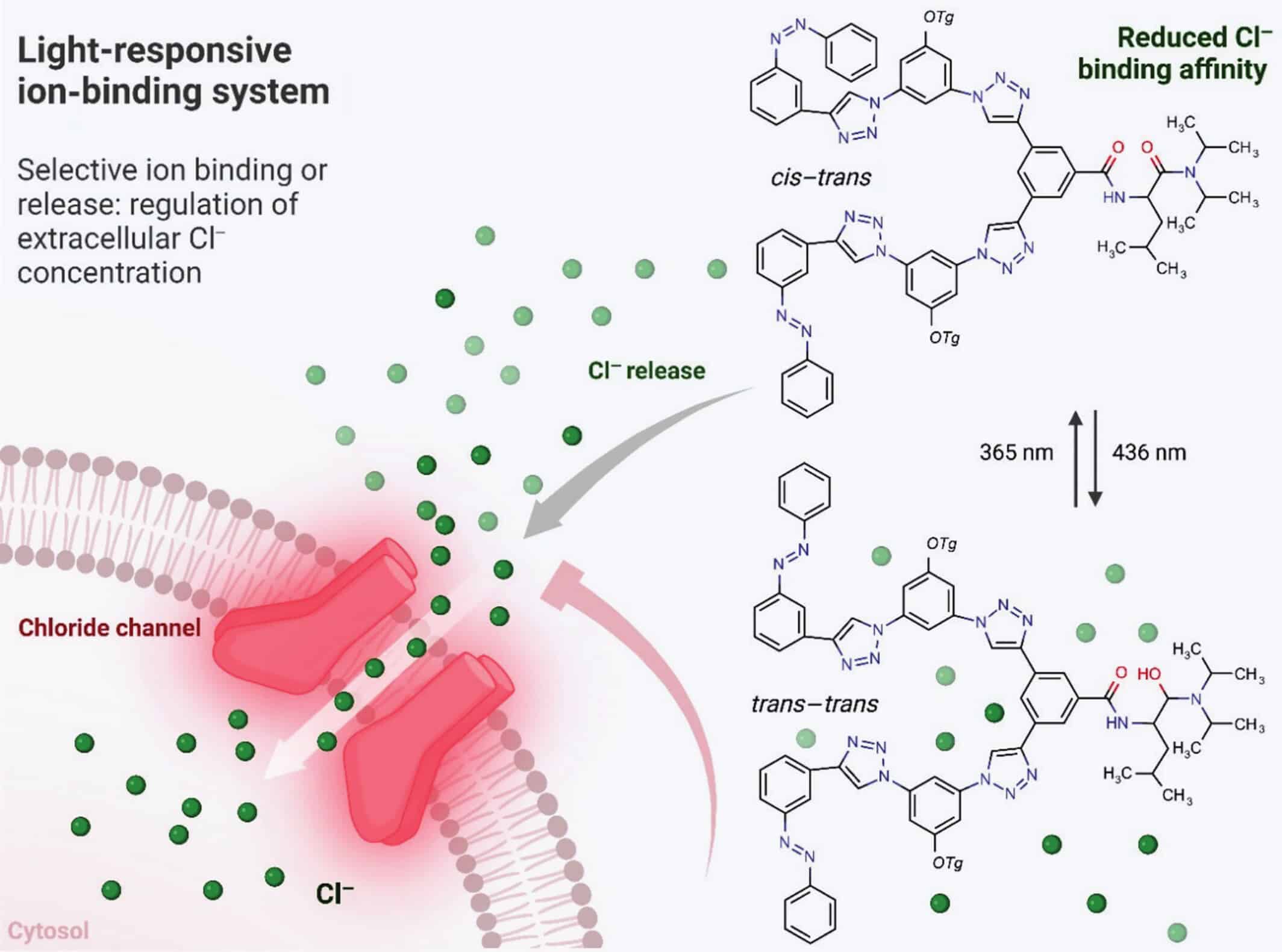
Photopharmacology integrates light-based technology with pharmacology to achieve precise control over biological processes, offering non-invasive activation and spatiotemporal regulation of biomolecular activity. Within this field, photoswitchable peptides and foldamers provide a powerful approach in precision medicine, enabling reversible conformational changes that toggle between active and inactive states. This light-driven modulation enhances targeted drug delivery, molecular sensing, and the development of photoresponsive biomaterials and optical devices. These dynamic systems hold immense potential for creating ‘smart’ therapeutics and biomaterials that adapt to environmental cues, revolutionizing biomedical applications. However, challenges persist in optimizing their stability, specificity and responsiveness in complex biological environments. Advances in light-responsive technologies and nanotechnology continue to push the boundaries of their applications, driving innovation in precision medicine and materials science. As research progresses, these systems are poised to transform drug delivery, diagnostics and next-generation biomaterials. BRITISH JOURNAL OF PHARMACOLOGY 182(19): 4458-4465, (2025).
doi: 10.1111/bph.70163
- Erdei, Eszter; Deme, Ruth*; Balogh, Balázs; Mándity, István M. ✉
Cell-Mediated and Peptide-Based Delivery Systems: Emerging Frontiers in Targeted Therapeutics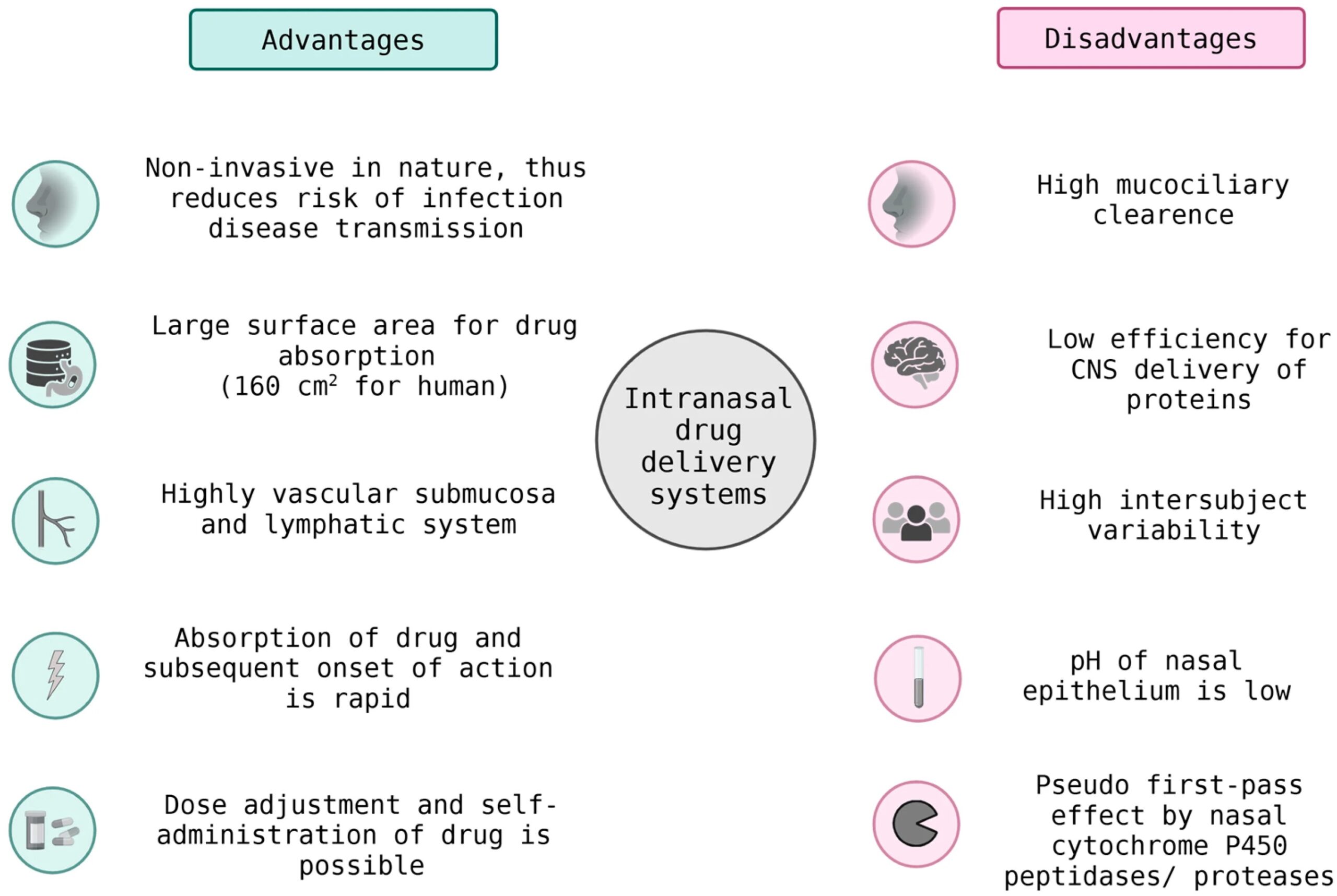
Cell-mediated and peptide-assisted delivery systems have emerged as powerful platforms at the intersection of chemistry, nanotechnology, and molecular medicine. By leveraging the intrinsic targeting, transport, and signaling capacities of living cells and bioinspired peptides, these systems facilitate the delivery of therapeutic agents across otherwise restrictive biological barriers such as the blood–brain barrier (BBB) and the tumor microenvironment. This review aims to summarize recent advances in engineered cell carriers, peptide vectors, and hybrid nanostructures designed for enhanced intracellular and tissue-specific delivery. We surveyed recent literature covering molecular design principles, mechanistic studies, and in vitro/in vivo evaluations of cell-mediated and peptide-enabled delivery platforms. Emphasis was placed on neuro-oncology, immunotherapy, and regenerative medicine, with particular focus on uptake pathways, endosomal escape mechanisms, and structure–function relationships. Analysis of current strategies reveals significant progress in optimizing cell-based transport systems, peptide conjugates, and multifunctional nanostructures for the targeted delivery of drugs, nucleic acids, and immunomodulatory agents… PHARMACEUTICS 17(12): 1597, (2025).
doi: 10.3390/pharmaceutics17121597
- Imre, Attila; Balogh, Balázs ✉; Mándity, István ✉
GraphCPP: the new state-of-the-art method for cell-penetrating peptide prediction via graph neural networks
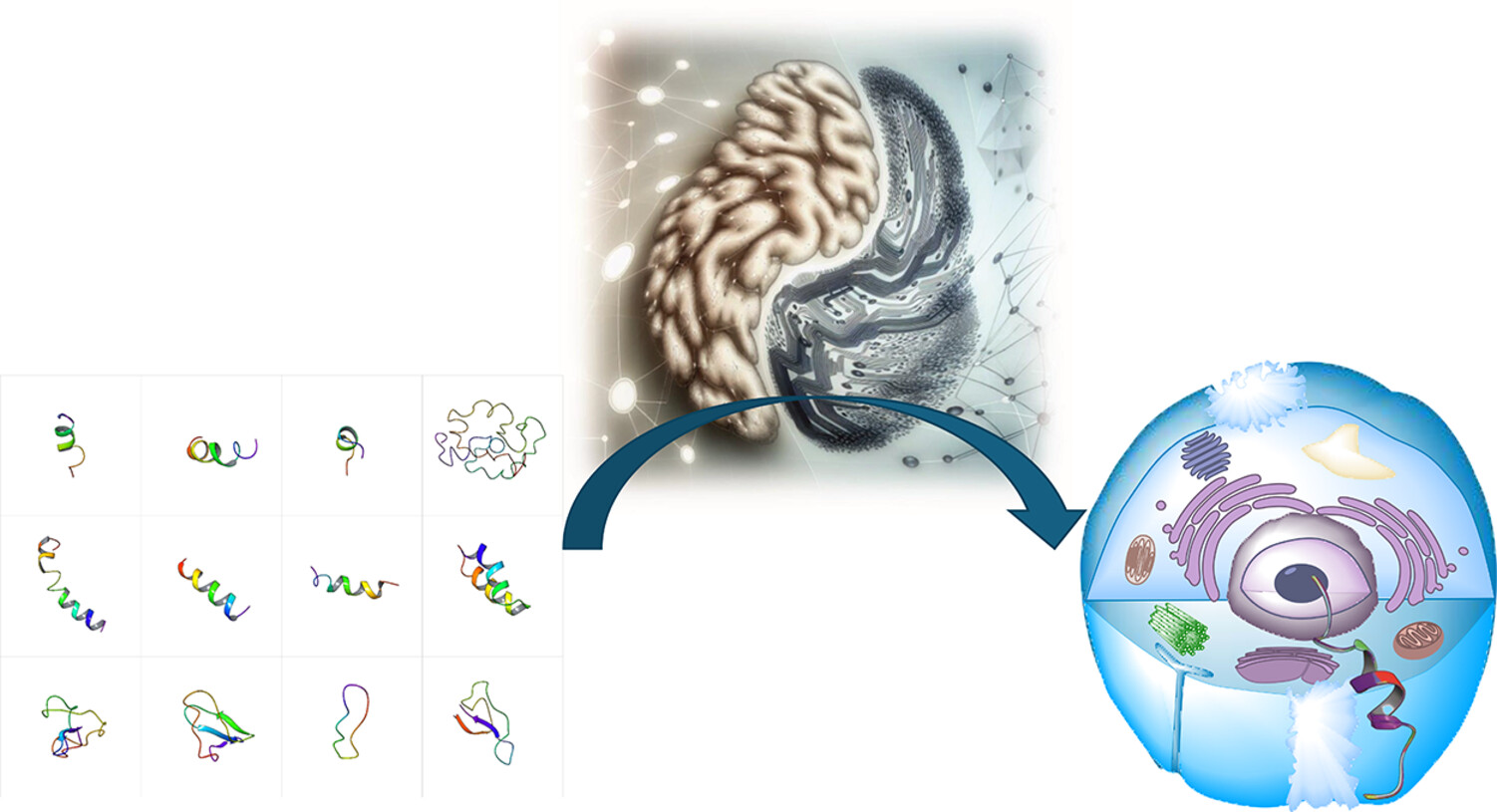
Cell-penetrating peptides (CPPs) are short amino acid sequences that can penetrate cell membranes and deliver molecules into cells. Several models have been developed for their discovery, yet these models often face challenges in accurately predicting membrane penetration due to the complex nature of peptide–cell interactions. Hence, there is a need for innovative approaches that can enhance predictive performance. In this study, we present the application GraphCPP, a novel graph neural network (GNN) for the prediction of membrane penetration capability of peptides. A new comprehensive dataset—dubbed CPP1708—was constructed resulting in the largest reliable database of CPPs to date. Comparative analyses with previous methods, such as MLCPP2, C2Pred, CellPPD and CellPPD-Mod, demonstrated the superior predictive performance of our model. Upon testing against other published methods, GraphCPP performs exceptionally, achieving 0.5787 Matthews correlation coefficient and 0.8459 area under the curve (AUC) values on one dataset. This means a 92.8% and 23.3% improvement in Matthews correlation coefficient and AUC measures respectively compared with the next best model…
BRITISH JOURNAL OF PHARMACOLOGY 182(3): 495-509, (2025).
doi: 10.1111/bph.17388
- Kontra, Bence; Mucsi, Zoltán; Ilaš, Janez; Dunkel, Petra ✉
The Quinoline Photoremovable Group (PPG) Platform—A Medicinal Chemist’s Approach for Photocage Development and Applications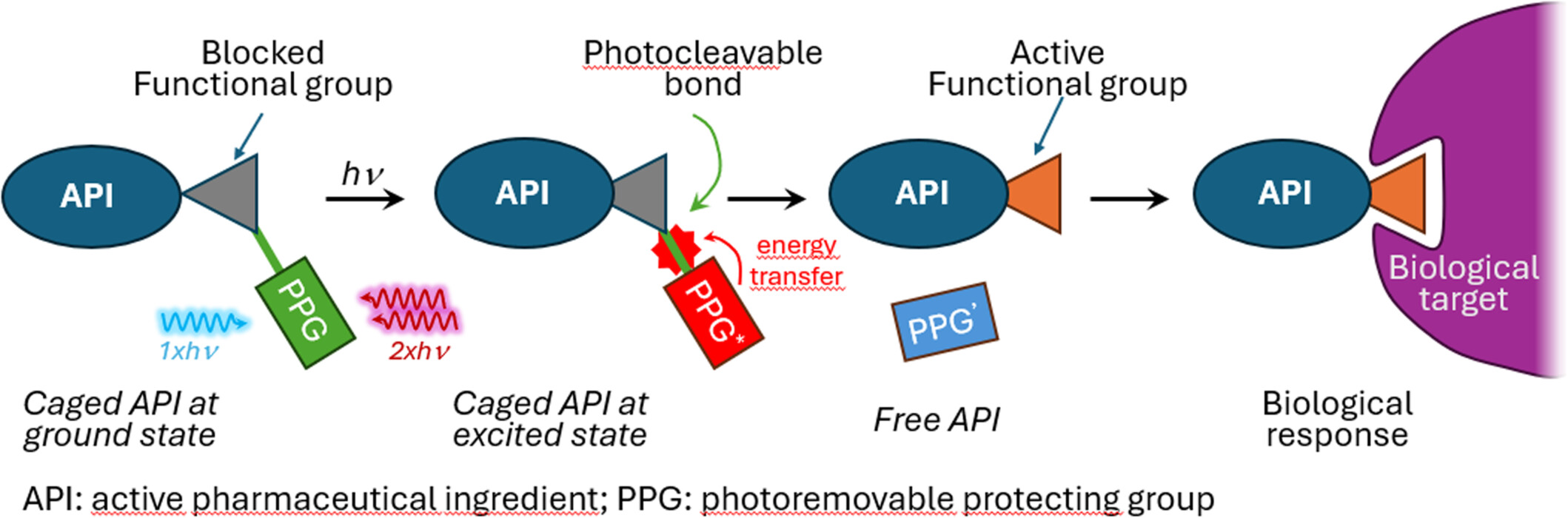
Photoremovable protecting groups (PPGs) enable the temporary masking of the biological functions of bioactive ligands usually by forming a covalent bond to the functional group critical for the particular action, analogous to the “protection-deprotection” sequence in synthetic organic chemistry [1–5]. PPGs possess a chromophore with appropriate ability for excitation to absorb energy and a chemical functionality with a photosensitive scissile bond (Figure 1). Biological activity can be restored by light irradiation at an appropriate wavelength, tuned to the PPG. The carefully selected chromophore of the PPG can be excited from the ground state to the excited state (S0 → S1) by a photon with specific wavelength. Later, the excited chromophore transitions to its triplet state (T1) and the excess energy is transferred to the photocleavable bond, which cleaves to yield the released active ingredient and the remaining part of the cage scaffold. MEDICINAL RESEARCH REVIEWS 45(5): 1423-1451, (2025).
doi: 10.1002/med.22111
- Krajsovszky, Gábor; Piros, László*; Bogdán, Dóra; Kalydi, Eszter; Gáti, Tamás; Szabó, Pál; Horváth, Péter; Mándity, István M. ✉
Synthesis of Novel Anion Recognition Molecules as Quinazoline Precursors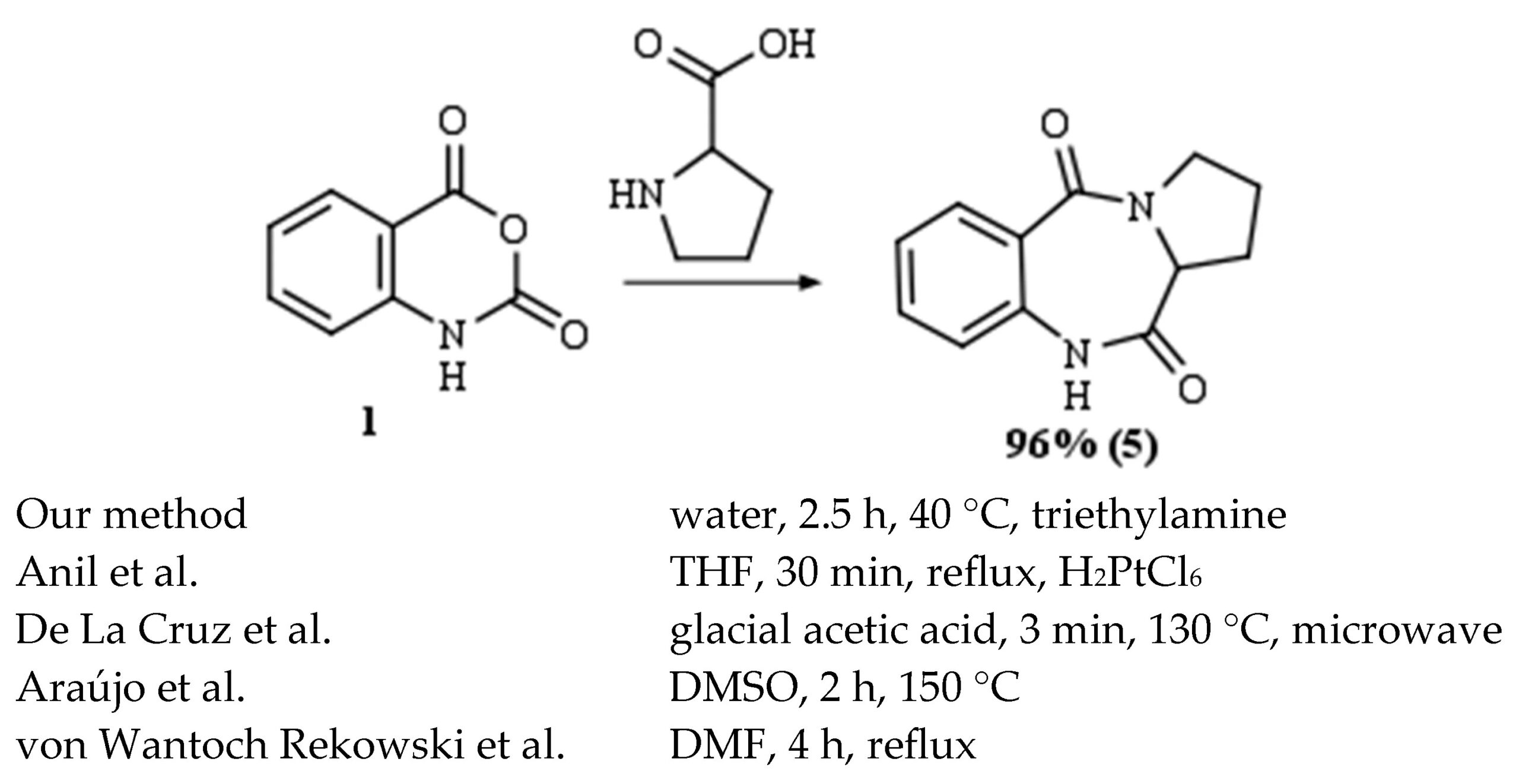
Thiourea and structurally related urea derivatives are widely recognised for their ability to transport anions through hydrogen bonding interactions. The strength of these interactions correlates with the electronegativity of the ligand and the acidity of the NH hydrogens involved. Thiourea, being more acidic than urea, exhibits partial deprotonation in the presence of certain anions such as organic carboxylates, fluoride, and bromide, while remaining resistant to deprotonation by chloride. This behaviour suggests a degree of selectivity toward chloride ions. Additionally, while carbamide-containing molecules tend to aggregate—potentially reducing their ion-binding efficiency—thiourea derivatives show reduced aggregation, preserving their binding capabilities. In this study, we report the synthesis and characterisation of 21 novel thiourea derivatives obtained by reacting 2-aminobenzoylamino acid esters with various substituted phenyl isothiocyanates… INTERNATIONAL JOURNAL OF MOLECULAR SCIENCES 26(24): 11975, (2025).
doi: 10.3390/ijms262411975
- Varró, Nikolett; Mándityné Huszka, Beáta; Erdei, Eszter; Mándoki, András; Mándity, István M. ✉
Upscaled Synthesis of α- and β-Peptides in a Continuous-Flow Reactor Using Propylene Carbonate as an Eco-Friendly Solvent

A red squirrel with a nut symbolizes the importance of sustainability—a core value of a continuous-flow solid-phase peptide synthesis (CF-SPPS) approach. In their Research Article I. M. Mádity and co-workers reveal how they used propylene carbonate (PC), a green solvent selected by using the GSK guide, to achieve high-yield synthesis of α- and β-peptides, including challenging sequences, even on >4 g scale. The image reflects low solvent use, reduced PMI, and the eco-friendly, scalable nature of this breakthrough CF-SPPS technology. CHEMISTRY–METHODS 5(8): e202500010, (2025).
doi: 10.1002/cmtd.202500010
- Varró, Nikolett; Erdei, Eszter; Bogdán, Dóra; Kalydi, Eszter; Deme, Ruth; Balogh, Balázs; Szigyártó, Imola Cs.; Beke‐Somfai, Tamás; Varga, Zoltán; Szabó, Pál; Mándity István M. ✉
Betaine‐Conjugated ß‐Peptide Foldamers: Influence of Quaternary Charge on Self‐Organization and MorphologyFormation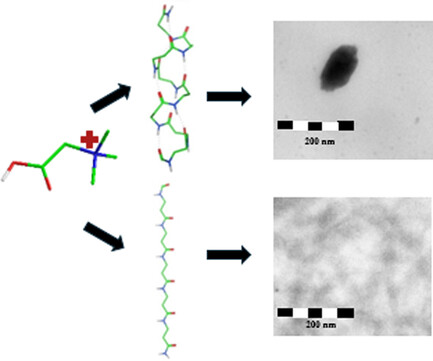
N-terminal betaine conjugation modifies β-peptide helices, influencing folding and self-organization. For [1S, 2S]-ACPC, folding to an H12 helix was unaffected, while [1R, 2R]-ACHC formed an H14 helix instead of H10. Alternating heterochiral oligomers made of enantiomeric pairs of trans-ACPC showed enhanced solubility and E-strand formation. These conjugates enable bioactive foldamer construction with potential biomedical and material science applications through quaternary charge introduction. CHEMISTRYOPEN 14(12): e202500340, (2025).
doi: 10.1002/open.202500340
- Czompa, Andrea; Bogdán, Dóra; Balogh, Balázs; Erdei, Eszter; Selymes, Patrik; Csomos, Attila; Mándity, István M. ✉
Sustainable and Safe N-alkylation of N-heterocycles by Propylene Carbonate under Neat Reaction Conditions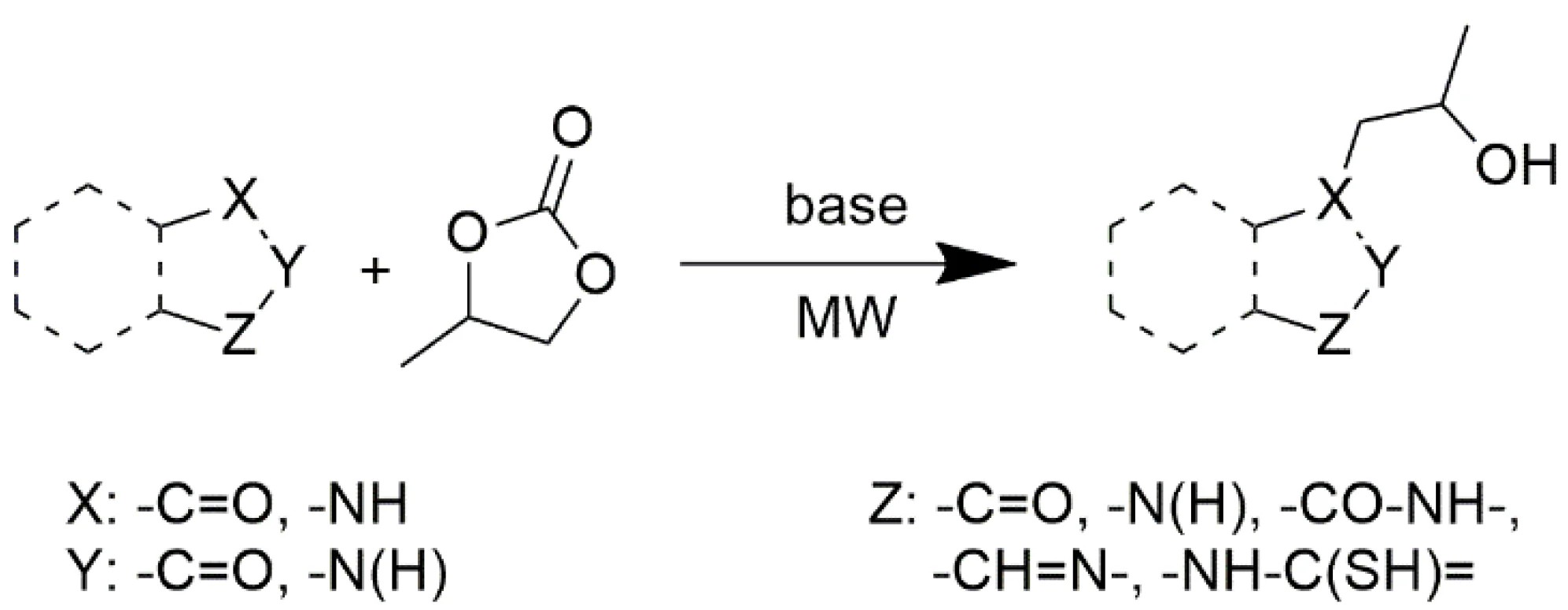
A new, eco-friendly process utilising the green solvent propylene carbonate (PC) has been developed to perform N-alkylation of N-, O– and/or S-containing heterocyclic compounds. PC in these reactions served as both the reagent and solvent. Importantly, no genotoxic alkyl halides were required. No auxiliary was necessary when using anhydrous PC. Product formation includes nucleophilic substitution with the concomitant loss of water and carbon dioxide. Substrates prepared, including the newly invented PROTAC drugs, are widely used. INTERNATIONAL JOURNAL OF MOLECULAR SCIENCES 25(10): 5523, (2024).
doi: 10.3390/ijms25105523
- Dunkel, Petra ✉; Bogdán, Dóra; Deme, Ruth; Zimber, Ádám; Ballayová, Veronika; Csizmadia, Eszter; Kontra, Bence; Kalydi, Eszter; Bényei, Attila; Mátyus, Péter; Mucsi, Zoltán
C(sp3)–H cyclizations of 2-(2-vinyl)phenoxy-tert-anilines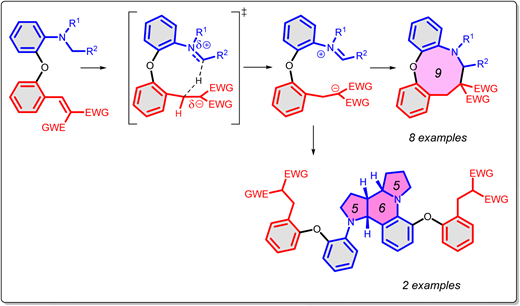
Cyclizations of 2-(2-vinyl)phenoxy-tert-anilines under thermal conditions yield oxazonine or octahydro-dipyrroloquinoline products. The transformations can be considered as further extensions of [1,n]-H transfer and cyclization of tertiary anilines. RSC ADVANCES 14(24): 16784-16800, (2024).
doi: 10.1039/D3RA08974F
- Piros, László; Krajsovszky, Gábor; Bogdán, Dóra; Gáti, Tamás; Szabó, Pál; Horváth, Péter; Mándity, István M. ✉
Energy-Efficient Synthesis of Haloquinazolines and Their Suzuki Cross-Coupling Reactions in Propylene Carbonate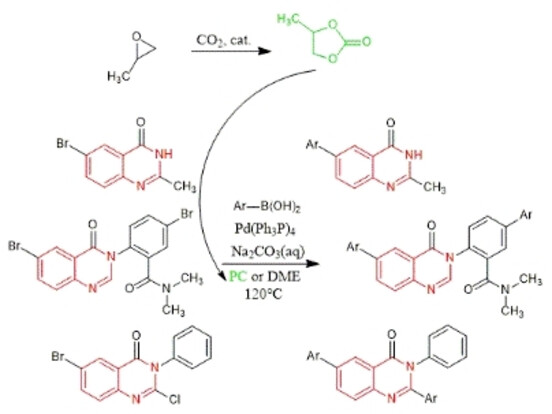
Comparing solvents propylene carbonate and dimethoxyethane in Suzuki-Miyaura cross-coupling reaction for the production of new quinazoline derivatives. From 5-bromoanthranilic acid, three haloquinazolines were produced for the synthesis, each bearing bromine in position 6 of the quinazoline ring. Using PC for shorter reaction times, improved yields and significant energy savings. CHEMISTRYSELECT 9(10): e202304969, (2024).
doi: 10.1002/slct.202304969
- Juvancz, Zoltán ✉; Bodáné-Kendrovics, Rita; Agoston, Csaba; Czegledi, Balázs; Kaleta, Zoltán ✉; Jicsinszky, László; Riszter, Gergő
Chiral Selectivities of Permethylated α-, β-, and γ-Cyclodextrins Containing Gas Chromatographic Stationary Phases towards Ibuprofen and Its Derivatives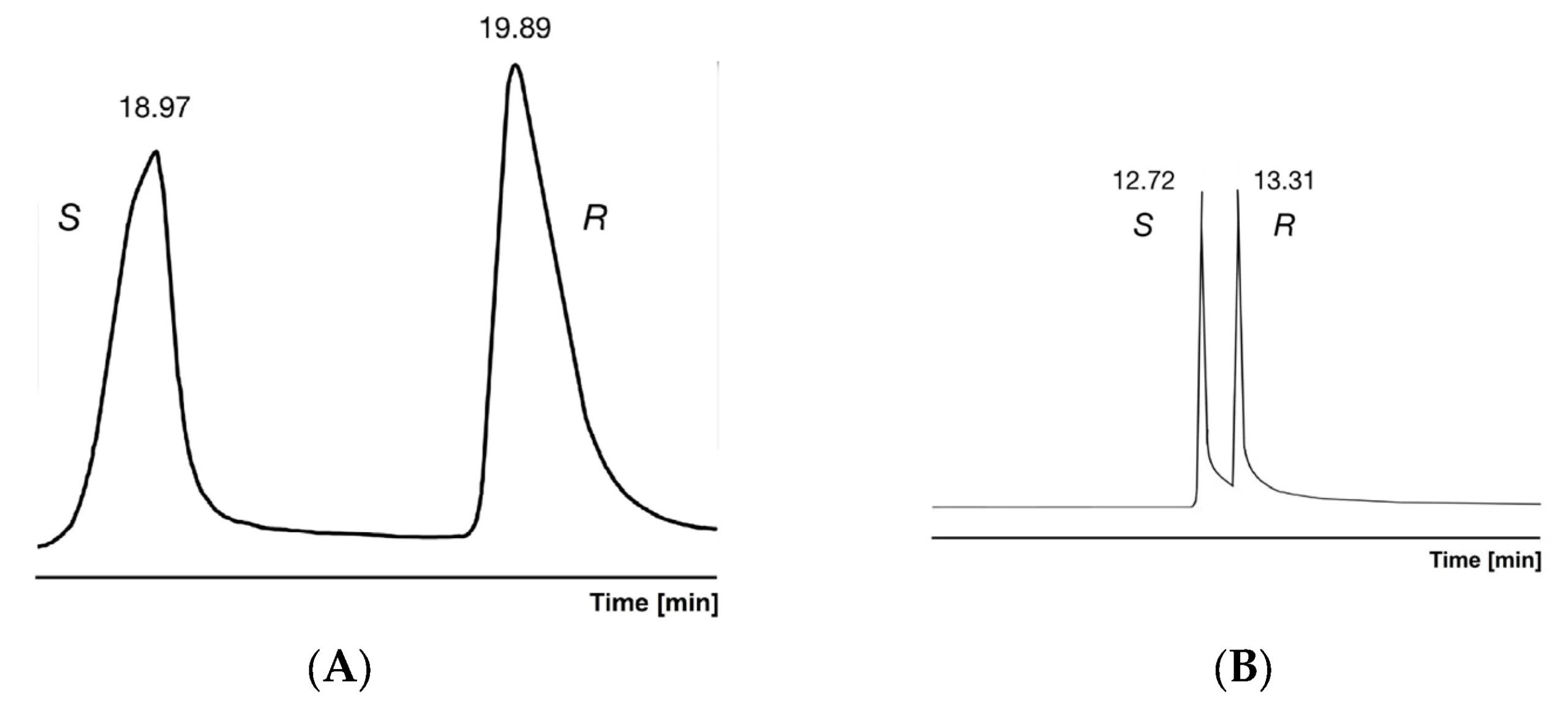
Ibuprofen is a well-known and broadly used, nonsteroidal anti-inflammatory and painkiller medicine. Ibuprofen is a chiral compound, and its two isomers have different biological effects, therefore, their chiral separation is necessary. Ibuprofen and its derivatives were used as model compounds to establish transportable structure chiral selectivity relationships. Chiral selectors were permethylated α-, β-, and γ-cyclodextrins containing gas chromatographic stationary phases. The chiral selectivity of ibuprofen as a free acid and its various alkyl esters (methyl, ethyl, propyl, isopropyl, butyl, isobutyl, and isoamyl esters) derivatives were tested at different temperatures… INTERNATIONAL JOURNAL OF MOLECULAR SCIENCES 25(14): 7802, (2024).
doi: 10.3390/ijms25147802
- Ivánczi, Márton; Balogh, Balázs; Kis, Loretta; Mándity, István ✉
Molecular Dynamics Simulations of Drug-Conjugated Cell-Penetrating Peptides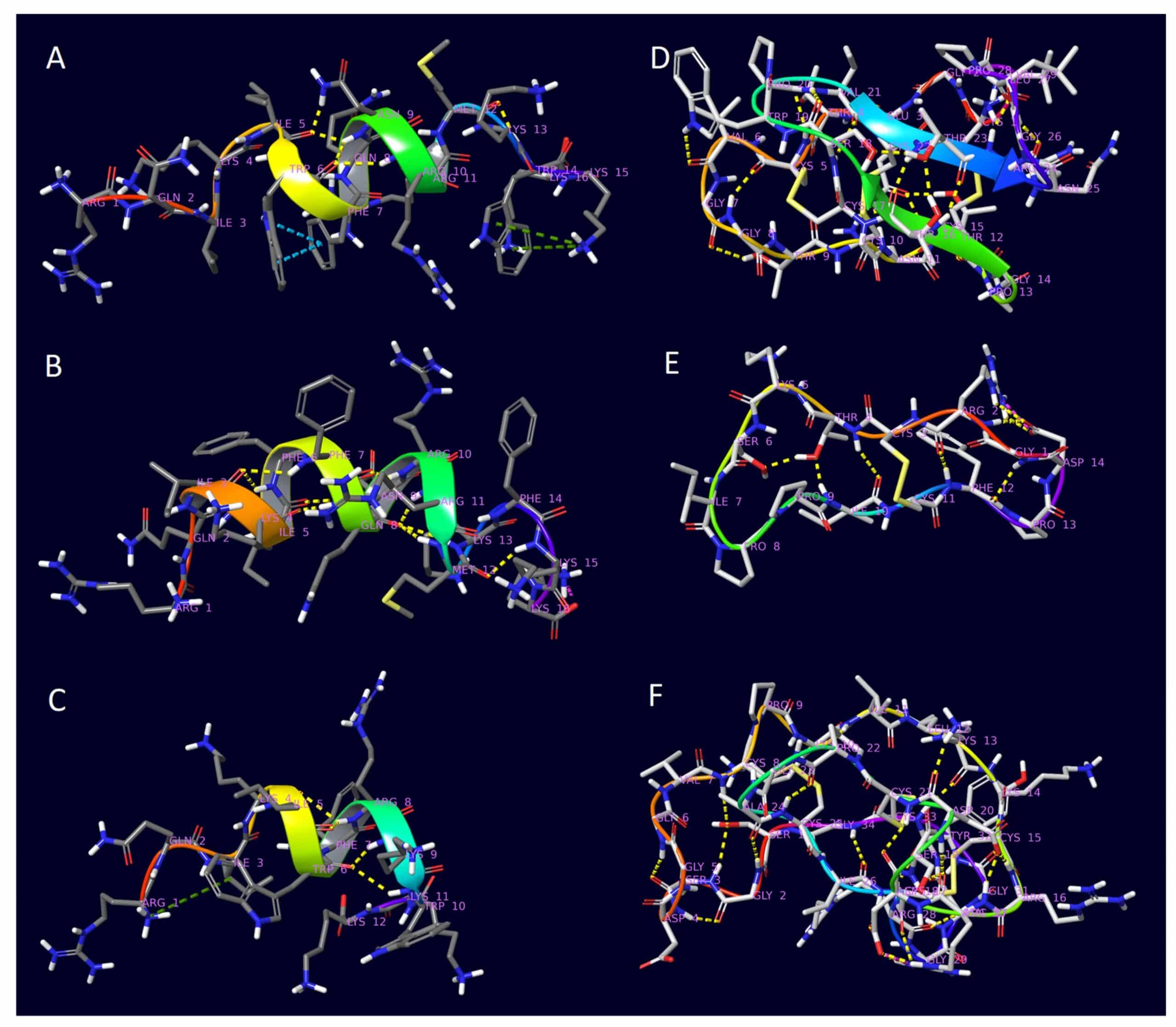
Cell-penetrating peptides (CPPs) are small peptides capable of translocating through biological membranes carrying various attached cargo into cells and even into the nucleus. They may also participate in transcellular transport. Our in silico study intends to model several peptides and their conjugates. We have selected three CPPs with a linear backbone, including penetratin, a naturally occurring oligopeptide; two of its modified sequence analogues (6,14-Phe-penetratin and dodeca-penetratin); and three natural CPPs with a cyclic backbone: Kalata B1, the Sunflower trypsin inhibitor 1 (SFT1), and Momordica cochinchinensis trypsin inhibitor II (MCoTI-II). We have also built conjugates with the small-molecule drug compounds doxorubicin, zidovudine, and rasagiline for each peptide. Molecular dynamics (MD) simulations were carried out with explicit membrane models… PHARMACEUTICALS 16(9): 1251, (2023).
doi: 10.3390/ph16091251
- Kontra, Bence; Bogdán, Dóra; Alaghehmand, Behta; Csomós, Attila; Dunkel, Petra ✉
Synthesis and characterization of 8-aminoquinoline photocages for biological applications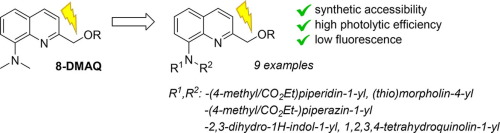
Inspired by the 8-dimethylaminoquinoline (8-DMAQ) caging chromophore, photocleavable 8-aminoquinoline derivatives were prepared with the aim of furnishing a robust synthetic pathway for novel cage scaffolds. The four-step versatile process allows a facile introduction of various amino-substituents and its overall yield is feasible for scale-up. The novel photocages showed high photolysis efficiency and low fluorescence, comparable to literature reference compounds (as 8-DMAQ-OAc, BHQ-OAc and CyHQ-OAc), demonstrating the utility of the probes for uncaging applications. Several derivatives allow further functionalizations on the side chain, therefore could serve as building blocks for the design of more complex photoresponsive systems. TETRAHEDRON LETTERS 124: 154587, (2023).
doi: 10.1016/j.tetlet.2023.154587
- Mándoki, András; Orsy, György; Pászti, Zoltán; Porcs-Makkay, Márta; Bogdán, Dóra; Gyula, Simig; Mándity, István ✉; Volk, Balázs ✉
Continuous-flow regioselective reductive alkylation of oxindole with alcohols and aldehydes in a fast and economical manner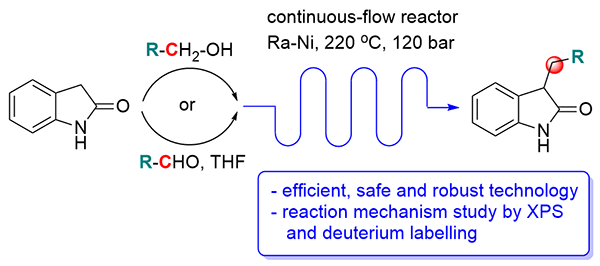
Oxindole is a widely used scaffold in drug discovery, which can be found in several marketed drugs, among them sunitinib and ziprasidone. Thus, the derivatization of oxindole is of considerable current interest. The extreme reaction conditions (high temperature, high pressure) described in the literature for the batchwise regioselective multistep 3-alkylation of oxindole with alcohols in the presence of Raney nickel motivated us to develop a robust, time- and cost-efficient continuous-flow variant for this reaction. In addition, the continuous-flow technology was also extended to the reductive 3-alkylation of oxindole with aldehydes… SYNTHESIS, 55(23): 4025-4033 (2023).
doi: 10.1055/a-2122-408
- Répassy, Levente; Juvancz, Zoltán ✉; Bodane-Kendrovics, Rita; Kaleta, Zoltán ✉; Hunyadi, Csaba ; Riszter, Gergő
Structure–Chiral Selectivity Relationships of Various Mandelic Acid Derivatives on Octakis 2,3-di-O-acetyl-6-O-tert-butyldimethylsilyl-gamma-cyclodextrin Containing Gas Chromatographic Stationary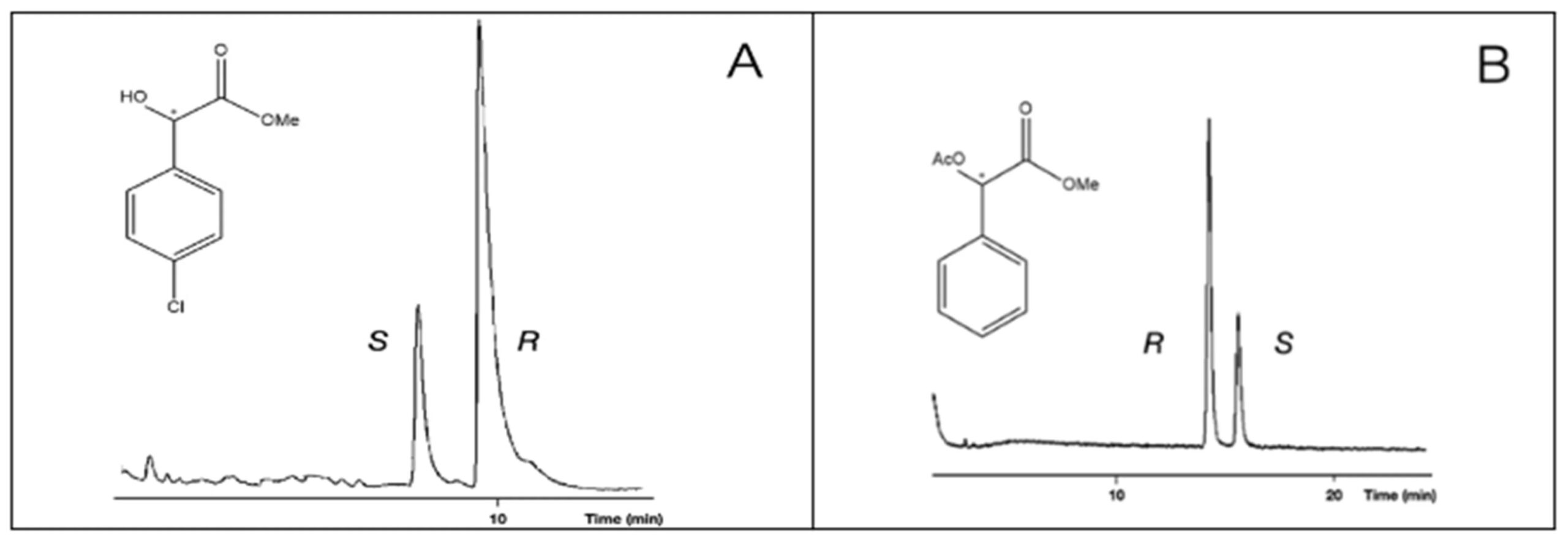
Frequently, a good chiral separation is the result of long trial and error processes. The three-point interaction mechanisms require the fair geometrical fitting and functional group compatibility of the interacting groups. Structure–chiral selectivity correlations are guidelines that can be established via trough systematic studies using model compounds. The enantiorecognition of the test compounds was studied on an octakis 2,3-Di-O-acetyl-6-O-tert-butyldimethylsilyl-gamma-cyclodextrin (TBDMSDAGCD) chiral selector. In our work, mandelic acid and its variously substituted compounds were used as model compounds to establish adaptable rules for other enantiomeric pairs… INTERNATIONAL JOURNAL OF MOLECULAR SCIENCES 24(20): 15051, (2023).
doi: 10.3390/ijms242015051
- Zákány, Florina; Mándity, István M.; Varga, Zoltán; Panyi, György; Nagy, Péter ✉; Kovács, Tamás ✉
Effect of the Lipid Landscape on the Efficacy of Cell-Penetrating Peptides
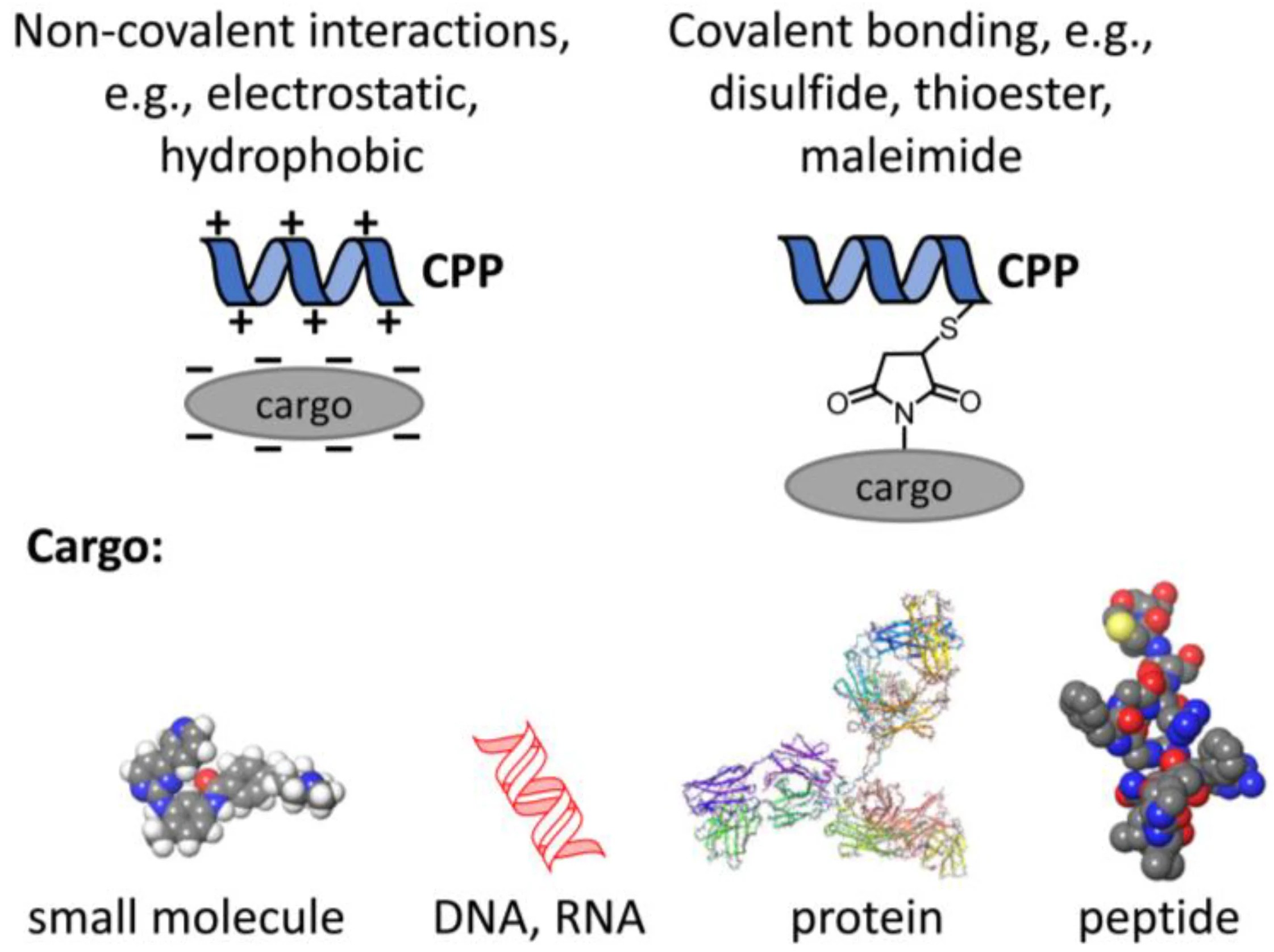
Every cell biological textbook teaches us that the main role of the plasma membrane is to separate cells from their neighborhood to allow for a controlled composition of the intracellular space. The mostly hydrophobic nature of the cell membrane presents an impenetrable barrier for most hydrophilic molecules larger than 1 kDa. On the other hand, cell-penetrating peptides (CPPs) are capable of traversing this barrier without compromising membrane integrity, and they can do so on their own or coupled to cargos. Coupling biologically and medically relevant cargos to CPPs holds great promise of delivering membrane-impermeable drugs into cells. If the cargo is able to interact with certain cell types, uptake of the CPP–drug complex can be tailored to be cell-type-specific. Besides outlining the major membrane penetration pathways of CPPs, this review is aimed at deciphering how properties of the membrane influence the uptake mechanisms of CPPs… CELLS 12(13): 1700, (2023).
doi: 10.3390/cells12131700
- Bogdán, Dóra; Kárpáti, Levente; Mándity, István M.
Toward the green synthesis of peptides and peptidic drugs
Chapter 13 In: Török, Marianna (editor), Contemporary Chemical Approaches for Green and Sustainable Drugs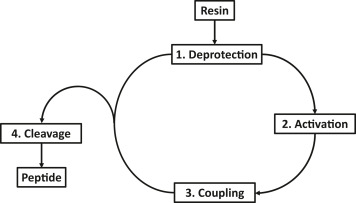
Synthetic methods of peptide chemistry enormously evolved in the last 100 years. Both pharmaceutical and other industrial needs stimulated the development. Solid-phase peptide synthesis (SPPS) opened up a new era, as the optimization of the solid supports, protecting strategies, and coupling methodologies was carried out. SPPS was improved by several technologies, such as the continuous-flow or microwave-assisted techniques and by native chemical ligation for the synthesis of difficult or longer sequences and for shortening synthesis time and improving efficiency of synthesis. In addition to the recent developments efforts for the automatization of these methods are also demonstrated in this chapter. Large-scale synthesis even in ton-scale is also possible by SPPS, solution-phase, continuous-flow, or by hybrid approaches. Most recently, the green chemistry aspects became increasingly important in peptide synthesis. New green solvents and reagents were introduced in all steps including coupling, deprotection, cleavage from the resin, and precipitating the peptide product. All approaches are discussed through examples of their application. Amszterdam, Hollandia: Elsevier (2022) pp. 421-456.
doi: 10.1016/B978-0-12-822248-5.00002-4 ISBN: 9780128222485
- Krajsovszky, Gábor ; Dalmadiné Kiss, Borbála ; Ludányi, Krisztina ; Mándity, István M. ; Bogdán, Dóra ✉
Electrospray ionization‐tandem mass spectrometric study of fused nitrogen‐containing ring systems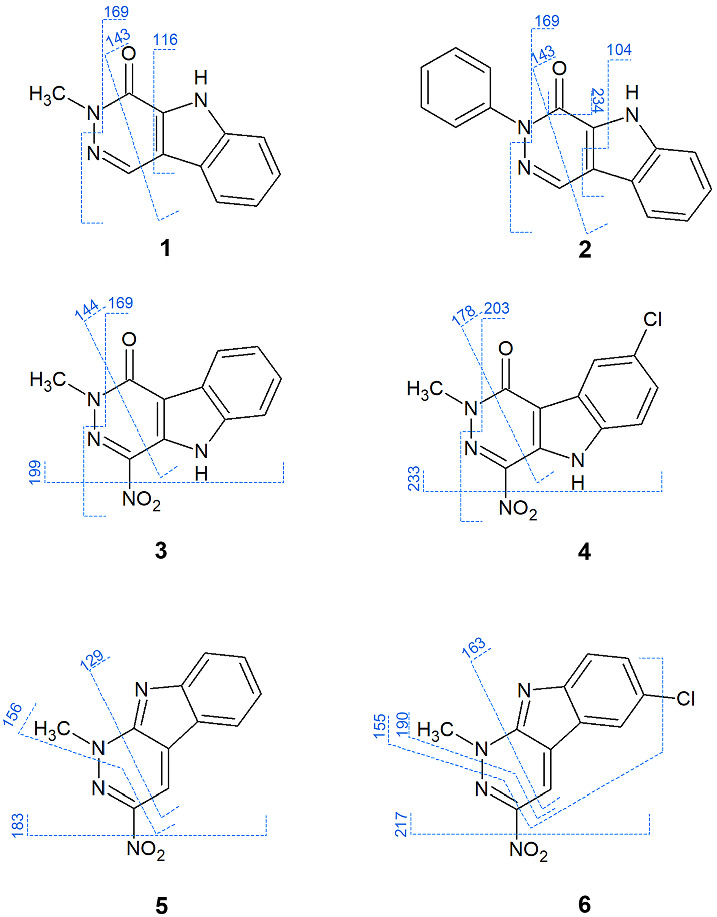
Four fused nitrogen-containing ring systems were investigated by electrospray ionization–tandem mass spectrometry: Pyridazino-indoles, pyridazino-quinolines, a pyrimido-quinoline derivative and pyrimido-cinnolines. Fragmentation patterns of these compounds are discussed and compared. Several characteristic cross-ring fragments were formed mainly on the pyridazine and pyrimidine rings of the ring systems. The connected Cl, NO2, Me, Ph and more extended heterocyclic substituents influenced the fragmentation. JOURNAL OF MASS SPECTROMETRY 57(6): e4870, (2022).
doi: 10.1002/jms.4870
- Batta, Gyula; Kárpáti, Levente*; Henrique, Gabriela Fulaneto; Tóth, Gabriella; Tarapcsák, Szabolcs; Kovács, Tamás; Zákány, Florina; Mándity, István M. ✉; Nagy, Peter ✉
Statin‐boosted cellular uptake and endosomal escape of penetratin due to reduced membrane dipole potential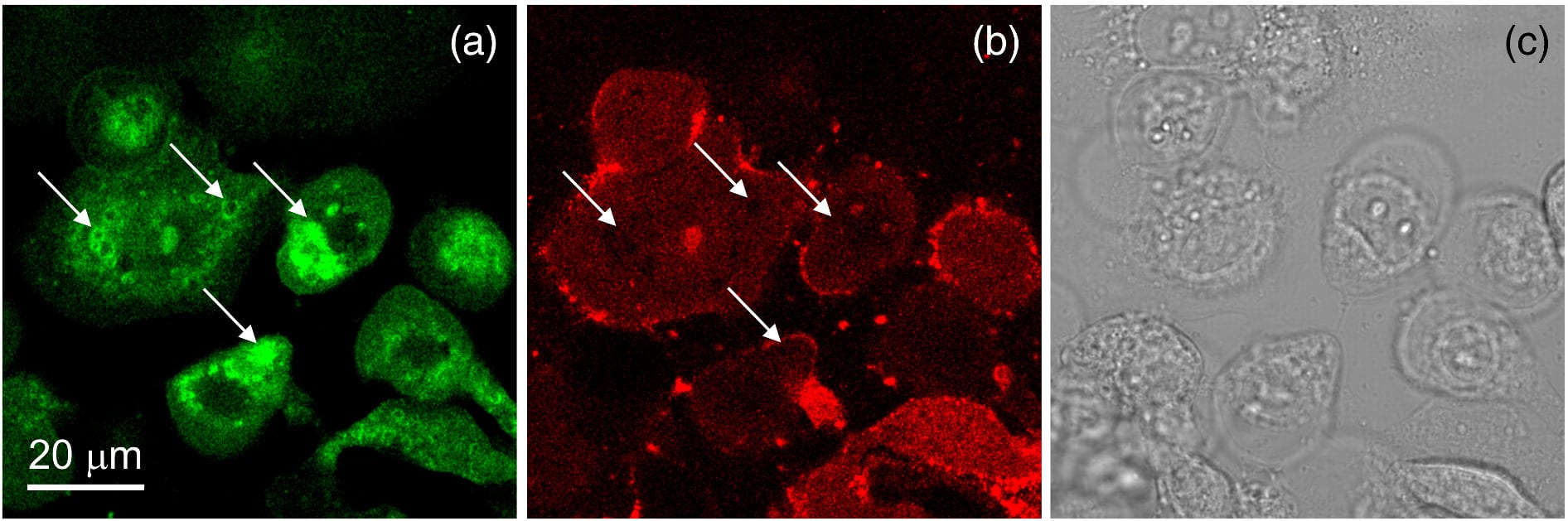
Cell penetrating peptides are promising tools for delivery of cargo into cells, but factors limiting or facilitating their cellular uptake are largely unknown. We set out to study the effect of the biophysical properties of the cell membrane on the uptake of penetratin, a cell penetrating peptide.Using labelling with pH-insensitive and pH-sensitive dyes, the kinetics of cellular uptake and endo-lysosomal escape of penetratin were studied by flow cytometry.We report that escape of penetratin from acidic endo-lysosomal compartments is retarded compared with its total cellular uptake… BRITISH JOURNAL OF PHARMACOLOGY 178(18): 3667-3681 (2021).
doi: 10.1111/bph.15509
- Balogh, Balázs; Ivánczi, Márton*; Nizami, Bilal* ✉; Beke-Somfai, Tamás; Mándity, István M. ✉
ConjuPepDB: a database of peptide–drug conjugates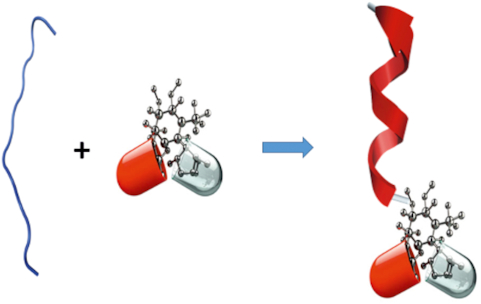
Peptide–drug conjugates are organic molecules composed of (i) a small drug molecule, (ii) a peptide and (iii) a linker. The drug molecule is mandatory for the biological action, however, its efficacy can be enhanced by targeted delivery, which often also reduces unwanted side effects. For site-specificity the peptide part is mainly responsible. The linker attaches chemically the drug to the peptide, but it could also be biodegradable which ensures controlled liberation of the small drug. Despite the importance of the field, there is no public comprehensive database on these species. Herein we describe ConjuPepBD, a freely available, fully annotated and manually curated database of peptide drug conjugates… NUCLEIC ACIDS RESEARCH 49(D1): D1102-D1112 (2021).
doi: 10.1093/nar/gkaa950
- Dunkel, Petra; Ilaš, Janez ✉
Targeted Cancer Therapy Using Compounds Activated by Light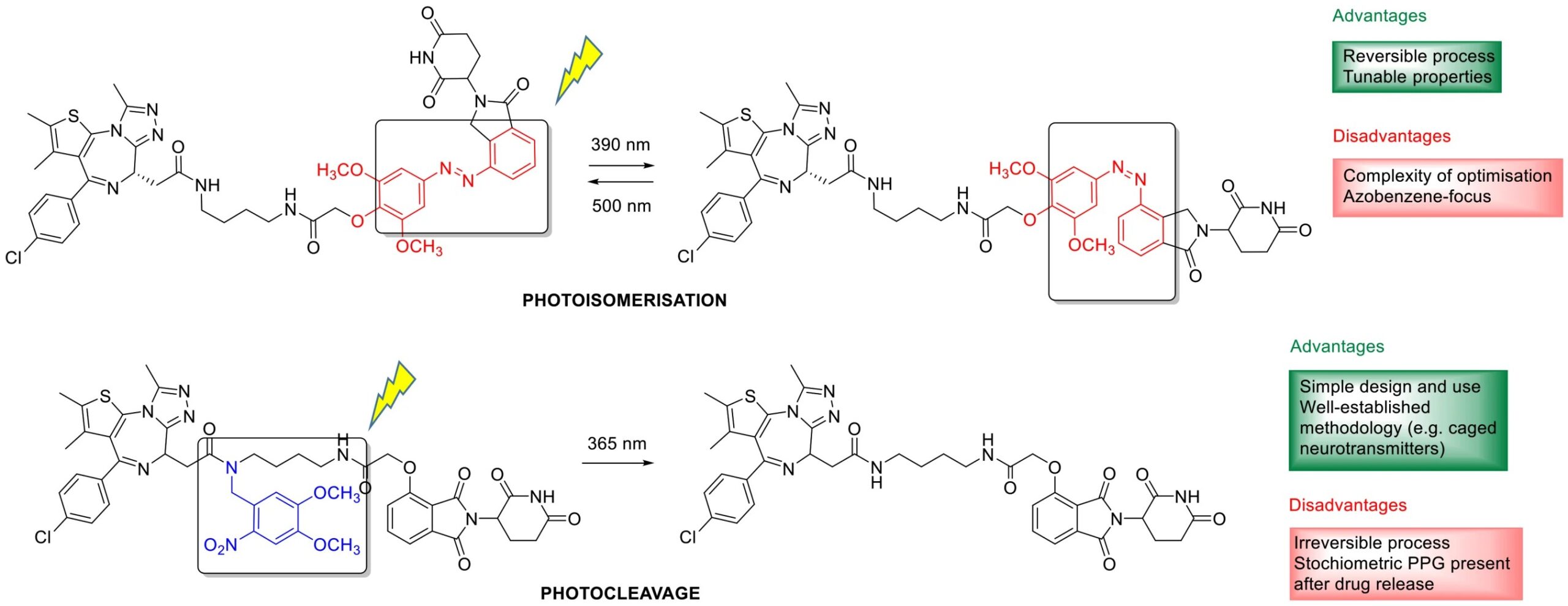
Cancer is among the leading causes of death, and cancer therapy suffers from many drawbacks, the lack of selectivity being most noteworthy. In this review, we present innovative approaches in the discovery of novel anticancer compounds, which can use light activation to achieve more potent cancer therapy with fewer side effects. We describe recent approaches to prepare photocages and photoswitches and obstacles that photopharmacology must overcome to achieve clinical use. CANCERS 13(13): 3237, (2021).
doi: 10.3390/cancers13133237
- Ludmerczki, Robert ; Malfatti, Luca ; Stagi, Luigi ; Meloni, Manuela ; Carbonaro, Carlo Maria ; Casula, Maria Francesca ; Bogdán, Dóra ; Mura, Stefania ; Mándity, István M. ; Innocenzi, Plinio ✉
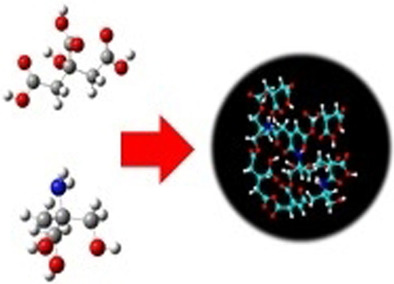
Carbonized polymer dots (CPDs), a peculiar type of carbon dots, show extremely high quantum yields, making them very attractive nanostructures for application in optics and biophotonics. The origin of the strong photoluminescence of CPDs resides in a complicated interplay of several radiative mechanisms. To understand the correlation between CPD processing and properties, the early stage formation of carbonized polymer dots has been studied. In the synthesis, citric acid monohydrate and 2-amino-2-(hydroxymethyl)propane-1,3-diol have been thermally degraded at 180 °C. The use of an oil bath instead of a more traditional hydrothermal reactor has allowed the CPD properties to be monitored at different reactions times. Transmission electron microscopy, time-resolved photoluminescence, nuclear magnetic resonance, infrared, and Raman spectroscopy have revealed the formation of polymeric species with amide and ester bonds. Quantum chemistry calculations have been employed to investigate the origin of CPD electronic transitions. At short reaction times, amorphous C-dots with 80 % quantum yield, have been obtained. Polymerization‐Driven Photoluminescence in Alkanolamine‐Based C‐Dots
CHEMISTRY-A EUROPEAN JOURNAL 27(7): 2543-2550, (2021).
doi: 10.1002/chem.202004465