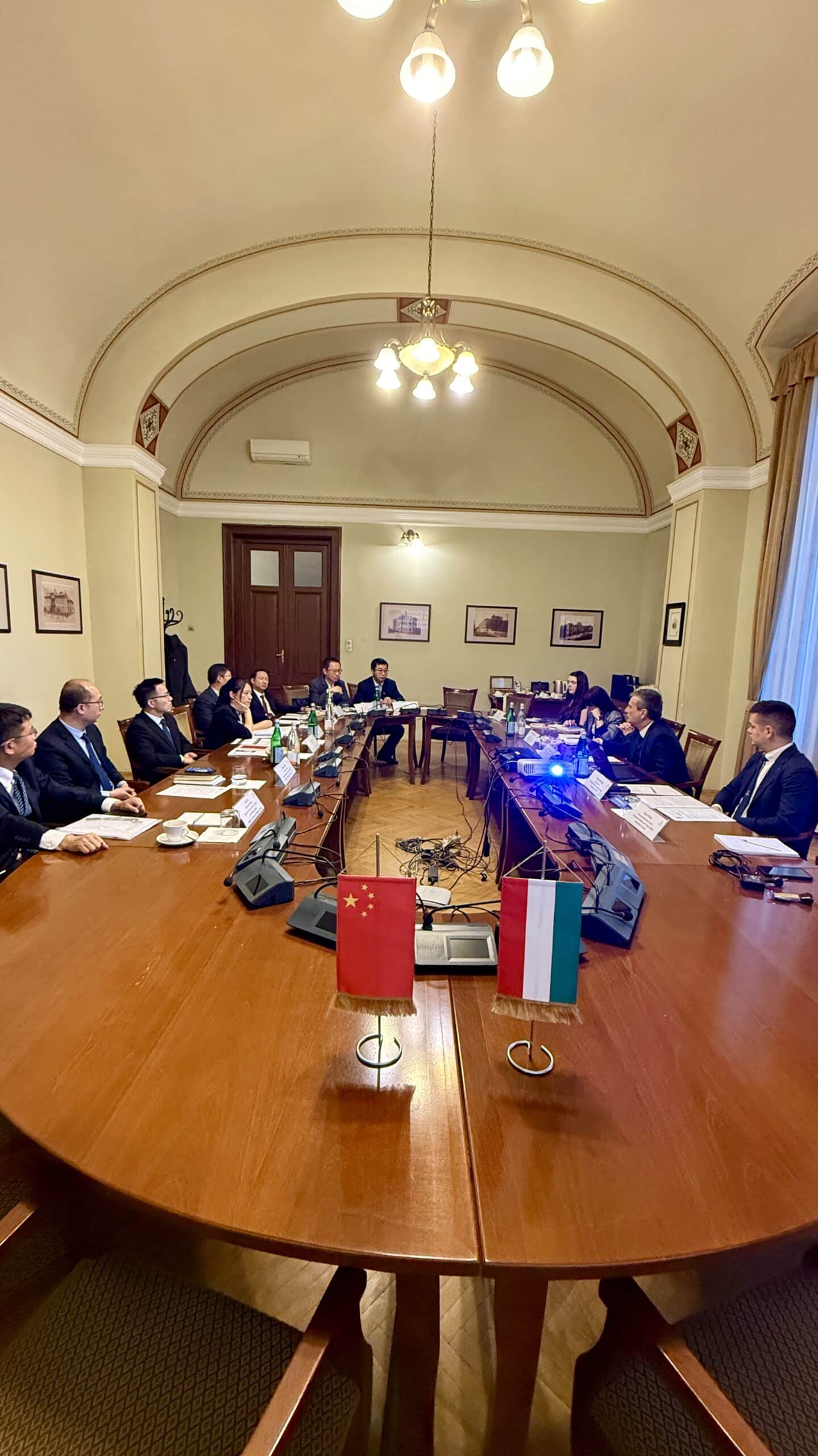
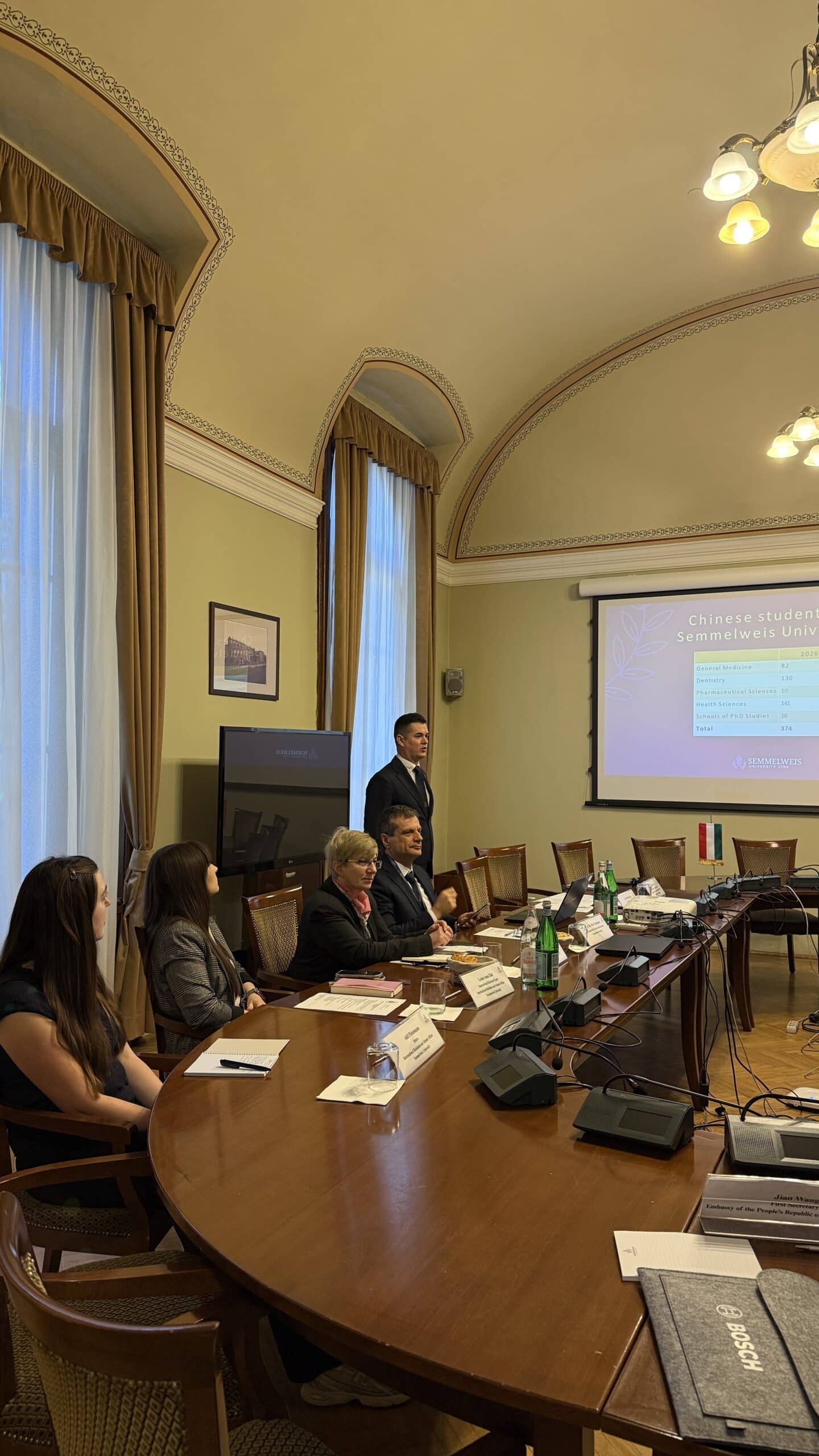
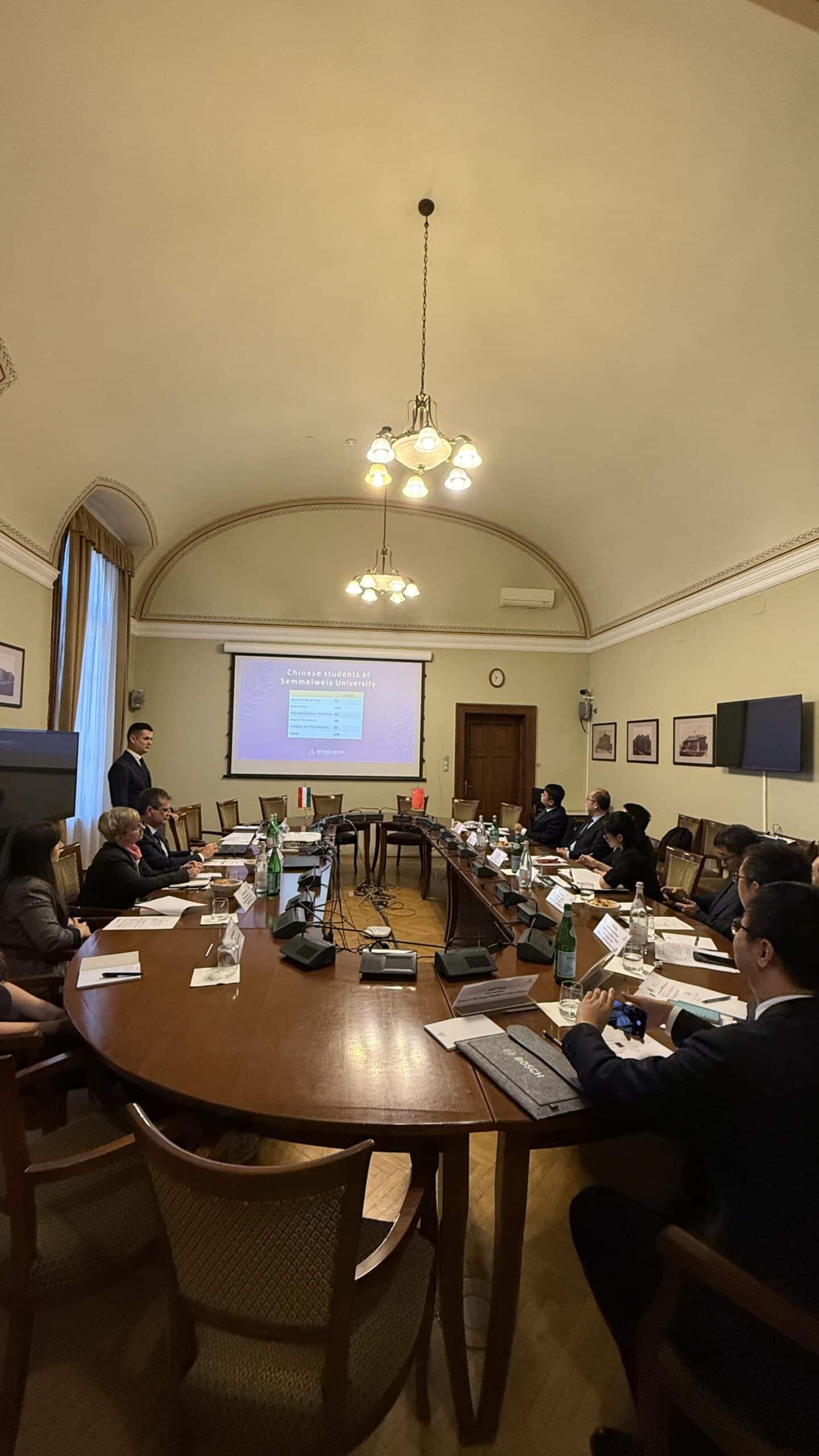
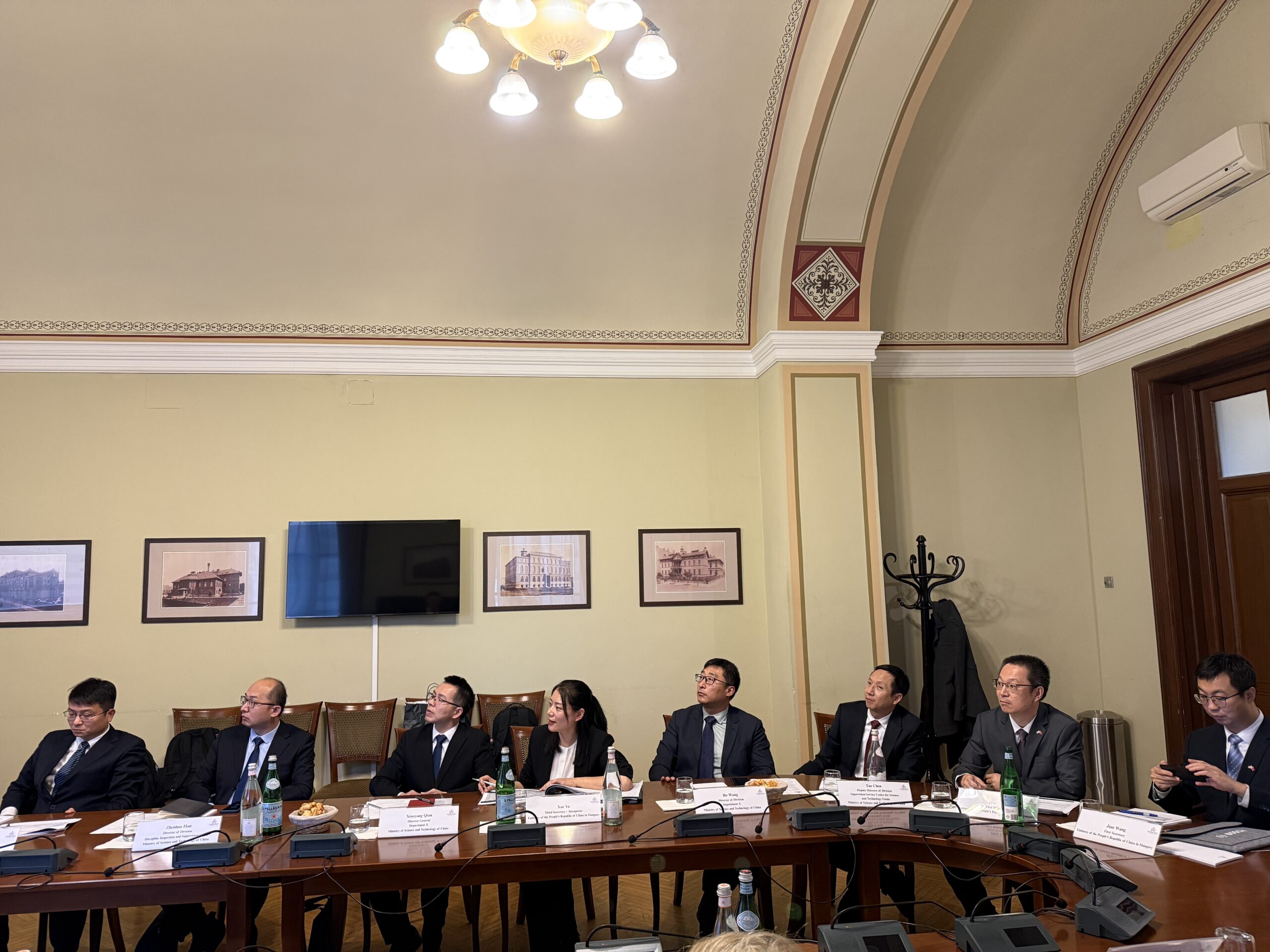
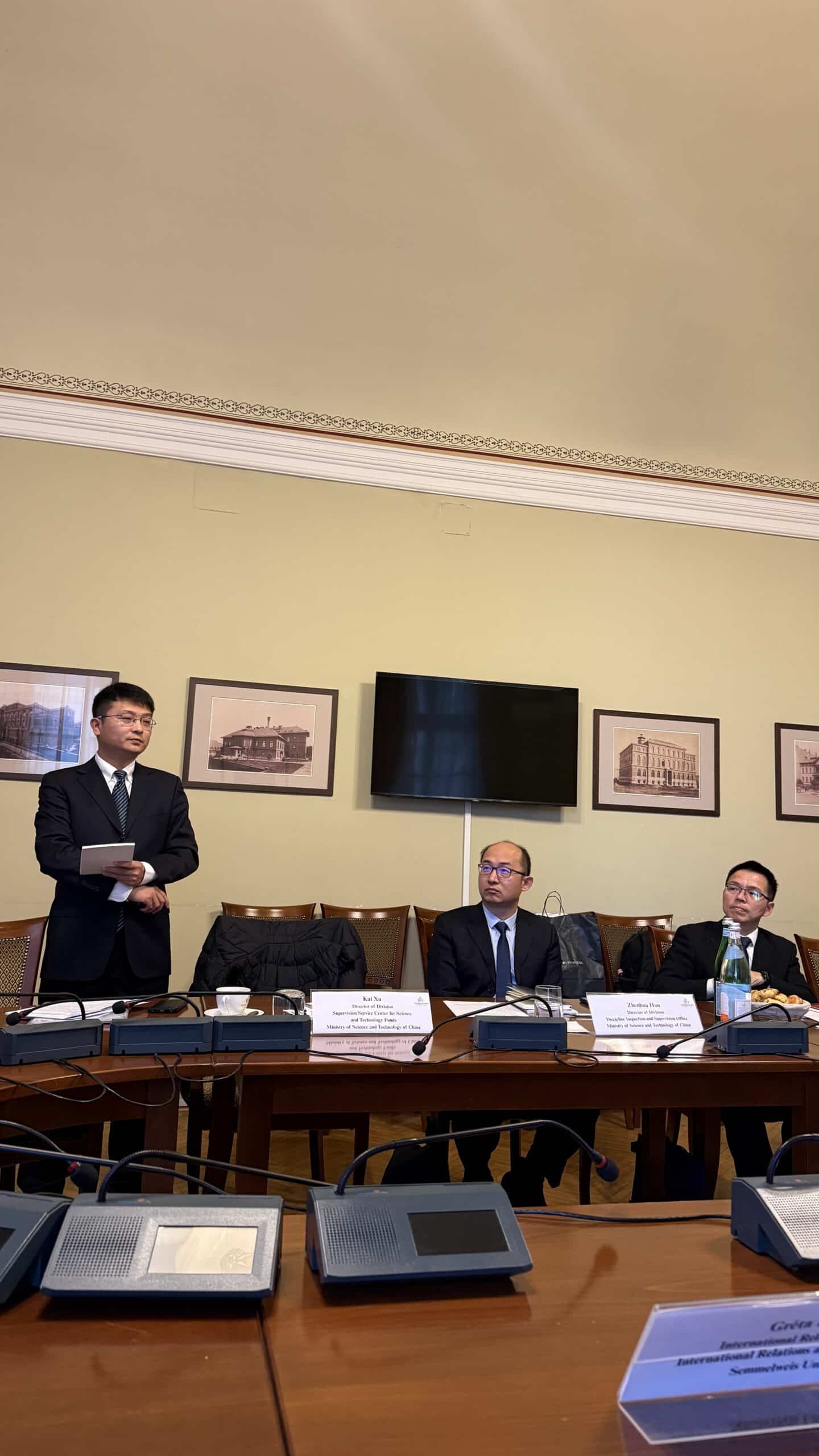
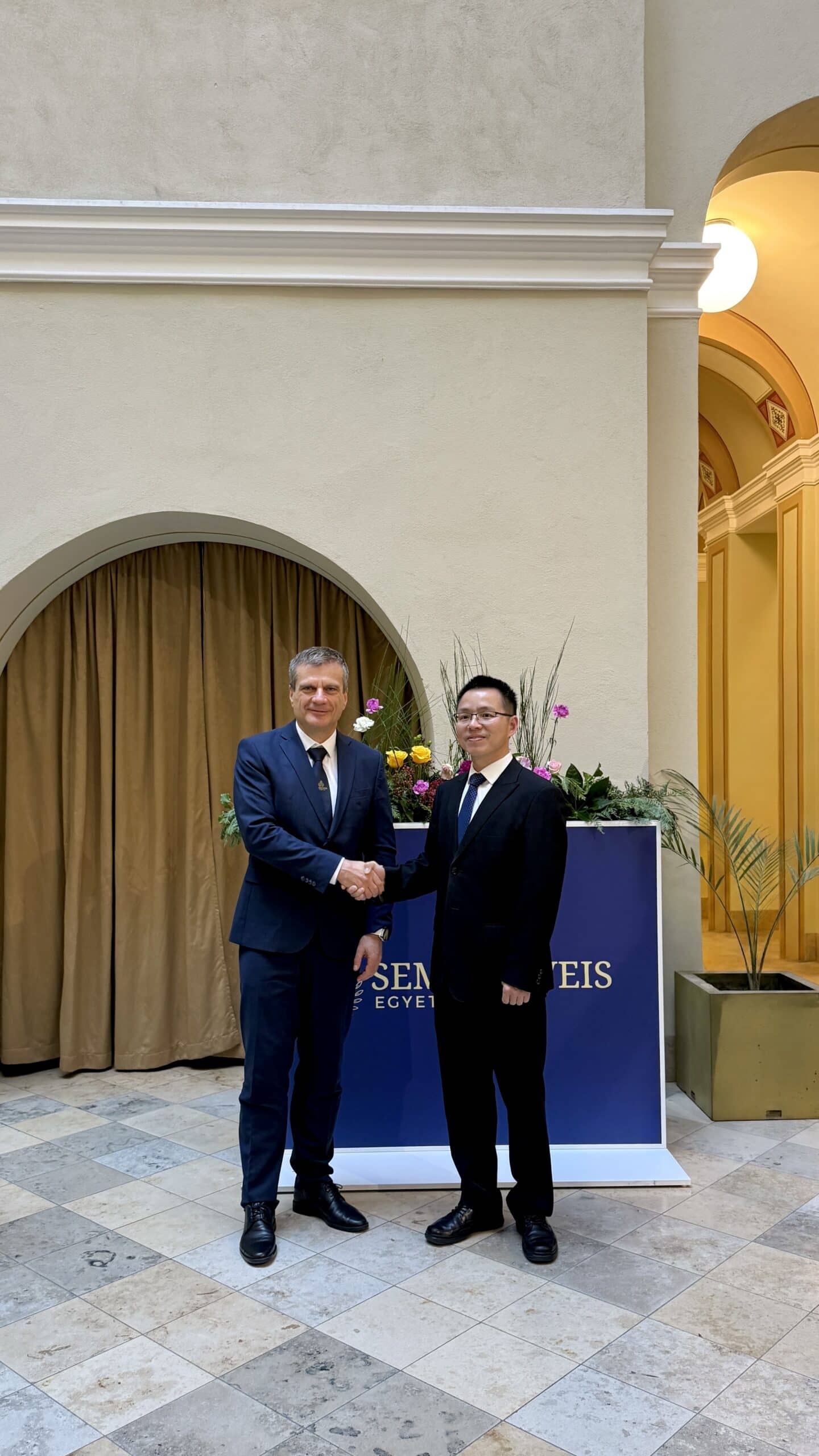
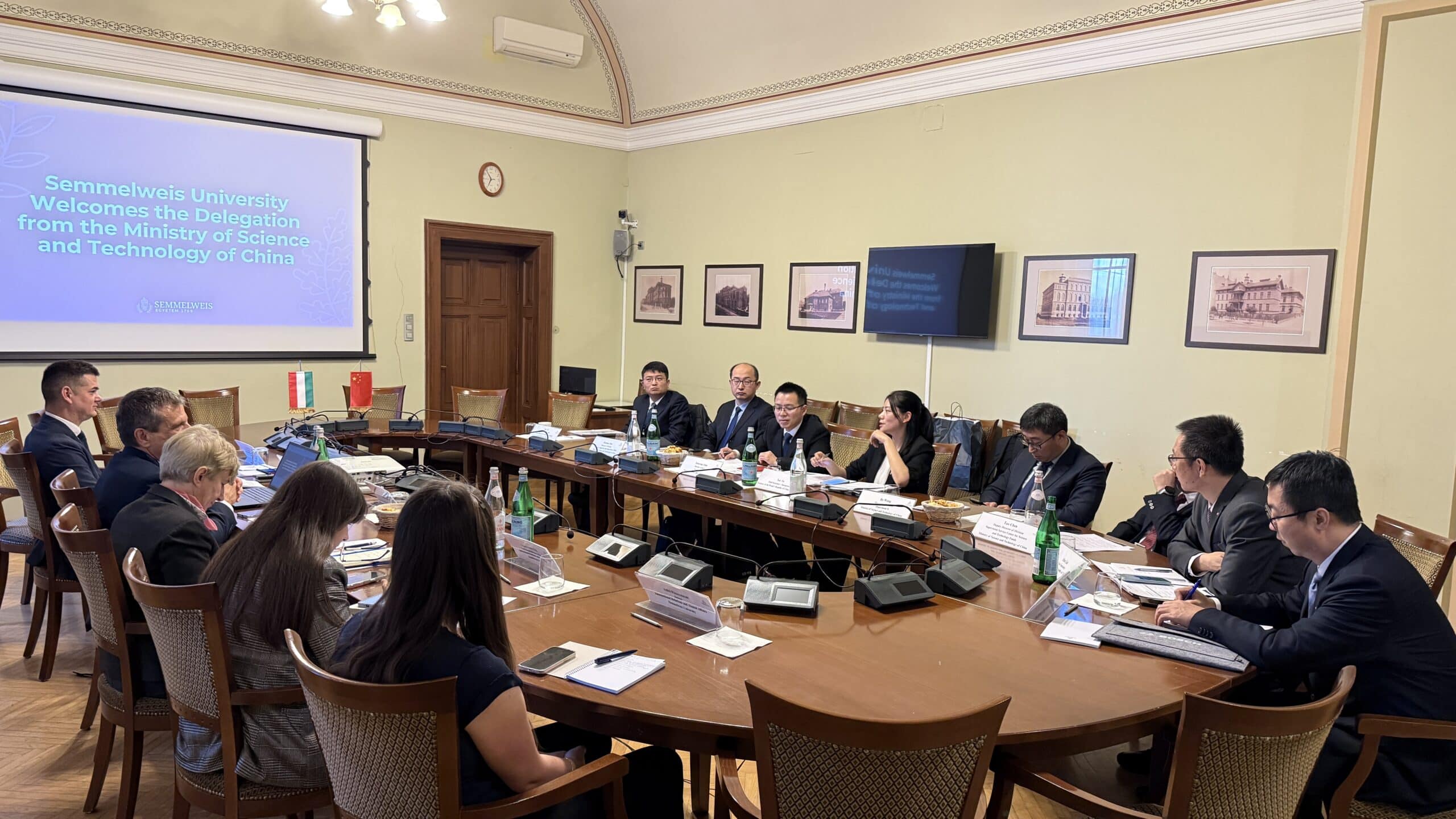
On November 20, Prof. Dr. Péter Ferdinandy, Vice-Rector for Science and Innovations, welcomed a delegation from the Ministry of Science and Technology of the People’s Republic of China to Semmelweis University. Led by Director General Qian Xiaoyong, the delegation focused its visit on the management, supervision and evaluation of research and development programs and funding, as well as research integrity and ethics. The meeting aimed to exchange Hungarian and Chinese experience and to further strengthen scientific and technological cooperation between the two countries.
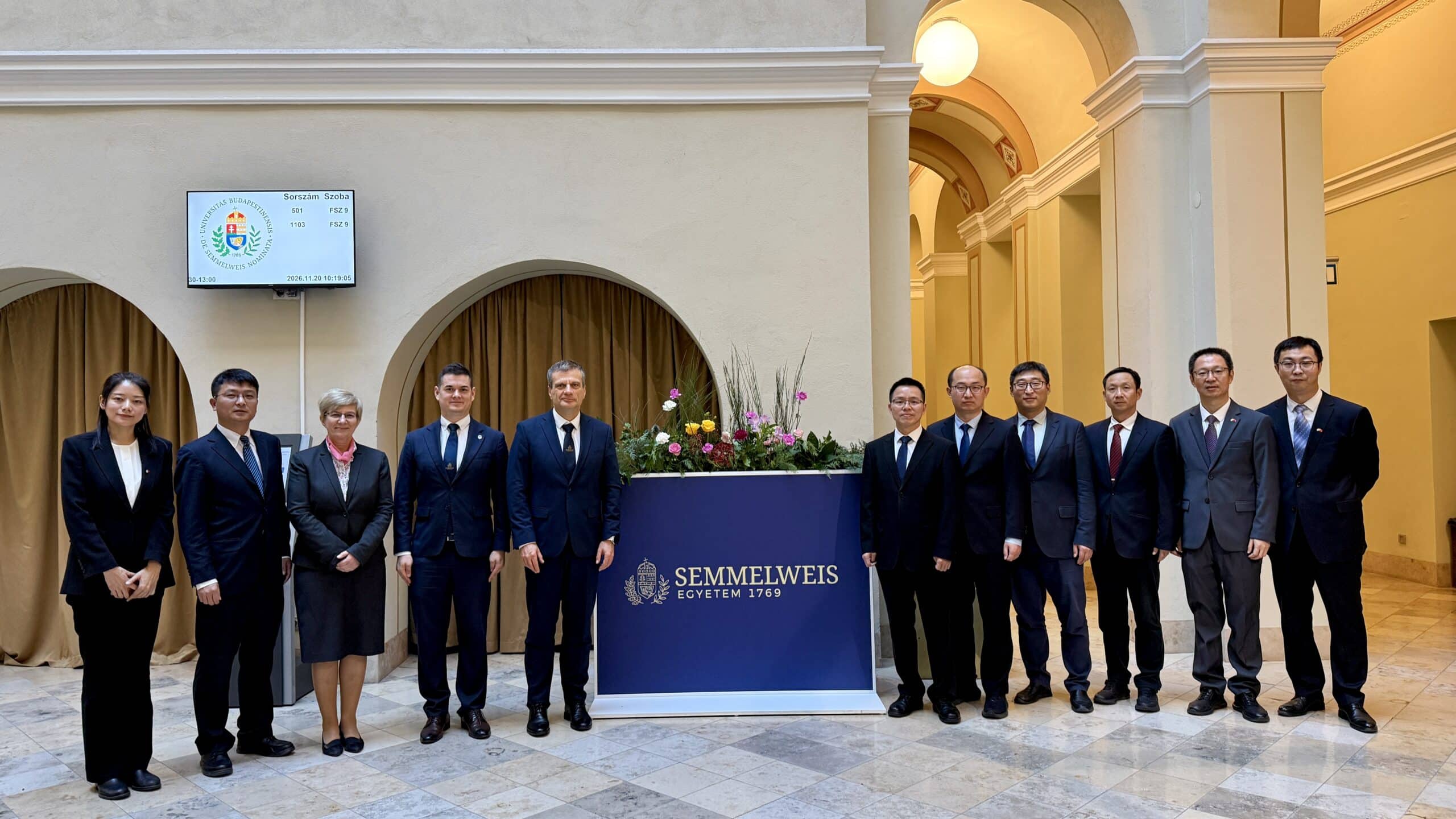 Prof. Dr. Péter Ferdinandy presented Semmelweis University’s research, development and innovation system, along with the university services that support researchers throughout the entire lifecycle of their projects. At Semmelweis University, education, research and innovation, and healthcare are closely interconnected. The University’s support system includes, among other areas, support for investigator-initiated clinical trials, the management of clinical research and research grants, publication and scientometric support, data management, intellectual property protection and business development.
The Chinese delegation presented the national system for overseeing science and technology programs. Under the model introduced during the meeting, research projects are evaluated on the basis of several dimensions, including project design, management, funding utilization and outcomes, while digital and AI-based tools are playing an increasingly important role alongside document reviews and on-site inspections. Research integrity, ethical governance and the prevention of research misconduct were also highlighted as key areas.
The professional discussion also addressed how universities can balance their clinical, research and educational responsibilities. At Semmelweis University, these areas function in a mutually reinforcing way: questions arising from patient care can generate new research topics, while scientific results can be transferred back into education and clinical practice. The parties also discussed opportunities for organizing bilateral research grants, developing joint research projects and laboratories, and further strengthening existing institutional relationships. Potential areas of cooperation presented by Semmelweis University included Chinese-Hungarian joint laboratories, scientific collaboration, joint educational programs and student exchange.
Scientific publishing was also discussed as a potential area of cooperation. Prof. Dr. Péter Ferdinandy, who serves as Editor-in-Chief of the British Journal of Pharmacology, highlighted the importance of further increasing the international visibility of high-quality Chinese research. The Chinese side also indicated that, beyond institutional partnerships, it sees an active role for Semmelweis University and its experience in supporting the broader development of Hungarian-Chinese scientific and technological relations.
From the perspective of future cooperation, the Chinese side highlighted the importance of continued exchange of experience in research project oversight, funding supervision and performance evaluation, as well as closer dialogue on research integrity, ethical governance and the risks associated with emerging technologies. The delegation’s presentation also identified regular expert dialogue and the exchange of funding, oversight and evaluation practices as potential areas for further bilateral cooperation.
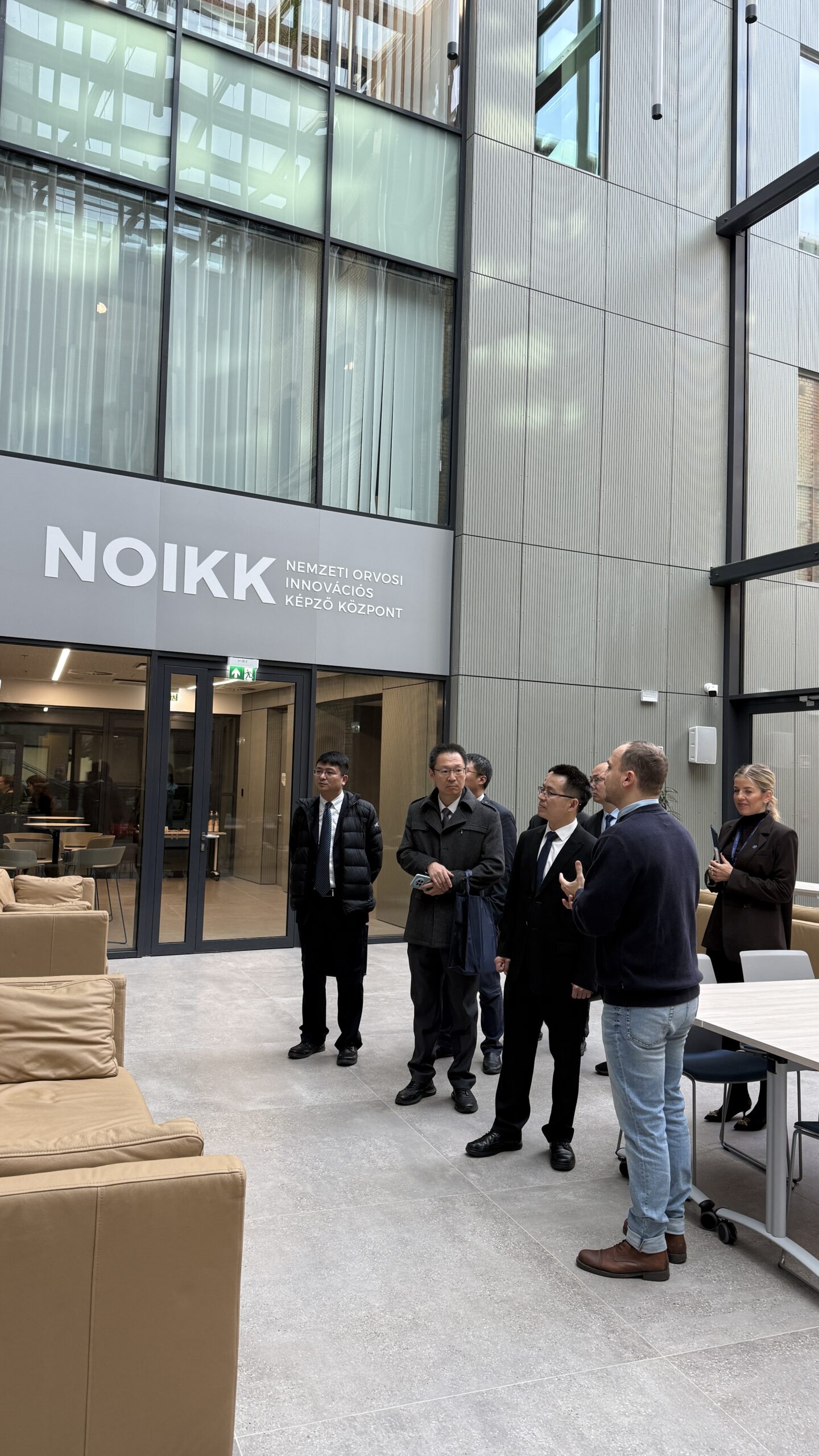
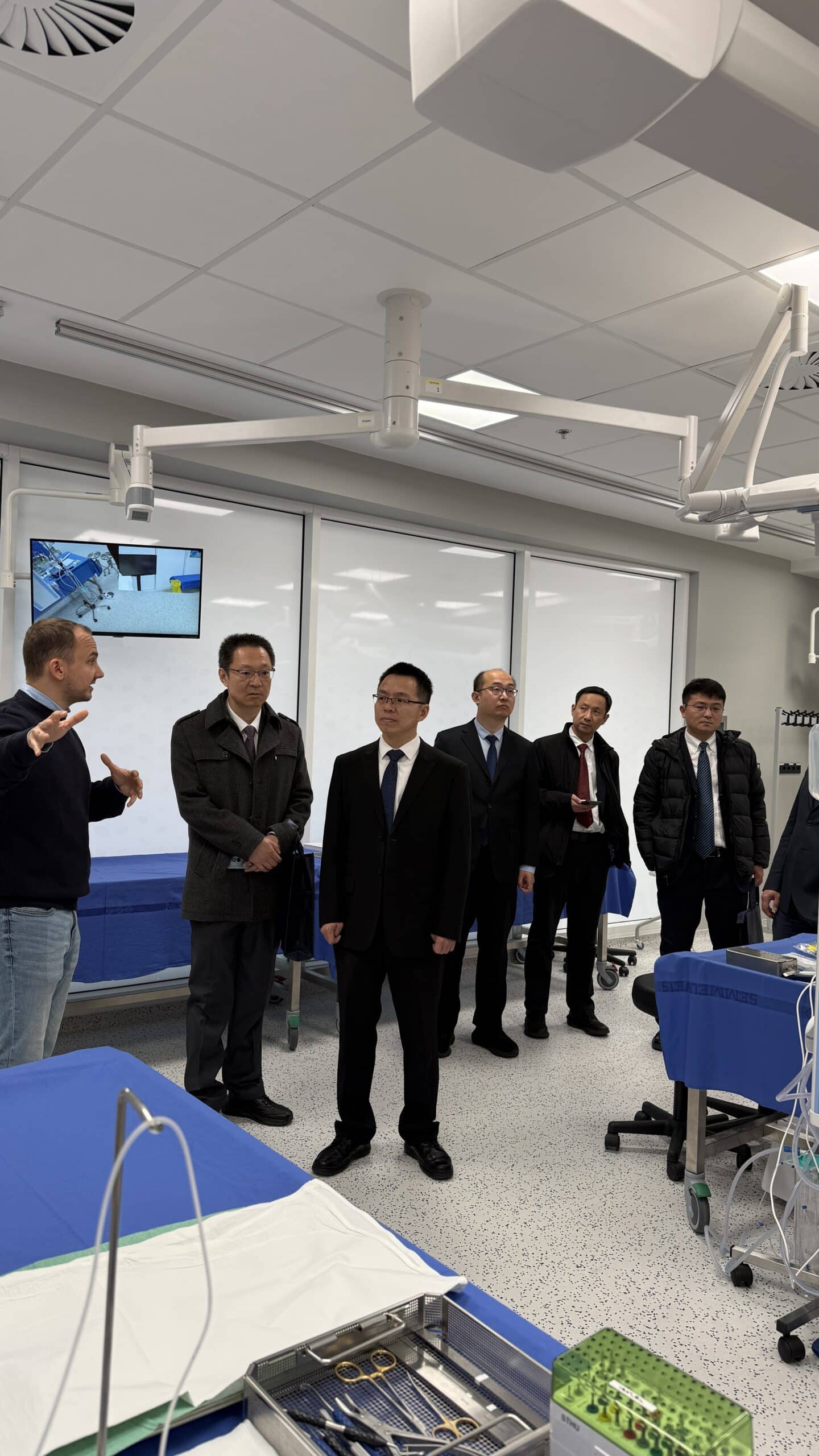
The visit continued at the Anatomy & Innovation Center for Education and Research (AICER). Opened in April 2026, the state-of-the-art center supports the integration of education, translational research and technological innovation, providing advanced infrastructure for areas including surgical training, biomechanical research and the validation of medical technology developments. The activities of the Center were presented to the delegation by Csenge Palotai, Director responsible for International Innovation Partnerships, and Bálint Soha, Senior Technology Transfer Expert, representing Semmelweis Technology Transfer Center Ltd. The visit provided practical insight into how research, innovation, technology transfer and clinical application are interconnected at Semmelweis University.
Gallery