Nowadays universities face increasingly complex academic, organisational and societal challenges. As a result, strategic organisational development, strengthening leadership skills and dynamic human resource management have become essential components of successful higher education institutions.
In response to the aforementioned challenges, the three-day HR Staff Week at Semmelweis University was organised at the initiative of the HR Working Group of the EUniWell European University Alliance. The programme focused on the topics of employee wellbeing and leadership development, and their role in the effective operation of higher education institutions. The aim of the Staff Week was to provide a platform for participating universities to exchange experiences and learn about and share initiatives that support employee wellbeing and leadership development.
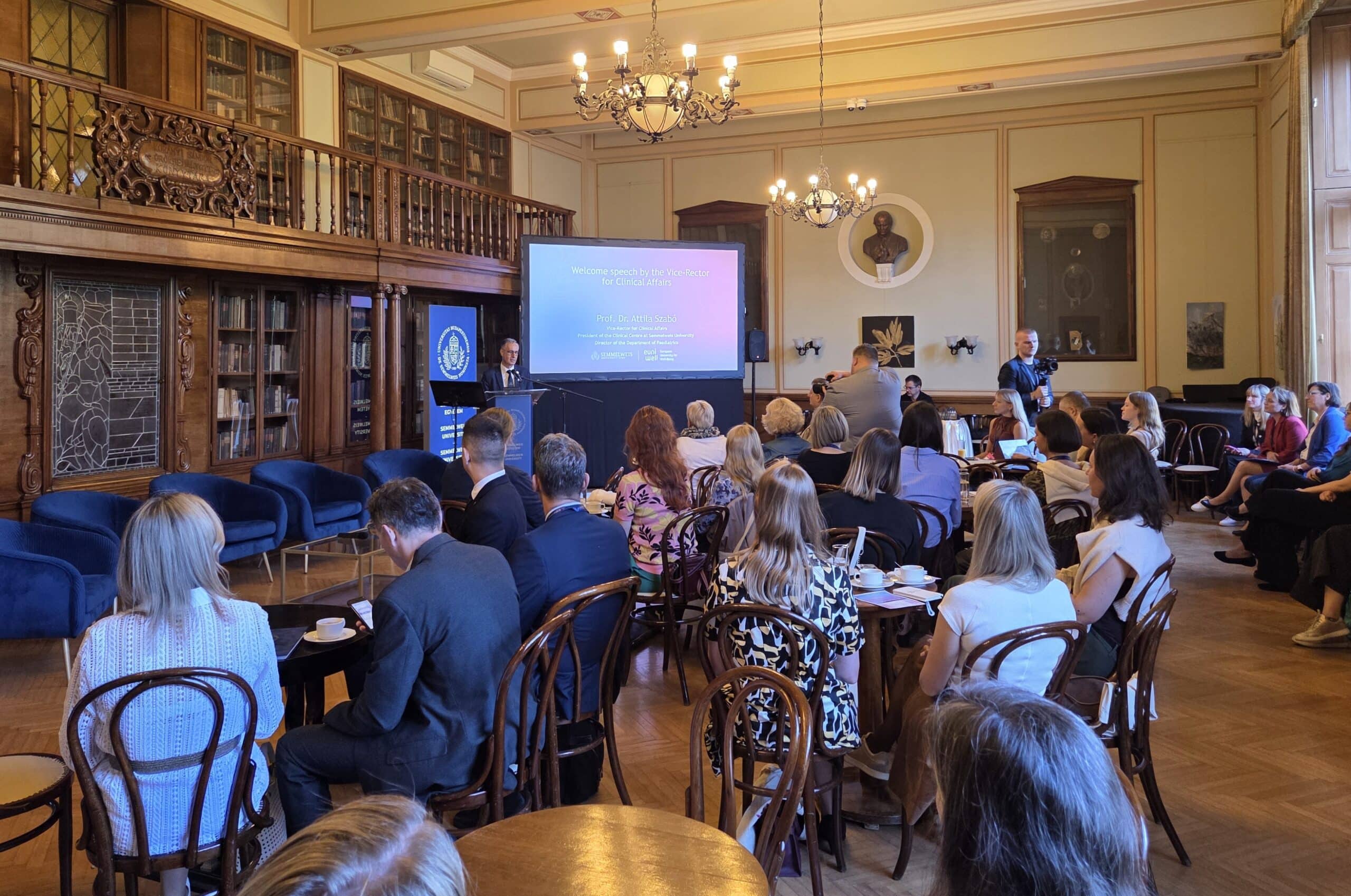
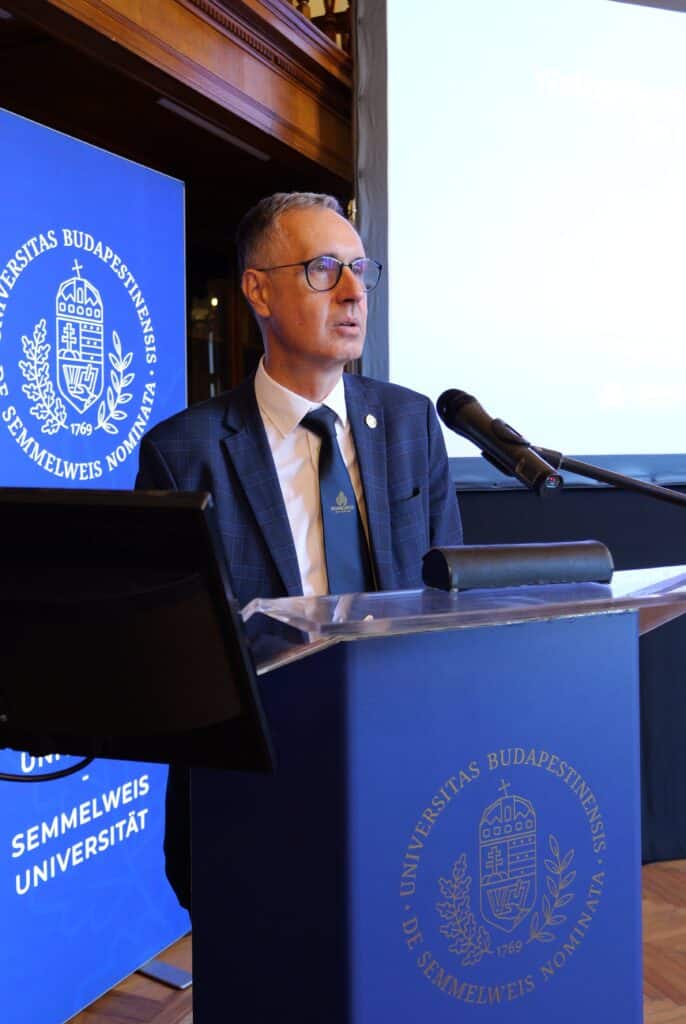 The professional programme was officially opened by Prof. Dr. Attila Szabó, Vice-Rector for Clinical Affairs at Semmelweis University. In his welcoming address, he emphasised that employee wellbeing is essential to ensuring high-quality higher education and healthcare services. Participants were also welcomed by Levente Vágó, Deputy Director of the Directorate of International Relations and Alumni Affairs, who highlighted the importance of sharing international experiences and best practices.
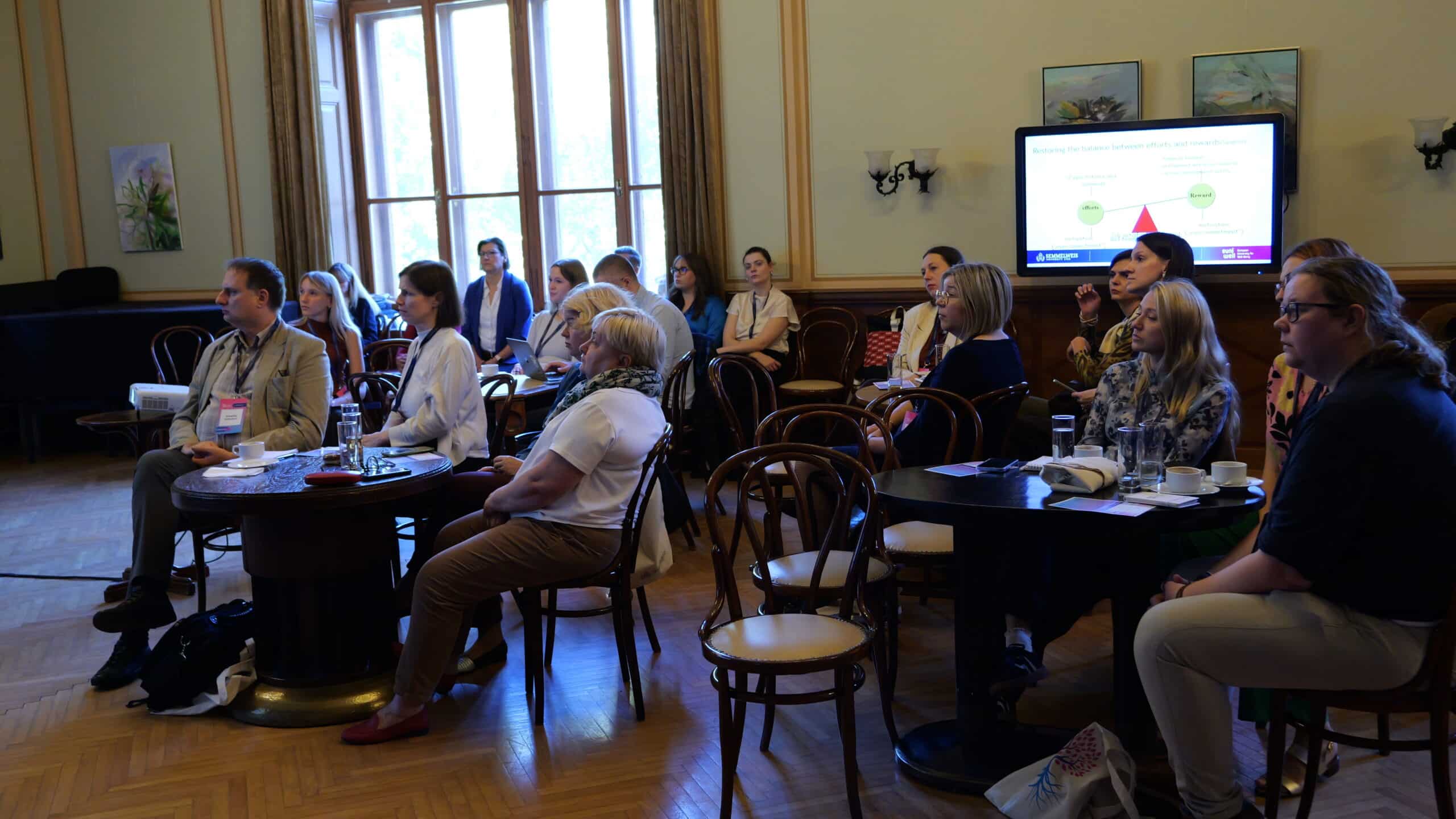
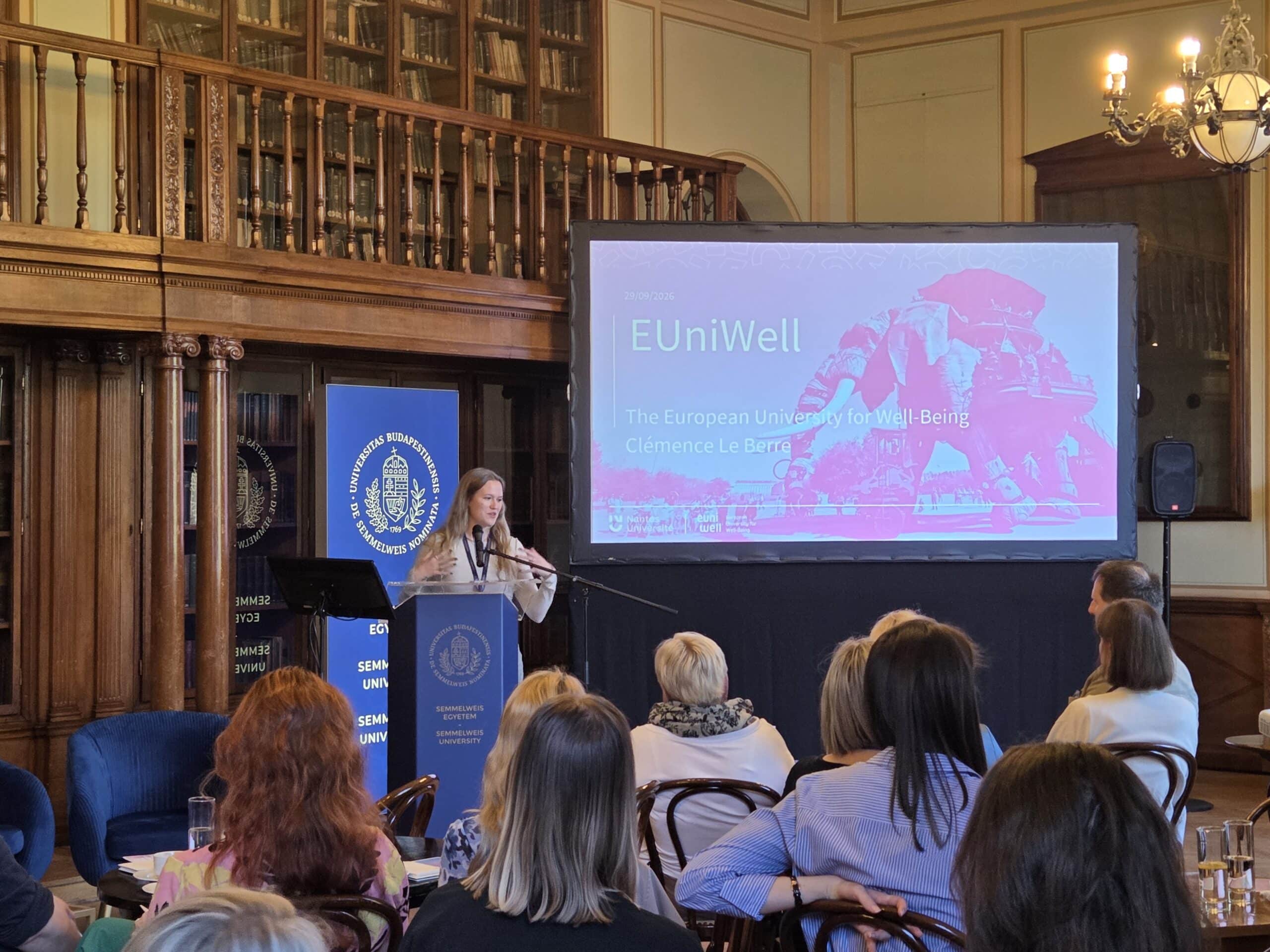
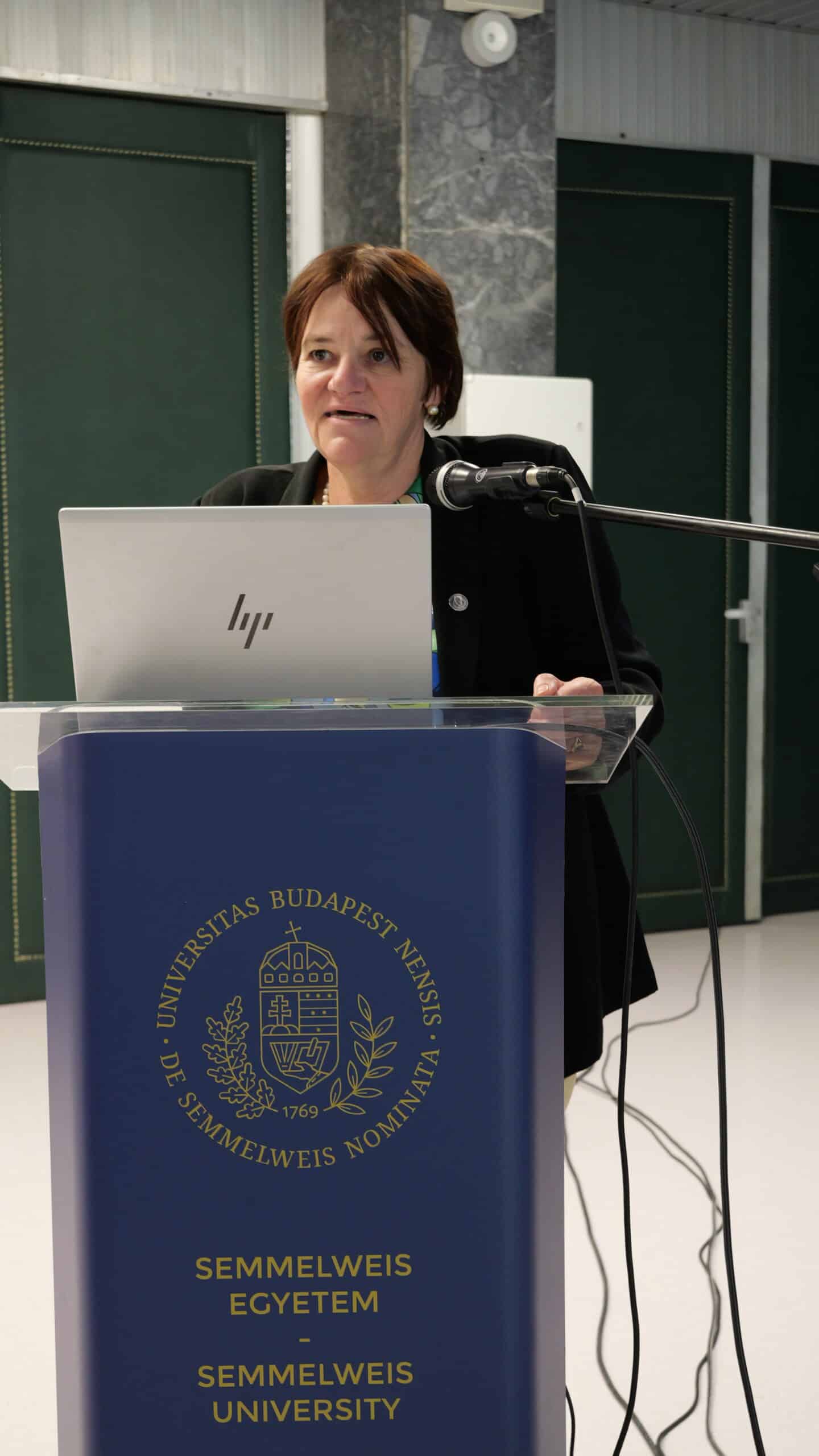
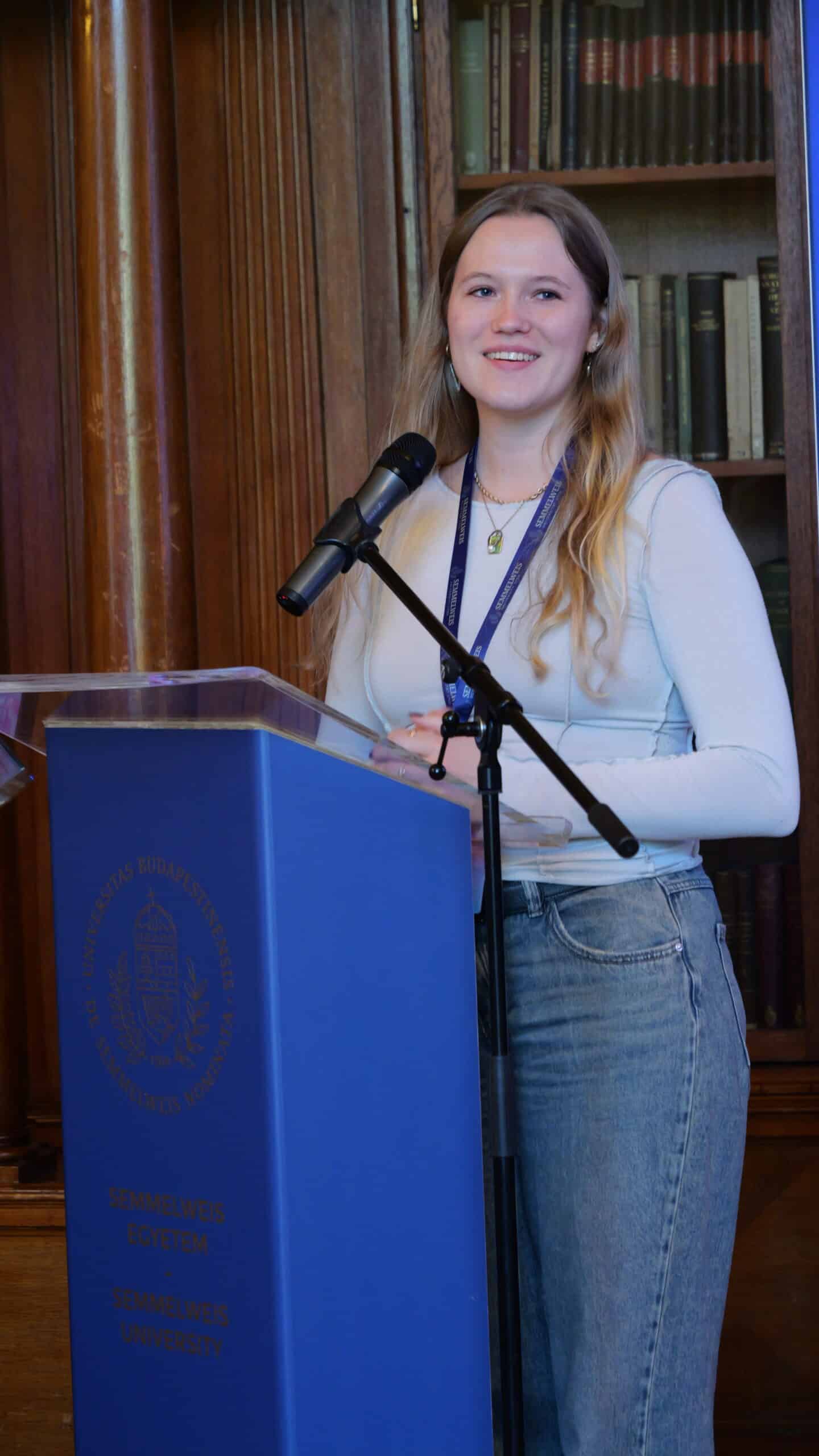
As a keynote speaker on employee wellbeing, Prof. Dr. György Purebl, Director of the Institute of Behavioural Sciences at Semmelweis University, delivered a presentation on the vital role of employees’ mental health, drawing attention to the importance of work-life balance and adequate rest. Kata Püski, Director General for Strategic Organisational Development at Semmelweis University, introduced the University’s Family-Friendly University Programme, which sparked numerous discussions and exchanges of ideas among the international audience. Focusing on students, Prof. Dr. Beáta Dávid Pethesné, Dean of the Faculty of Health and Public Administration, discussed the relationship between doctoral students’ mental health and their academic success. As examples of international best practices, Clemence Le Berre presented employee wellbeing initiatives at Nantes Université, while Andreas Boehnke introduced the psychological counselling services available at the University of Cologne.
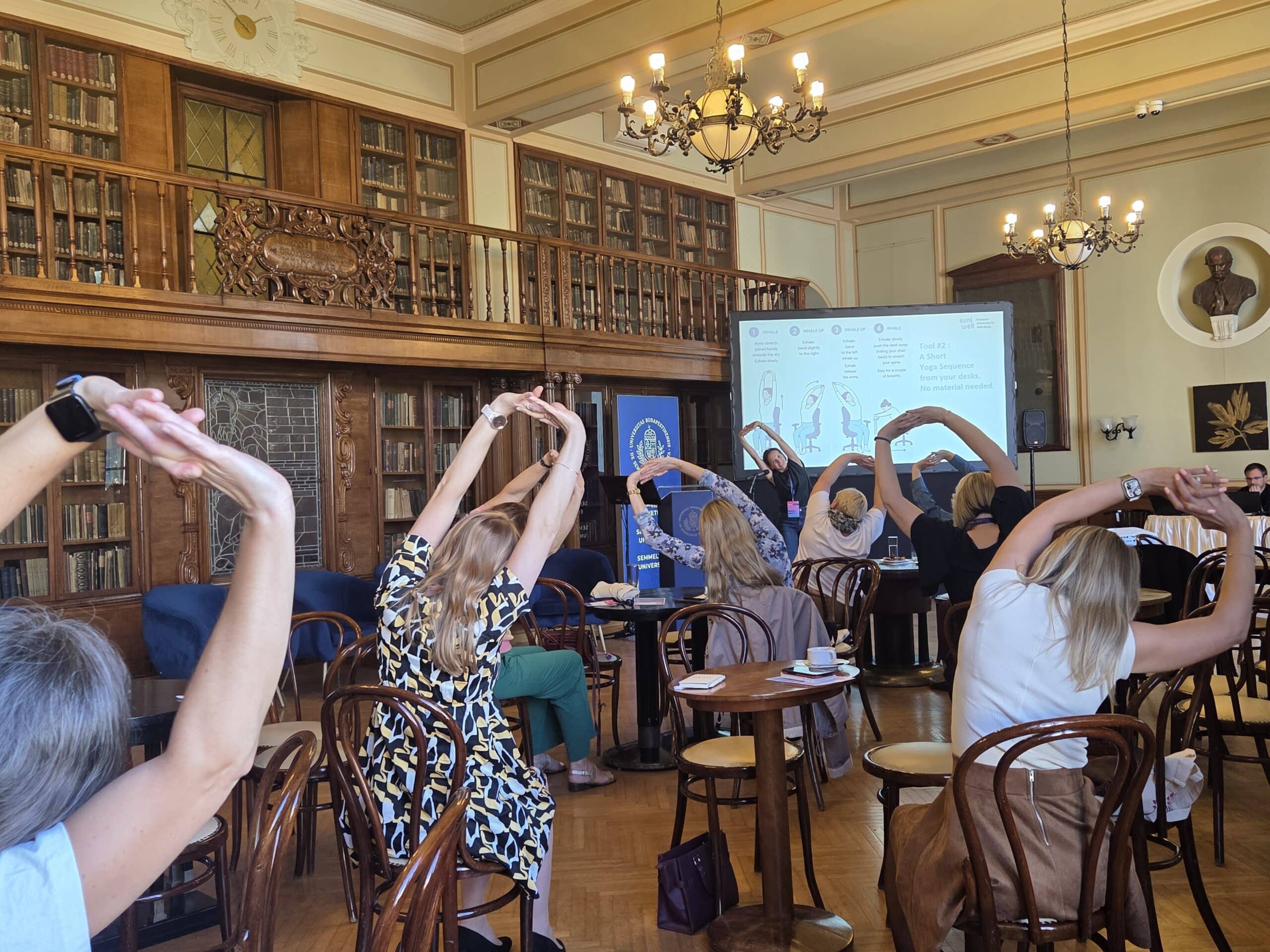
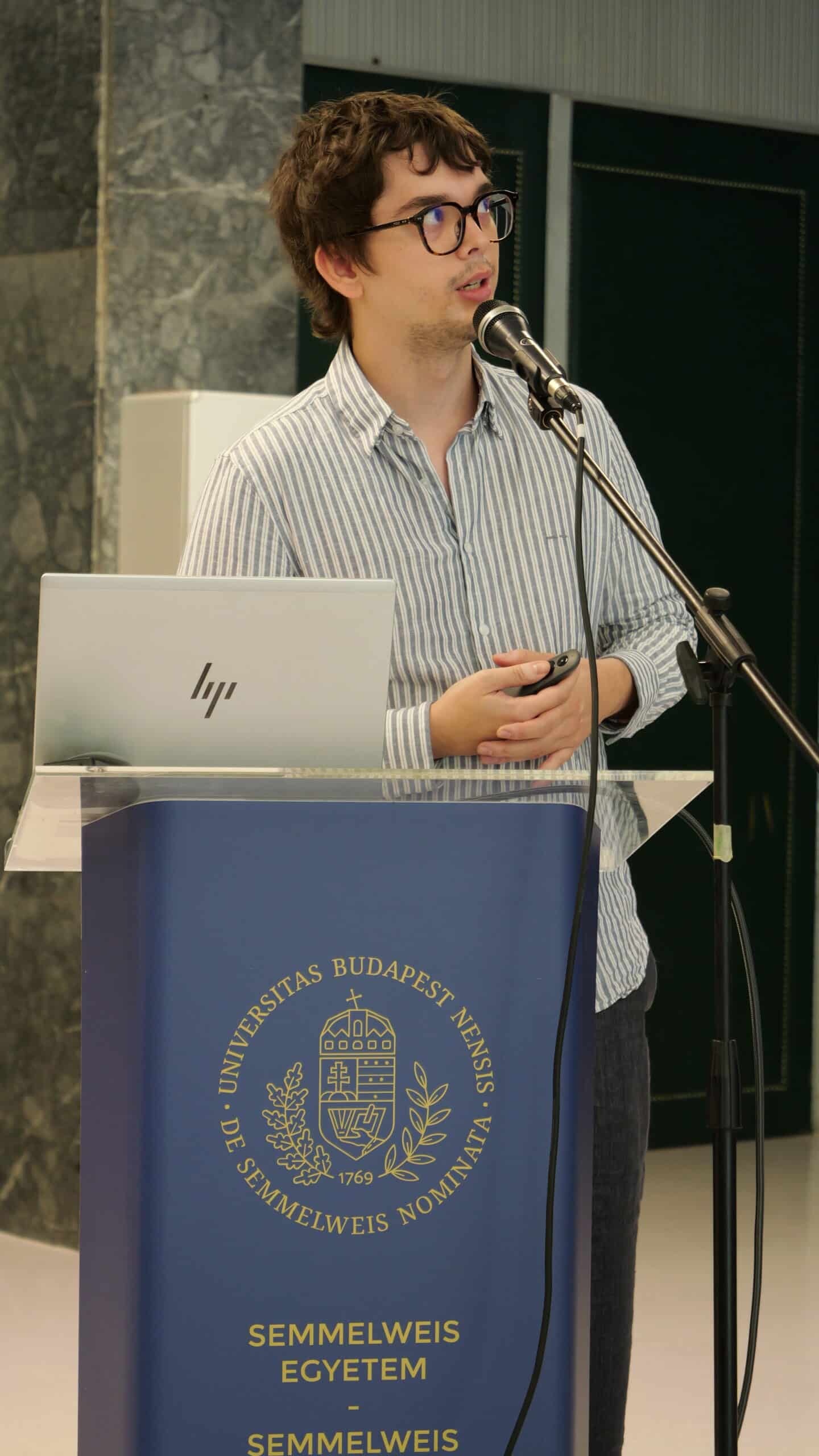
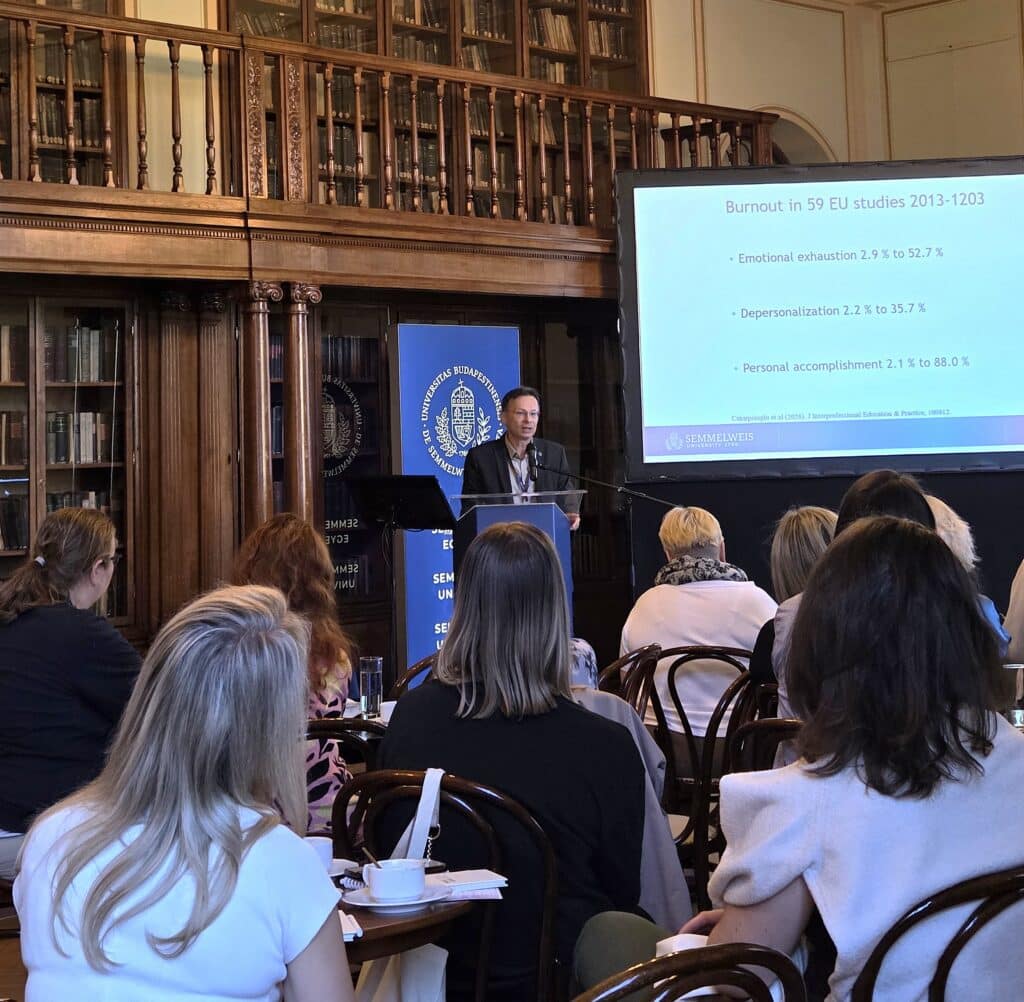 Participants also had the opportunity to learn about several other initiatives at Semmelweis University. Fanni Tamási, Director of the Family-Friendly University Centre, presented the VáltozóKör programme, which supports employees going through menopause. Dr. Dávid Major introduced the Semmelweis Study, a research project examining the health of university staff, while László Döngölő presented the sustainability initiatives of the Green University Programme. In connection with student wellbeing, dr. Márk Havasi introduced the University’s mentoring programme. Practical approaches to stress management were also explored through a mindfulness workshop led by Dr. Noémi Szeifert, clinical psychologist, and a presentation by Dr. Adrienne Stauder on the Williams Life Skills Training programme. Participants also had the opportunity to try out various stress-management techniques during office yoga and mindfulness sessions.
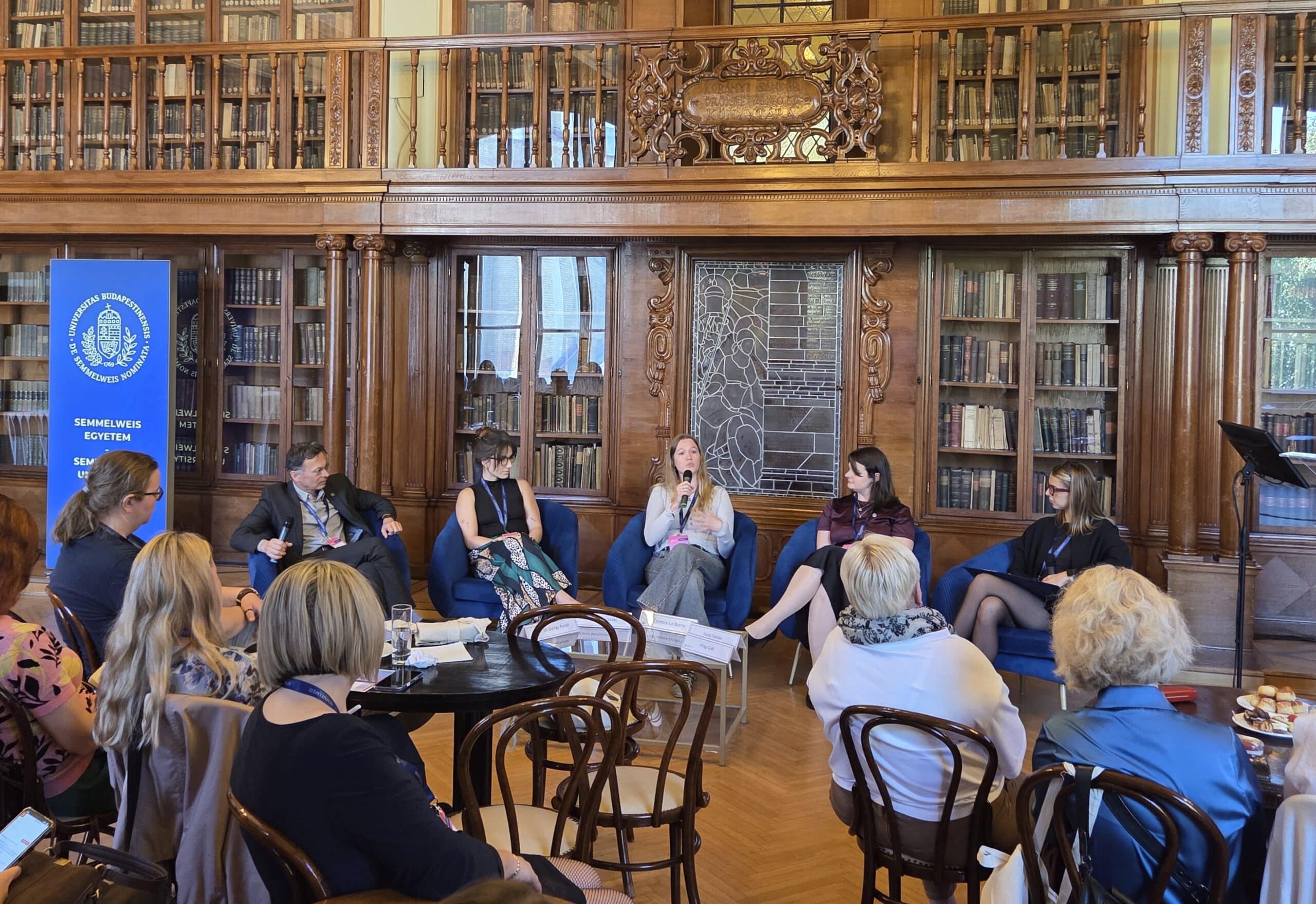
In addition to the presentations and workshops, panel discussions provided further opportunities to exchange institutional experiences and best practices. Employee wellbeing was discussed by Prof. Dr. György Purebl, Clemence Le Berre, Fanni Tamási and Fanni Matyasovszki, EUniWell Institutional Coordinator at the Directorate of International Relations and Alumni Affairs of Semmelweis University. The discussion highlighted the importance of generational differences, leadership responsibility and diversity in creating a supportive working environment.
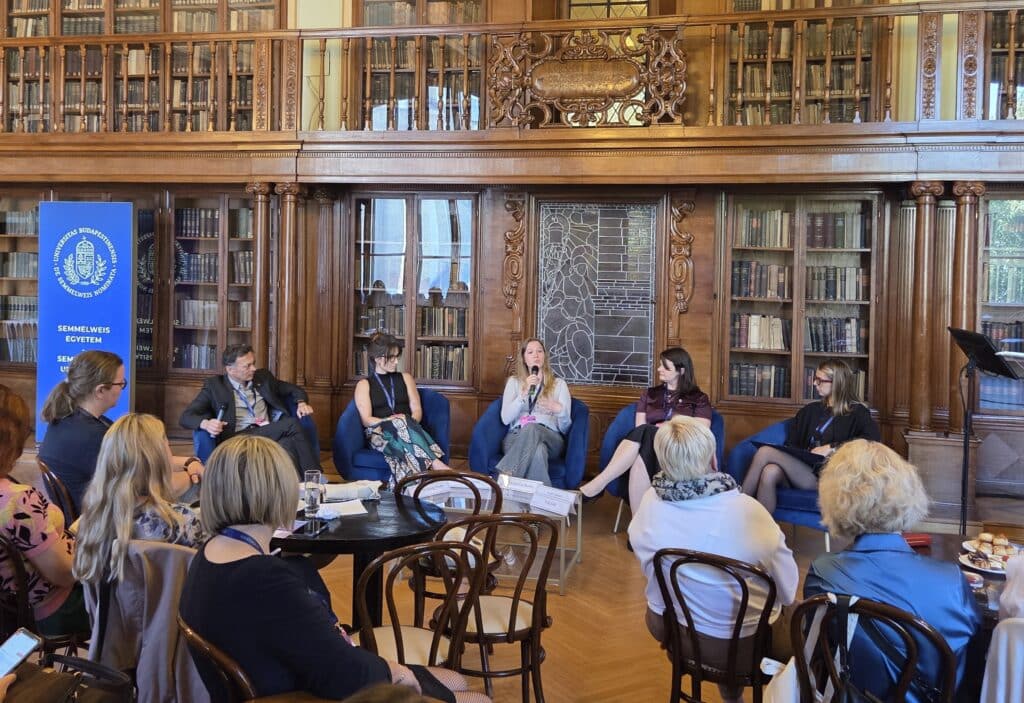
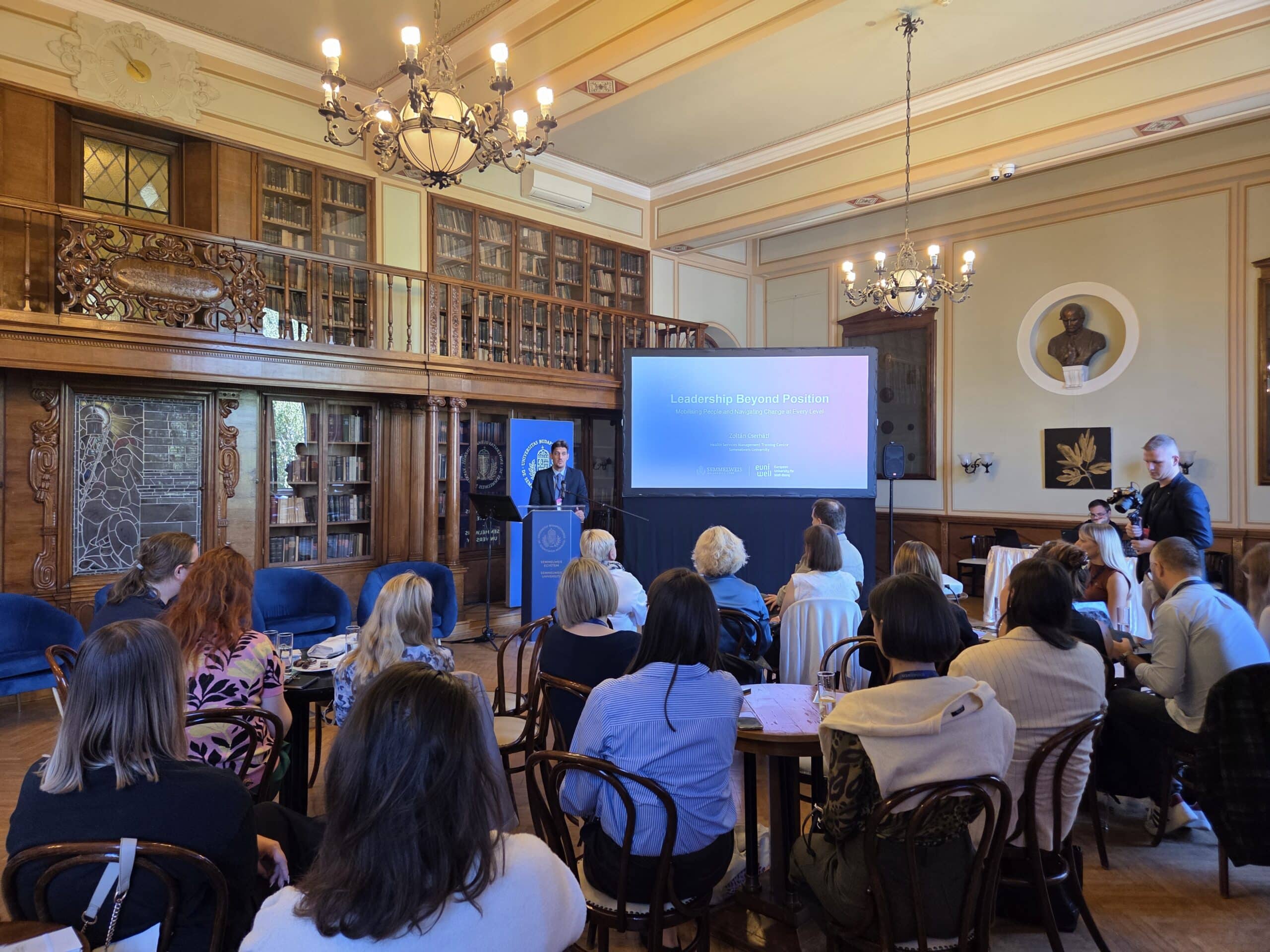
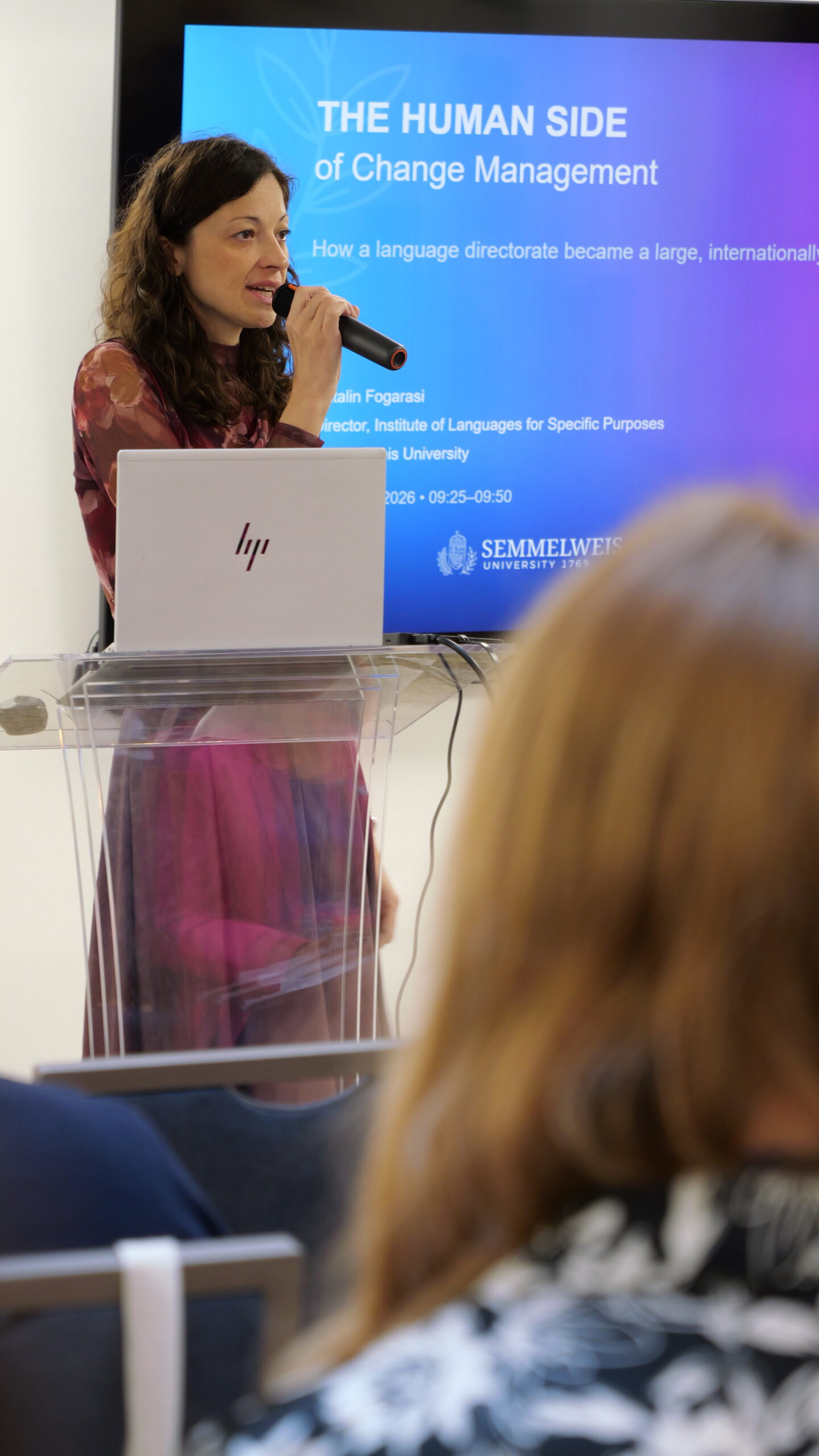
As for the topic of leadership development, the programme featured a keynote presentation by Dr. Zoltán Cserháti, Associate Professor at the Health Services Management Training Centre of Semmelweis University. In his presentation on change management, he emphasised the importance of encouraging collective action and engaging people in the change process. Dr. Katalin Fogarasi, Director of the Institute of Languages for Specific Purposes at Semmelweis University, explored change management from a female perspective, drawing on her personal experiences. Kata Püski also introduced the Semmelweis Women’s Leadership Circle, an initiative that has been supporting female employees of the University since 2024.
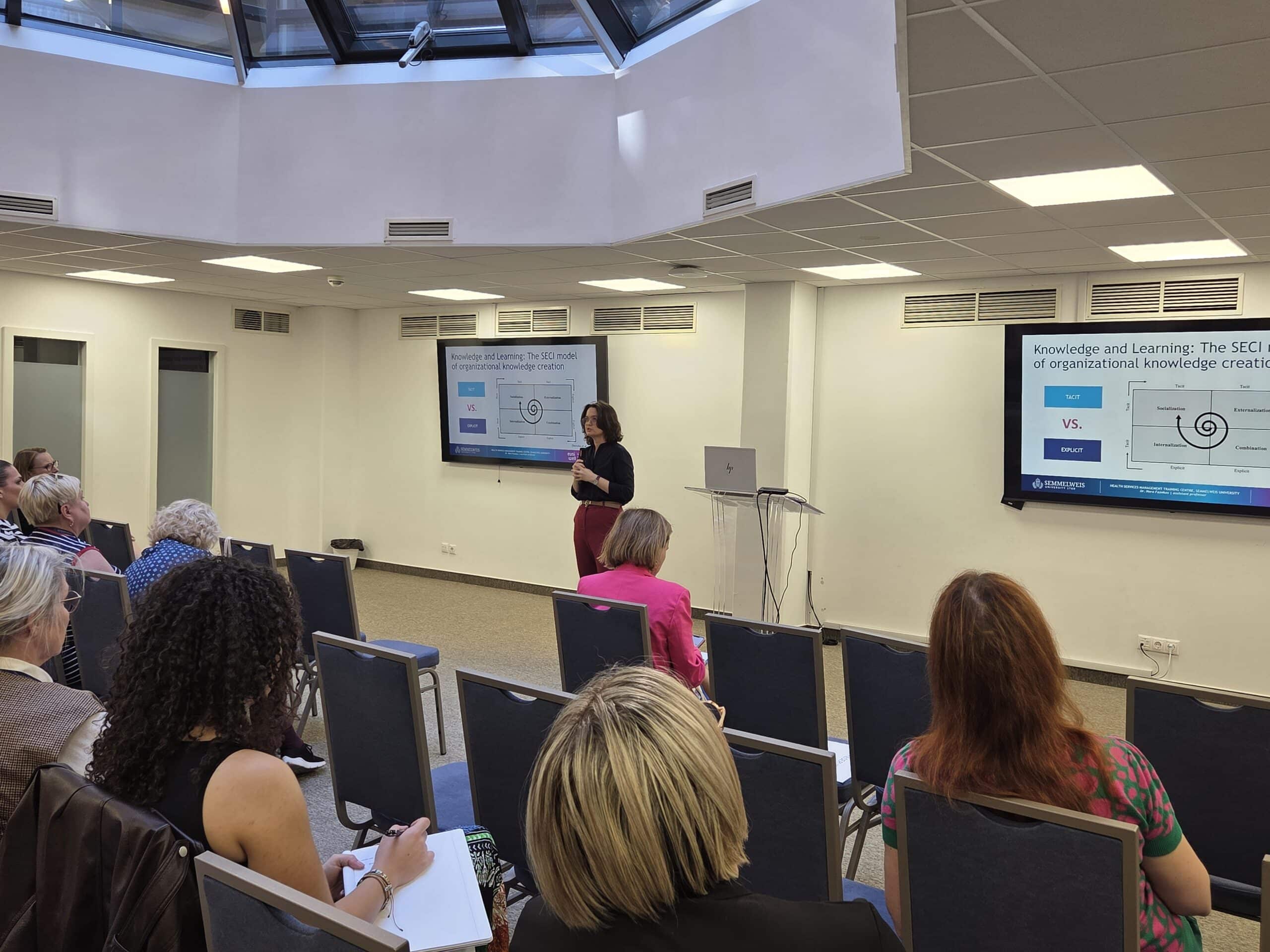
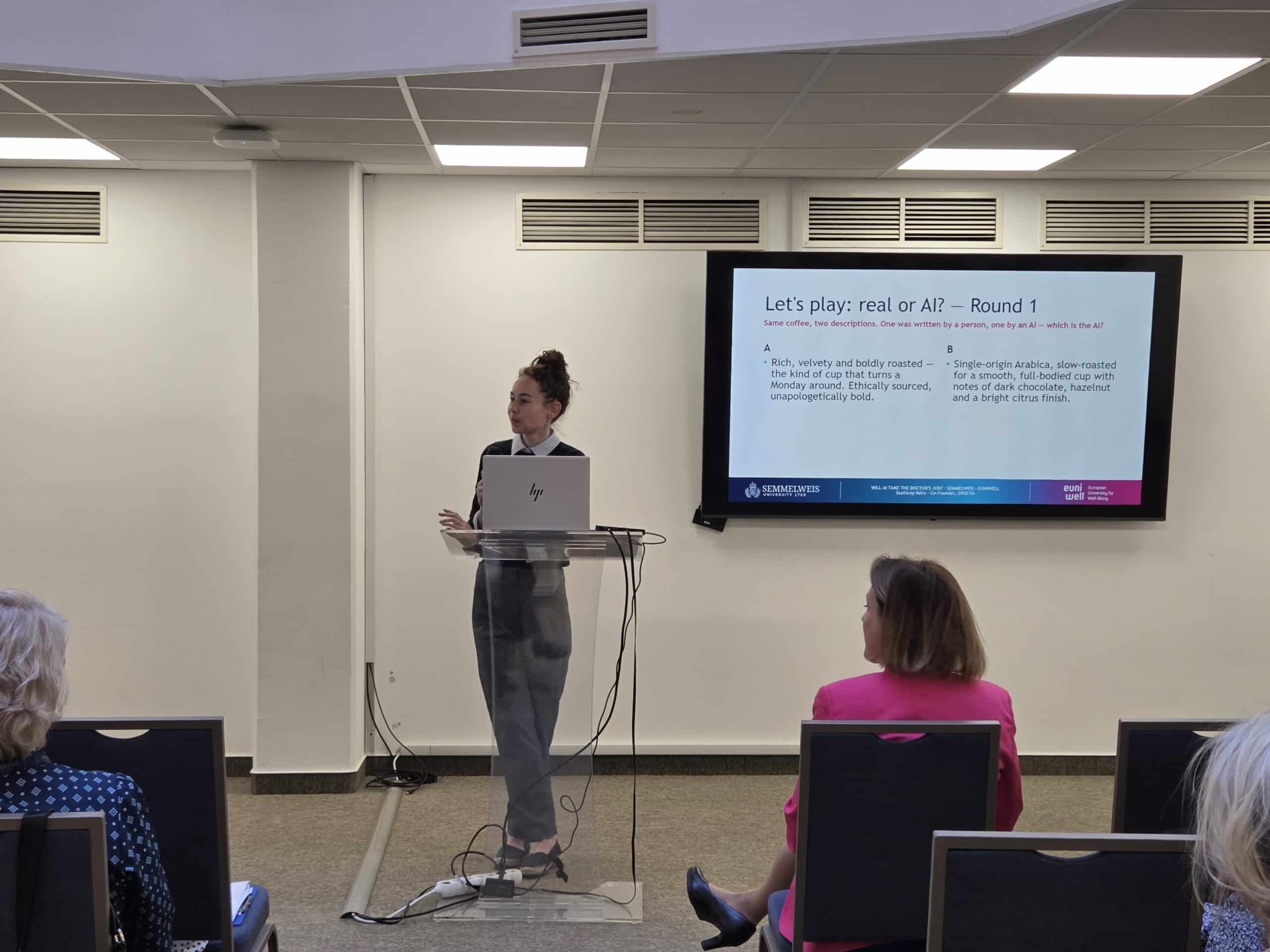
Participants also gained insights into the applications of Artificial Intelligence in healthcare through a presentation by Nóra Szalóczy, a healthcare AI expert. The process of organisational learning was also explored by Dr. Nóra Fazekas from the Health Services Management Training Centre of Semmelweis University.
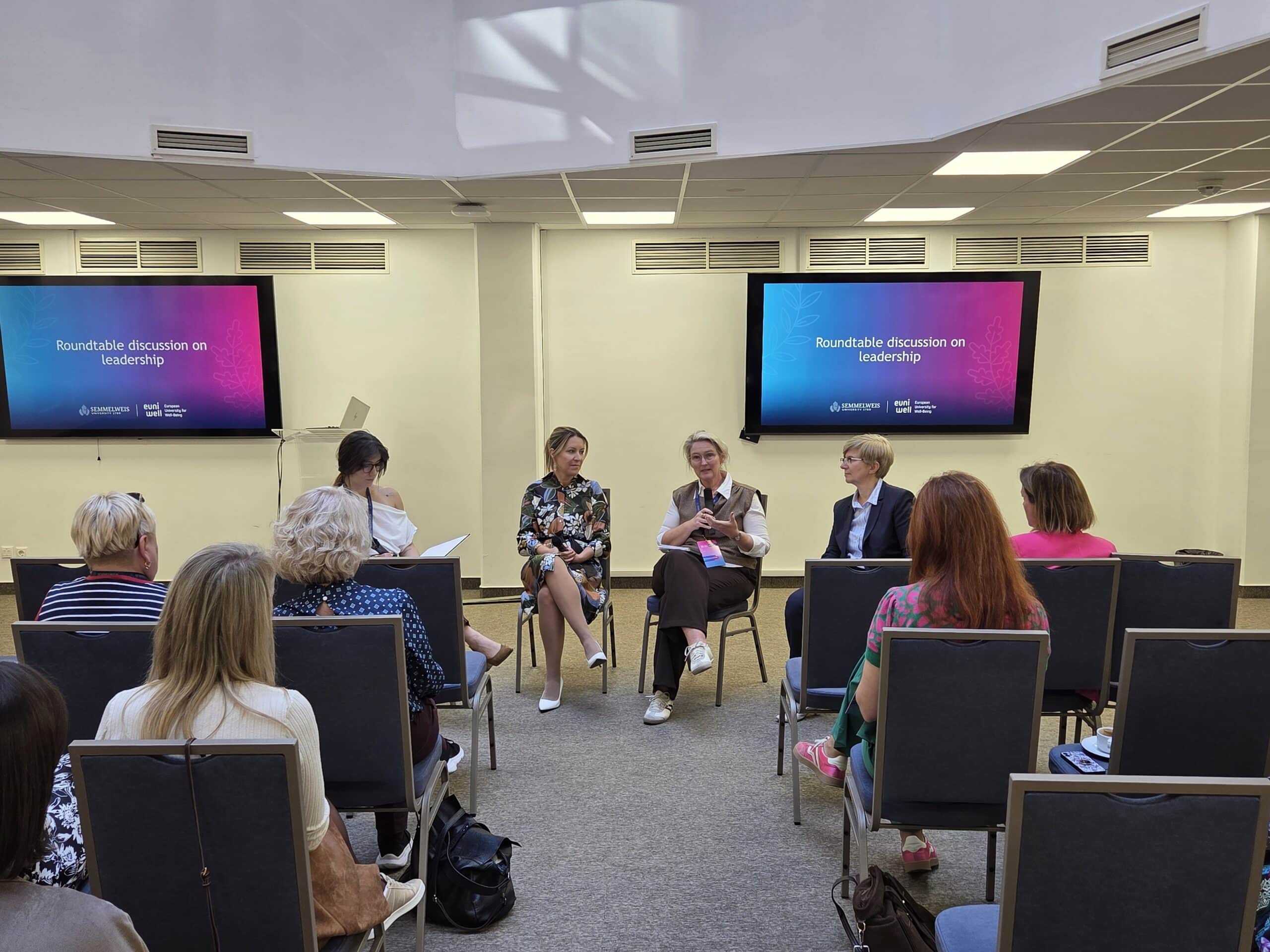
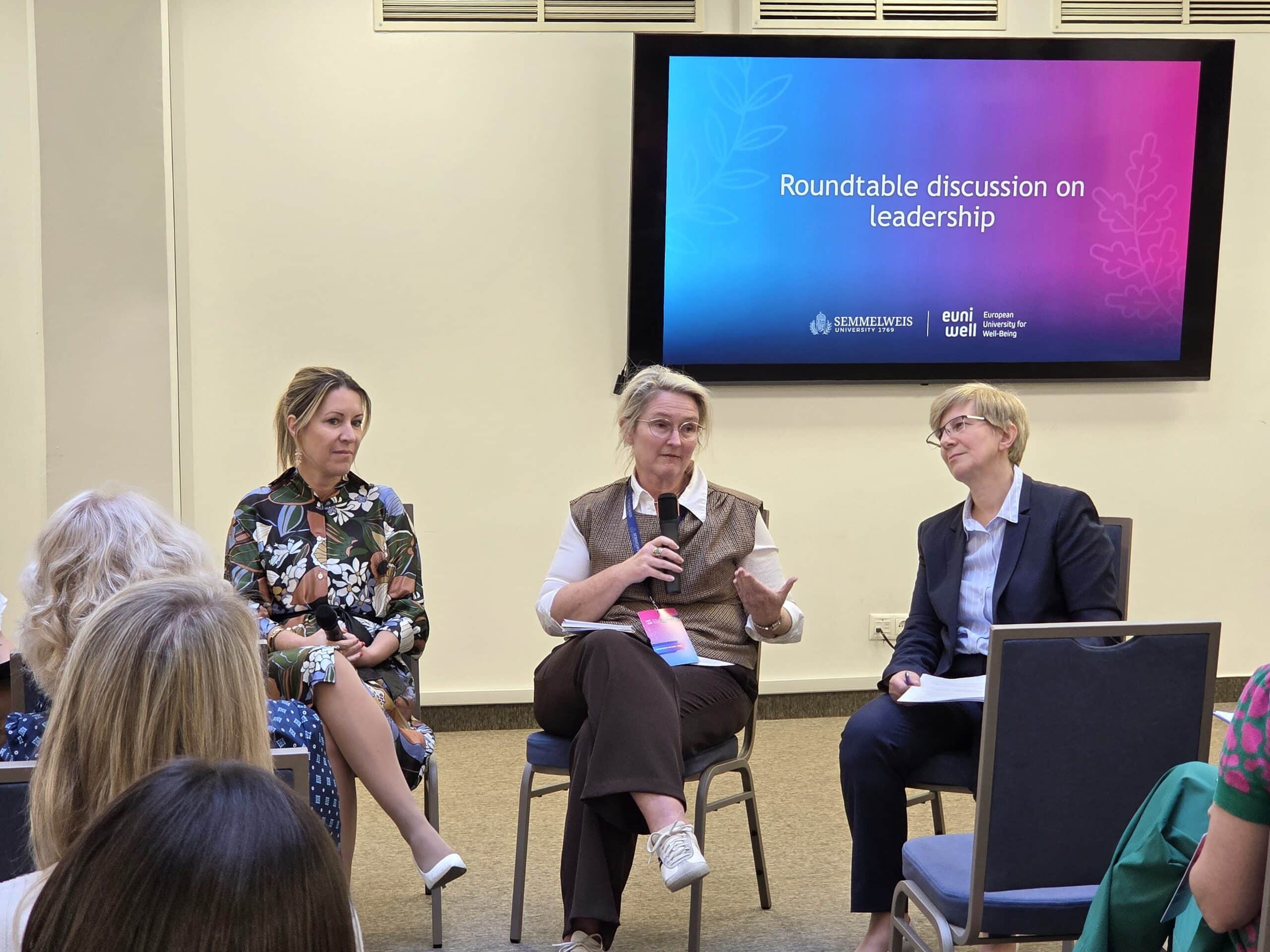
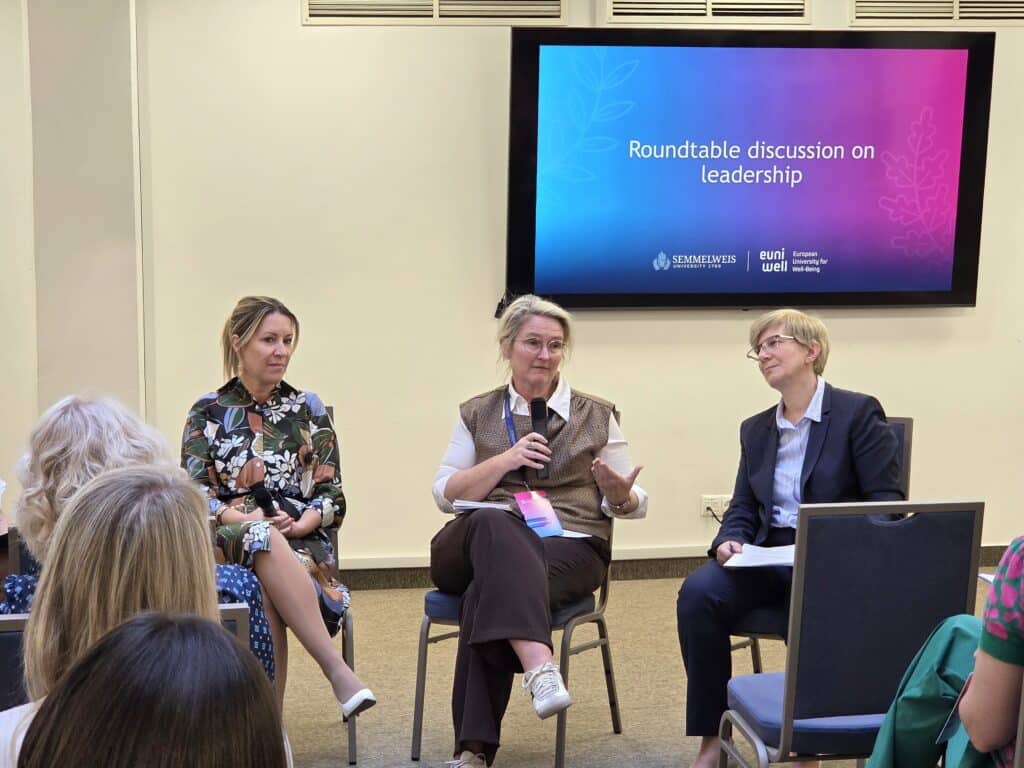
The challenges associated with leadership roles were discussed during a panel discussion featuring Dr. Renáta Emese Papp, Director of the Centre of Science and Innovation Vice-Rector and Business Development at Semmelweis University; Kata Püski; and Marion Tersmeden, Development Advisor at Linnaeus University. They shared their personal experiences and perspectives on the challenges and responsibilities of leadership.
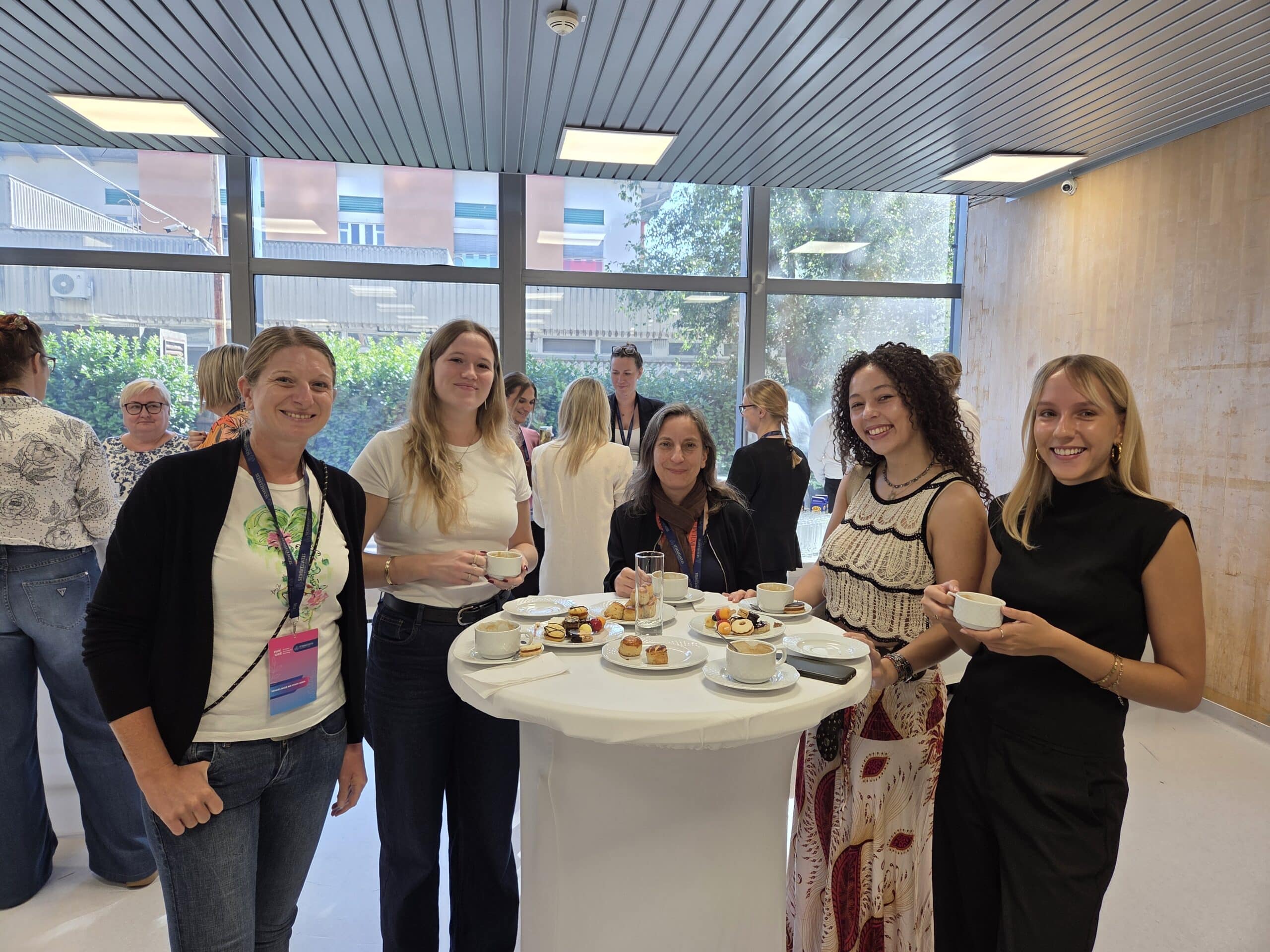
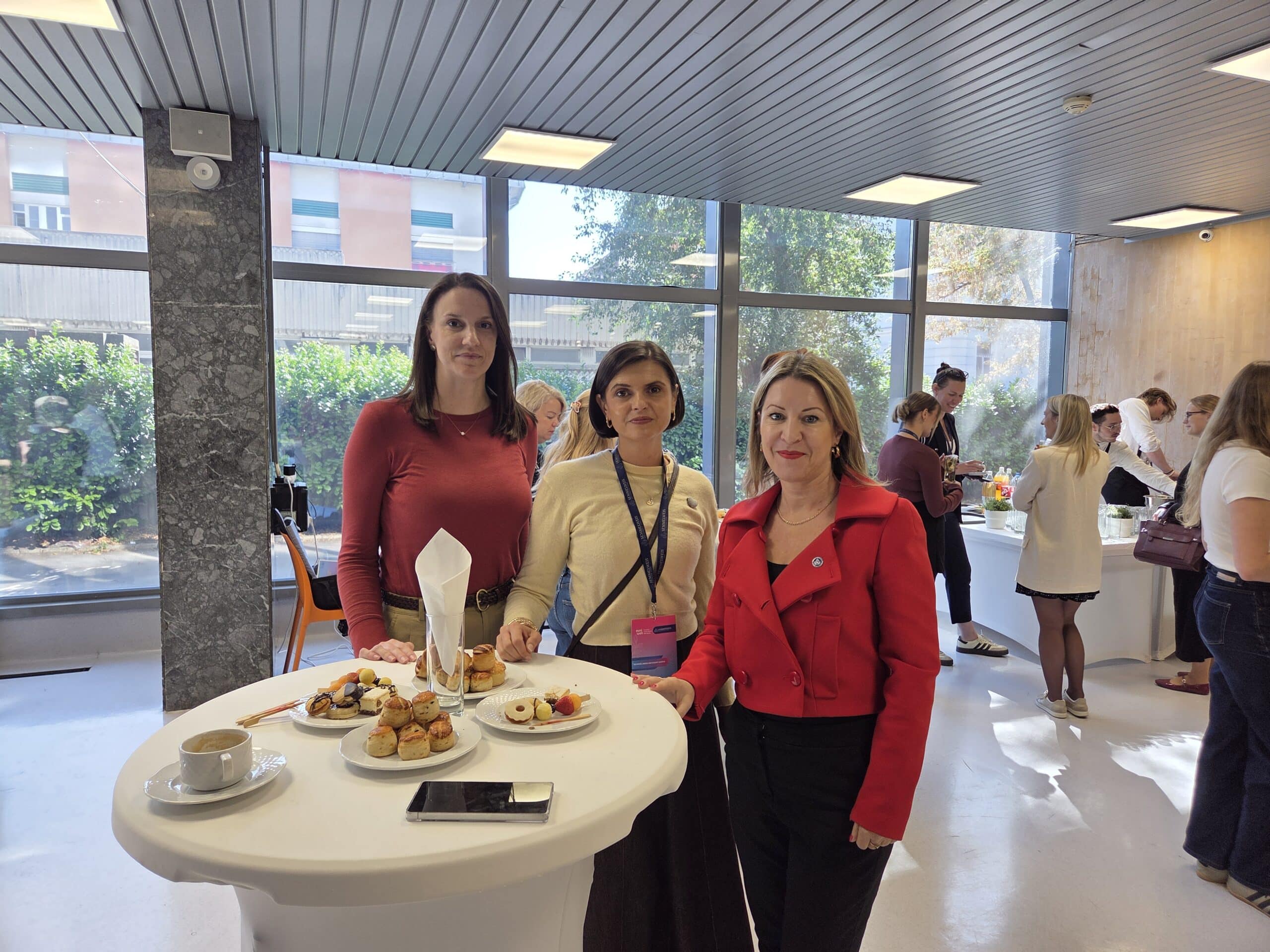
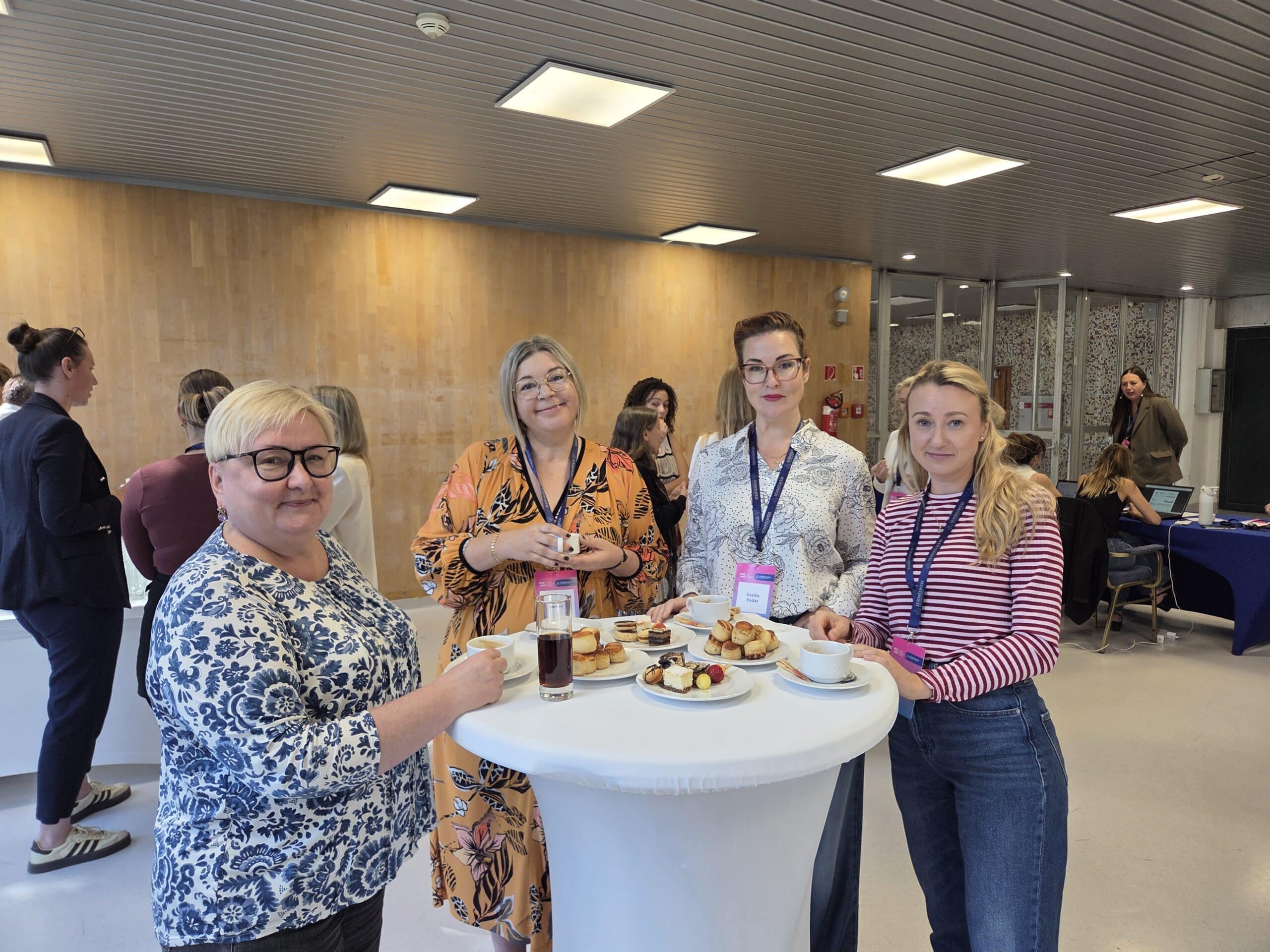
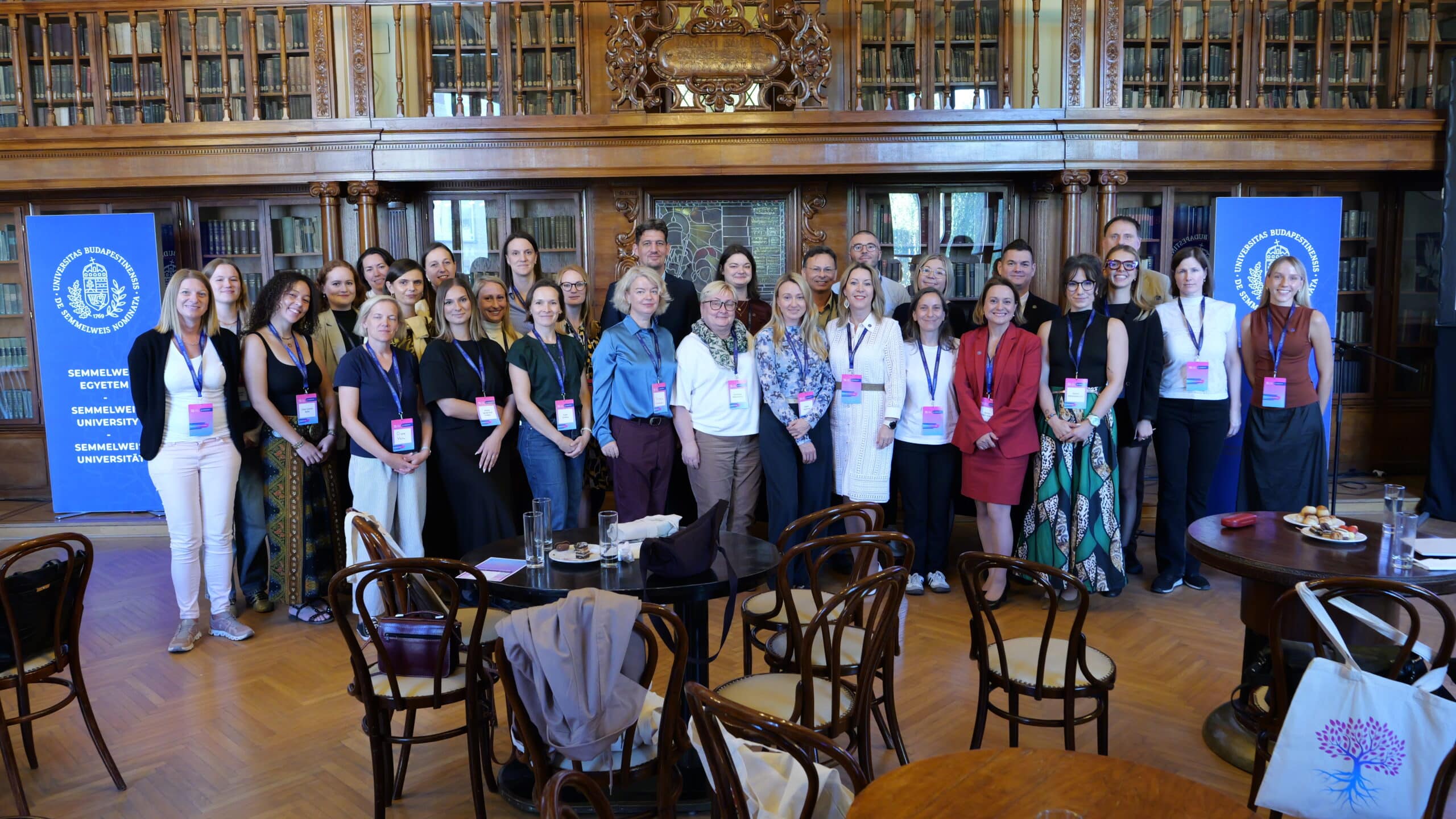
The informal networking activities also played an important role in fostering professional connections. The welcome and closing dinners, as well as a boat trip on the Danube, provided opportunities for informal conversations, allowing participants to continue exchanging experiences and establish valuable personal and professional connections.
We would like to thank all our speakers and participants for sharing their knowledge and experiences, as well as our colleagues involved in organising this successful event. The programme was organised through the collaboration of the Directorate-General for Strategic Organisational Development, the Directorate-General for Human Resources Management and the Directorate of International Relations and Alumni Affairs.
Gallery