On 25 November 2025, the latest session of the Seminar Lecture series, organized by the Centre for Translational Medicine at Semmelweis University, was held with outstanding professional success. Interest in the event exceeded expectations: the Marcus Aurelius Room in the office building at Baross Street 22 was filled to capacity, and several participants followed the lectures via a live transmission from the adjoining room.
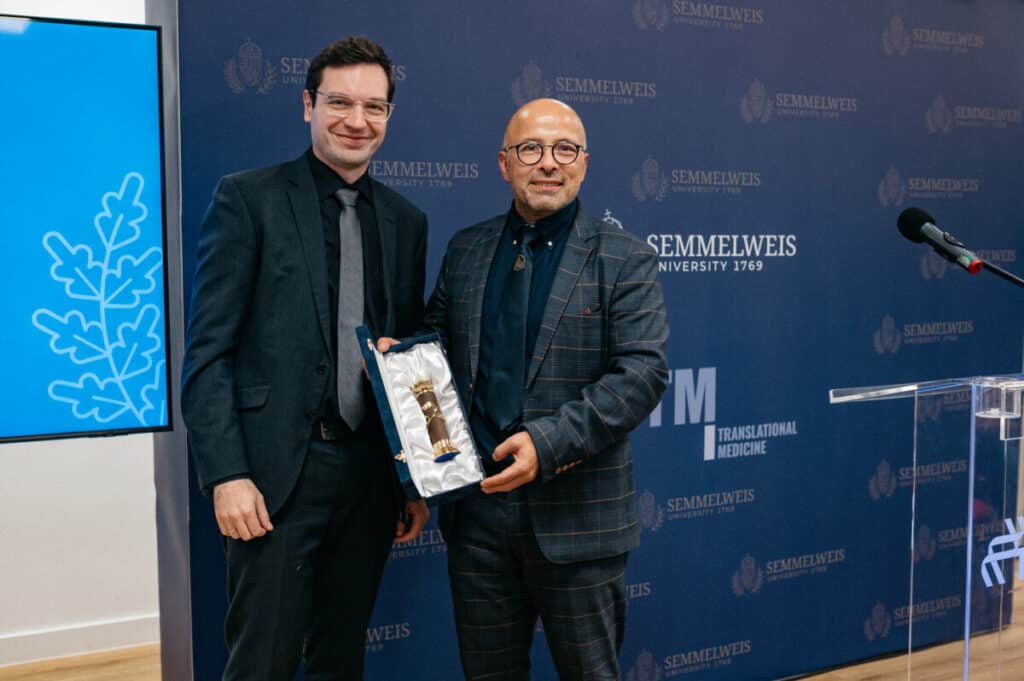
The program was opened by Professor Péter Hegyi, the 2025 recipient of the Robert F. Pitts Award (Semmelweis University, Centre for Translational Medicine).
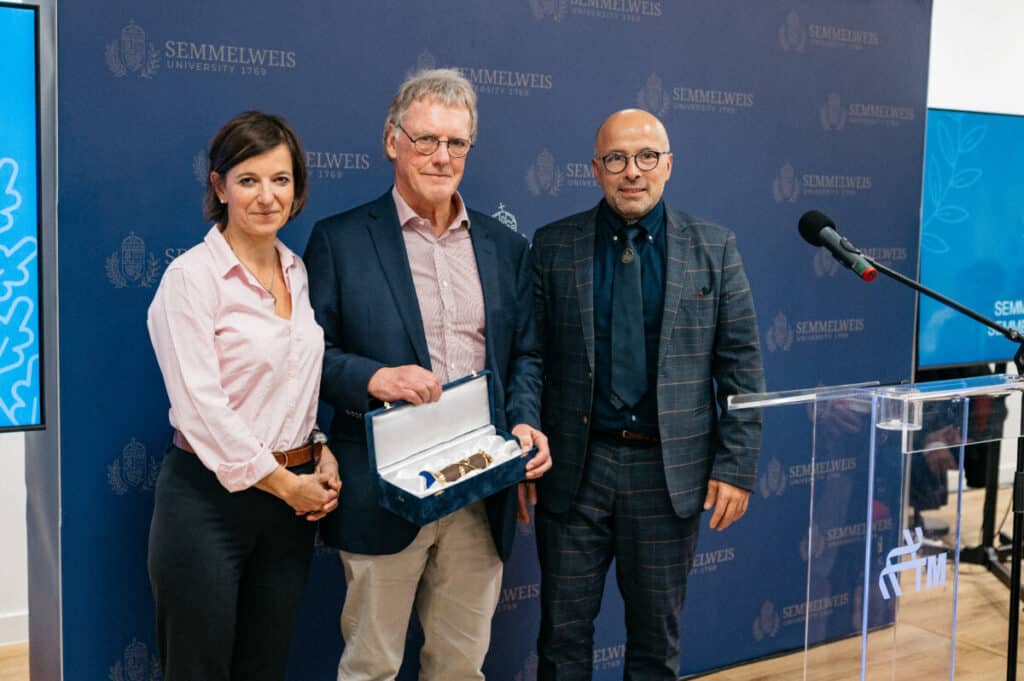 Following the opening remarks, the highlight of the afternoon took place: Peter Ratcliffe, laureate of the 2019 Nobel Prize in Physiology or Medicine, delivered his lecture titled “How cells sense oxygen levels.” Professor Ratcliffe presented fundamental research that uncovered the mechanisms by which cells sense oxygen levels—discoveries that have opened new diagnostic and therapeutic pathways across several areas of modern medicine. The lecture attracted significant scientific attention and represented the scientific apex of the event.
The program continued with a lecture by Professor Péter Hegyi, titled “Why does the Pancreas Secrete Bicarbonate?” in which he summarized more than 25 years of research. He outlined the physiological and pathophysiological significance of pancreatic bicarbonate secretion and presented recent translational approaches in pancreatitis research.
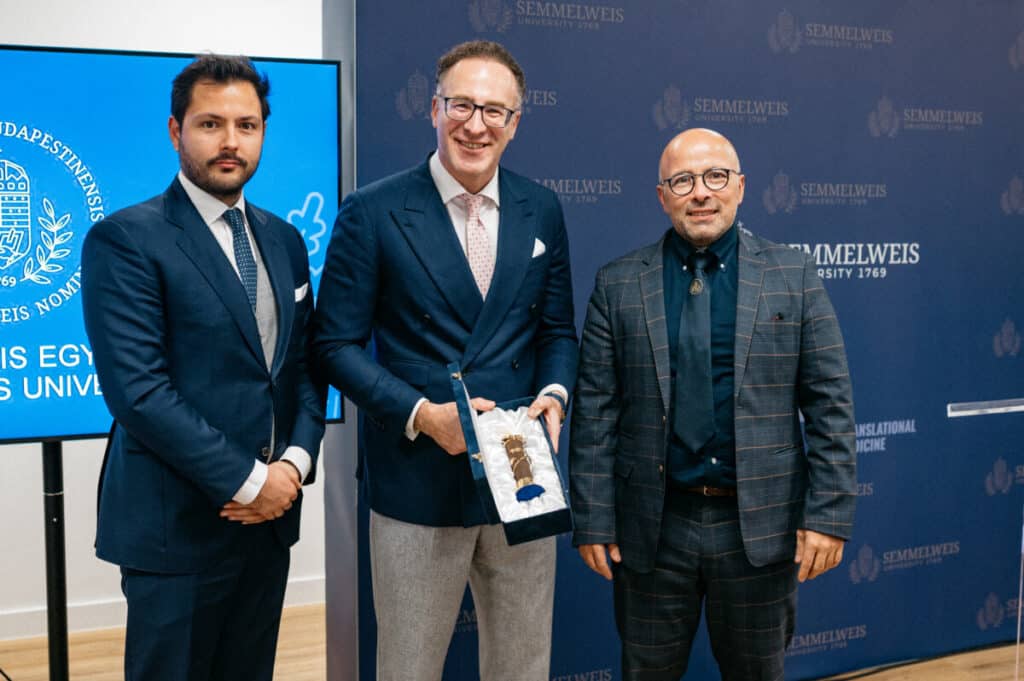
The final lecture of the afternoon was delivered by Professor Shahrokh Shariat, leading urologist at the Medical University of Vienna and recipient of the Gold Cystoscope Award (2017). In his presentation, “Academic Health Sciences: 11 Ways to Level up your Game,” he discussed major development directions in academic health sciences and outlined strategic opportunities for career advancement.
The program offered an especially valuable opportunity for participants of the Translational Medicine Training Program, who were able to learn first-hand from internationally recognized researchers and engage directly with cutting-edge scientific findings. The Seminar Lecture series thus plays an important role in the dissemination of scientific knowledge and in supporting the professional development of the next generation of researchers.