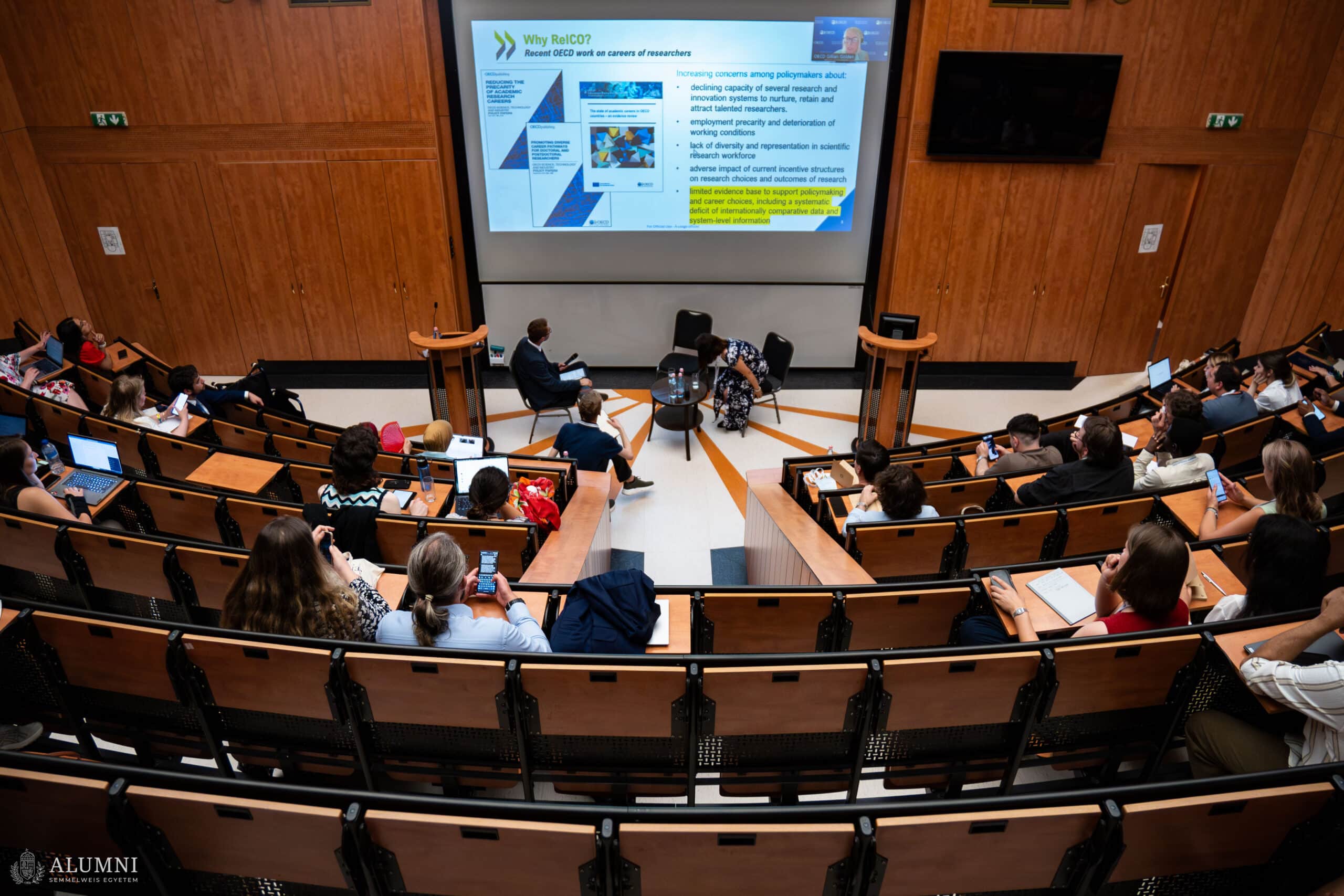
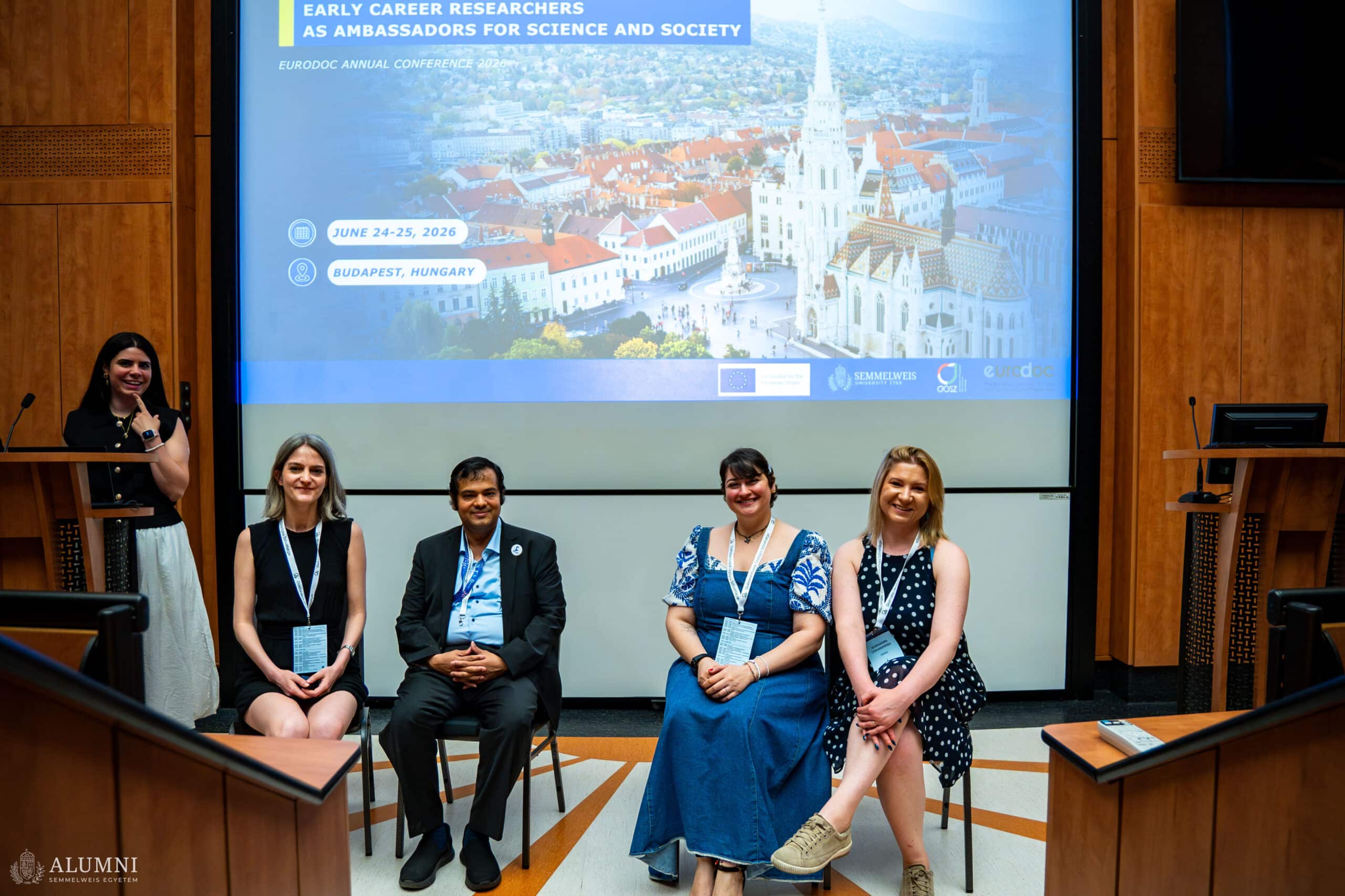
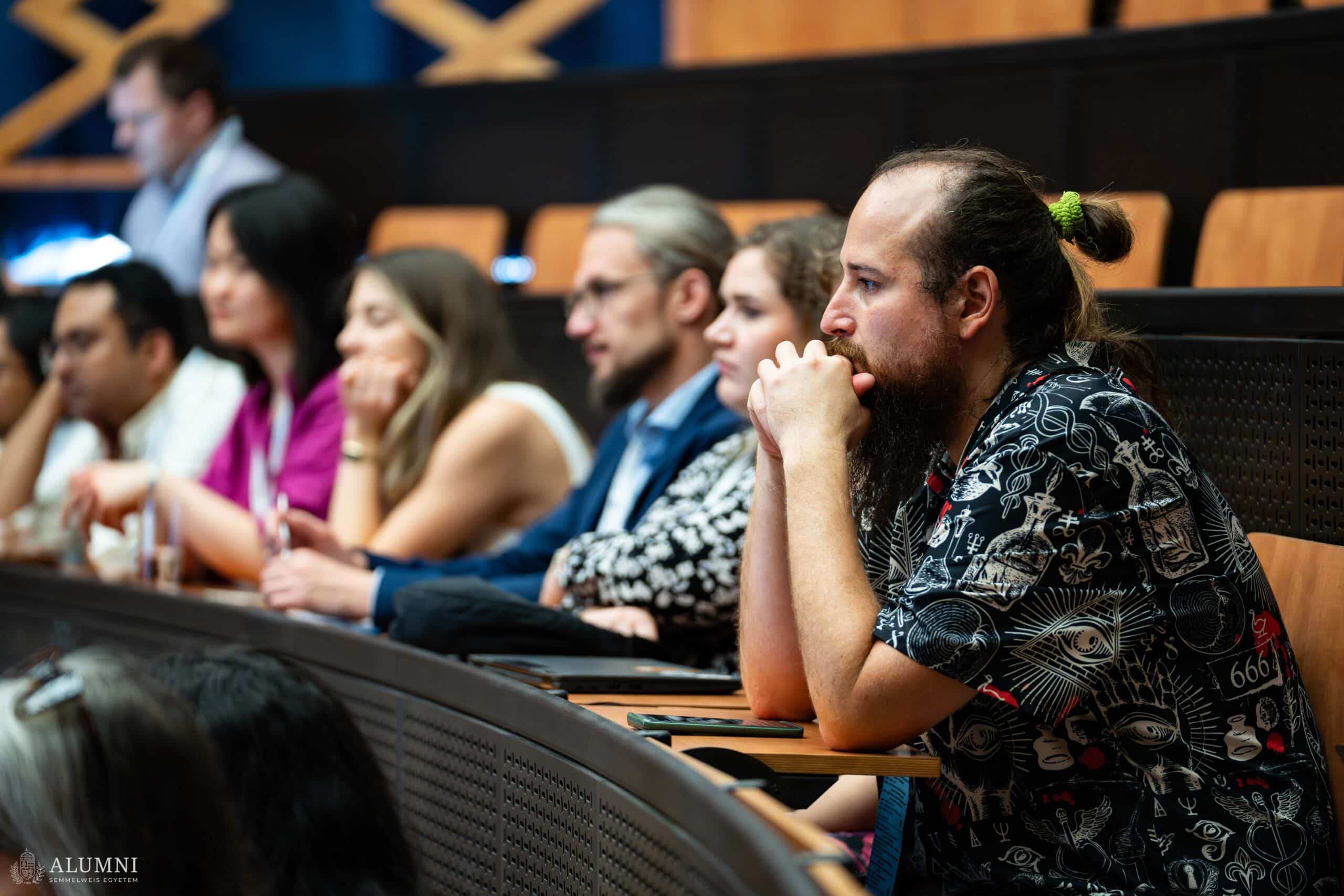
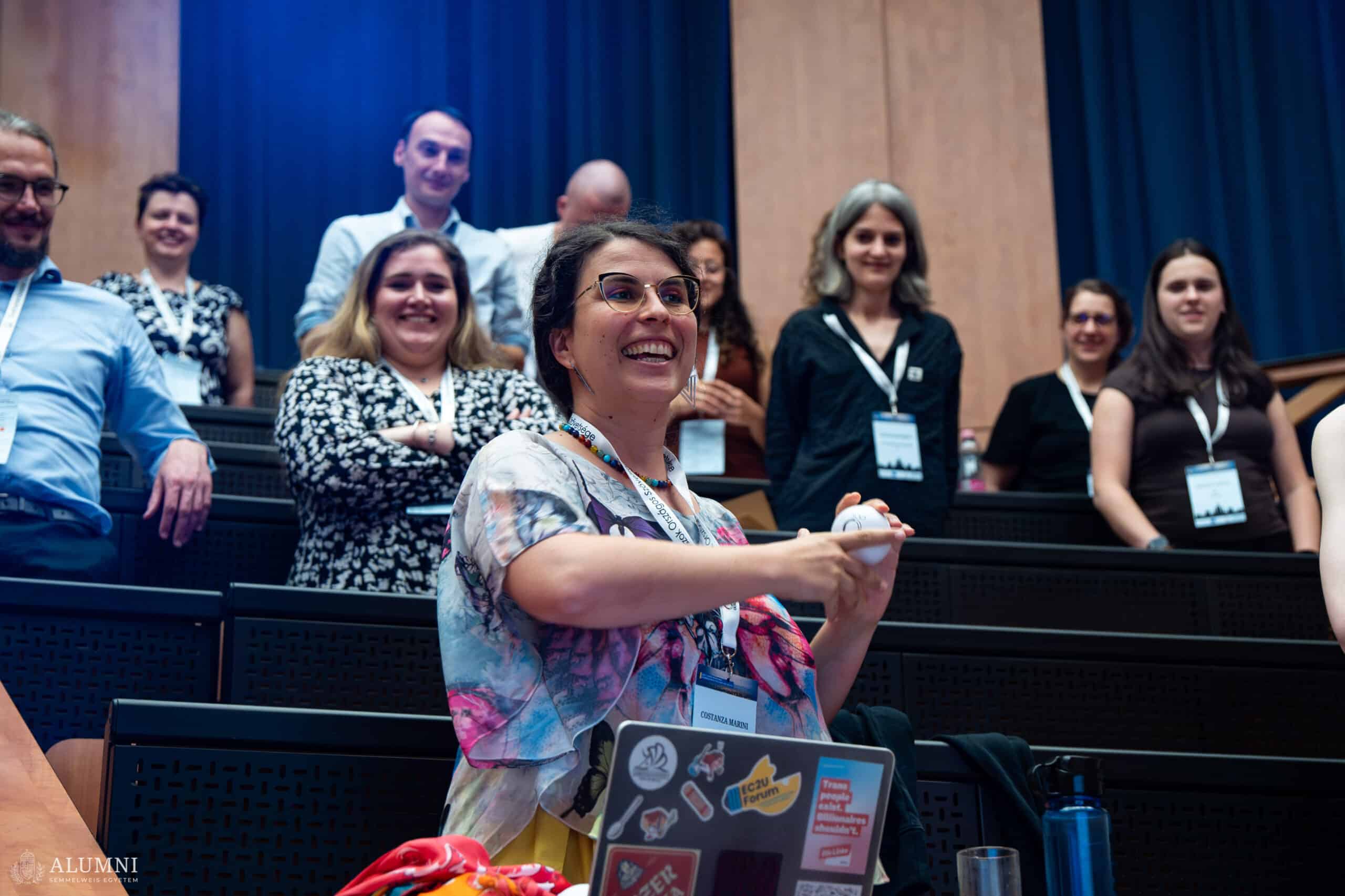
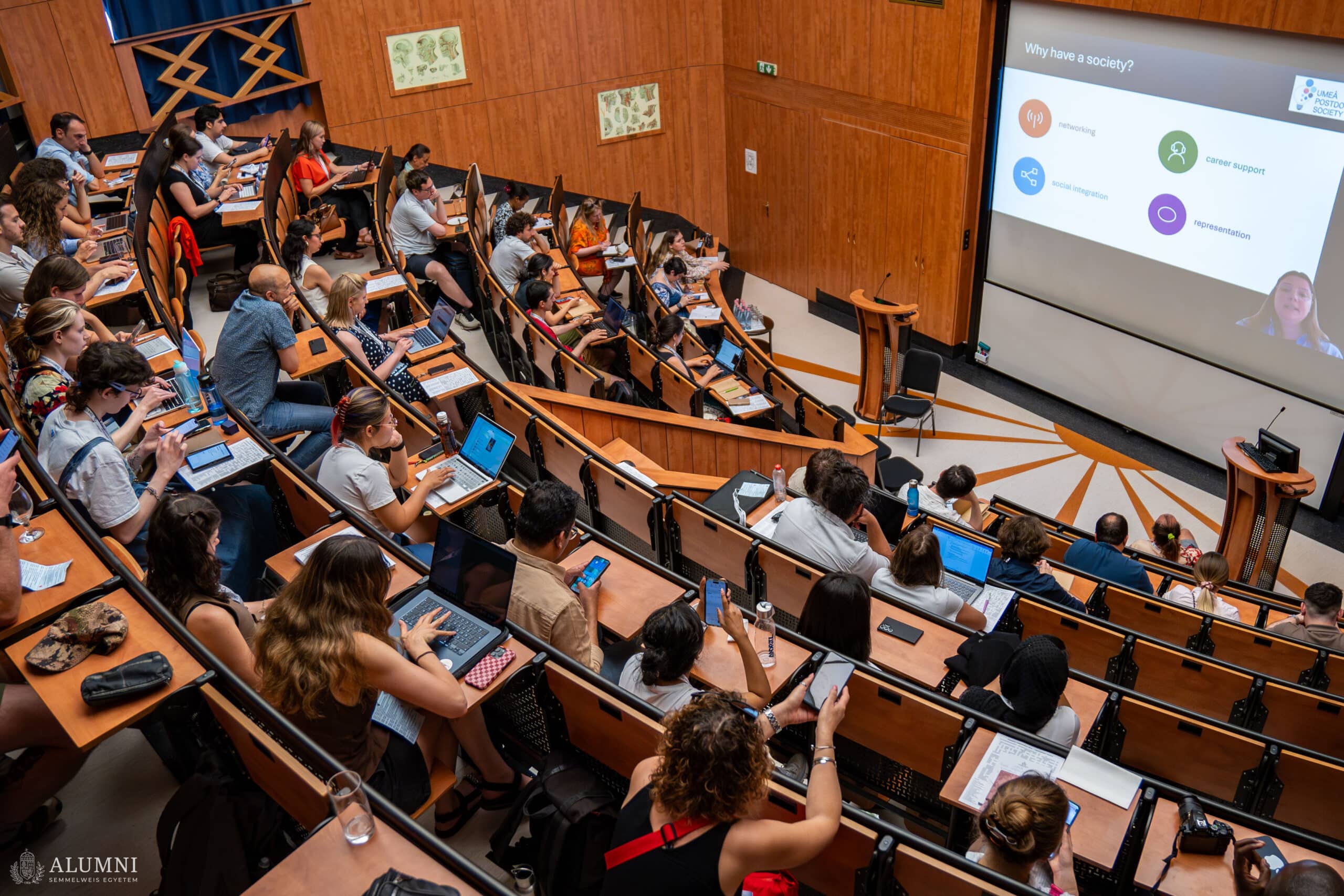
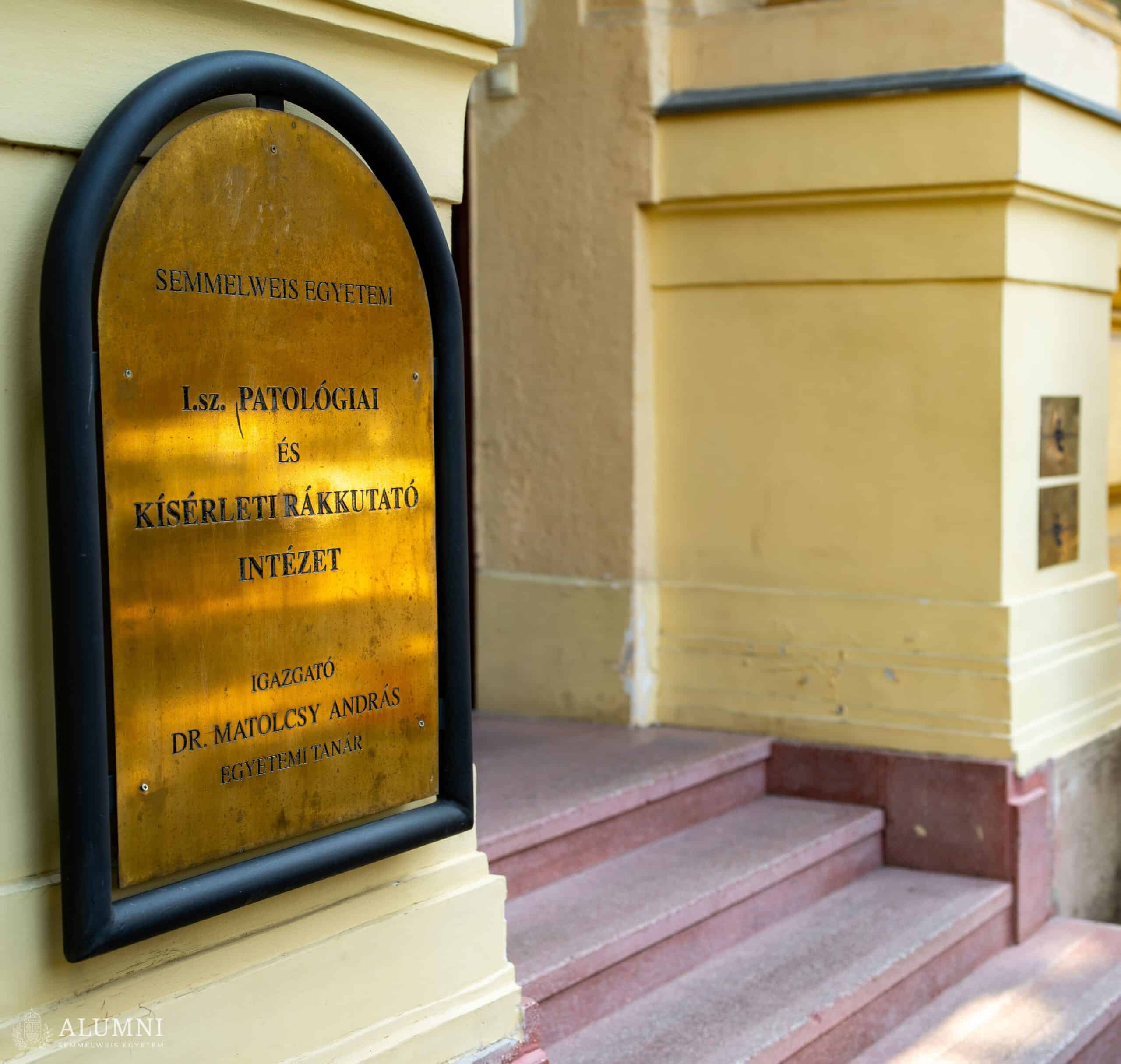
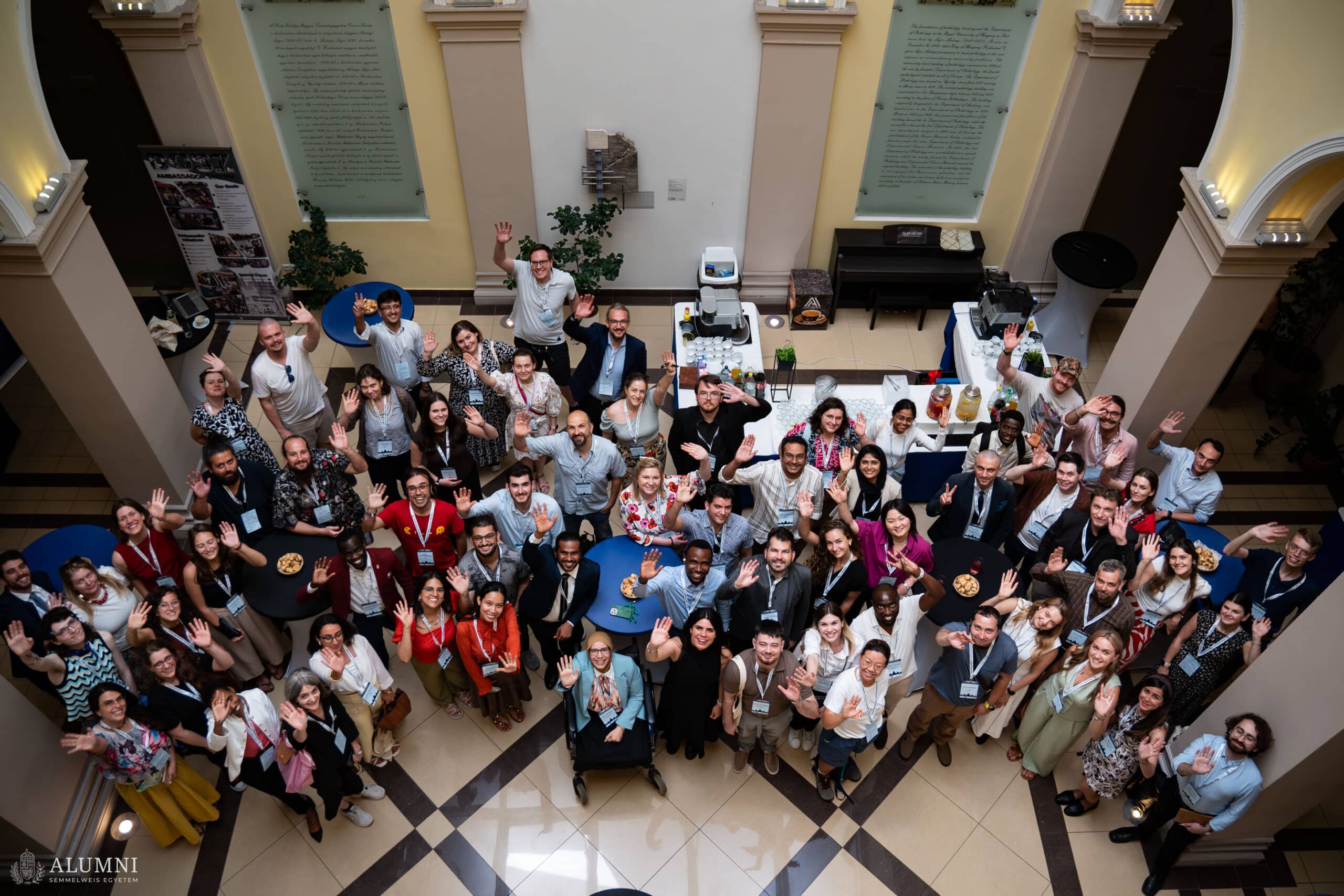
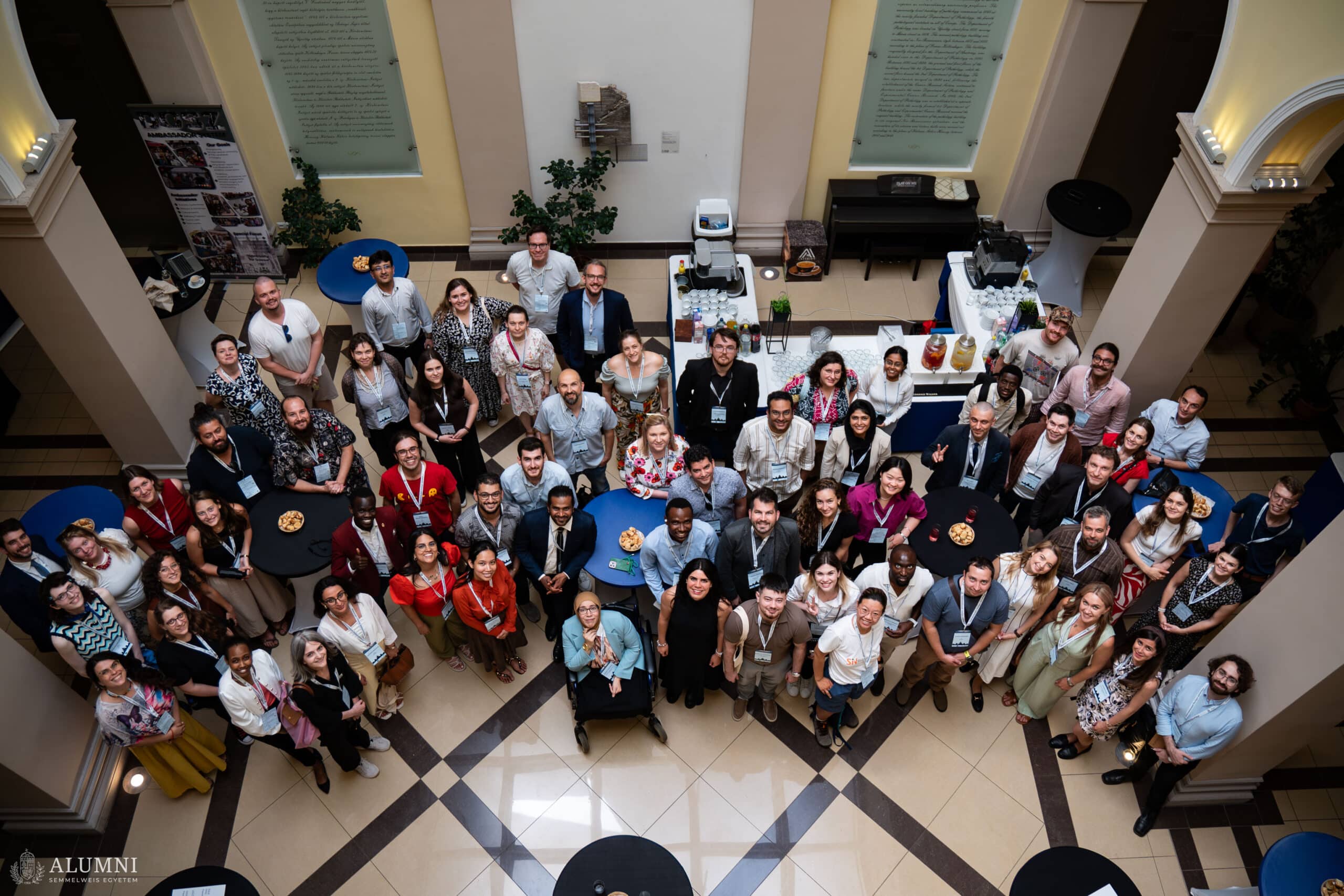
Semmelweis University hosted the EURODOC Annual Conference and Annual General Meeting (AGM) 2026, bringing together more than 100 doctoral candidates, early-career researchers, academic leaders, and policy experts from over 20 countries across Europe. The four-day event, organized jointly by EURODOC, the Association of Hungarian PhD and DLA Candidates (DOSZ), and the International Relations and Alumni Affair of Semmelweis University, is held under the theme “Early Career Researchers as Ambassadors for Science and Society,” highlighting the essential role of young researchers in shaping the future of European science, higher education, and innovation.
The opening ceremony was marked by welcoming remarks from distinguished representatives of the academic and research community. The conference was opened by Professor Péter Hermann, Vice-Rector for Educational Affairs at Semmelweis University, Nicola Dengo, President of EURODOC, Dr. Péter Vámosi, President of DOSZ, Professor Gábor Takács, Co-Chair of the National Doctoral Council of Hungary and Professor Enikő Kubinyi, Deputy State Secretary at the Ministry of Science and Technology.
Welcoming participants to Semmelweis University and Budapest, Professor Péter Hermann, Vice-Rector for Educational Affairs at Semmelweis University emphasized the university’s commitment to scientific excellence, international cooperation, and the development of future generations of researchers. Hosting EURODOC 2026 represents both a significant honour and a natural extension of the university’s mission. „We are proud that Semmelweis University has been selected to host this important European event,” he said, welcoming participants to both the university and Budapest. He underlined that Semmelweis University, with more than 250 years of history, is built on the integration of education, research, and patient care, and has become an internationally recognized centre of medical and scientific excellence. Professor Hermann also highlighted Budapest as a meeting point of science, culture and ideas. He expressed hope that participants would not only benefit from the scientific programme but also experience the city’s unique intellectual and cultural atmosphere, which has long served as a bridge between regions and scientific communities. He highlighted the importance of cooperation between EURODOC, DOSZ, and Semmelweis University, describing it as an example of how institutions can work together across borders, disciplines, and cultures. „Early-career researchers are not only the scientists of tomorrow; they are already active contributors to scientific discovery, innovation, education, and public engagement. In many ways, they are true ambassadors of science” he said. “In many ways, they are true ambassadors of science,” he concluded. He expressed confidence that the conference would generate “inspiring discussions, valuable new connections, and ideas that will continue to shape the future of research and doctoral education long after this meeting has concluded.”
Nicola Dengo, President of EURODOC, welcomed participants to the conference and thanked Semmelweis University for hosting the event and providing outstanding support. He also expressed his appreciation to the organisers for their dedication and hard work. Addressing the conference theme, “Early-Career Researchers as Ambassadors of Science and Society,” Dengo highlighted the importance of connection, translation, trust, and responsibility. He emphasized that early-career researchers act as ambassadors every day, carrying knowledge across disciplines, sectors, institutions, stakeholders, and languages. He concluded by underlining the essential role of researchers within the European knowledge ecosystem and their contribution to strengthening links between science and society.
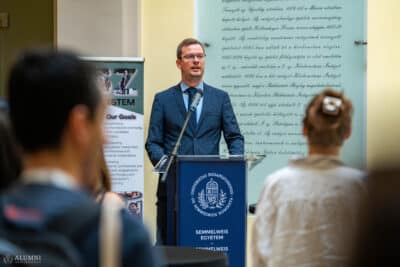
Dr. Péter Vámosi, President of DOSZ (the Association of Hungarian Doctoral Students) highlighted the vital role of early-career researchers as ambassadors between science and society, while drawing attention to the challenges many face. Dr. Vámosi emphasized the importance of international cooperation in doctoral education and research, praising the conference theme and the shared commitment to high-quality doctoral training across Europe. Concluding his remarks, Dr. Vámosi thanked Eurodoc, Semmelweis University, and the conference organizers, encouraging participants to strengthen collaboration and continue building a strong European community for science.
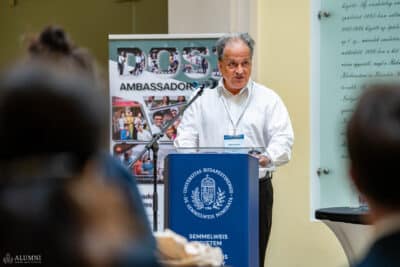
Referring to the conference programme, Professor Gábor Takács, Co-Chair of the National Doctoral Council of Hungary emphasized key topics affecting doctoral researchers, including academic freedom, knowledge creation, and the future of European research. He noted that researchers do more than conduct research: they ask challenging questions, contribute to decision-making, teach, participate in academic governance, and advance knowledge and understanding. He also stressed that research extends beyond university walls. Building public trust in science requires dialogue with society, and doctoral researchers play an important role in both sharing new knowledge and listening to societal concerns. Reflecting on the conference theme, “Early-Career Researchers as Ambassadors of Science and Society,” Takács described researchers as bridge-builders, connecting science with society, communities, and policymaking.
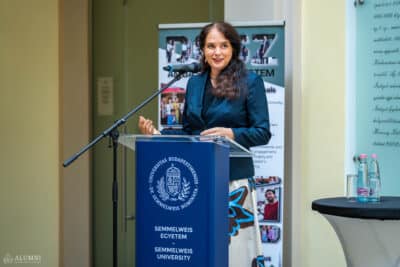
Enikő Kubinyi, Deputy State Secretary at the Ministry of Science and Technology, welcomed participants to Budapest and highlighted the vital role researchers play as ambassadors of science and society. Speaking from her experience as both an academic and a policymaker, she reflected on her own journey as a PhD student and the challenges that often accompany a research career. Kubinyi acknowledged that scientific progress is rarely a straightforward success story. Instead, it is shaped by setbacks, revisions, and perseverance. She encouraged early-career researchers to embrace these challenges, emphasizing that curiosity, discovery, and contributing to humanity’s collective knowledge make research a uniquely rewarding profession. She also recognized the increasing pressures faced by early-career researchers and outlined Hungary’s efforts to make research careers more attractive and predictable through stronger support systems and enhanced European cooperation. Concluding her address, Kubinyi encouraged participants to remain curious, ambitious, and supportive of one another, noting that the future of science will be shaped not only by groundbreaking discoveries but also by the people dedicated to pursuing them.
Following the official opening, the programme continued with keynote addresses and high-level discussions focusing on European research policy and academic freedom.Key themes included the reform of Europe’s research policy, mobility as a key component of Europe’s scientific ecosystem, academic freedom as a cornerstone of both research and democracy, mobility and career development pathways from Europe to Hungary, and policy instruments related to the ERA Act. The day concluded with closing reflections on strengthening European research cooperation and supporting early-career researchers.
Throughout the conference, participants emphasized that early-career researchers are not only contributors to science, but also key actors in shaping research systems, policy environments, and international cooperation. Discussions highlighted the need to better align responsibility with support, ensuring that young researchers have the institutional conditions required to fulfil their growing role in science and society.
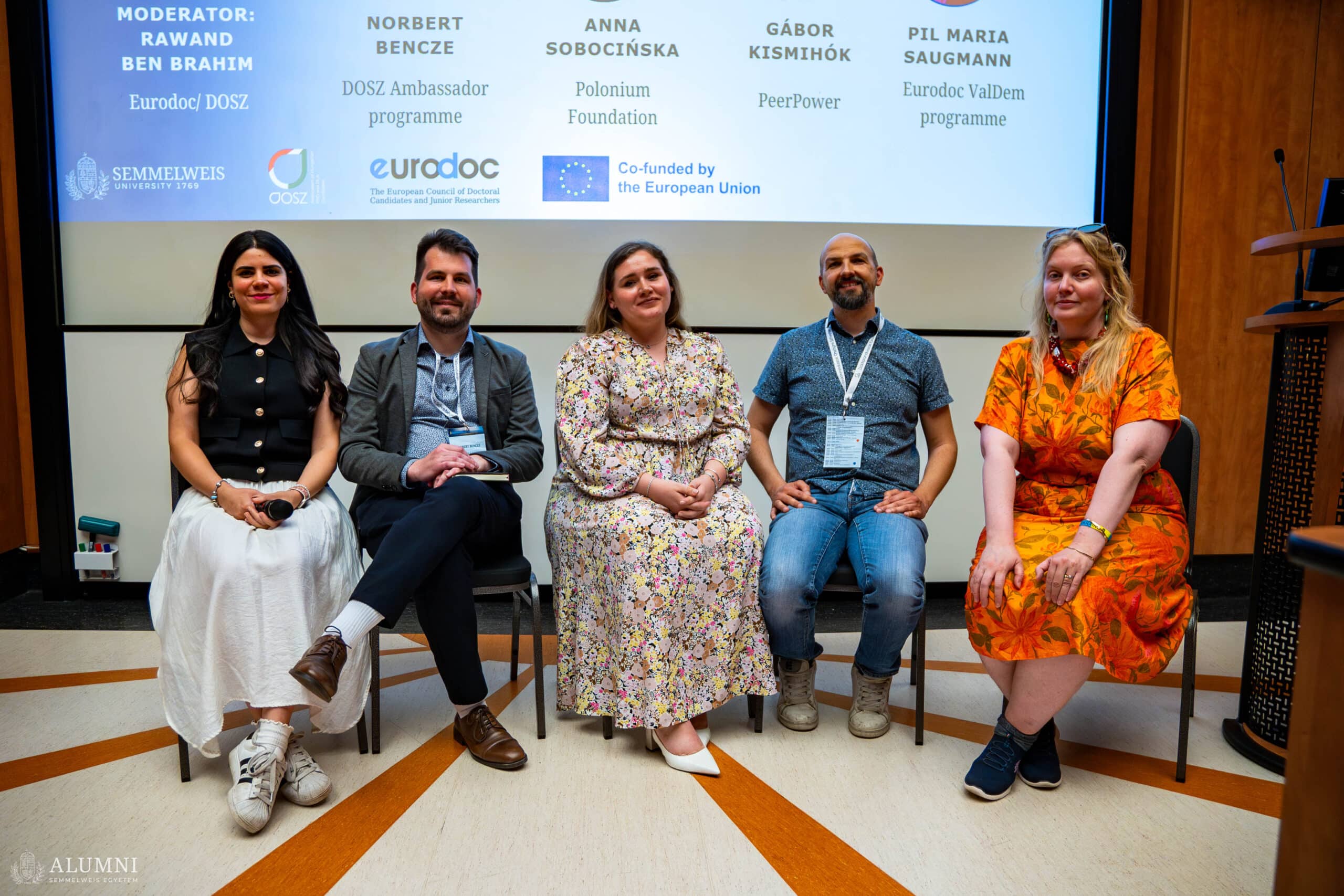
The second day focused on the role of early-career researchers in shaping academic institutions and strengthening research communities. Key programme elements included the challenges faced by international research communities, the involvement of early-career researchers in academic governance, the translation of policy into practice, the development of strong ECR communities, and existing networks and support programmes for researchers.
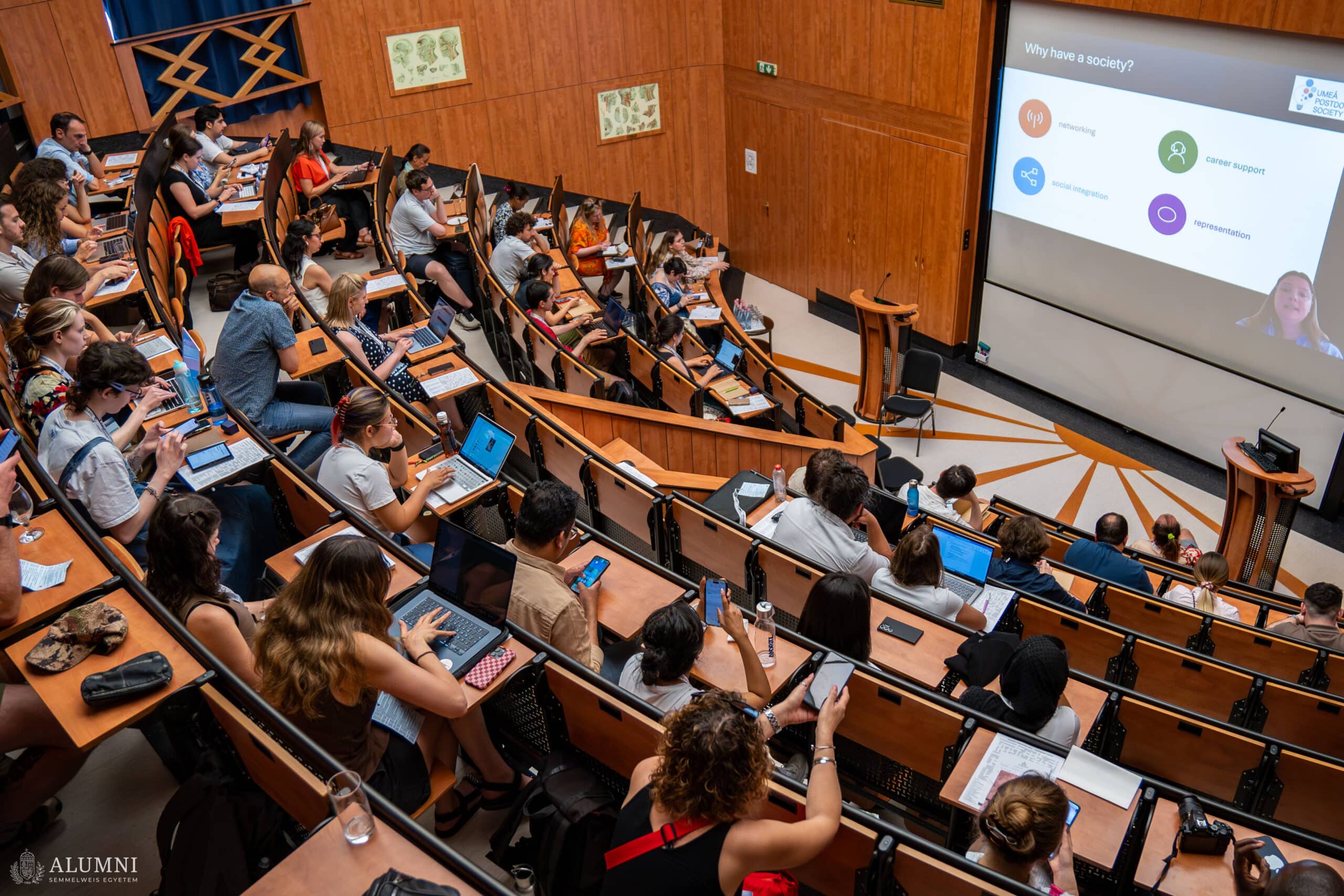
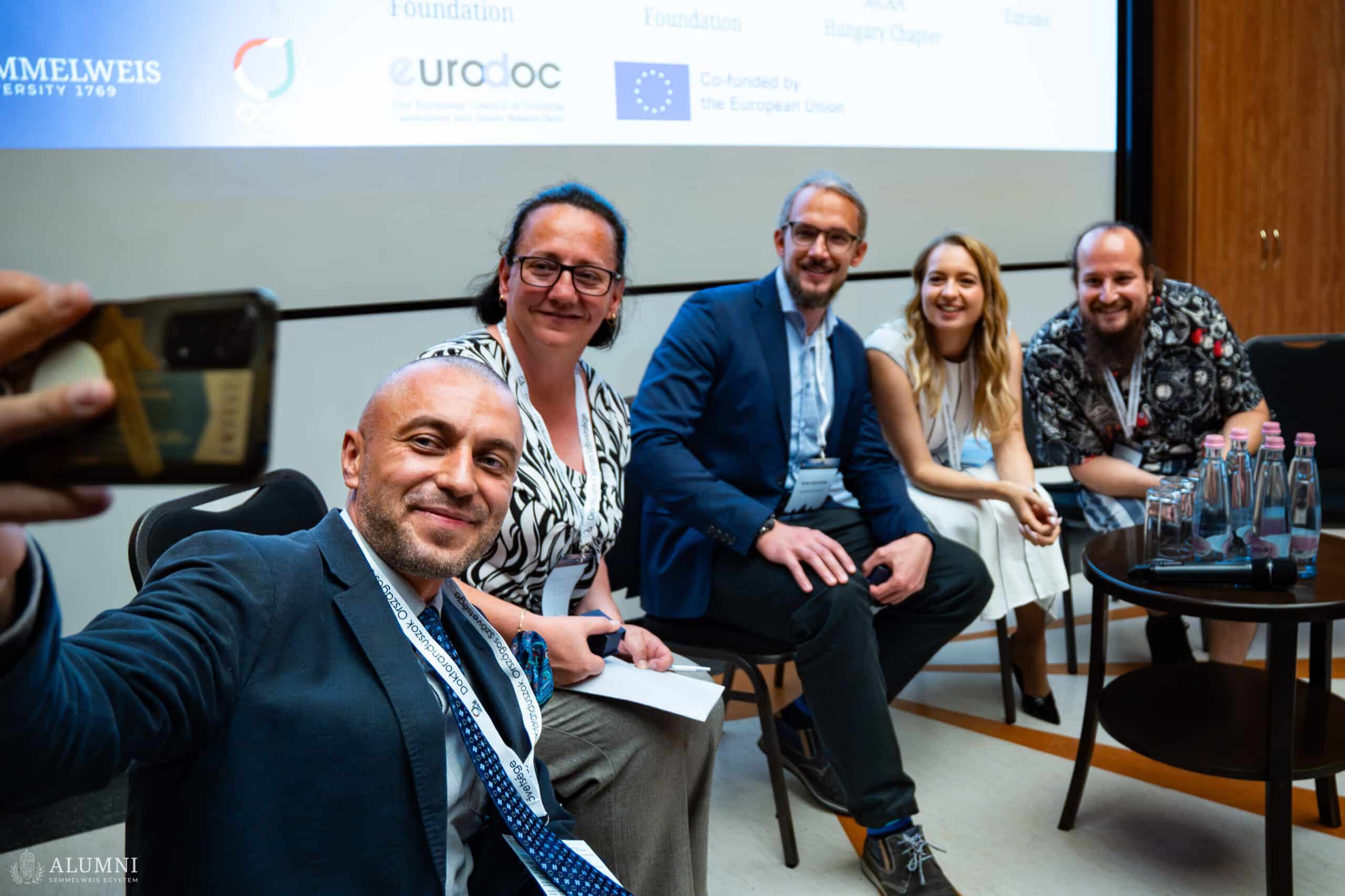
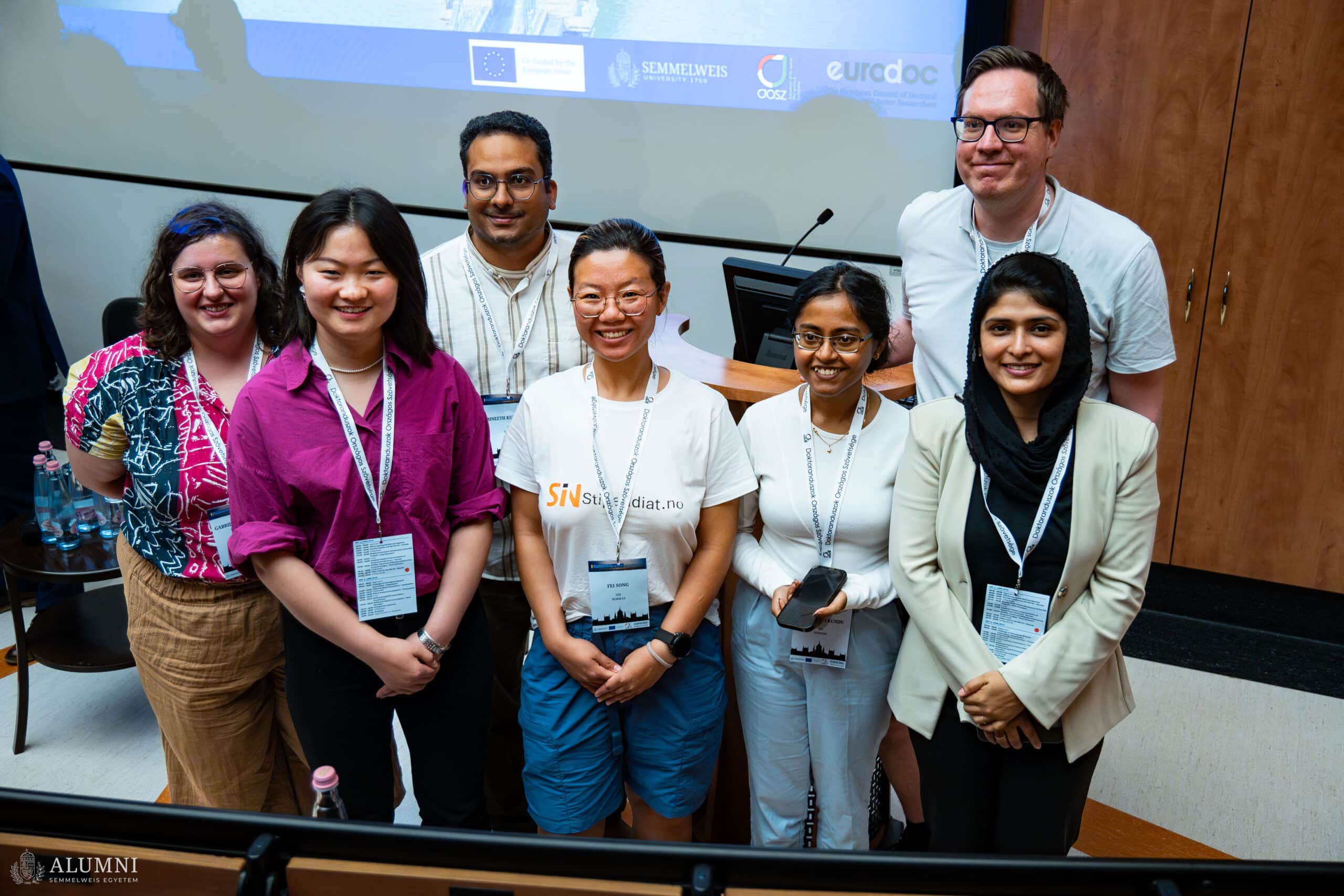
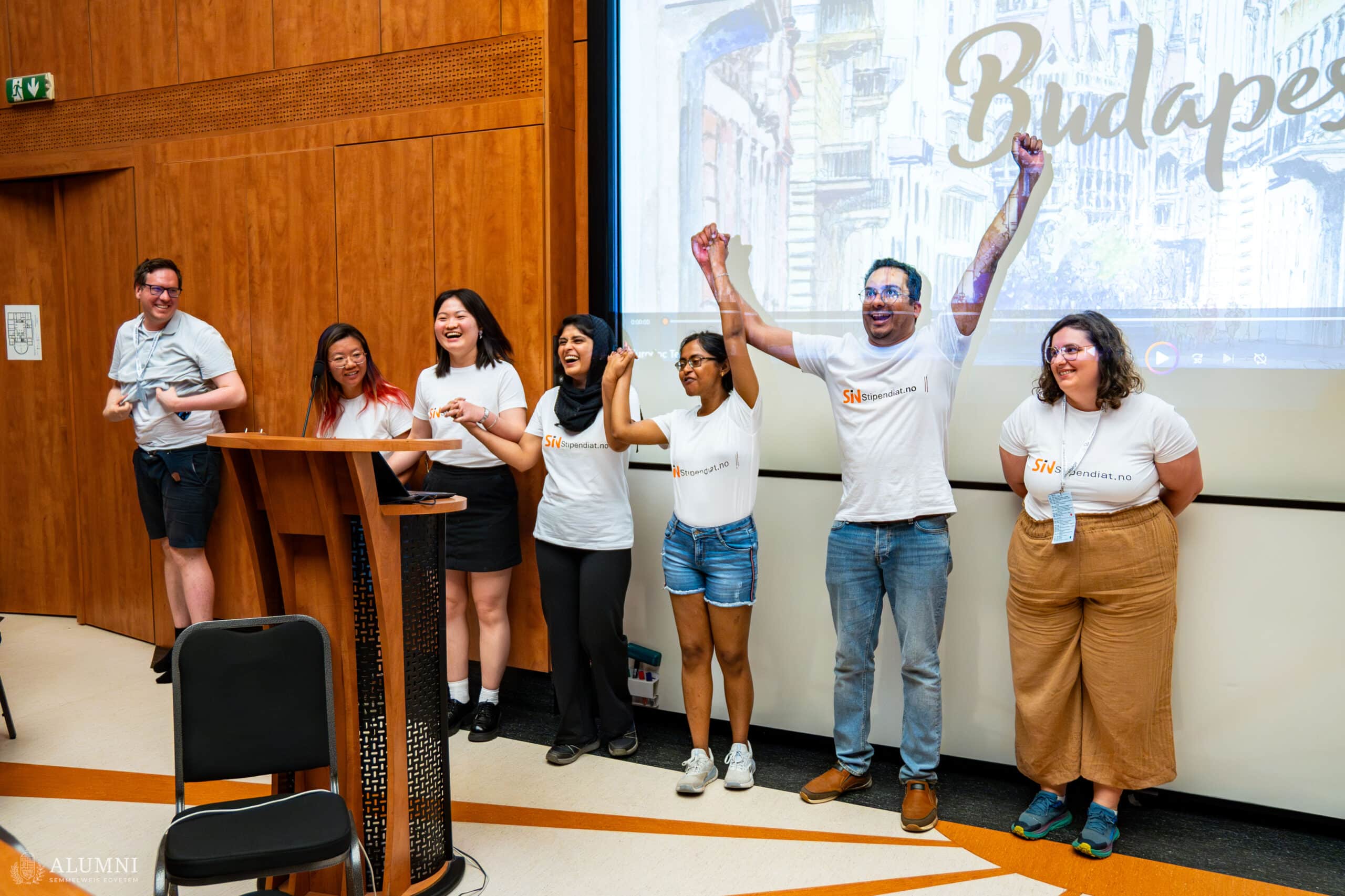
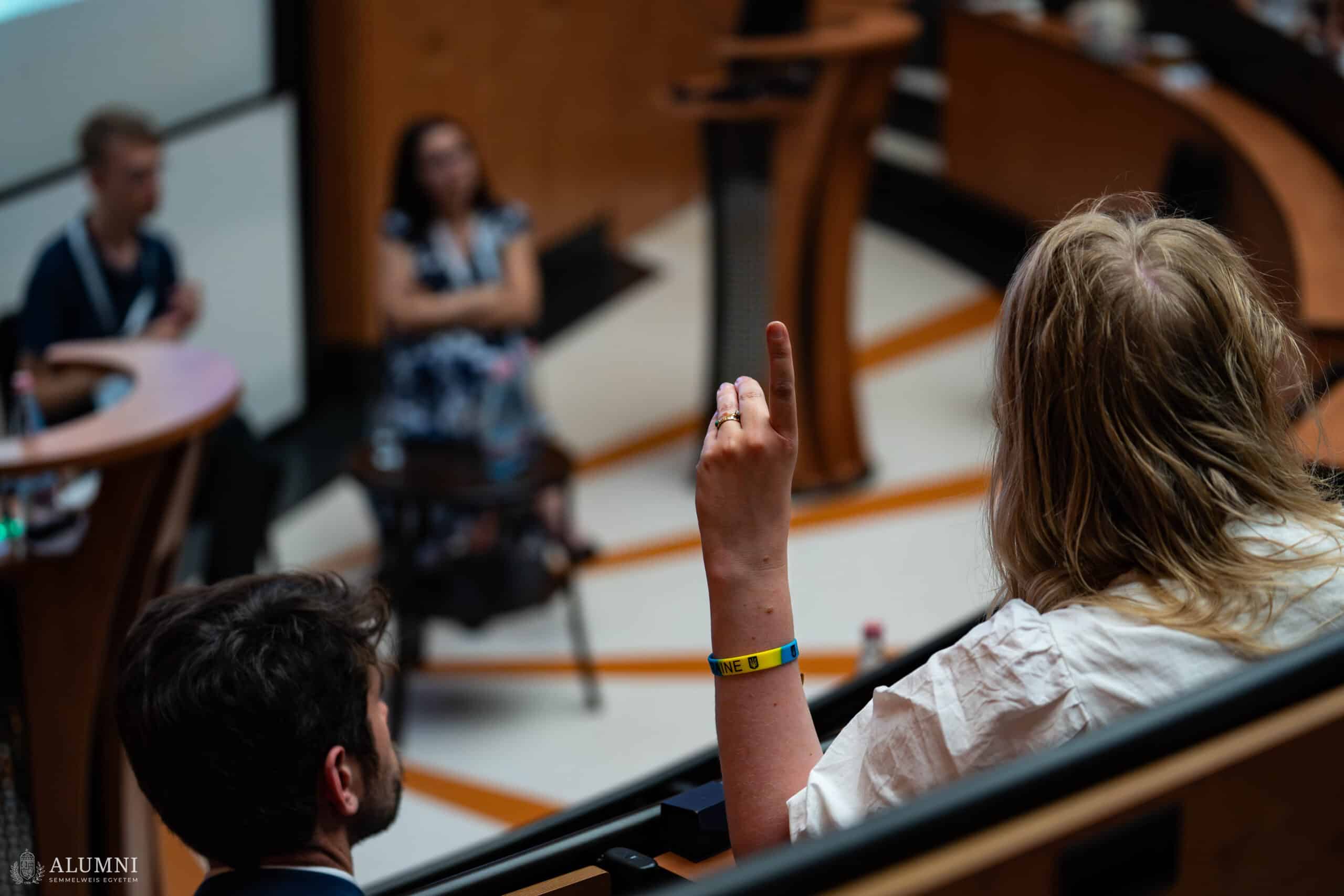
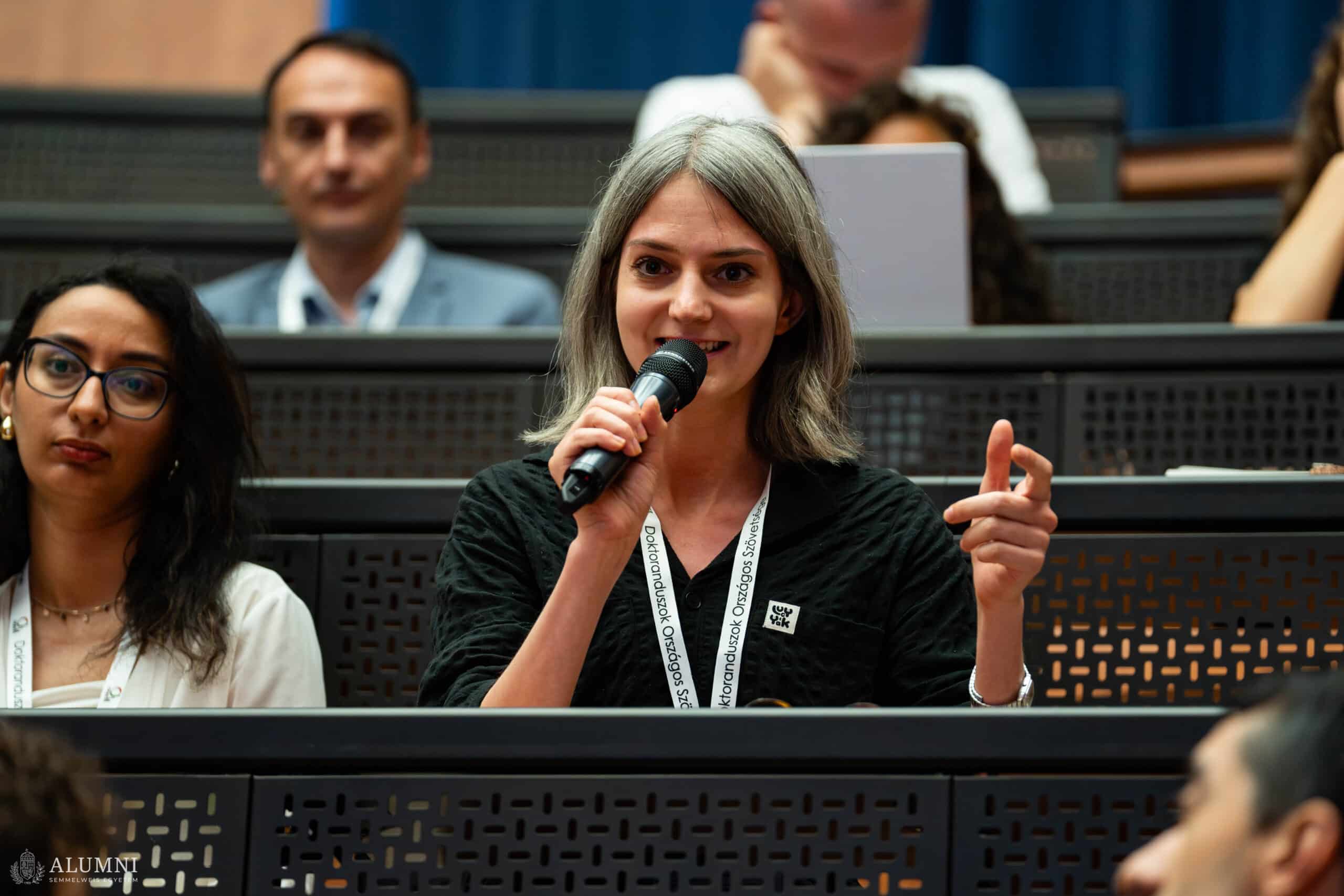
The conference also included interactive workshops aimed at strengthening collaboration, skills development, and professional networking among participants. Beyond the scientific programme, the event aims to strengthen international research communities and foster dialogue among researchers, academic institutions, policymakers, and professional organizations. Participants exchanged experiences, share best practices, and explore new opportunities for collaboration.
The conference was followed by the EURODOC Annual General Meeting.
As host of the 2026 event, Semmelweis University reaffirms its commitment to supporting scientific excellence, international engagement, and the professional development of early-career researchers. Bringing together participants from across Europe, the conference provides a platform for meaningful dialogue and cooperation while reinforcing Budapest’s and the Semmelweis University’s role as an important meeting point for the European research community.
The event was made possible with the support of Biotronik.
Gallery
15images