Thirty medical students from Guizhou Medical University participated in a two-week AI in Healthcare and Clinical Internship Program at Semmelweis University. The intensive course combined lectures and practical workshops on artificial intelligence with clinical observerships, research projects and academic presentations.
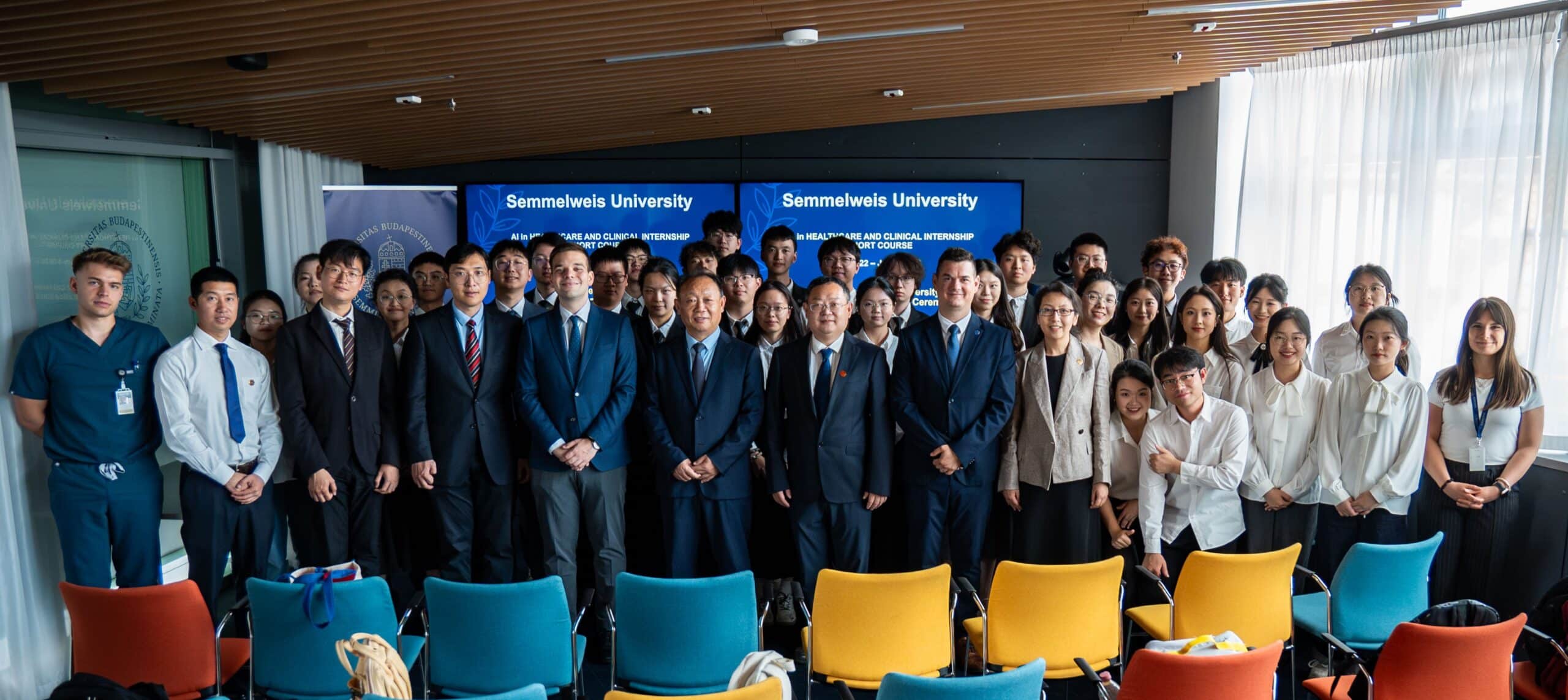
Organised by the Directorate of International Relations and Alumni Affairs of Semmelweis University, the program aimed to provide participants with a comprehensive introduction to the rapidly developing applications of artificial intelligence in healthcare and medical research. It also offered students first-hand insight into patient care, clinical decision-making and the everyday work of medical professionals at Semmelweis University.
Guizhou Medical University is an important medical higher education institution in China, providing education and conducting research in a wide range of medical and health sciences. The two-week program contributed to strengthening professional and academic relations between the two universities while creating new opportunities for future cooperation.
Artificial intelligence and digital research tools in medicine
During the first week, the students attended lectures and practical sessions organised primarily by the Institute of Biostatistics and Network Science at Semmelweis University. The academic program introduced participants to the foundations of artificial intelligence and machine learning, the analysis of medical data, and the evaluation and interpretation of AI models. The lectures also covered large language models, AI-supported processing of medical texts and clinical data, digital research tools, computer vision, and the role of knowledge graphs in healthcare.
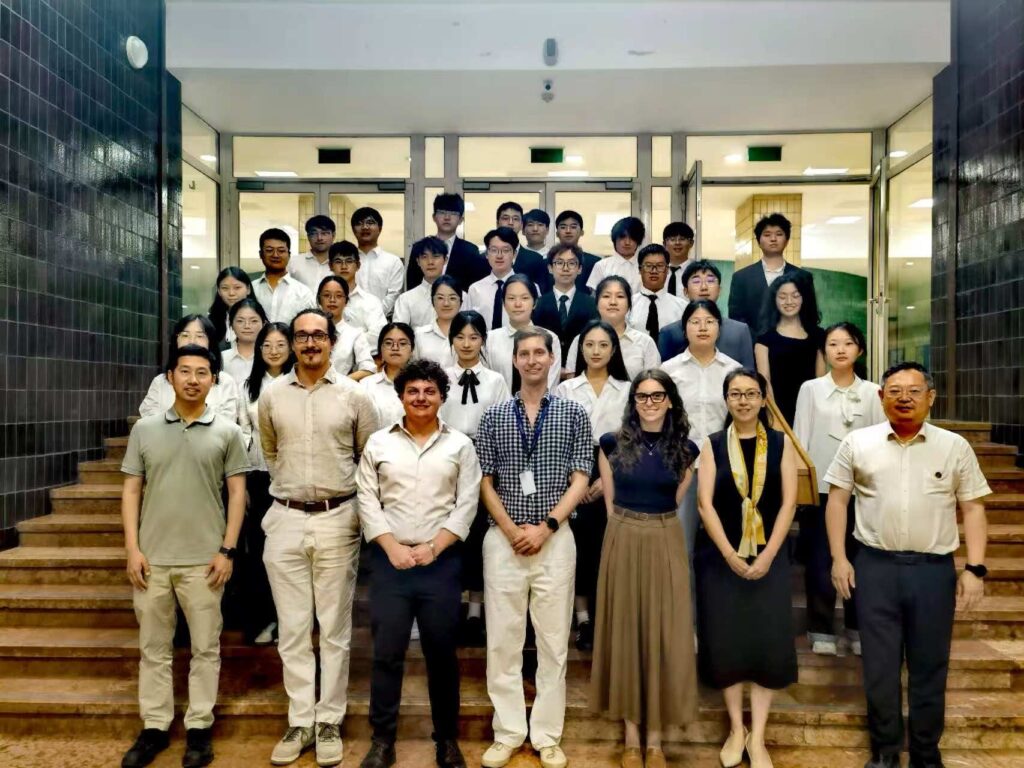
Particular attention was devoted to the responsible use of artificial intelligence in clinical and scientific environments. Students discussed issues such as data protection, patient safety, algorithmic bias, inaccurate or misleading AI-generated results, and the ethical and regulatory aspects of medical innovation. During the hands-on workshops, participants explored prompt design, structured processing of medical information, data visualisation and AI-supported research workflows. They also tested digital tools that can assist with literature searches, the organisation of scientific information and the preparation of research summaries.
The program also included group research presentations delivered in English. The students presented their projects on the integration of artificial intelligence into medicine and answered questions from instructors and fellow participants. The presentations and subsequent feedback sessions supported the development of their academic communication, critical thinking and teamwork skills.
Clinical experience at Semmelweis University
The second week focused on clinical training, namely a clinical observership at Semmelweis University’s three clinics: the Department of Neurosurgery, the Department of Intensive Therapy, and the Heart and Vascular Center.
The clinical visits gave them an opportunity to learn more about the organisation of patient care, multidisciplinary teamwork, clinical decision-making and the use of modern diagnostic and therapeutic procedures. Participants were able to observe the everyday work of Semmelweis University’s clinical departments and gain experience in an international medical environment.
Closing ceremony and certificate presentation
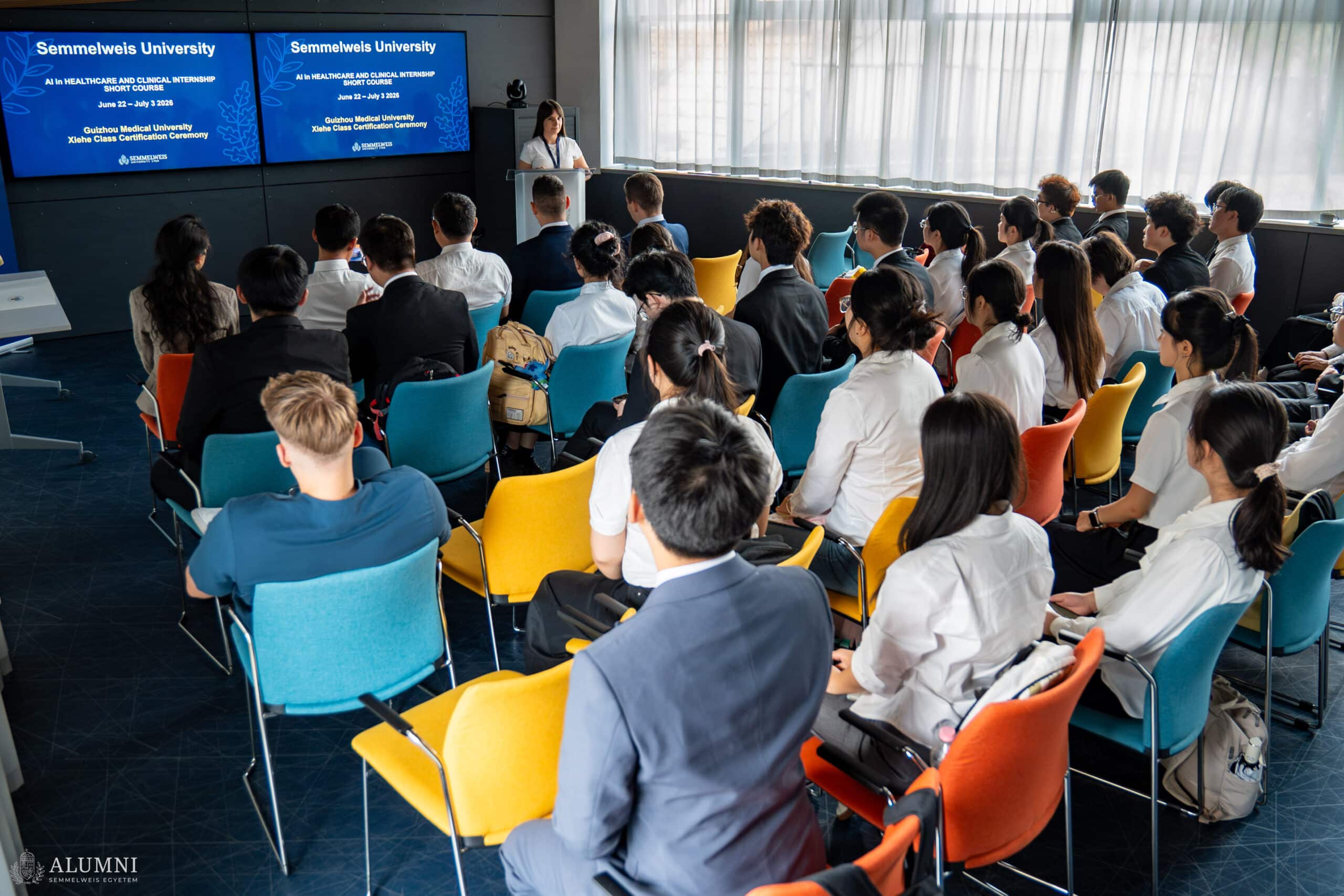
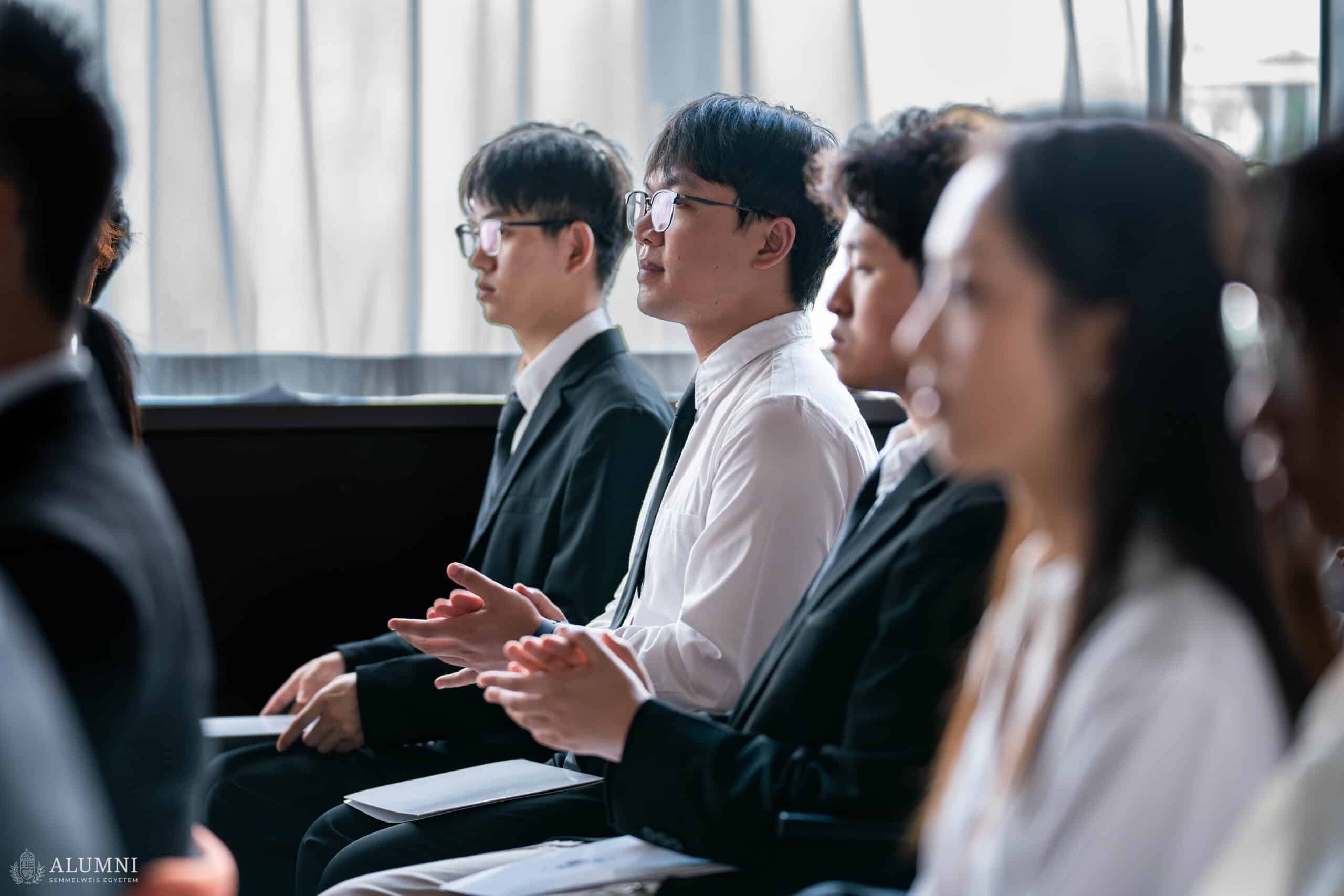
The two-week program concluded with an official certificate presentation ceremony attended by representatives of the Embassy of the People’s Republic of China in Hungary, Guizhou Medical University and Semmelweis University. The distinguished guests included Zhao Yongguo, Minister-Counsellor; Dr. Liwei Sun; Mu Mao, Associate Dean of the School of Clinical Medicine at Guizhou Medical University; Director Ren Wei; and Director Huang Bailin.
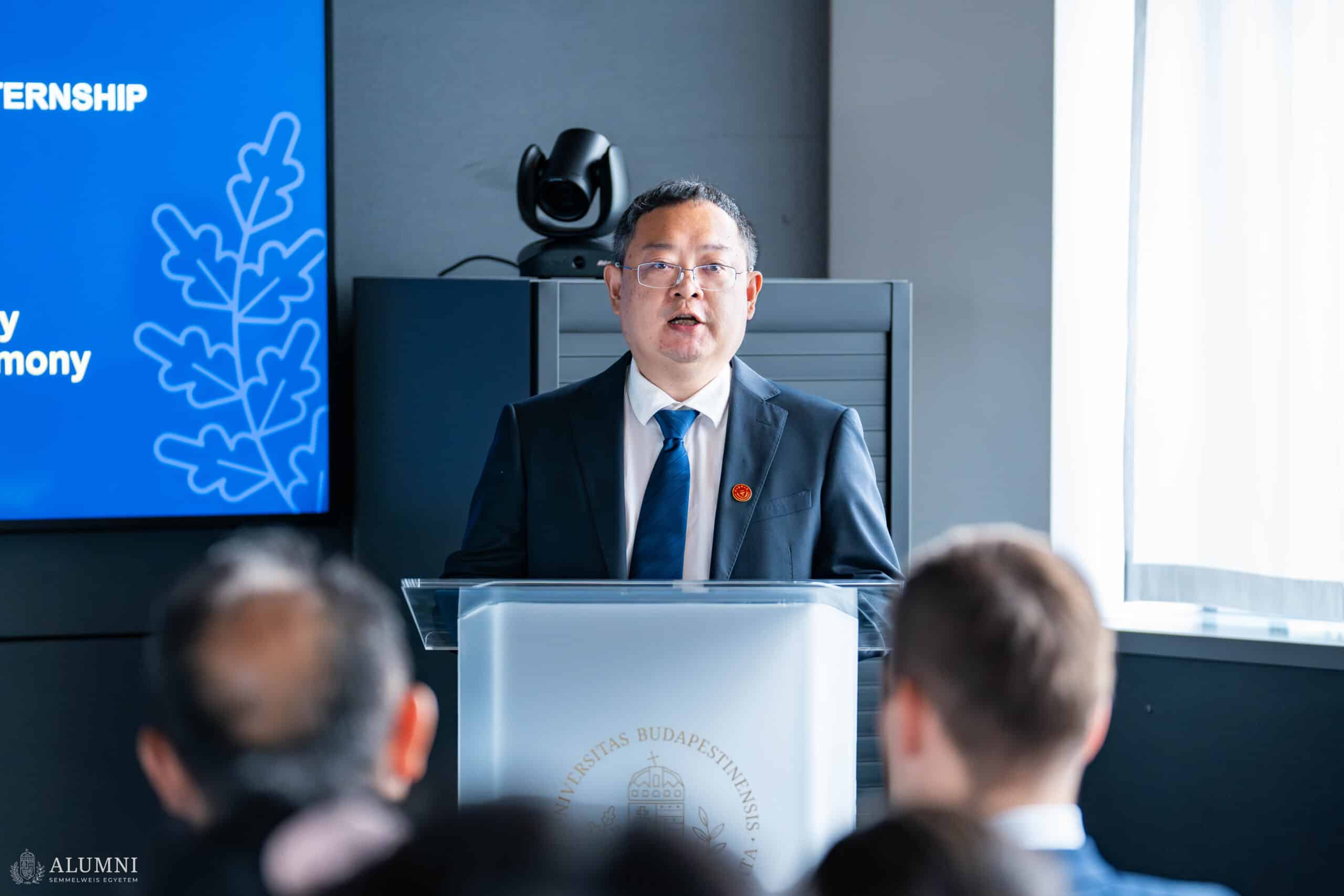
In his welcoming address, Minister-Counsellor Zhao Yongguo highlighted the importance of Chinese–Hungarian cooperation in higher education and healthcare. Speaking on behalf of Guizhou Medical University, Associate Dean Mu Mao expressed his gratitude to the faculty and staff of Semmelweis University for the professional guidance, thoughtful organisation and warm welcome provided during the two-week stay. He noted that the program had offered the students an immersive international learning experience combining advanced training in medical artificial intelligence, clinical practice and academic presentation skills. He also praised the participants for overcoming language barriers, taking an active part in professional discussions and demonstrating a diligent approach to their studies.
Gallery
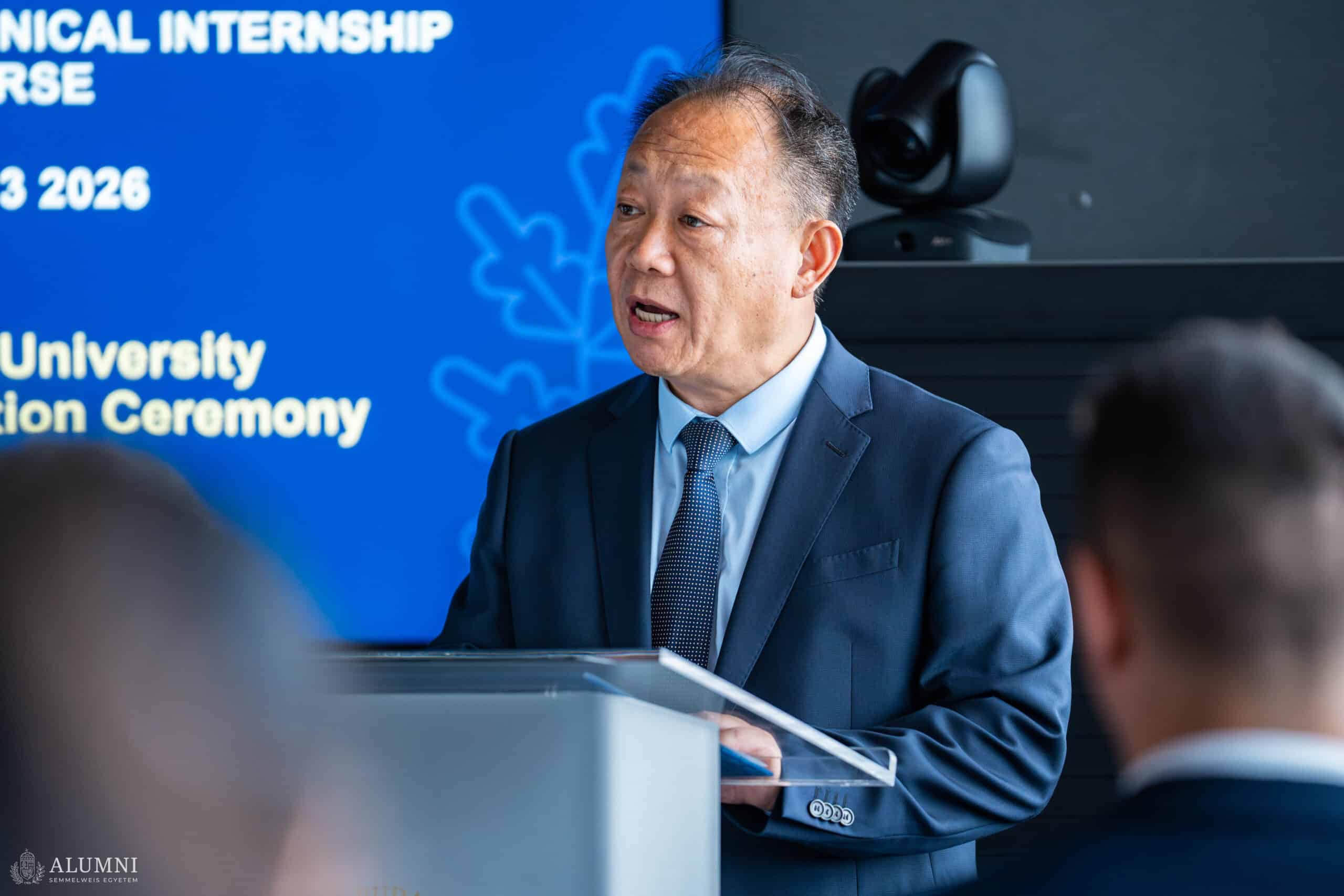
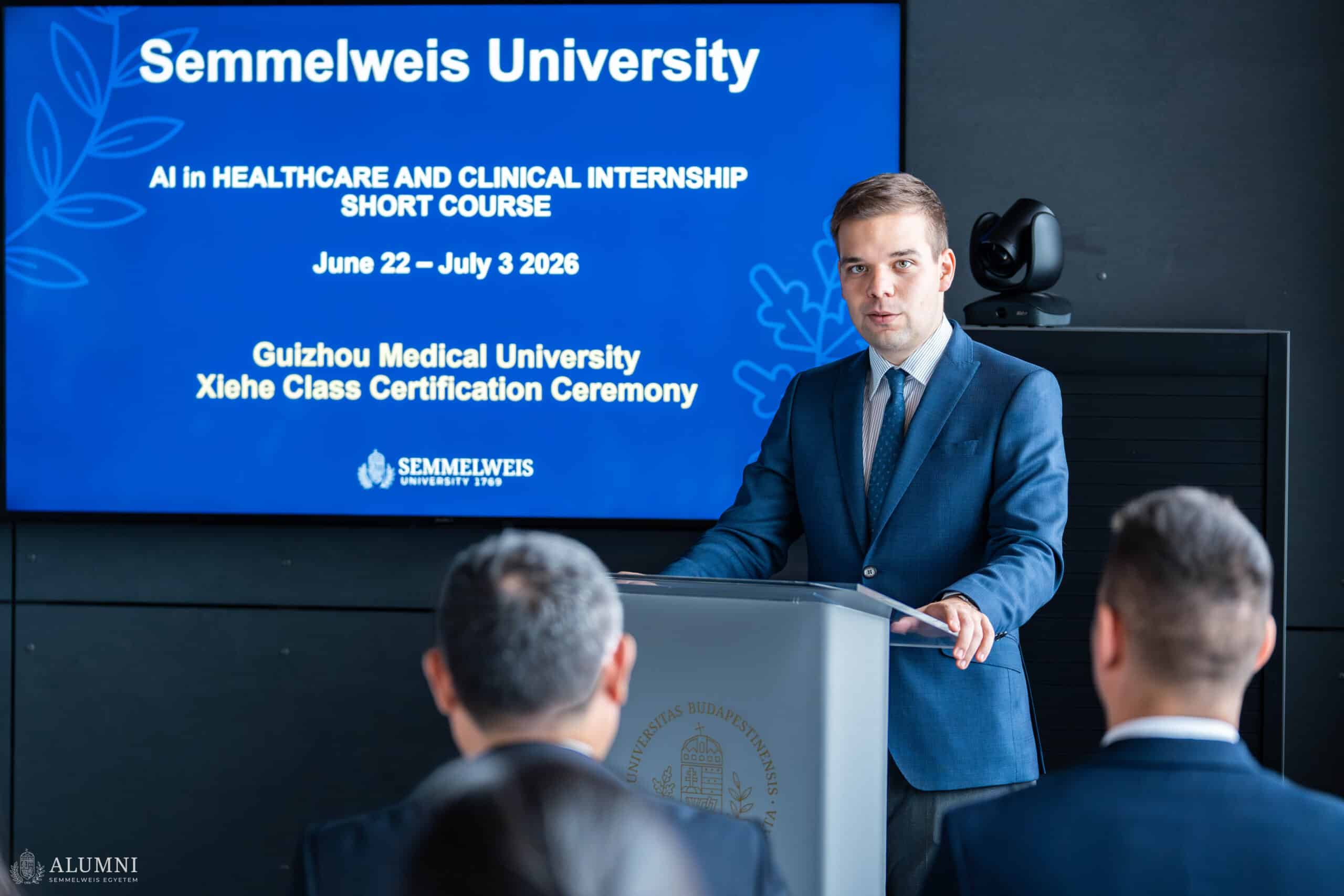
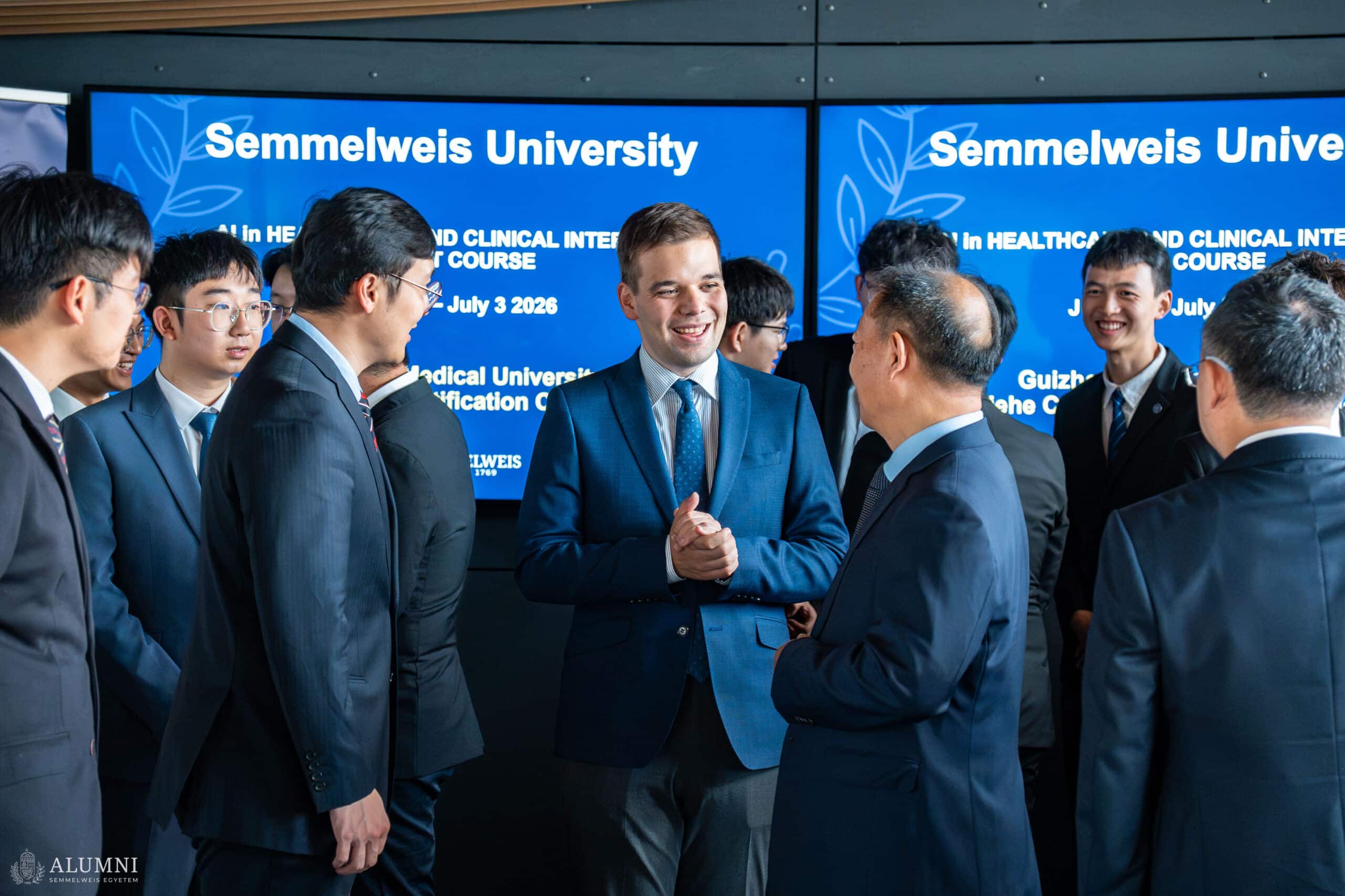
Dr. Tamás Hegedüs, Director of the Directorate of International Relations and Alumni Affairs, emphasised that programs of this kind provide not only new professional knowledge and experience but also build bridges between institutions, countries and future healthcare professionals. He highlighted the growing importance of international cooperation in medical education at a time when healthcare is becoming increasingly global, digital and interdisciplinary. Addressing the students, Dr. Hegedüs congratulated them on completing the demanding program and expressed his hope that the knowledge, experiences and professional connections they had gained at Semmelweis University would support their future studies and careers.
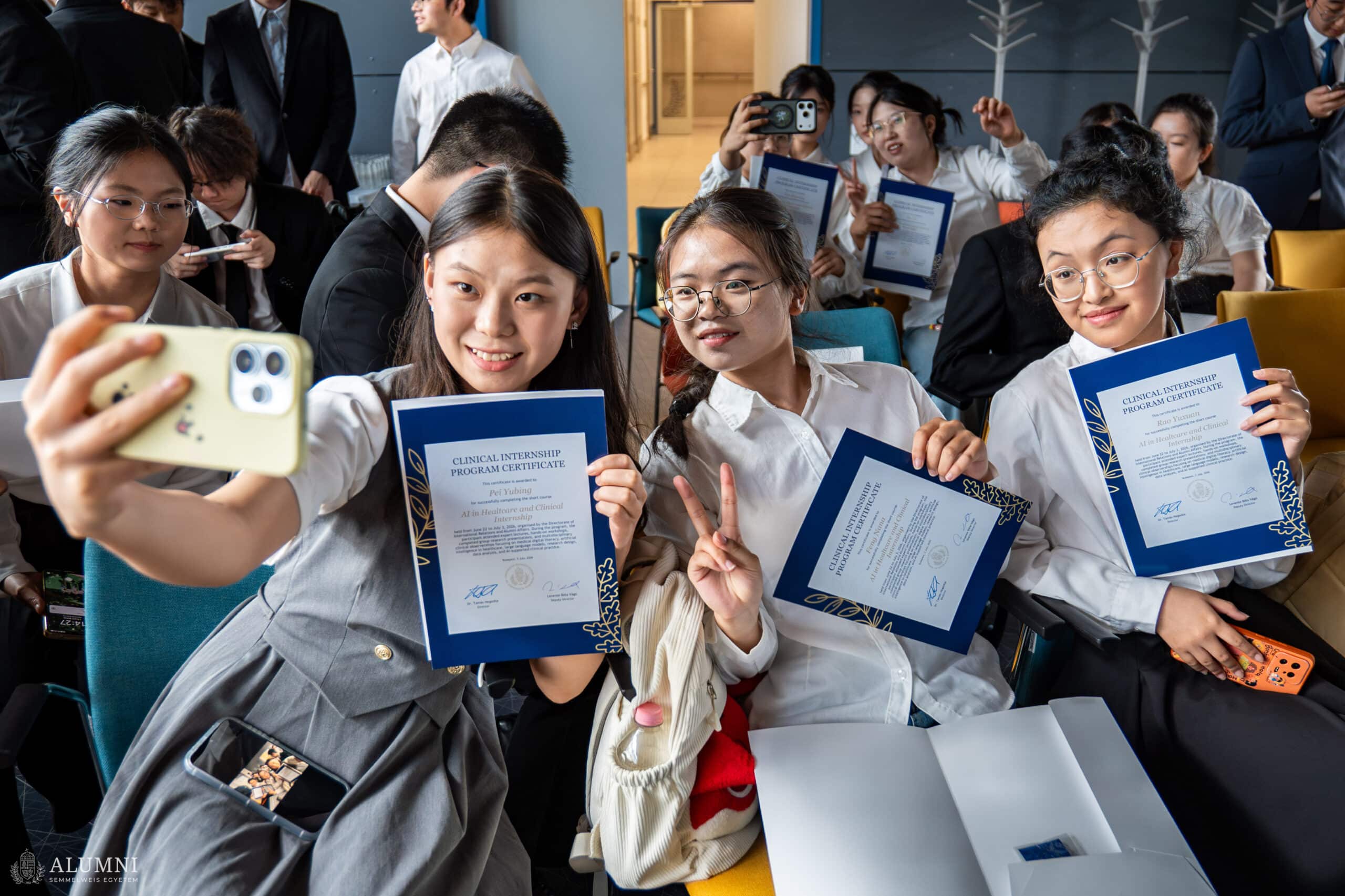
Following the speeches, the students received certificates recognising their successful completion of the program. The ceremony concluded with an informal reception, providing further opportunities for professional and personal exchange.
Representatives of both institutions expressed their hope that the program would provide a strong foundation for further educational, clinical and scientific cooperation between Semmelweis University and Guizhou Medical University.