Semmelweis University hosted its first BioAFM Summer School from 6–7 July 2026, bringing together an international group of PhD students and postdoctoral researchers for an intensive two-day introduction to atomic force microscopy (AFM) and its applications in biological research. Organised by the Department of Biophysics and Radiation Biology, the summer school combined theoretical lectures with extensive hands-on laboratory training.
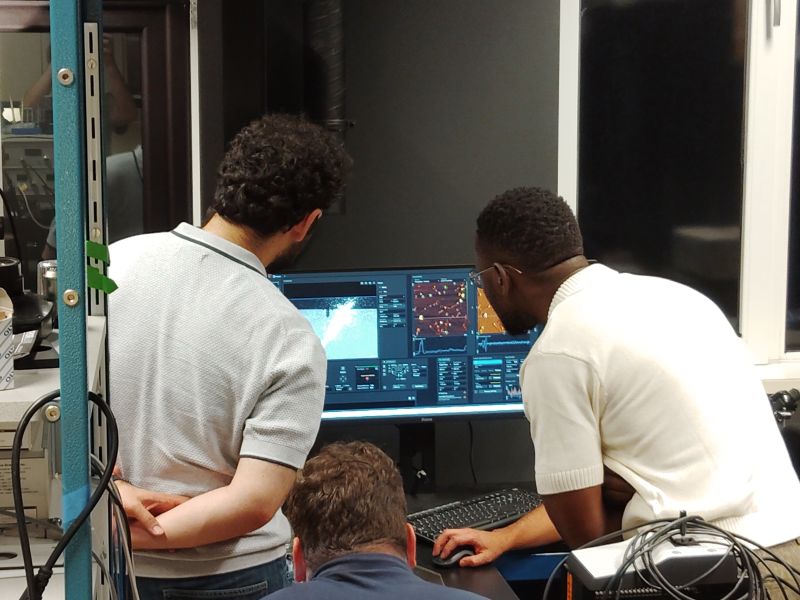
Atomic force microscopy has become an important tool in modern biological research, allowing researchers to investigate biological structures and processes at the nanoscale. Its applications range from imaging individual biomolecules and cells to studying molecular interactions and mechanical properties.
The first day of the summer school focused on the fundamentals and instrumentation of AFM. Interactive lectures introduced participants to the physical principles underlying atomic force microscopy, including elasticity, cantilever resonance and resonant frequency, as well as the principles of AFM imaging, different imaging modes and their biological applications. Particular attention was given to the investigation of biomolecules, including surface immobilisation techniques, measurements under dry and liquid conditions, and force spectroscopy.
The theoretical sessions were followed by laboratory exercises, during which participants could explore the principles of cantilever deflection and resonance and gain practical insight into surface topography measurements using an educational AFM model.
On the second day, the emphasis shifted towards practical measurements on biological samples. Participants gained first-hand experience in sample and surface preparation, cantilever placement and tuning, and basic AFM scanning. Biological samples used during the practical sessions included double-stranded DNA, titin and cells.
A particularly important element of the summer school was its hands-on format. Participants had the opportunity to perform measurements themselves and work directly with the instruments under the guidance of researchers from the Department of Biophysics and Radiation Biology. The program also introduced multimodal imaging approaches combining AFM with light microscopy techniques.
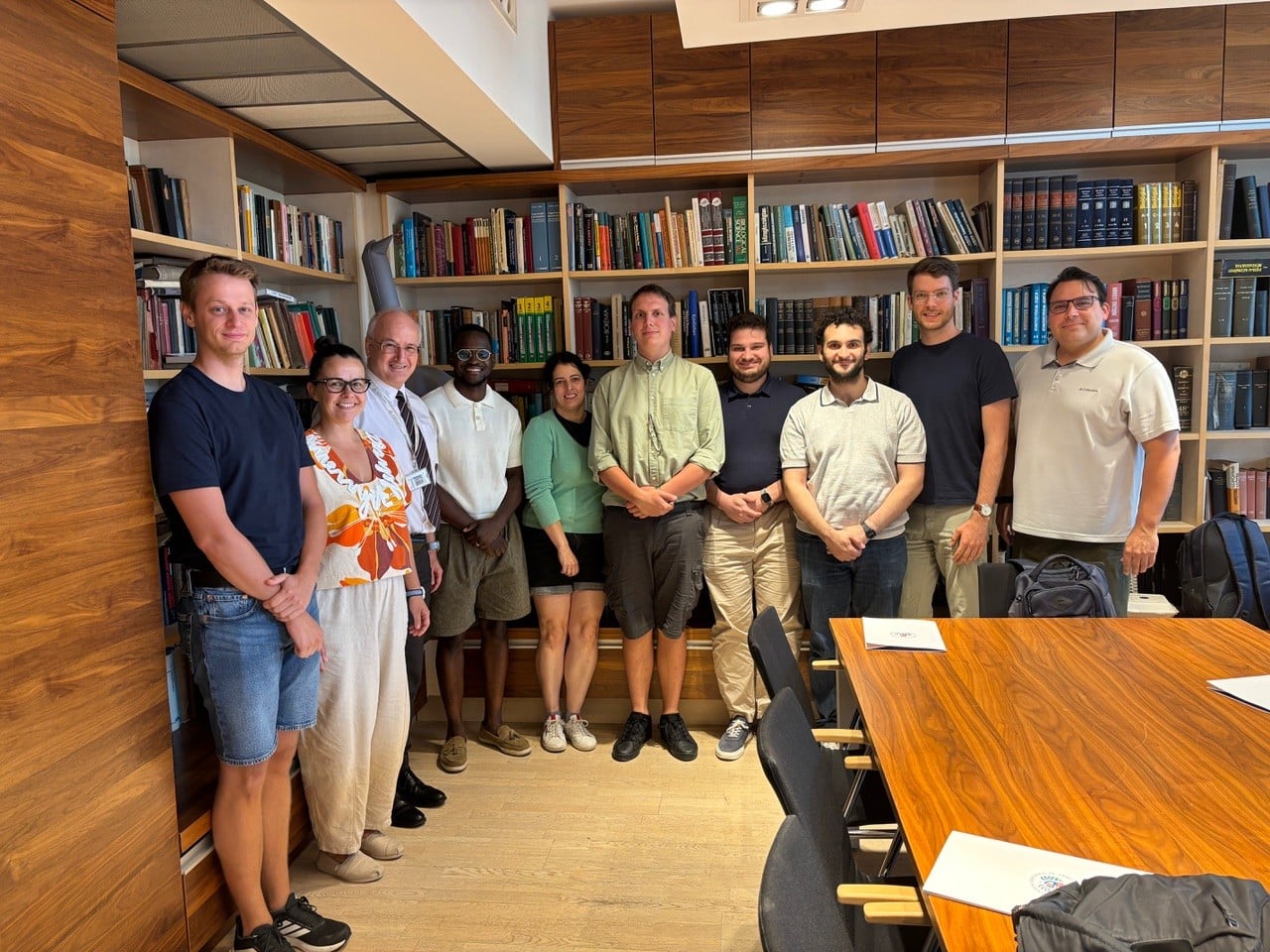
Gallery
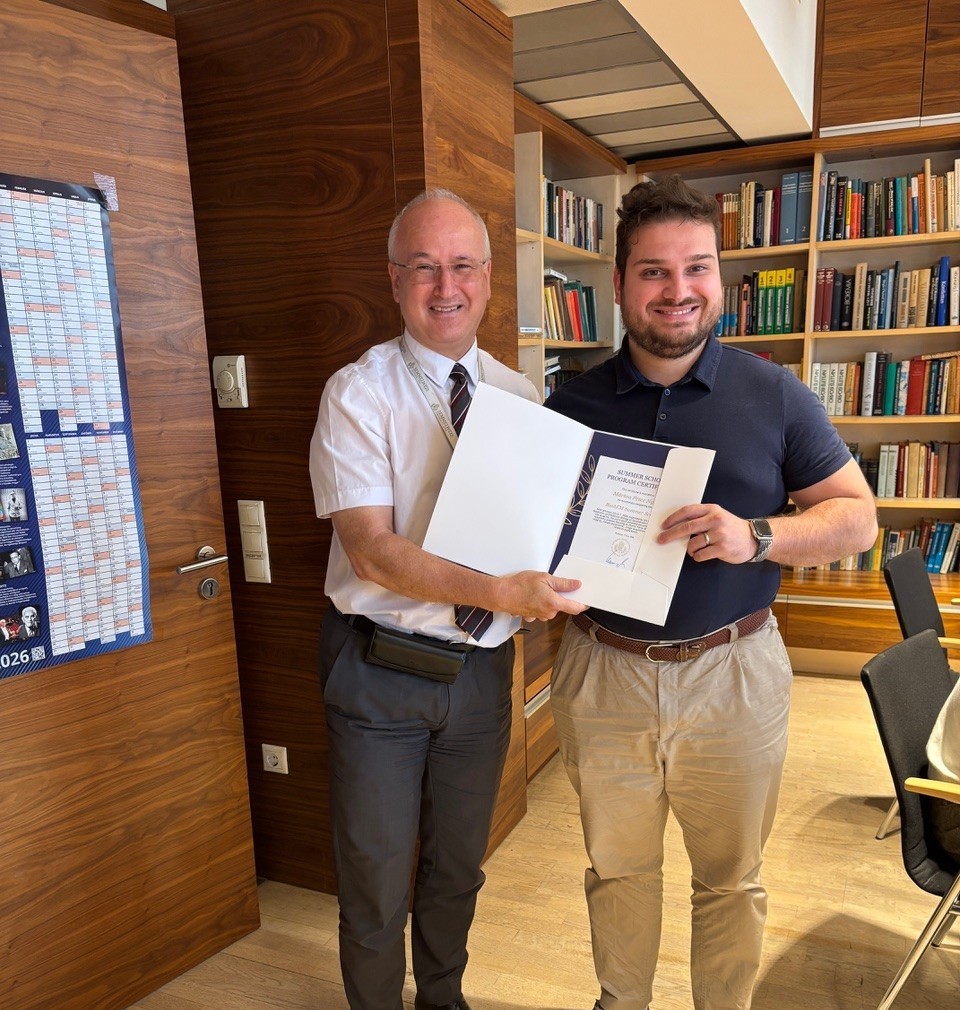
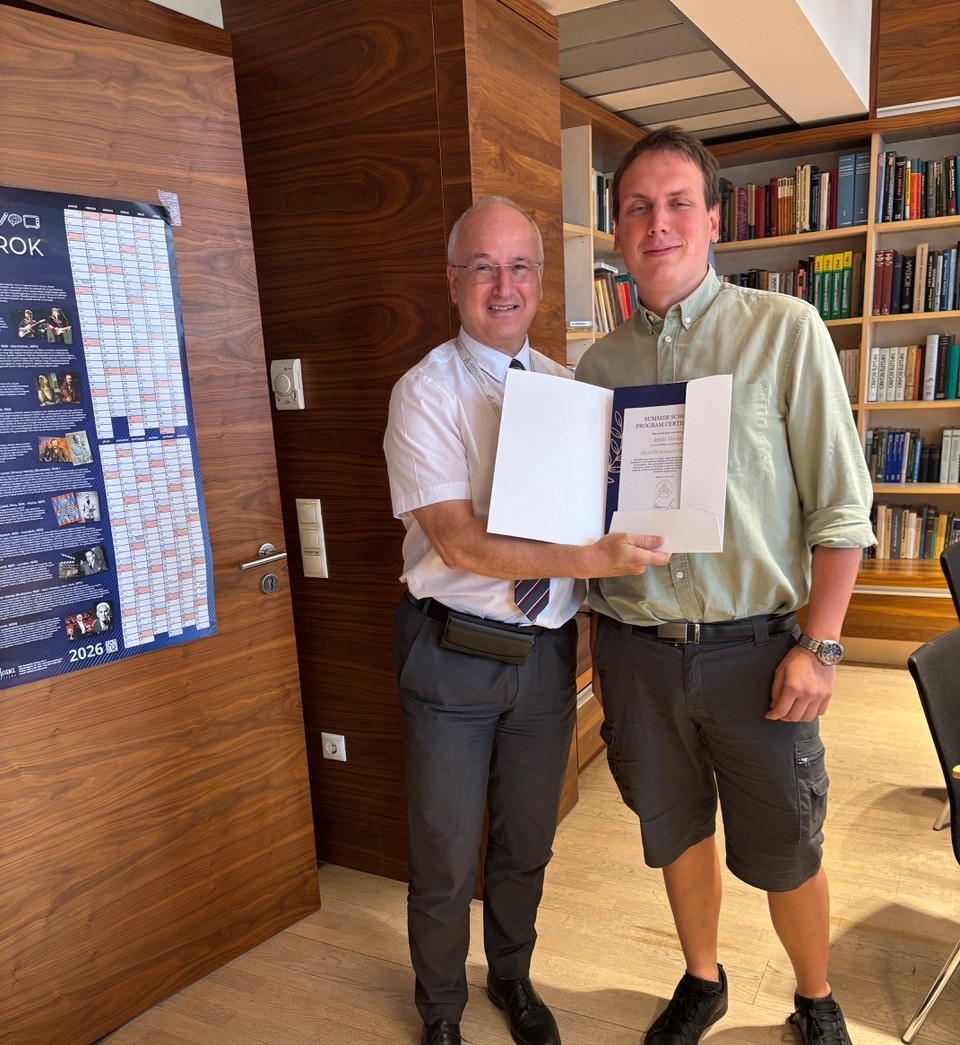
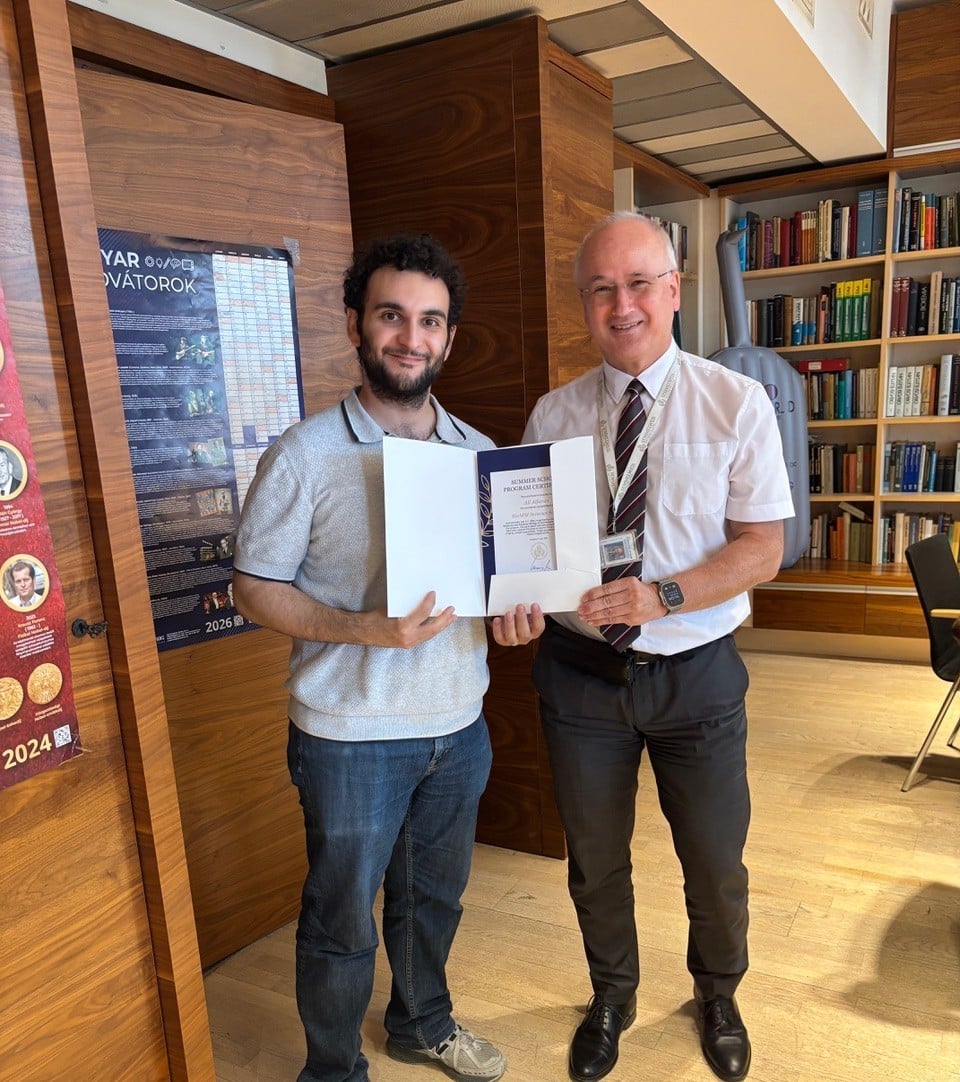
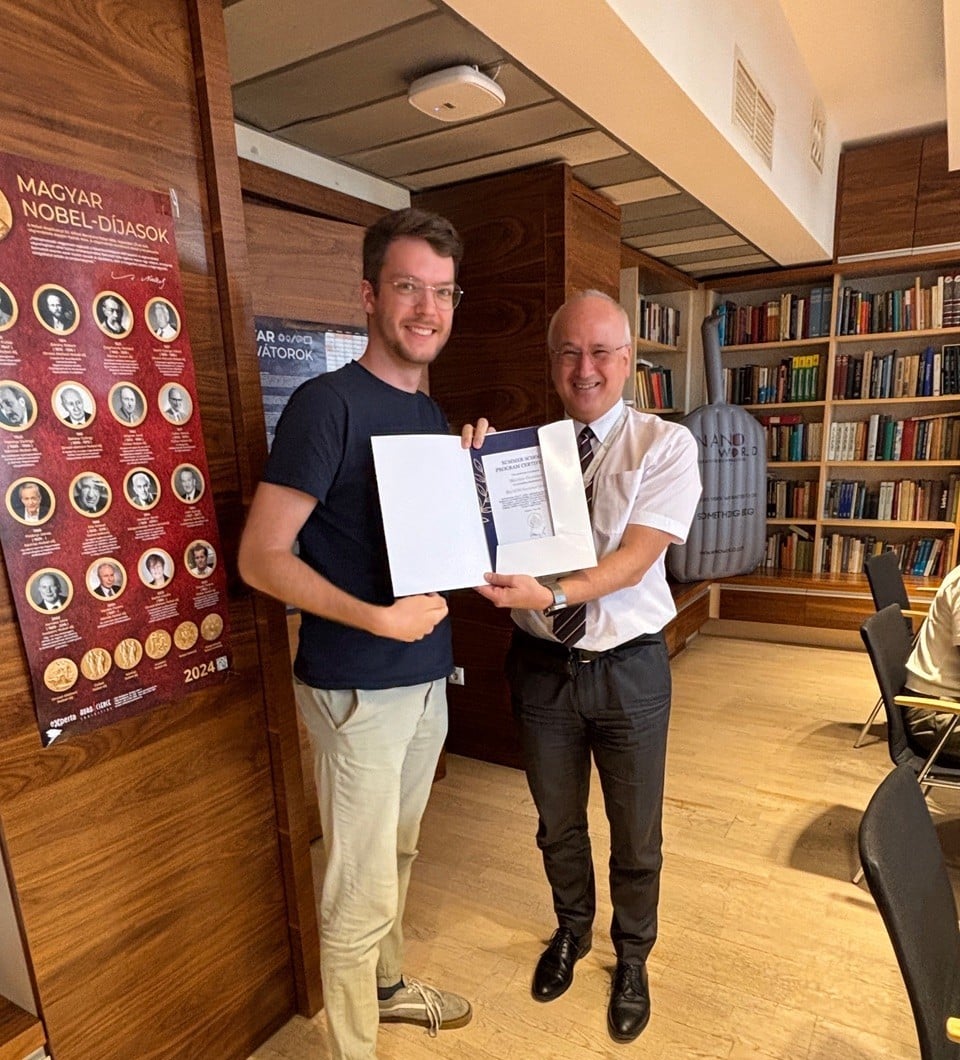
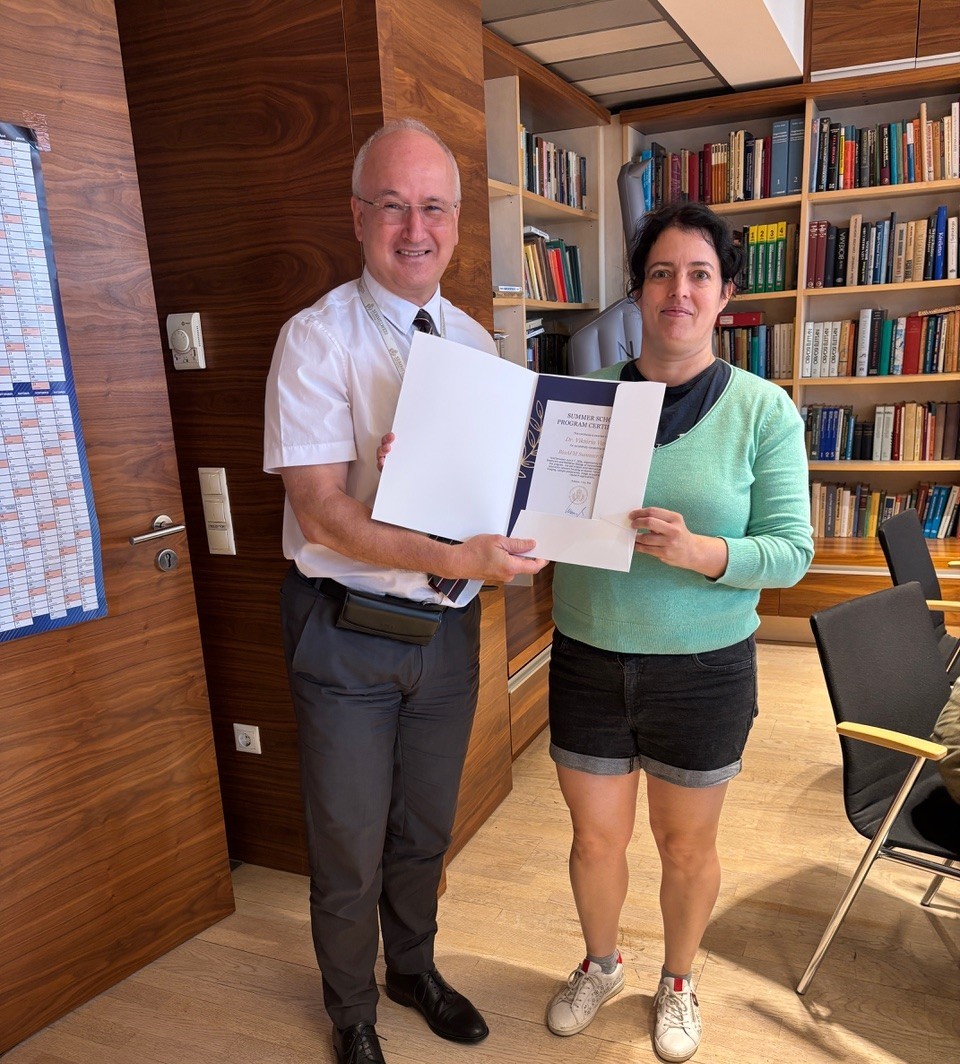
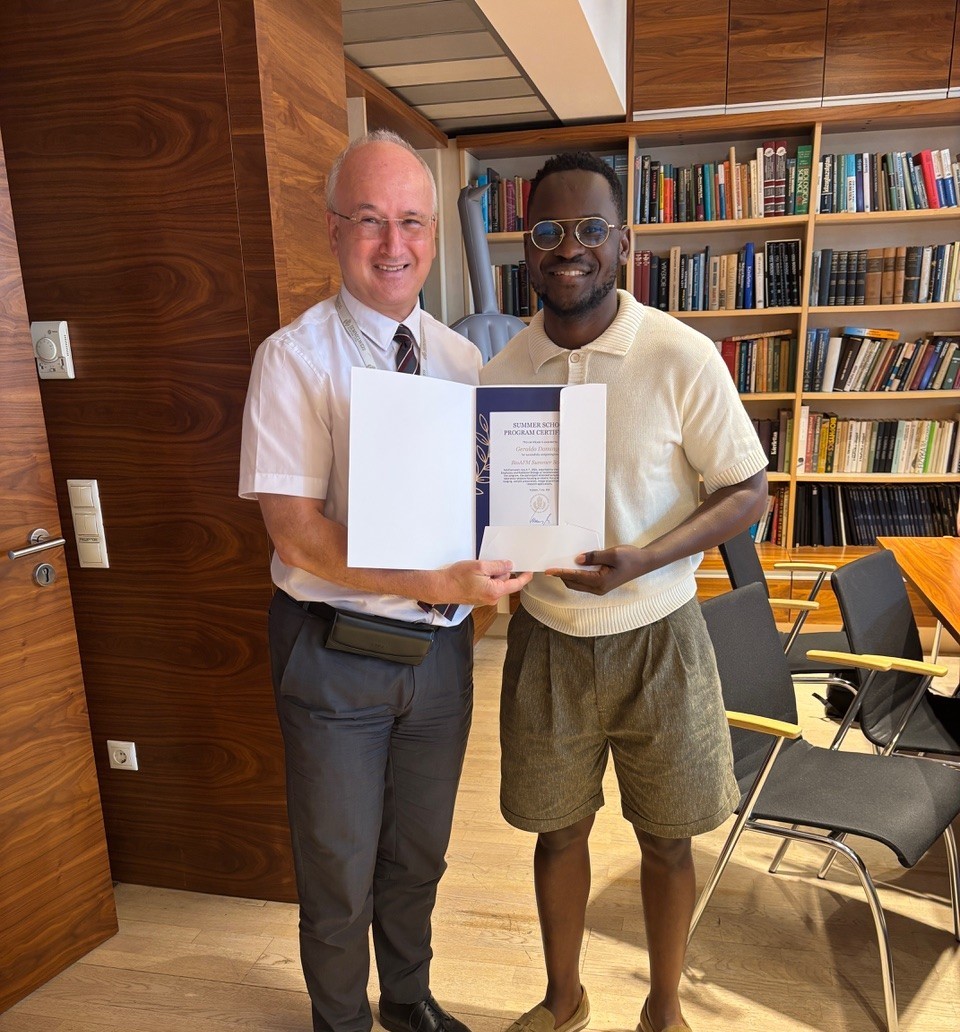
Beyond technical training, the summer school provided an opportunity for young researchers to exchange ideas, discuss their own research interests and establish new professional connections in an international environment. The two-day program concluded with an overview of current perspectives in biological atomic force microscopy. As the 2026 event marked the inaugural edition of the BioAFM Summer School, the organisers also invited participants to share their experiences and suggestions to help further develop the course. Based on the experience of the first edition, the Department of Biophysics and Radiation Biology plans to establish the short but intensive summer school as an annual scientific and educational program at Semmelweis University.
Images: Department of Biophysics and Radiation Biology