Current field of research:
The role of acute phase proteins focusing on fibrinogen in the pathomechanism and the treatment of breast cancer with modulated electro-hypertemia and of renal fibrosis induced by acute ischemic kidney damage.
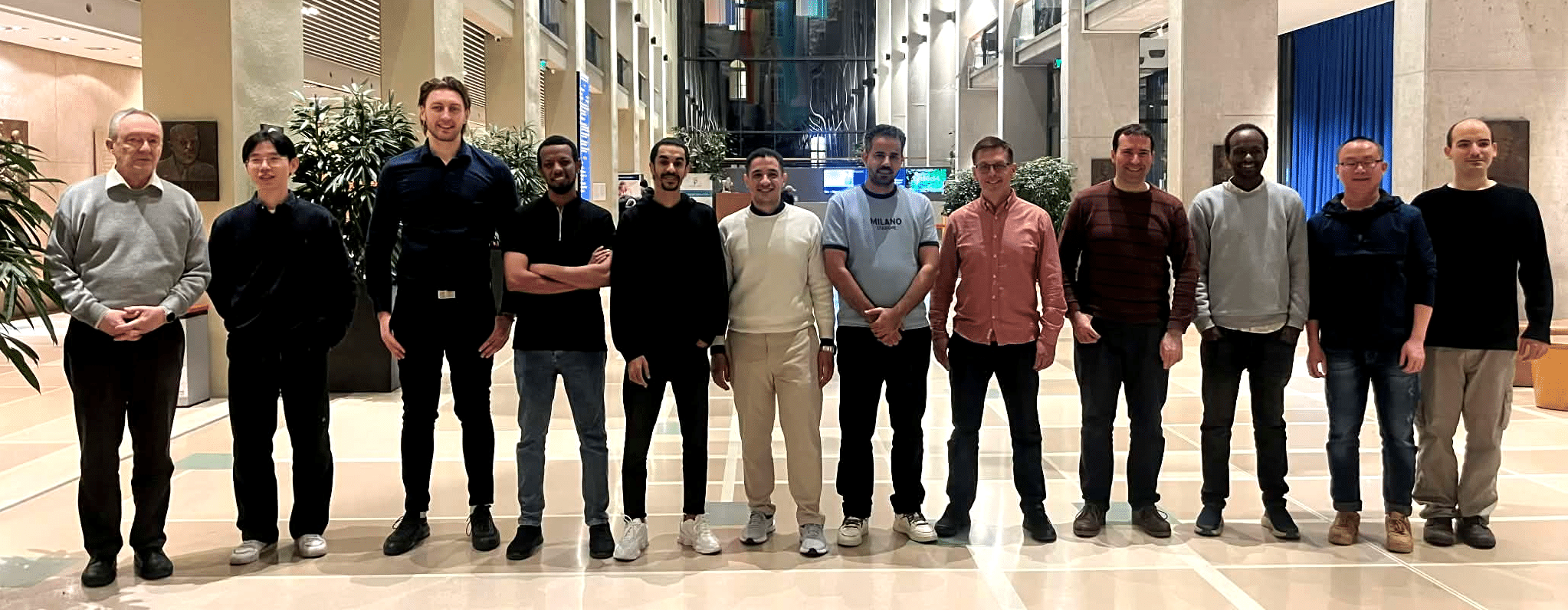
Szénási Gábor, Yibo Gu, Bócsi Dániel, Qusay Abdalla, Eslam Abdalalem, Mohamed Elsalahaty, Hakim Al-murshidy, Hamar Péter, Evan Santo, Ebsa Ahmed, Mingming He, Koós Zoltán
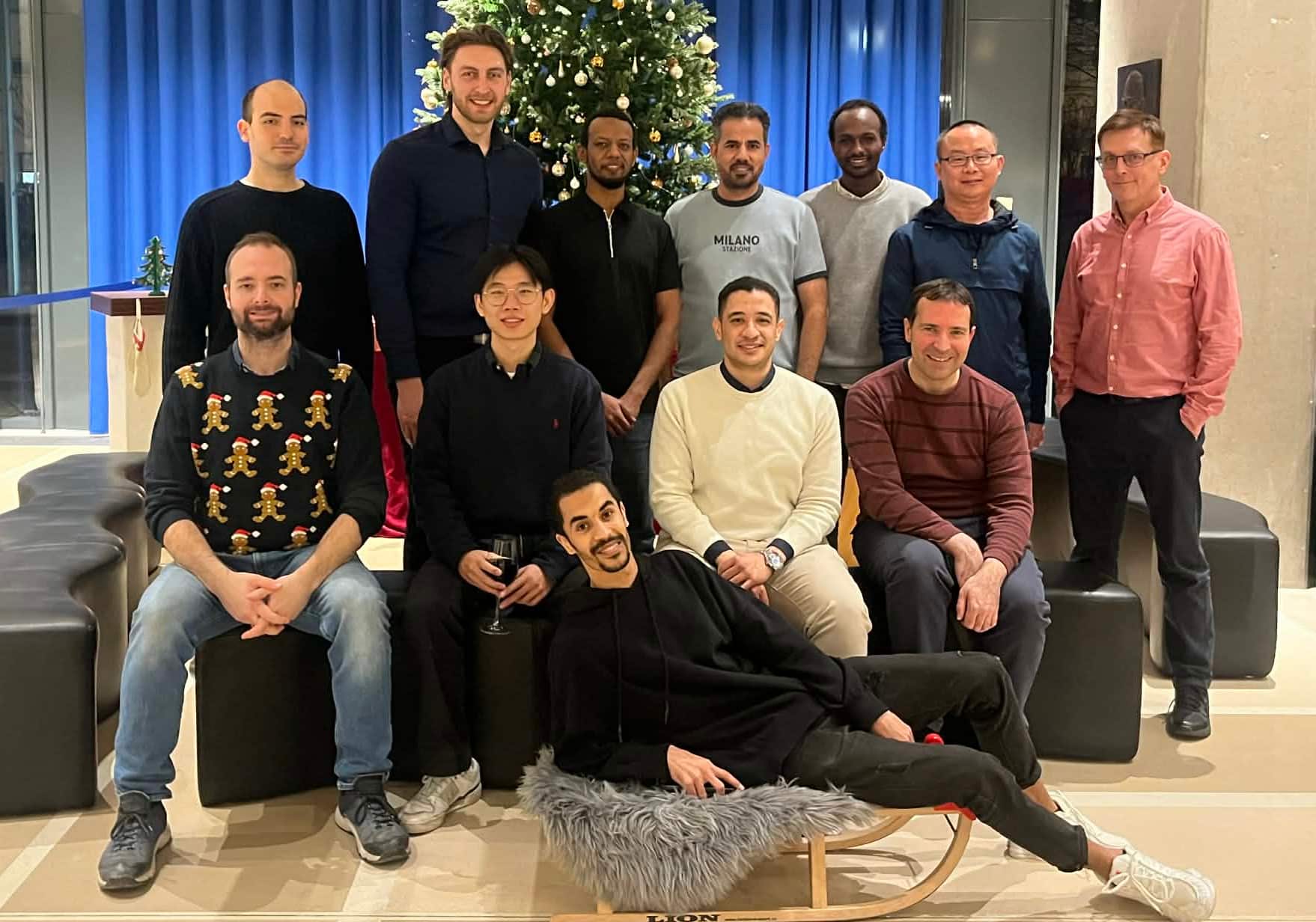
Zoltán Koós, Dániel Bócsi, Qusay Abdalla, Hakim Al-murshidy, Ebsa Ahmed, Mingming He, Péter Hamar
Csaba Schvarcz, Yibo Gu, Mohamed Elsalahaty, Evan Santo
Eslam Abdalalem
Previous filds of research:
After co-developing the rodent moduelated electro-hyperthermia device (LabEhy) we demonstrated possible repurposing of several basic drugs for enhancing the theraopeutic effects of cancer hyperthermia such as digoxin, COX-2 inhibition, ivermectin meanwhile demonstrating substantial effects of hypoxia signaling, non-steroid- and heat-shock pathways in cancer progression.
Initially we investigated the pathomechanism of rejection following kidney transplantation in a rat model. The function of the transplanted kidney is basically determined by the ischemic and immunological damaging factors suffered during the transplant, result in renal fibrosis which is the common route of chronic kidney damage. We were the first to use RNA interference in the kidney for in-vivo gene silencing. In the present research, we focus on the pathomechanism of fibrosis induced by renal ischemia.
Contact:
SU-Medical Faculty, Institute of Clinical Pathophysiology (former name: Institute of Translational Medicine)
1094 Budapest, Tűzoltó utca 37-49
Mobil: (+36 20) 825 9751
Fax: (+36 20) 825 6507
email: hamar.peter@semmelweis.hu